FFmpeg Skill
42 local FFmpeg tools that let your coding agent edit video and check its own work.

Project intro
FFmpeg Skill gives your coding agent a video editor. It teaches Claude Code, Cursor, Codex, or any MCP client a fixed workflow — probe, edit, check, verify — and ships 42 tools that do the actual work with local FFmpeg: cut, join, silence removal, captions and karaoke, reframing, loudness, HDR to SDR, multicam, and delivery to TikTok, Reels, Shorts, and YouTube. No cloud, no API keys, no Python dependencies beyond the standard library.
You describe the edit in plain words — take interview.mp4, keep 0:45–3:10 and 5:00–6:30, and make it exactly 60 seconds for Reels — and the agent runs probe, cut, fit, export, and check, then reports the measured result: 59.98 seconds, 1080×1920, 30 fps, AAC stereo. Every tool is also callable as an MCP tool, and the whole set is described by a machine-readable contract the agent can read.
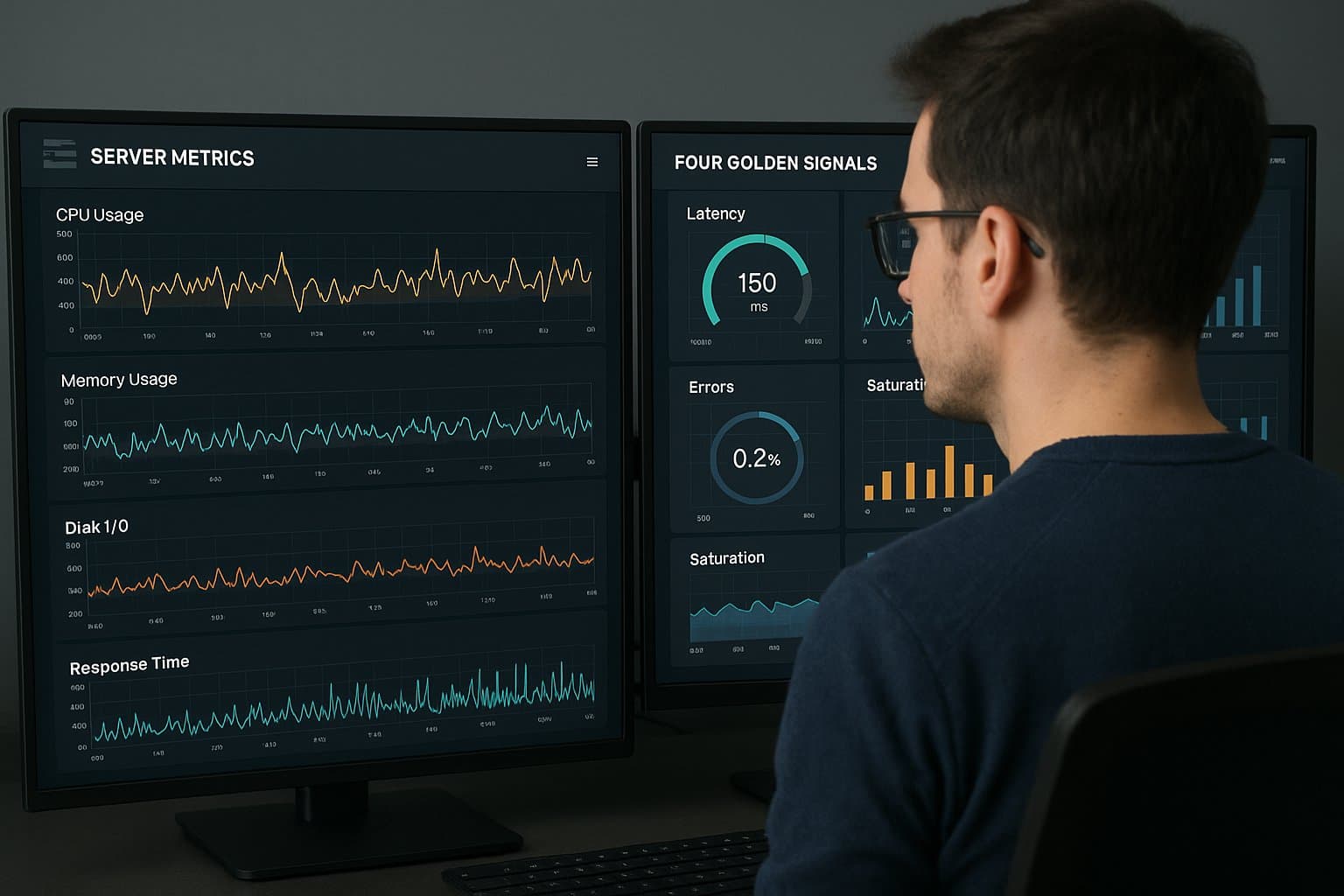
The part that makes it different is verification. Each tool's contract is derived at run time from the same argument parser that defines its command line, and CI fails the build if any of it drifts. After every edit the result is probed against the destination platform's spec and looked at as a contact sheet, so the agent checks its own output instead of just reporting done. The discipline behind it is written up as a position paper on Zenodo. More than 6,100 developers have starred it, and version 3.10.1 shipped the day before this draft.
You need FFmpeg and Python 3 on your machine; captions from speech need a local speech engine such as Parakeet or Whisper installed separately, and the audio never leaves your machine. It edits files locally — it does not decide what to cut or whether a deliverable is good, which stays the human's job.
Actions
Tech stack
Project info
- Project category
- Developer Tools
- Project status
- Online
- Collaboration intent
- None