Loading user projects
VI
VIBEFIX
This user has not added a bio yet.
Joined 7/11/2026
192
Projects
0
Iteration asks
0
Iterated
0
Likes
0
Saves
1487
Views
0
Comments
Showcase
Online
Entertainmentclaude-code
Outpace
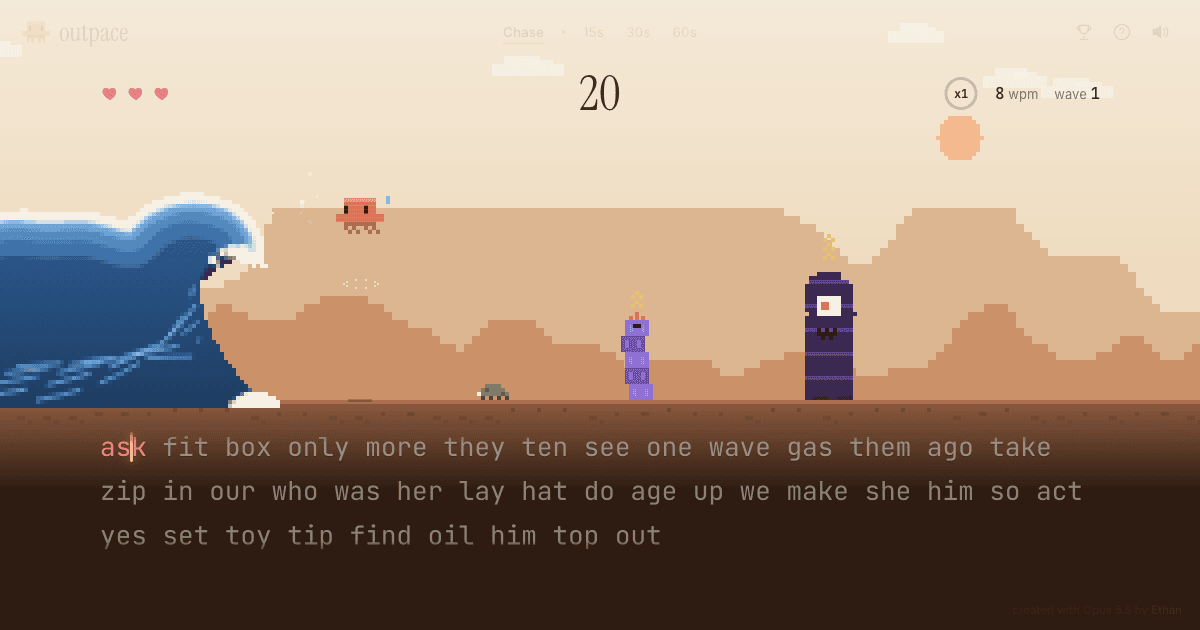
A typing runner where every correct letter moves Claude forward — outrun the adaptive pixel wave, beat the creatures.
Outpace is a Claude-themed typing runner: type to keep Claude running ahead of an adaptive pixel wave, press space to jump (double and triple jumps in the air), and deal with creatures that each have their own trick — stomp the Beetle, don't jump at the Moth, time the bouncing Hopper. The wave measures your typing speed and keeps pace, pushing harder as you improve. Golden words push the wave back, heart words heal, and 25 mistake-free letters raise your multiplier to x8. Sprint modes offer pure 15/30/60-second speed tests, and scores land on a global leaderboard with no accounts. The remarkable part is the build story: the entire thing — game design, engine, pixel art, backend, tests, a security pass and deployment — was built by Claude Opus 5.5 in Claude Code in a single ~45-minute session from one prompt, with two Sonnet 5.5 subagents handling the backend and adversarial QA. Zero npm dependencies, 47 tests, MIT licensed, and free to play in the browser right now. curated by the VibeFix editors
V@VIBEFIX
0
0
9
0
Showcase
Online
Productivityclaude-code
Tempus
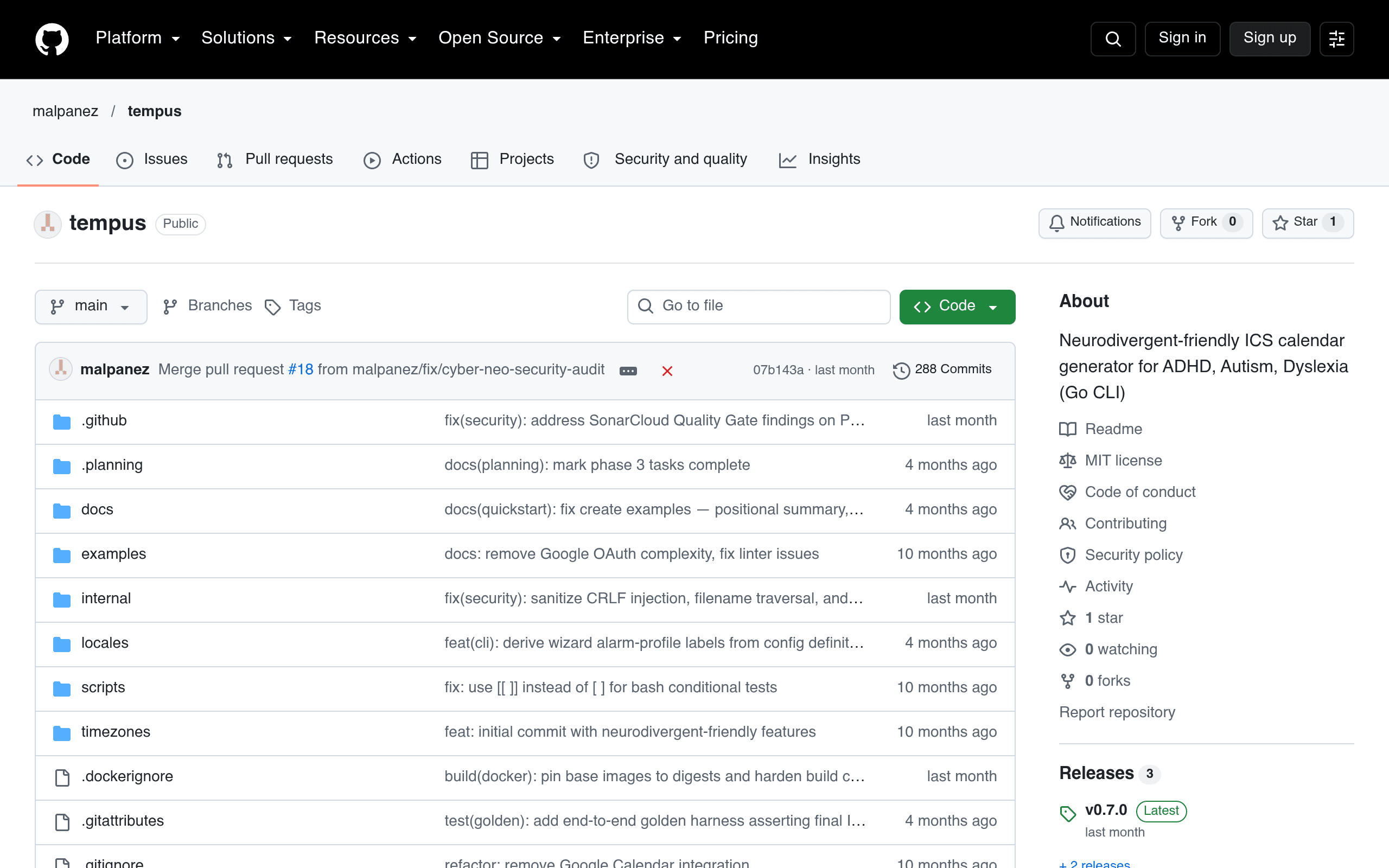
A neurodivergent-friendly Go CLI calendar: time-only input, typo fixing, ADHD alarm profiles — outputs standard ICS files.
Tempus is a calendar tool built for neurodivergent brains — ADHD, autism, dyslexia — as a Go CLI. Type "10:30" instead of a full timestamp, let it auto-fix your typos (meetting to meeting), get multiple countdown reminders with ADHD-tuned alarm profiles, automatic prep-time buffers before meetings, conflict detection and overwhelm warnings when you over-schedule. Batch mode builds a whole calendar from CSV/JSON/YAML with reusable templates for medication, routines and travel. Everything compiles down to RFC 5545-compliant ICS files that import cleanly into Google, Apple and Outlook calendars. It is multilingual (English, Spanish, Portuguese, Irish), ships prebuilt binaries for all platforms plus Docker, and runs fully local — no account, no subscription. 288 commits, 3 releases, MIT licensed. The author's own disclosure: built with Claude Code. curated by the VibeFix editors
V@VIBEFIX
0
0
10
0
Showcase
Online
Developer Toolsclaude-code
CoIsland
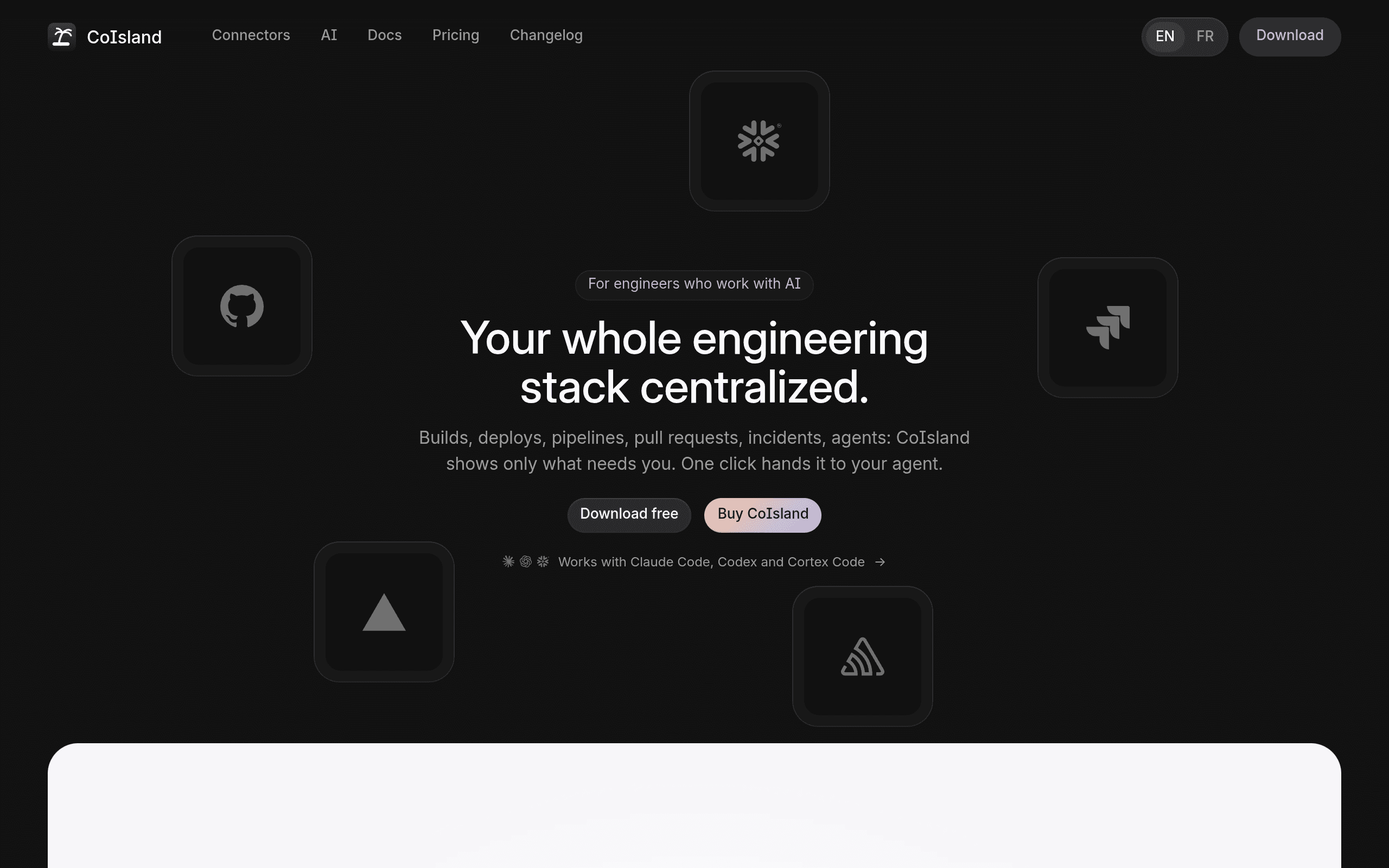
Your whole engineering stack, centralized in the Mac notch — 35+ connectors, one click hands any alert to your coding agent.
CoIsland lives in your MacBook notch and watches your engineering stack: 35+ connectors for GitHub, Vercel, Snowflake, Jira, Linear, Sentry, PagerDuty, email and calendars. Each monitor runs on its own schedule, and when something fires — a failed deploy, a red CI run, a failed payment — the notch shows the alert with what was found. One click hands it to Claude Code, Codex or Cortex Code, which opens in a terminal right under the alert with the full context; the agent does what is safe, asks you for the rest, and never closes an alert — you do. It is a native Swift/SwiftUI app for Apple Silicon, deliberately serverless: tokens live in the macOS Keychain and the app talks to your tools directly. Two monitors run free forever; a license is a one-time $29.99 early-bird purchase. The maker has run his own days from the notch since July 2026. The author's own disclosure: CoIsland was built with Claude Code (Opus 5.5). curated by the VibeFix editors
V@VIBEFIX
0
0
8
0
Showcase
Online
Developer Tools
proxy429
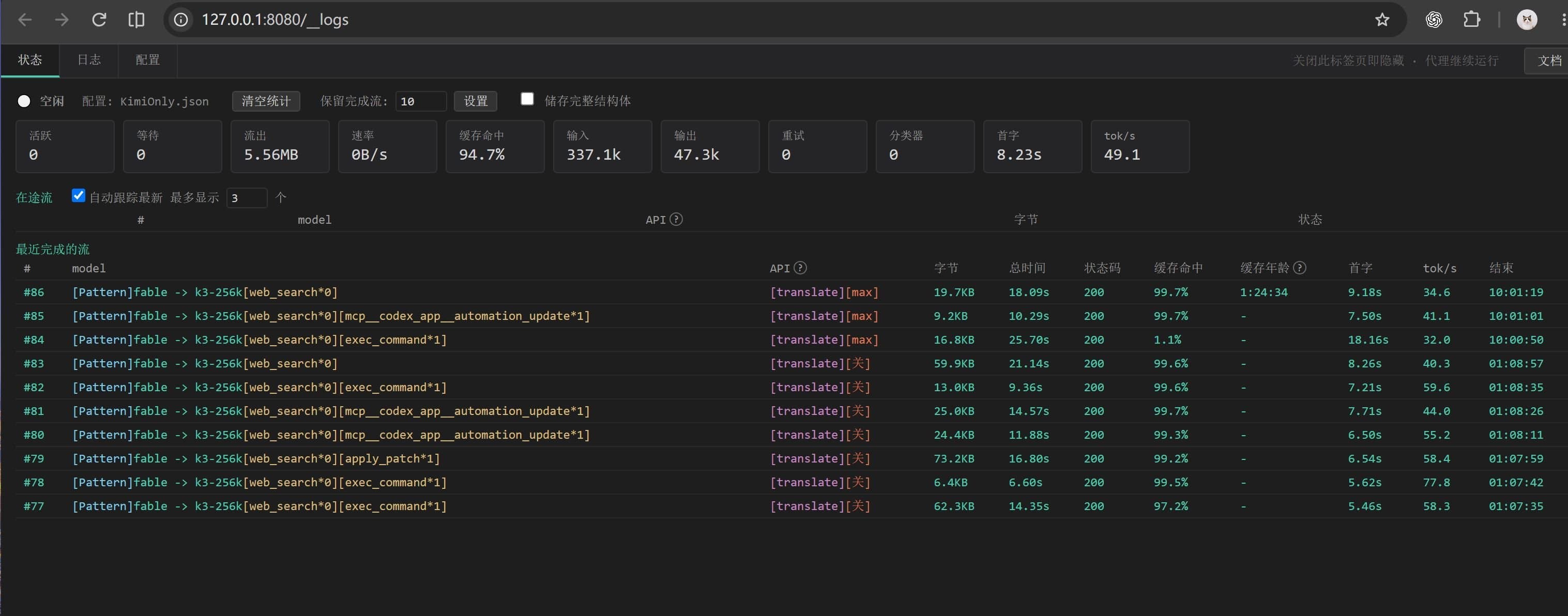
本地 LLM API 代理:自动吃掉 429 限流和抖动,让 Claude Code / Codex 的长会话不再被上游打断。
proxy429 是一个跑在本地的 LLM API 代理,夹在 Claude Code、Codex CLI 等 AI 编程 agent 和上游模型提供商之间,专门解决一个真实痛点:跑第三方兼容端点时频繁的 429 限流和流式中断。它对 429/5xx 做指数退避自动重试(含藏在 HTTP-200 SSE 流里的限流错误),SSE 保活让客户端在代理重试期间永不超时,还支持模型路由与劫持、OpenAI Responses 与 Anthropic Messages 双协议翻译、加密搜索信封(后续提问直接读上次搜索内容)、以及把显式关思考的请求悄悄升级为 low 思考的细节优化。 配套的本地网页控制台是亮点:实时查看在途流、token 与缓存命中统计、逐请求诊断,请求/响应体按“代理到上游”和“客户端到代理”两侧分开记录——排查 agent 到底发了什么、收到了什么,一目了然。控制台中英双语,跨平台托盘应用单二进制,约 40% 测试代码,MIT 开源。 作者 aaahzb 的原话:这是一个“为 AI agent 造的工具,由 AI agent 造”——他不是 Go 开发者,整个项目是纯 vibe coding 产物。 curated by the VibeFix editors
V@VIBEFIX
0
0
9
0
Showcase
Online
Developer Toolsclaude-code
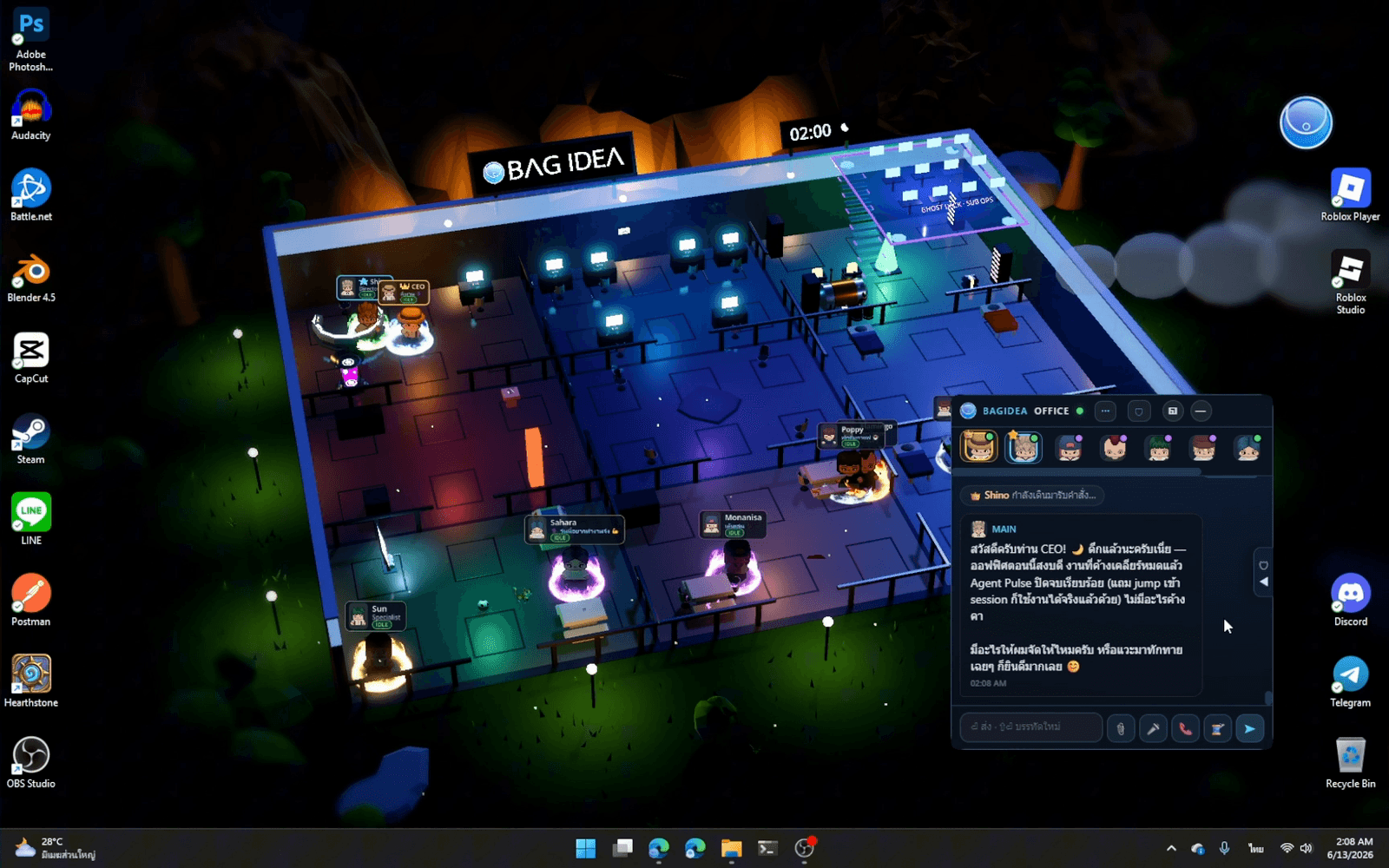
BagIdea Office
Your desktop wallpaper becomes a living AI-agent office — real Claude Code sessions that walk, work, delegate and hold meetings.
BagIdea Office turns your desktop wallpaper into a living HD-2D office where every pixel-art character is a real Claude Code session. You play CEO: give an order, a Director agent breaks it down and delegates, and you watch the actual work happen — characters walk to their desks, open files, and run tools in real project folders. A glowing monitor means a live tool call is running; a character walking over to Security means a real permission request. Nothing on screen is canned animation. The office extends itself: agents propose plugins and skills (you approve each one), accumulate shared knowledge in OFFICE.md, and even hold meetings on their own that can turn into written project proposals. It talks over voice, Telegram, Discord and LINE, speaks 14 languages, and lets each agent run a different model brain — Claude, GLM, DeepSeek, Qwen, OpenAI, Gemini, or local Ollama. The project is heavily maintained (241 stars, 98 releases) and MIT licensed. The author's own disclosure: the app was itself built with Claude Code. curated by the VibeFix editors
V@VIBEFIX
0
0
8
0
Showcase
Online
Developer Tools
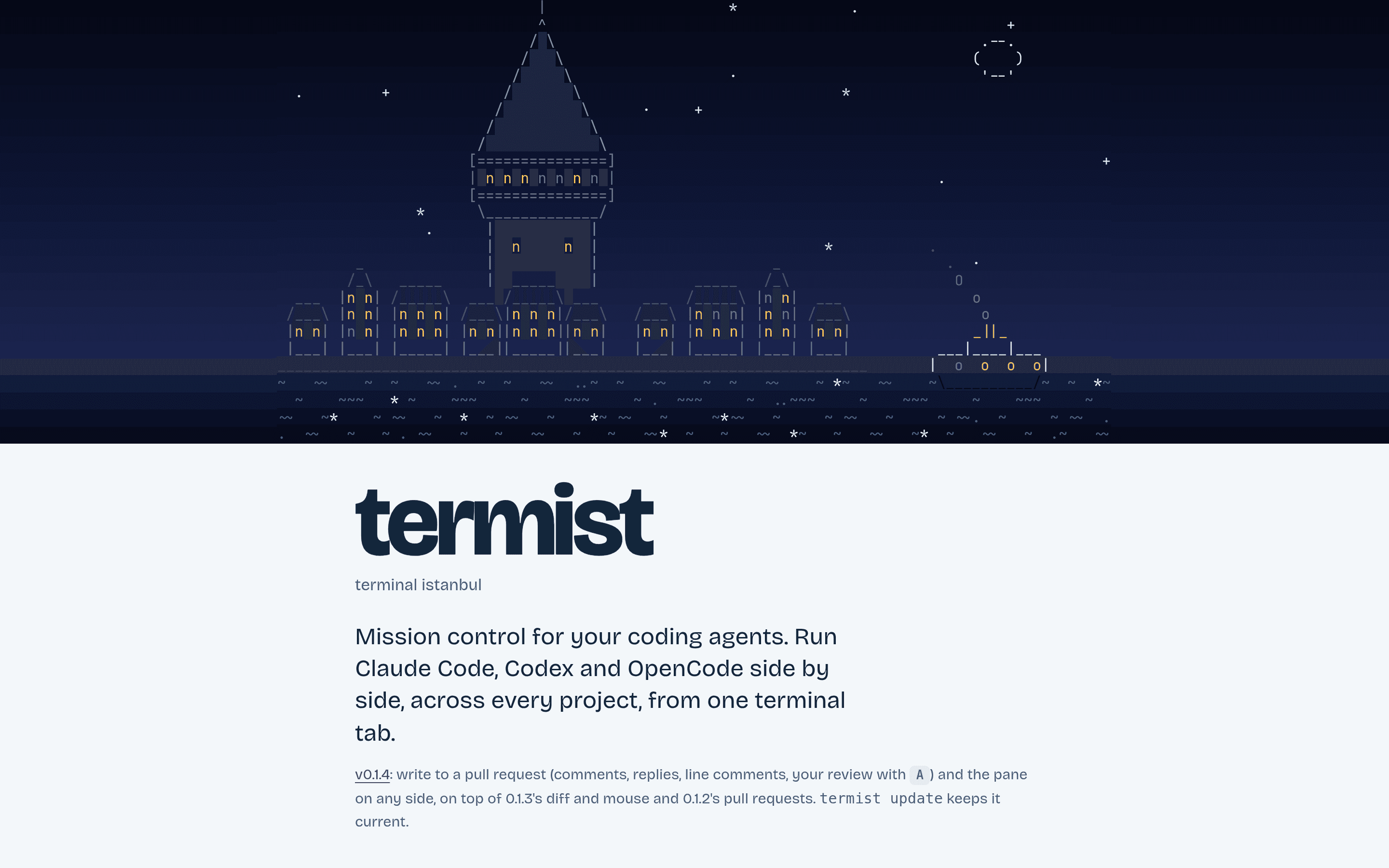
termist
Mission control for your coding agents: Claude Code, Codex and OpenCode side by side in one terminal.
termist is a terminal mission control for people who run multiple coding agents at once. Every session becomes a card with a dot: running, waiting for you (a permission or a question), done-unseen, done-seen. Jump straight to the agent that needs an answer, send follow-ups without opening its terminal, resume sessions by name, manage projects as tabs — and the agents keep running when you close the window, owned by a small daemon. The author's disclosure: AI coding tools were used throughout the project — implementation decisions, testing and project direction are the author's. It is at v0.1.4 and moving fast: GitHub PR review (comments, line threads, reviews) already landed, installable on macOS, Linux and Windows. Plus the best-looking terminal UI of the year: Istanbul scenes (Galata Tower at dusk, the Bosphorus) that change with the hour. curated by the VibeFix editors
V@VIBEFIX
0
0
7
0
Showcase
Online
Entertainment
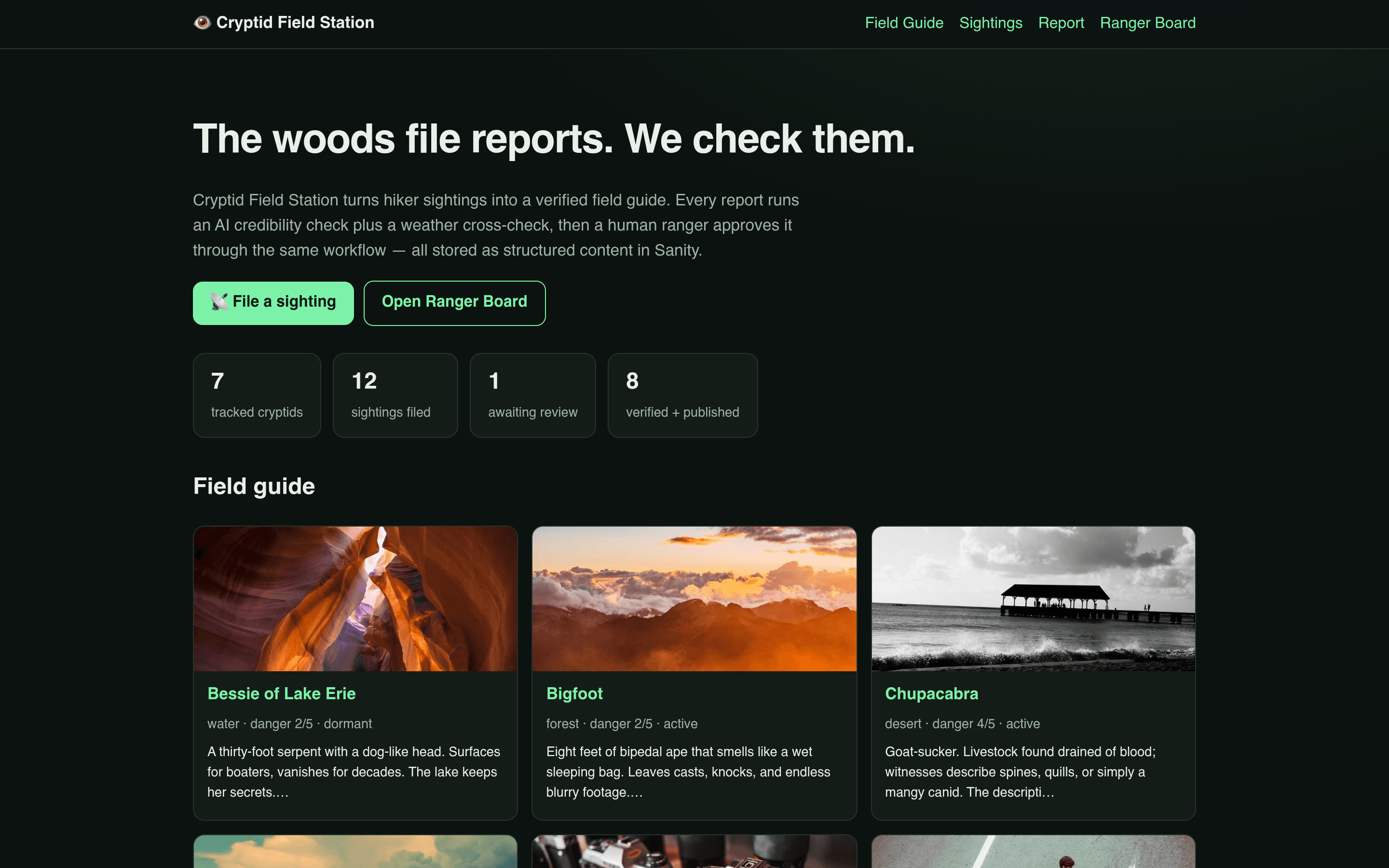
Cryptid Field Station
A vibe-coded cryptid-reporting station: file a sighting, an AI editor scores it, a ranger approves it.
Cryptid Field Station turns hiker sightings into a verified field guide — a Sanity Challenge submission that is genuinely fun to use. File a sighting with story, location and evidence; an AI credibility check plus a real weather cross-check (Open-Meteo pulls the actual sky that night) score the report; then a human ranger approves or rejects it through a real-time triage board — with every transition audit-logged. The workflow even rejects Bigfoot blurs. The author built it entirely by vibe-coding on Sanity: the field guide, a Ranger Dispatch board with live subscriptions, a custom Sanity Studio input that turns trail-cam video URLs into 6-frame GIF strips, and the review process modelled as data (stages, guards, effects). Seven cryptids tracked, twelve sightings filed, eight verified and published. curated by the VibeFix editors
V@VIBEFIX
0
0
7
0

Showcase
Online
Entertainmentclaude-code
Vibe Games Arcade
4 款一句话 prompt、单次生成的完整游戏:LOL 峡谷仿真、MC 体素沙盒、PVZ 与杀戮尖塔。
Vibe Games Arcade 是一个 one-shot vibe coding 实验:4 款游戏全部用 Claude Opus 5.5、单次一句话 prompt 直接生成,零后端依赖,纯前端点开即玩。英雄联盟峡谷仿真(精准防御塔仇恨、三路兵线、A* 寻路、完整技能冷却)、我的世界 3D 沙盒(柏林噪声无限地形、体素物理、第一人称漫游)、植物大战僵尸(植物图鉴、阳光经济、波次攻防)、杀戮尖塔肉鸽卡牌(Act 地图、手牌循环、遗物系统、怪物意图预警)。 作者在仓库 README 里明确写道:「本仓库收录的所有游戏作品均为使用 Claude Opus 5.5 进行一句话 Prompt 单次生成 (One-Shot Vibe Coding) 的实验成果。」游戏大厅直接展示了每款游戏的原始 prompt——最短的只是一句话「尽可能利用你的现有能力复刻 Minecraft」。 单次生成做到「能玩的游戏」仍是极限挑战,这个合集就是一份公开的、可亲自验证的能力边界报告。 curated by the VibeFix editors
V@VIBEFIX
0
0
6
0
Showcase
Online
Developer Toolsclaude-code
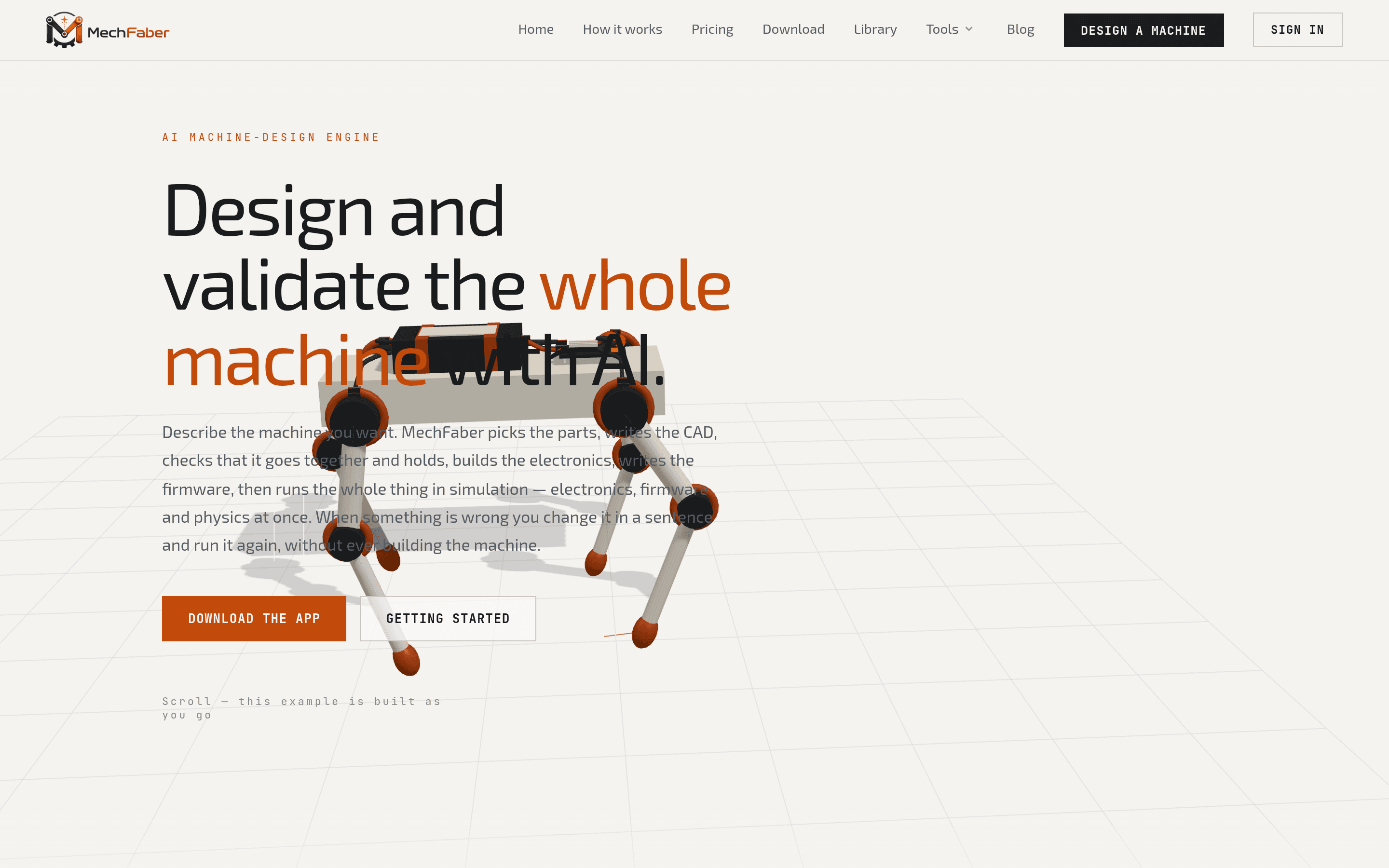
MechFaber
Describe a machine in words — AI picks the parts, writes the CAD and firmware, then simulates it all together.
MechFaber is an AI machine-design engine: you describe the machine you want in plain language, and it searches vendor catalogues for motors, bearings and controllers you can actually order today, draws the CAD around the suppliers' own 3D models, validates fit and load, lays out the full electronics loom, writes the firmware, and then runs the entire machine in simulation — real firmware binary on an emulated MCU (Renode) coupled tick-by-tick with physics (MuJoCo), sharing one battery model. When something is wrong, you reply in a sentence and the whole loop re-runs. The author's own description of the build: Claude Code did all the design work including the firmware. Built over roughly 3 months with a split-agent setup — separate agents for research, calculation, CAD, electronics, firmware and simulation, after a single do-everything agent failed. Clone machines from the library and rebuild them locally, or publish your own. Free while it is early. curated by the VibeFix editors
V@VIBEFIX
0
0
8
0
Showcase
Online
Social & Communityreplit
Faded
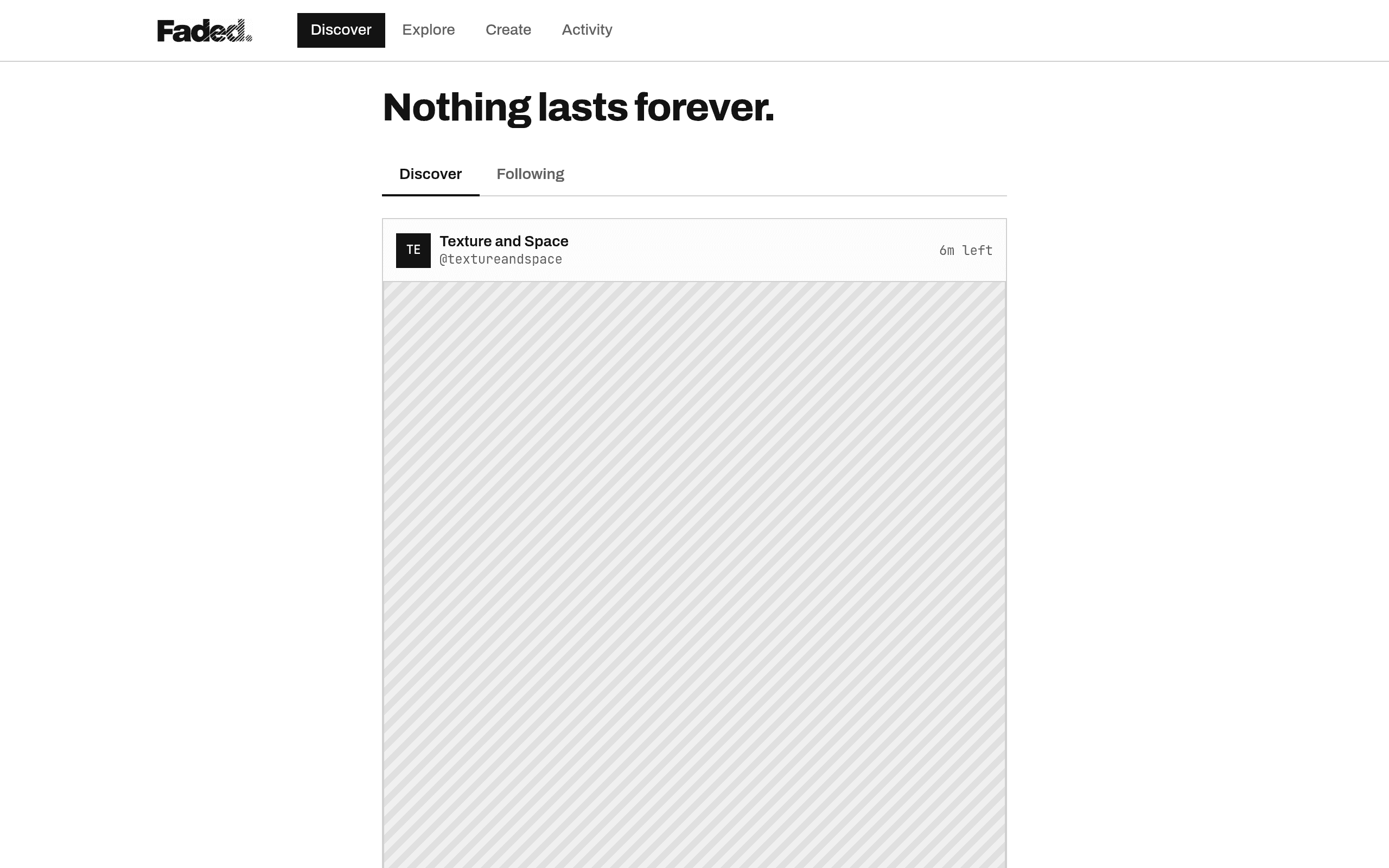
A photo social app where every photo expires — images fade and blur as their shelf life runs out.
Faded plays with digital scarcity. Every photo has a shelf life — by time or by view count. The closer it gets to expiring, the more the image fades and blurs; when it expires, the photo disappears and only the comments remain. The author's own confession on Show HN: 'And, yes its vibe coded, built on replit.' The live site already has real users posting, and the fading-photo mechanic is genuinely playable. 'Nothing lasts forever' as a product mechanic — a small, honest idea executed live. curated by the VibeFix editors
V@VIBEFIX
0
0
7
0
Showcase
Online
Entertainmentv0-by-vercel
144 Archetypes
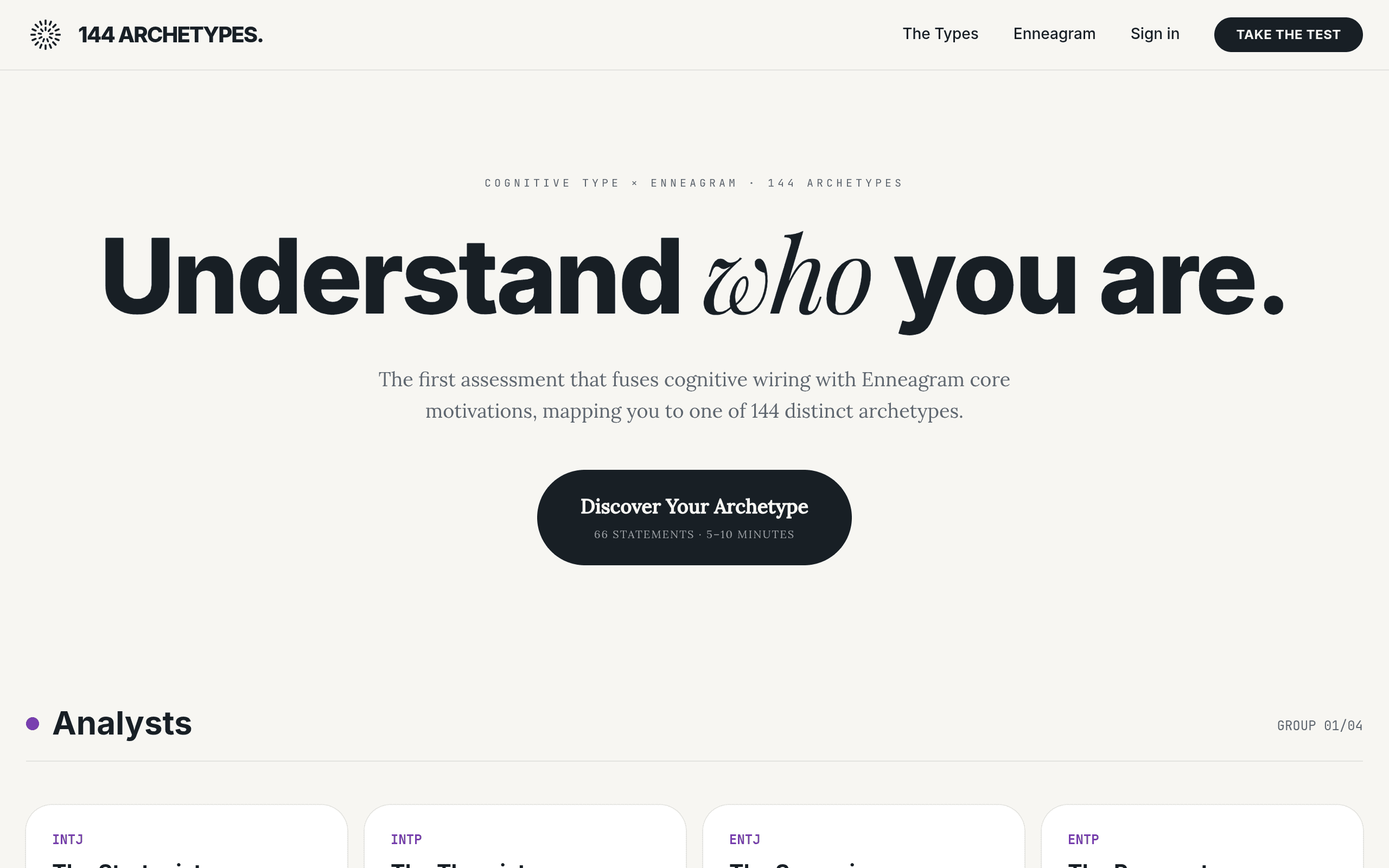
A personality assessment fusing 16 cognitive types × 9 Enneagram types into 144 profiles — written entirely by v0.
144 Archetypes crosses the 16 MBTI cognitive types with the 9 Enneagram types to produce 144 deep personality profiles — four-force models, stress responses, energy patterns — generated from a 66-statement assessment. Mai, a Tokyo radio personality and product manager with no engineering background, built the entire app using v0 by Vercel. 'I wrote the prompts in natural language, and v0 wrote the code.' It's the textbook non-engineer-solos-a-complete-product vibe coding story, with a 16-type browser and Enneagram grid that hold up on inspection. The site has been live for roughly ten months and is still maintained and content-complete. curated by the VibeFix editors
V@VIBEFIX
0
0
6
0

Showcase
Online
Developer Toolsboltnew
GHOSTVAULT
Enterprise-grade dark-web breach monitoring with zero-knowledge architecture — built in 72 hours on Bolt.new.
GHOSTVAULT is a breach-monitoring platform that aggregates 5+ leak data sources (HaveIBeenPwned, DeHashed, IntelligenceX and more), encrypts everything browser-side with AES-256-GCM so even the operator can't see your data, and fires real-time dark-web alerts. The author, Alex Sofroniev, built it to prove 'enterprise-grade cybersecurity could be built rapidly using modern no-code platforms' — 72 hours, $0 development cost, and the project grew so technically complex it started hitting Bolt.new's own platform limits. Pricing runs from €6.90/month Pro to $299/month Enterprise, and it entered through Bolt's World's Largest Hackathon. curated by the VibeFix editors
V@VIBEFIX
0
0
6
0

Showcase
Online
Lifestylelovable
Plinq
Women's safety background checks — type a name and number, get a criminal-record risk score in seconds.
Plinq is a women's safety app from Brazil with a simple, urgent idea: type a full name and phone number, and it checks public criminal and judicial records, returning a red/yellow/green risk score in seconds — plus a one-tap emergency alert and a mutual-aid community. The founder story is the point. Sabrine Matos, a growth marketer with no engineering degree, built the whole thing on Lovable — website, desktop app, scoring logic, public-records integrations, backend workflows — in 45 days. 'If Lovable didn't exist, Plinq would never have seen the light of day.' Three months in: 10k+ users, roughly $456K in annualized revenue, 300% month-over-month growth, and a claim of 200+ dangerous situations avoided — with coverage from G1 Globo, Exame and Marie Claire, and a pre-seed round in progress. curated by the VibeFix editors
V@VIBEFIX
0
0
7
0
Showcase
Online
Gamesclaude
Linnaeus
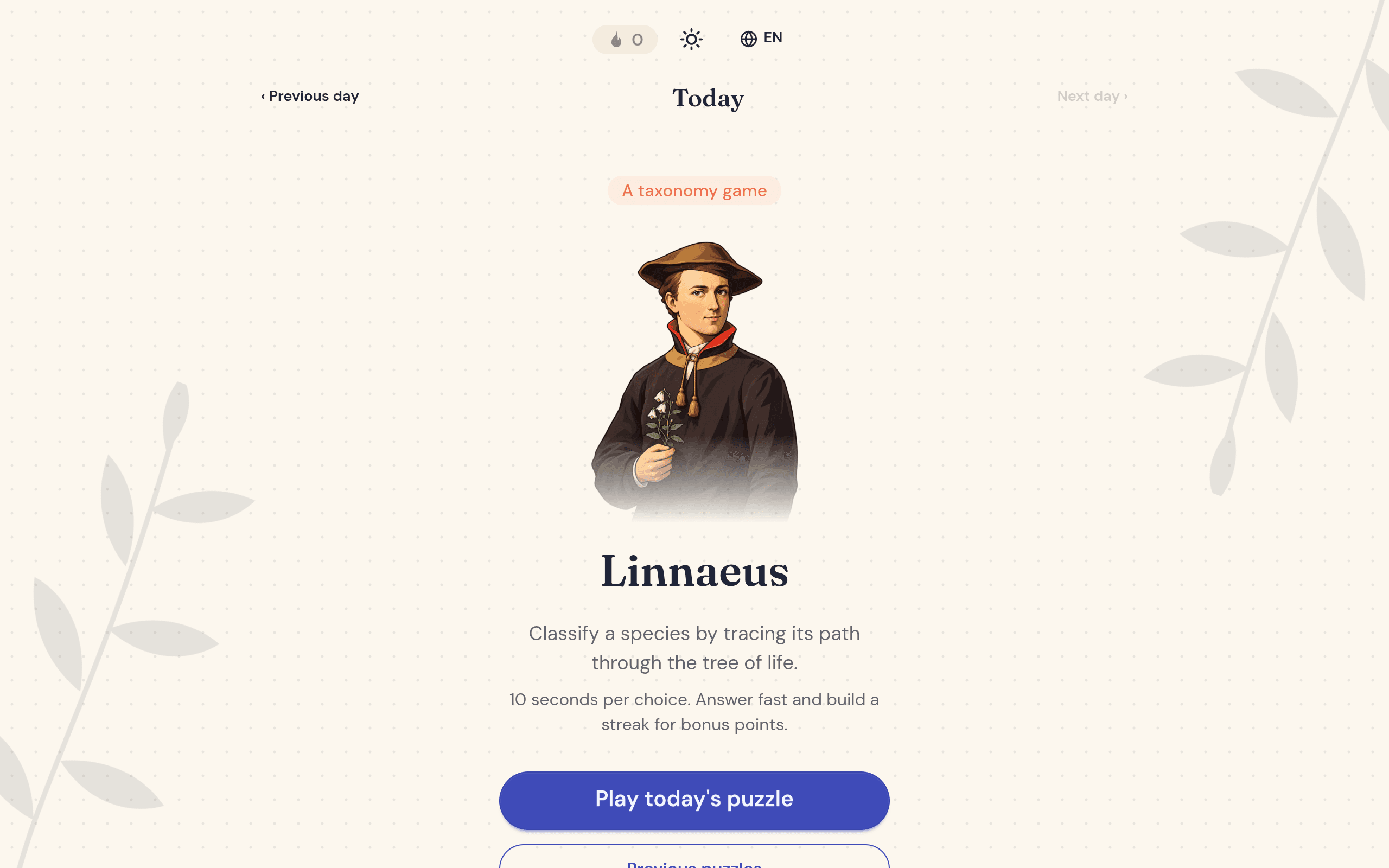
A daily taxonomy speed-run game: classify a species down the tree of life, 10 seconds per choice.
Linnaeus gives you one species a day and a stopwatch. Classify it from kingdom down to species — 10 seconds per choice, faster answers worth more — and climb the daily and monthly leaderboards. The author's pitch is endearingly plain: 'A friend gifted me a week of Claude, and this is what I got in 3 afternoons of full vibe-coding.' Three afternoons, and out came a polished daily puzzle with a streak system and a whole tree of life to race through. Stack is Svelte 5 on Cloudflare Workers with D1 for data — a tidy, serverless setup for a game that only needs to wake up once a day. curated by the VibeFix editors
V@VIBEFIX
0
0
4
0
Showcase
Online
Developer Toolsclaude-code
jpm
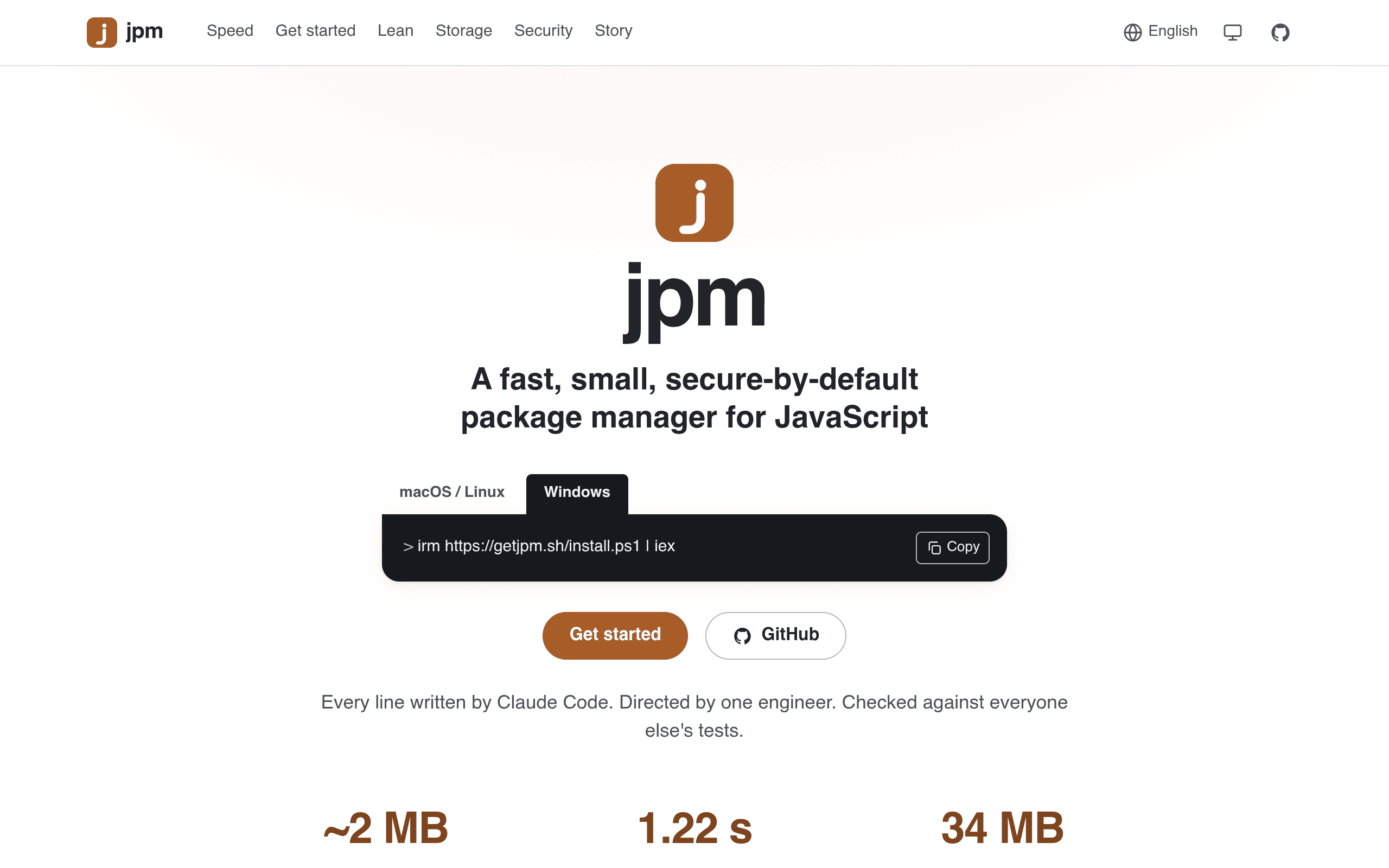
A fast, small, secure-by-default JavaScript package manager written in Rust — every line coded by Claude Code.
jpm is a JavaScript package manager written in Rust, and it makes a bold claim: up to 15x faster than npm, a ~2 MB binary, and security by default. Install scripts need explicit approval, and fresh versions of a package get a one-day cooling-off period before you can pull them. The story behind it is the real hook. The author directed Claude Code, running Claude Opus 5.5, to write every line — its own TLS and crypto included — then spent five days with the agent installing popular packages and hardening the implementation against real-world breakage. The site is brand new (the repo landed 2026-09-28), and the homepage leads with the honesty the genre needs: 'Every line written by Claude Code. Directed by one engineer. Checked against everyone else's tests.' curated by the VibeFix editors
V@VIBEFIX
0
0
6
0
Showcase
Online
Developer Toolsclaude-code
Incident War Room
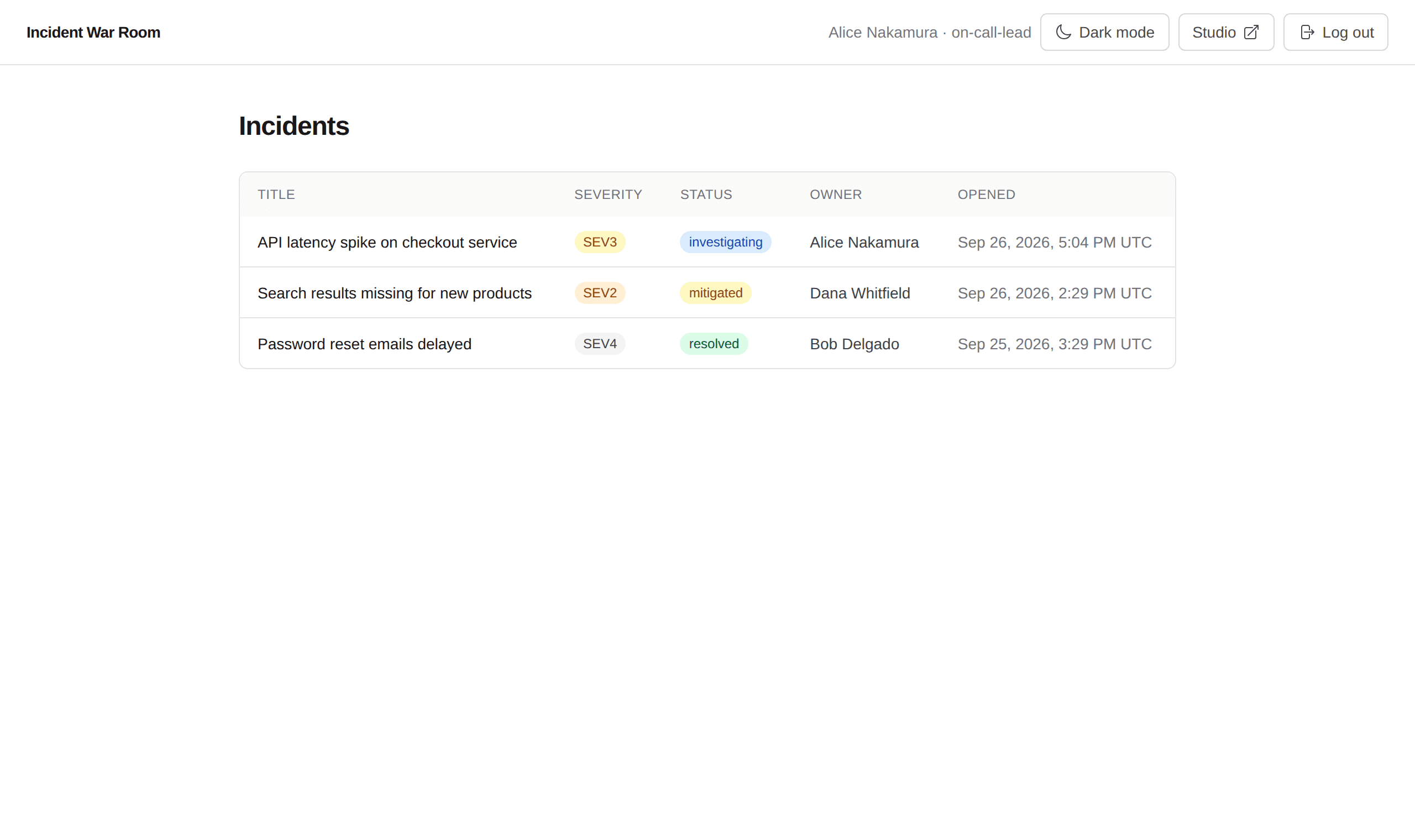
Real-time incident response for on-call teams: a live timeline, a SEV1 gate needing two on-call leads' approval server-side, and an AI-drafted postmortem.
Incident War Room is what you wish you had open at 2 AM when something breaks: everything about the incident lives on one page — a live timeline every responder sees update in real time (Sanity's `listen()`, no polling), a status page entry that publishes itself once an escalation is approved, runbooks for the incident's severity right on the page, and an AI-drafted postmortem when you mark it resolved. The centerpiece is the SEV1 escalation gate, and the author designed it specifically so a judge couldn't fake it. Raising an incident to SEV1 needs sign-off from two different on-call leads, enforced server-side in an `approveEscalation` Server Action — the approver is whoever the signed session says is logged in, must be an on-call lead, and can't approve twice. A Sanity Workflow tracks `escalationApproval` as `pending → approved / rejected` on a Kanban board in Studio. The build diary is the best part: the first version of the gate took the approver id from a hidden form field, so Alice could "Approve as" herself and Dana and push a SEV1 through alone — Claude Code caught that itself during a status check and it got fixed. Built for the DEV × Sanity challenge "Path Two: Vibe-Code Something Strange" with Claude Code, from an empty directory to a working demo — and the author is honest about where the model got stuck: Next.js 16 was newer than the model, so the repo's `AGENTS.md` points the agent at the docs bundled in `node_modules/next`; the `listen()` API ignored GROQ projections and two clocks (UTC vs local) disagreed, both found by driving the live site with Playwright. Resolving an incident freezes the timeline and sends it to Groq (`openai/gpt-oss-120b`) for a root cause and action items — told to say "unknown" rather than guess. Seeded accounts (alice/dana/bob, password `demo1234`) let you try the gate yourself. Note: This project is curated by the VibeFix editors from public sources. All rights belong to the original creator.
V@VIBEFIX
0
0
6
0

Showcase
Online
Educationopencode
Moye
Timer-free learning for kids with ADHD or dyslexia: one spoken question at a time, a patient honey badger mascot, and difficulty set by plain readable code.
Moye is a free learning app for kids with ADHD or dyslexia — and it does the opposite of almost every learning app out there. Most learning apps run on a clock and a scoreboard: stall on a question and you get a red flash, a buzzer, a broken streak. Moye shows one question at a time, read aloud on request, with no timers anywhere. A wrong answer earns a hint and a patient honey badger named Moyin, and the score never drops. The build is for a friend: a 4-year-old also named Ayodeji, made for the Hacktoberfest Weekend Challenge "Build for a Friend". Under the hood the part the author is proudest of is that no model runs inside the app at all. Difficulty is decided by small readable functions — Bayesian Knowledge Tracing in `lib/mastery.ts` updates how likely a child is to know a skill after each answer, then moves them to an easier or harder tier. The 90 questions are validated as JSON with zod, 159 tests pass, and there's a `WHAT_IS_REAL.md` that explicitly states what isn't done (e.g. no efficacy claims). The accessibility details are real work, not decoration: a comfort panel for OpenDyslexic font, letter spacing, text size, calm motion and voice speed; voices in English, Nigerian Pidgin, Yoruba, Hausa and Igbo; a plain-language weekly summary for grown-ups; honey-drop rewards with a daily cap; and the whole thing works with Wi-Fi off, installs to a phone's home screen, keeps progress in local storage with zero third-party requests. Aligned to Nigeria (UBE), England (NC), US (Common Core), India (CBSE) and Australia (AC) curricula — and deliberately built with an AI coding agent on opencode, the same opencode challenge judges will recognize. Note: This project is curated by the VibeFix editors from public sources. All rights belong to the original creator.
V@VIBEFIX
0
0
6
0
Showcase
Online
Music & Audioclaude-code
Krisp
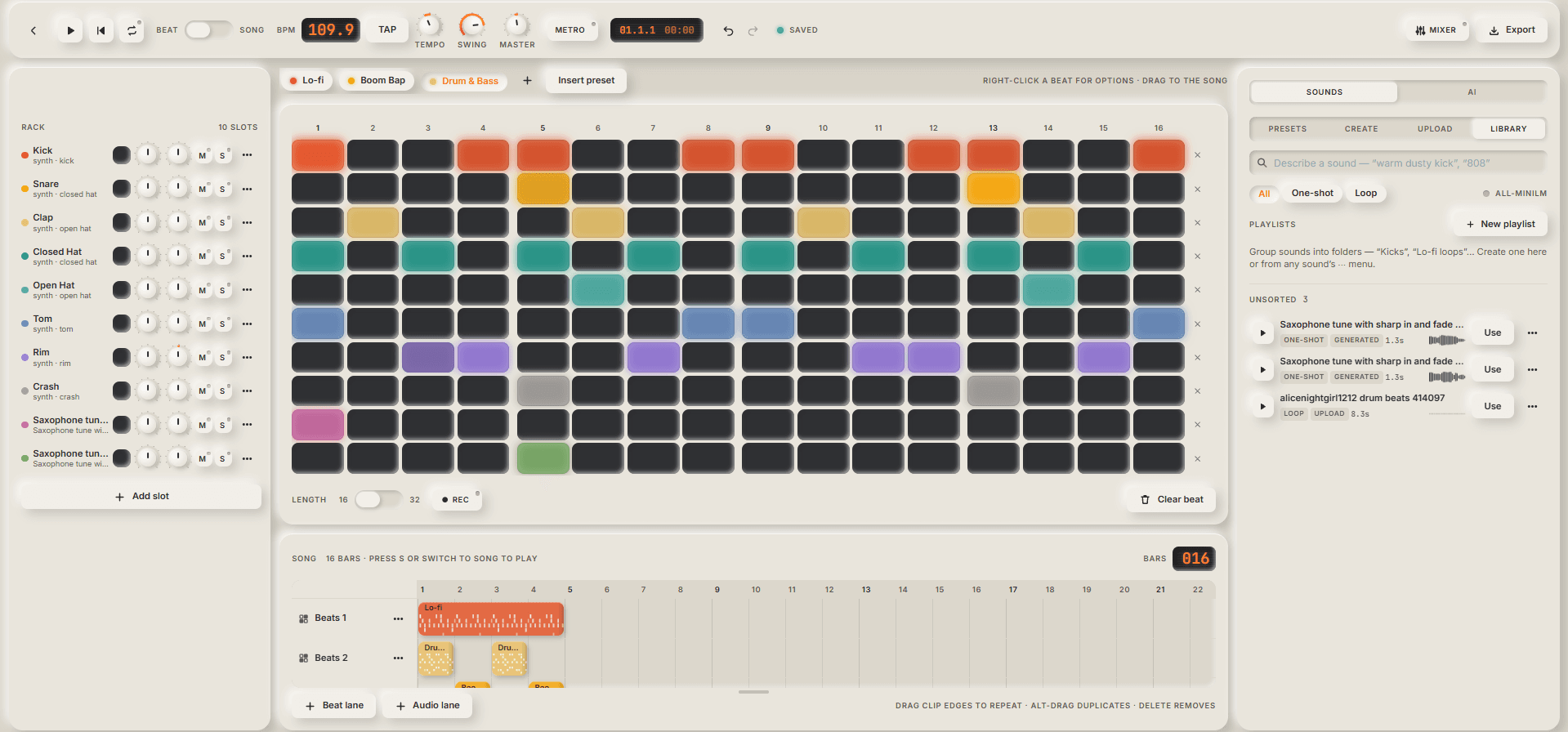
A calm browser beat studio with hardware feel: step sequencer, song arranger and full mixer — with Magenta.js in-browser AI to humanize and vary your beats.
Krisp is a calm, hardware-feel beat workspace that runs entirely in the browser — built for one producer friend during the Hacktoberfest "Build for a Friend" challenge. Make beats by hand on a 16-step sequencer (click, drag-paint, Shift+click for velocity, live record on keys A–K), arrange them into a song on beat and audio lanes, mix them through channel strips with a master chain (EQ, send, pan, fader, meter, reverb return, compressor, limiter), and export WAV and MIDI for your DAW. The timing is the thesis: everything musical runs on Tone.js in the browser with a 100 ms look-ahead scheduler and never waits on the network — the network is only for saving, the library and making new sounds. The AI is all open-source and in-browser: Magenta.js models humanize your beat (GrooVAE), generate variations (MusicVAE), continue it (DrumRNN) or morph it (MusicVAE), all undoable. Need a sound? ElevenLabs generates the exact one-shot or seamless loop you describe, and a hybrid search on Tiger Data (Postgres + pgvector) finds any sound by its name or by how it sounds — "warm dusty kick" actually works. The workspace holds 8 original preset beats (all credited as original to the project), autosaves with a save LED, and ships with 146 unit tests. And it's built the way we'd want every vibe project documented: every agent session was captured with Entire and linked to the commits it produced. The screenshots in the repo's "Blog images" folder — the song arrangement, the mixer, the ElevenLabs create flow — are the real studio, not mockups. A beat studio where "the groove is the 40 milliseconds a grid throws away" and it gives them back, one session at a time. Note: This project is curated by the VibeFix editors from public sources. All rights belong to the original creator. ---
V@VIBEFIX
0
0
6
0
Showcase
Online
Productivityclaude-code
EchoNote
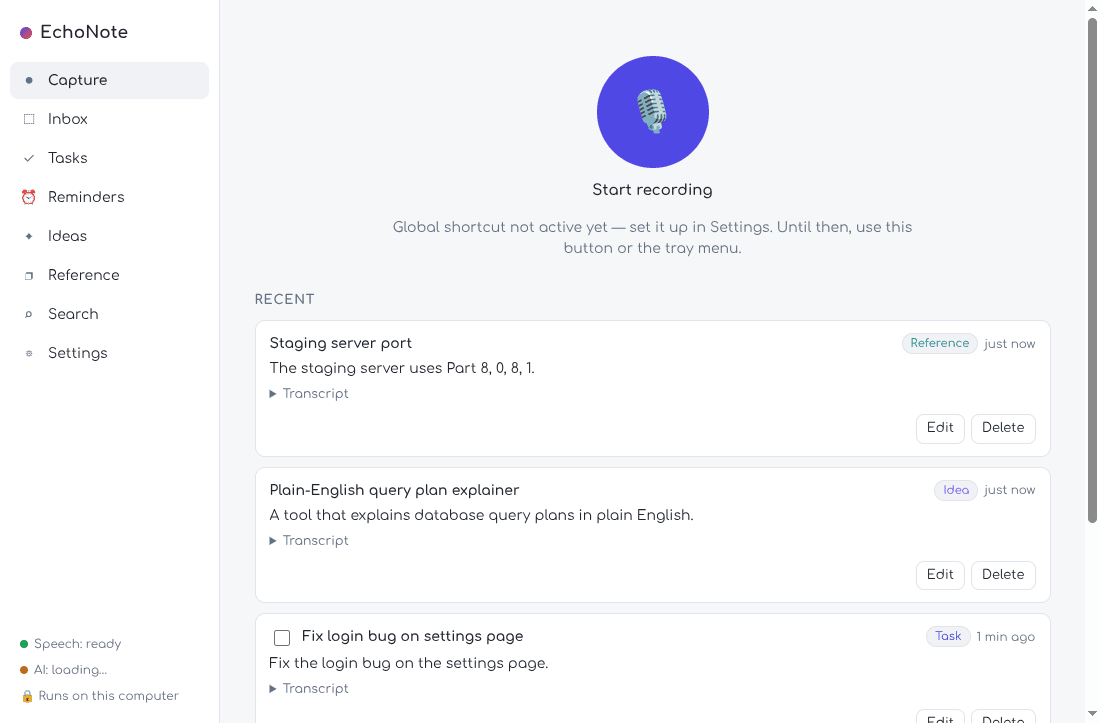
A local-first voice-to-action desktop app: press a hotkey, speak, and your words are transcribed and filed as a task, reminder, idea or note — all offline.
EchoNote is a voice-to-action desktop app built around a dead-simple loop: press `Alt + Shift + Space`, say whatever's on your mind, press it again and go back to work. It transcribes what you said and files it as a task, reminder, idea or note — "Remind me to call the dentist tomorrow" becomes an actual reminder with the date. And everything runs locally on the laptop: your voice, your notes and the AI processing never go to a server. The build story is peak vibe coding. The author doesn't know how Linux apps are made — his words: "claude made this app possible" — and the dev diary shows Claude Code doing serious engineering work. Speech-to-text is whisper.cpp, understanding is Google's Gemma 4 E2B running locally through llama.cpp, storage is SQLite, and the original transcript is saved before the AI processes it, so a note is never lost even if the AI is down. Then the agent kept going: a 2.7-second shortcut delay hunted down to 17–27 ms through a named pipe, Wayland's refusal to register global shortcuts solved with a GNOME custom-shortcut fallback, inference servers cleaned up when the app is killed, and 96 unit tests plus 8 real-model tests plus 7 end-to-end workflows driving the built app with WAV files as the microphone — including a full capture with the network interface down. First launch downloads about 1.1 GB of models from Hugging Face (CPU-only is fine, GPU acceleration is on the roadmap); after that, no internet needed. The demo screenshots show the real capture screen — a big mic button, the recent list filed into Reference/Idea/Task with transcripts, and "AI: loading…" honestly sitting in the sidebar. Made for the Hacktoberfest "Build for a Friend" weekend challenge, MIT licensed, installs in about five minutes. Note: This project is curated by the VibeFix editors from public sources. All rights belong to the original creator.
V@VIBEFIX
0
0
6
0
Showcase
Online
Lifestyleclaude-code
Solar Dashboard
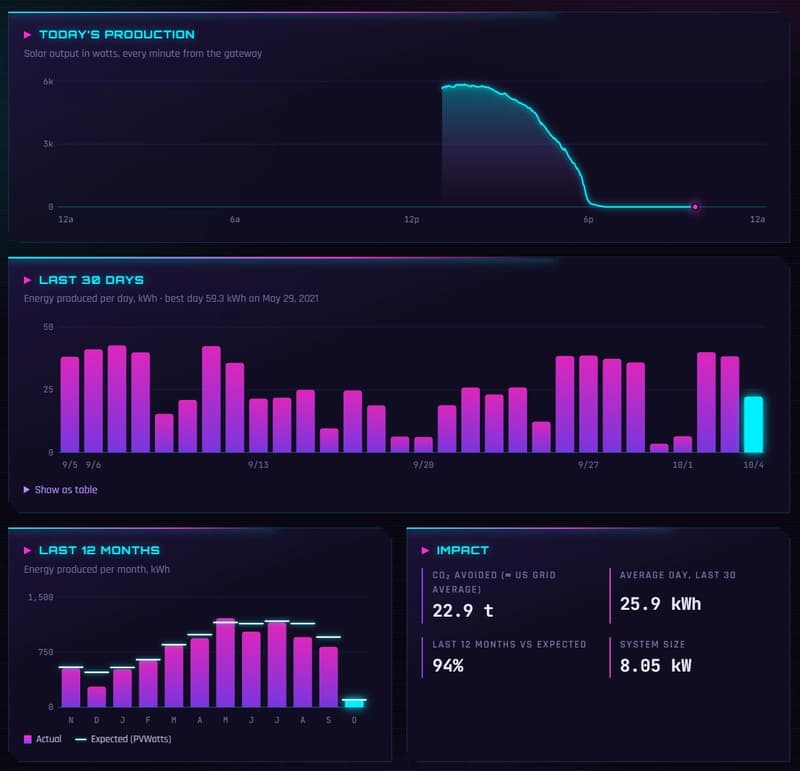
A home solar + electric-bill dashboard: per-panel live data, dying-inverter alerts, and a plain-English briefing written by a local AI every six hours.
It started as a son's attempt to prove he wasn't the reason Dad's electric bill was so high — and turned into a full home energy intelligence system. The Solar Dashboard pulls live data from the family's Enphase solar gateway every minute, down to each individual panel, combines it with ComEd electric bills and PVWatts government data on what the roof should produce, and ranks where the power goes per device and room via Home Assistant smart plugs. The standout feature is "Dad's Briefing": every six hours, a collector hands a small set of facts to Gemma 3 4B running locally on the home PC, which writes a short plain-English note at the top of the dashboard — no charts, just "your bill is $270.48 vs $46.12 last year, here's why, here's what to do." And the dashboard earned its keep: the per-panel map exposed that the solar company's layout didn't match the actual roof — panels reinstalled after storm repairs were never remapped, so the system was reporting panels in places they are not. The author proved it by checking where a tree's shade actually lands. Built with Claude Code (every session tracked with Entire, linking each AI session to the commits it produced), it runs Next.js 16 on Vercel with Upstash Redis, and even the bug stories are good — like the night the dashboard declared all 23 panels dead, because microinverters run on the panels' own power and go quiet after dark. Note: This project is curated by the VibeFix editors from public sources. All rights belong to the original creator.
V@VIBEFIX
0
0
6
0