DeepSeek Harness v0.2 Goes Desktop: The Open-Source Agent Environment Leaves the Terminal and Eyes the OS Layer
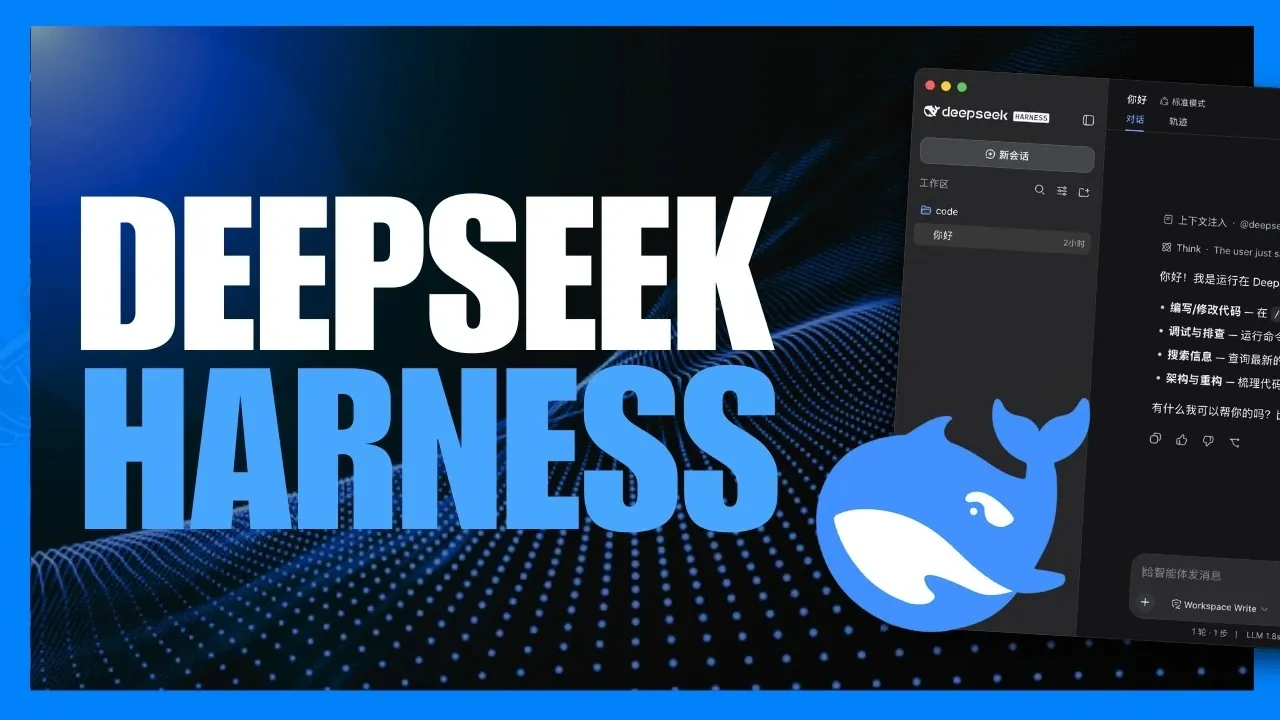
On September 30, the official DeepSeek Harness account announced v0.2 preview on X, shipping official desktop installers for the first time: macOS (Apple Silicon) and Windows 64-bit. Less than two months after the August 13 v0.1 release, the repo has collected around 242K GitHub stars. v0.2 adds an in-app plugin manager, a scheduled Automation Task plugin, and a file preview sidebar — the agent harness is growing from a terminal tool into a desktop app.
What happened: the open-source agent harness gets its first official desktop build
On September 30, the official DeepSeek Harness account announced v0.2 preview on X, headlined by the first-ever official desktop installers: macOS (Apple Silicon) and Windows 64-bit. Users can download them from deepseek.com/harness or launch the web version with npx @deepseek-ai/dsh web. The desktop build ships with the dsh CLI, and you sign in either with a DeepSeek account or an API key.
The timeline is worth noting: v0.1 shipped on August 13, and in under two months the repo has gathered around 242K stars. That velocity is remarkable even among open-source AI tools — it suggests demand for "a free, hackable agent runtime" is more urgent than many expected.
What v0.2 fixes: plugin management no longer requires the command line
DeepSeek Harness is built on Cordis's "everything is a plugin" architecture: nearly every feature is a plugin. The awkward part of v0.1 was that installing plugins meant wrestling with Node and pnpm. v0.2 puts plugin management inside the app itself — a few clicks and you're done. The bar drops from "can set up an environment" to "can click a mouse."
Two other additions deserve attention: the Automation Task plugin now supports scheduled tasks — agents no longer wait to be summoned, they can work on a schedule; and a file and diff preview sidebar — after the agent changes code, you review diffs in the sidebar instead of switching to an editor. The ambition is written on the interface: move the coding agent's daily workflow into a single window.
The contrast: Anthropic is talking platformization while DeepSeek plays a different game
Almost the same week, Anthropic launched Claude Mods — official extensions on its platform, a "the ecosystem revolves around me" play. DeepSeek chose the opposite: MIT open source, free, locally controllable. With the desktop release, the contrast sharpens: one is a plugin living inside someone else's platform, the other is a complete environment installed on your own machine.
Neither approach is wrong, but both answer the same question: what should an agent's runtime (harness) actually look like? Cloud-based, subscription-priced, and closed-optimized — or local, open source, and freely hackable?
DeepSeek's bigger play: owning the whole chain from model to runtime
Connect DeepSeek's moves over the past year: models released openly with absurdly cheap APIs, and now the agent runtime itself, open source with a free desktop build. What it's holding is not one product but the whole chain: "model → harness → user desktop." When the harness becomes the default place agents live, model distribution cost approaches zero — and that's harder to displace than selling API calls.
One caveat: v0.2 is still a developer preview, and the team says breaking changes are coming. Using it as a production tool today is building on quicksand; but as a lab for learning agent architecture, it's currently the best value option available.
Our take: the harness is becoming the new OS-level battleground
Look back at computing history: the OS wars decided where apps run, the browser wars decided the entry point, the cloud wars decided where compute lives. The defining question of the agent era is: where do agents live? In the terminal, the IDE, the browser — or a desktop environment built specifically for them?
The v0.2 desktop release is the first productized bet on "agents deserve their own runtime." For vibe coders, the meaning is practical: starting today, you have a free, MIT-licensed agent desktop environment whose source you can read when something breaks. In the terminal era, agents competed on prompts; in the desktop era, they compete on who sits closer to your workflow — and that contest is just beginning.
Sources
Related articles
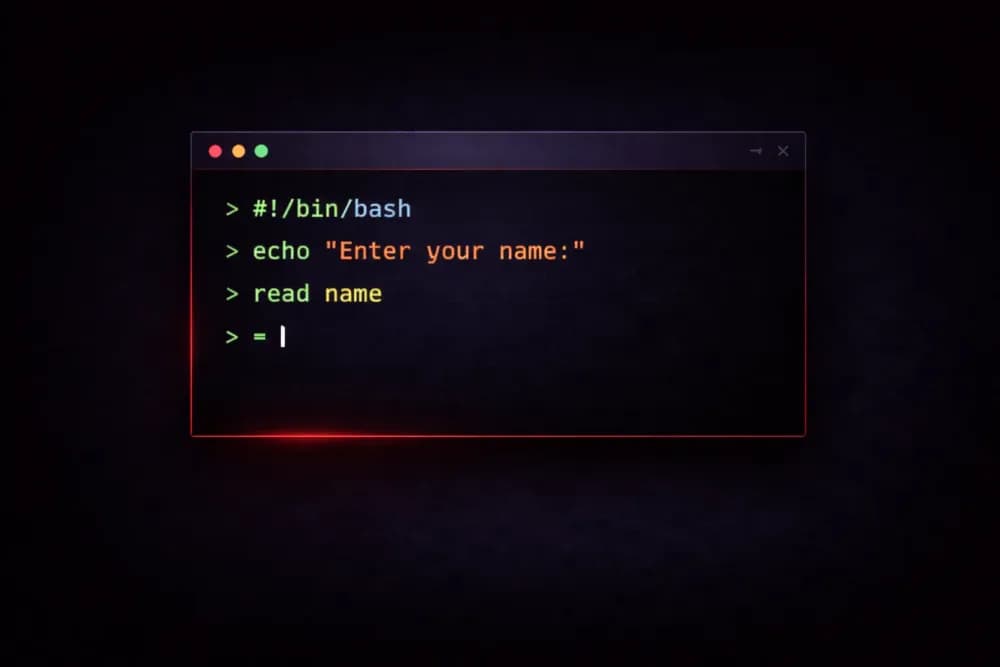
Mitchell Hashimoto published OSC 7501, the "Program Status Protocol": any program can report via a terminal escape sequence whether it is idle, working, blocked, or done — and why. The motivation: people running N coding agents today can only "read the screen and guess." He wants to turn guessing into knowing. Ghostty already implements it, with a dozen-line PoC for Claude Code and Codex.

Google launched EmbeddingGemma 2 on October 6: 740M parameters, Apache 2.0 open license, natively unifying text, code, images, video and audio into one embedding space; MTEB Code jumps from 68.76 to 78.68; the full multimodal build runs on-device at ~567MB quantized. RAG is a must-have layer in every vibe project — this free local retrieval foundation deserves a serious look.
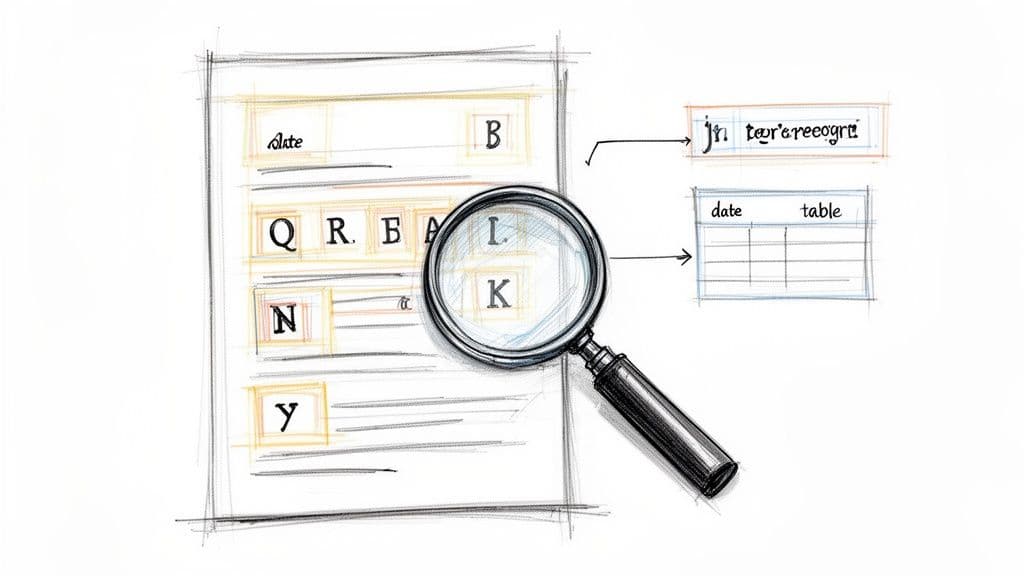
On October 7, LlamaIndex launched OpenDocRouter: one POST /v1/parse endpoint backed by 10 document-parsing models — five frontier closed-source models plus five open-source ones, switchable at will. Its companion ParseBench shows Claude Opus 5.5 scoring 84.20 at $48.82 per thousand pages, while GPT-6 Luna scores 71.34 at just $0.80 — a 60x price gap for a 14-point difference. Document parsing finally has a public, transparent quality-vs-cost menu.