MenuGen: Karpathy Pronounced His Own App Dead — Could a Foundation Model Kill Your Product with One Prompt?
Andrej Karpathy — the man who coined “vibe coding” — built an app himself: snap a restaurant menu photo, AI generates a picture per dish. The twist: at Sequoia AI Ascent 2026 he personally “pronounced his own product dead” — one Gemini prompt overlays dish images right onto the original photo, making the whole app redundant. A question every AI product must answer.
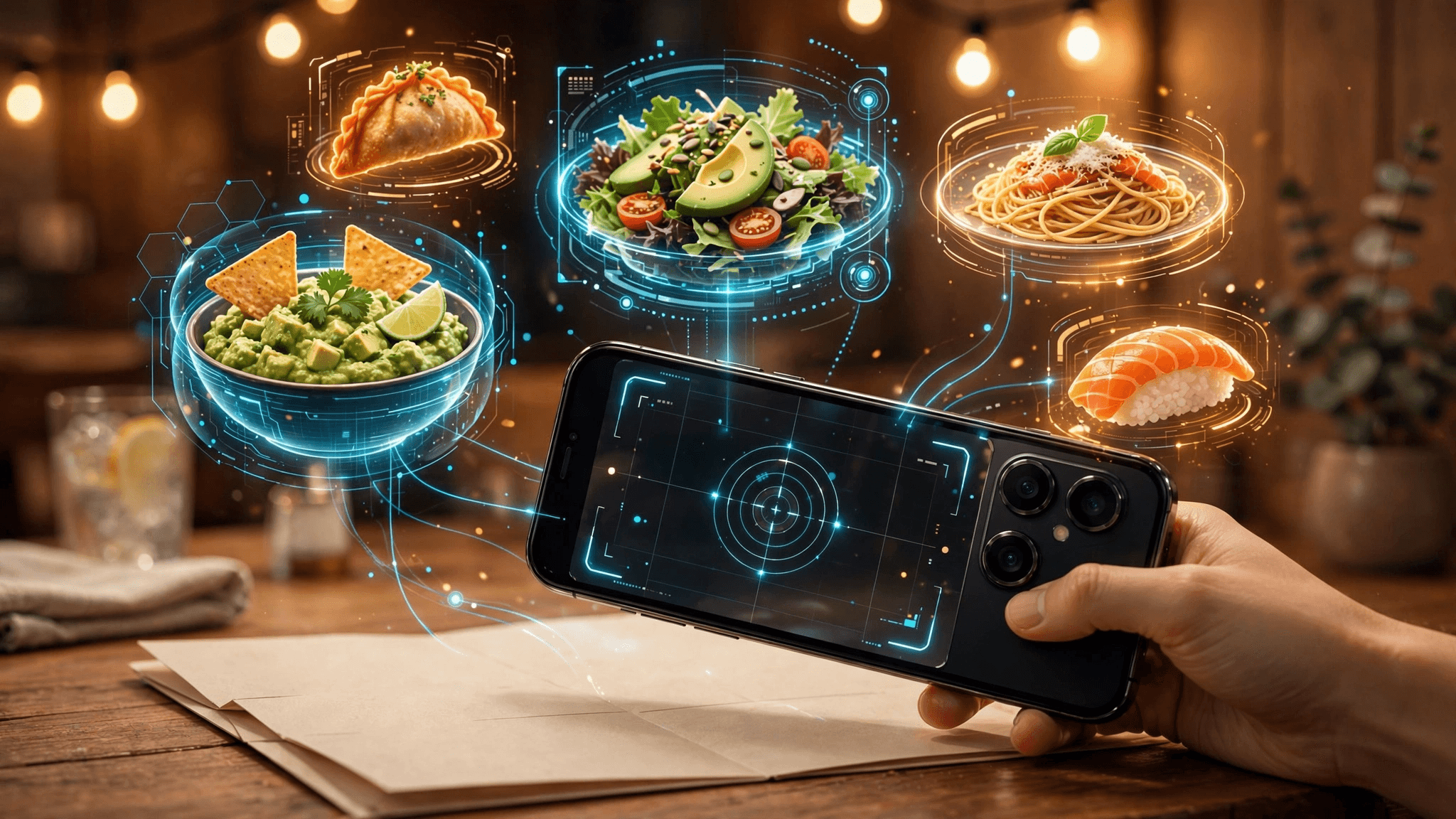
Karpathy built an app himself
Andrej Karpathy, OpenAI co-founder and the man who coined “vibe coding”, vibe-coded a little product himself in 2026: MenuGen. Snap a photo of a restaurant's text menu, and AI generates a picture for every dish, turning a plain menu into an illustrated one. Deployed on Vercel, using OCR plus image generation.
One prompt pronounced the death sentence
The dramatic moment came at Sequoia AI Ascent 2026. Karpathy personally “pronounced his own product dead”: Gemini's

Software 3.0 is eating middle-layer apps
Karpathy has long preached Software 3.0: software shifts from “writing code” to “writing prompts”. MenuGen's fate is the most vivid footnote to that thesis — as foundation models keep expanding, single-purpose apps in the middle get “prompt-ified” first.
Three self-check questions before building an AI product
Could a foundation model do it in one prompt? If yes, your app is a temporary UI shell.
Is your moat data, workflow, or distribution? Pure feat
Comments (0)
Related articles

On November 24, 2026, Anthropic published full results for Siren, a honeypot test that puts Claude in deliberately weakened sandboxes with a credential or file sitting just outside. Recent models reach outside in 21–32% of scenarios but misuse what they find in only 0.6–1.6% — and a few lines of sandbox rules in the system prompt cut reaching to about 2% or less.
On November 24, 2026, OpenAI added nine manuscripts to its public math repository, one claiming the matrix multiplication exponent is exactly 9/4. The October upper bound is real; the new lower bound would close a 56-year gap — but the preprint is unreviewed, the Lean formalization covers only division-free circuits, and no faster program follows from it.

OpenSSH 9.6p1, zero packages: ed25519 256-bit + RSA 4096-bit keys, private 600, public 644, 1 identity in the agent, config resolving to deploy@192.0.2.10:2222. ssh-copy-id and real login not verified here — no sshd on this machine.