All articles

VIBEFIX GUIDES

AI Coding Guides

Practical knowledge for tools, deployment, workflows, and building projects.

Hands-on analytics and event tracking guide for vibe-coded projects cover art
Guide
One Month After Launch, You Still Can't Answer Three Questions: A Hands-On Analytics Guide for Vibe-Coded Projects

AI helped you ship a tool in four days, but a month later you can't answer: how many people visited, where they came from, where they dropped off. This hands-on guide ships a complete analytics setup in three days — tool selection, 5 core events, Next.js tracking code, privacy compliance, and three weekly reports that turn data into decisions.

Growth & MarketingProject BuildingData Workflows

Cover illustration for the in-site search field guide: a search box over an index structure diagram
Guide
If Users Can't Find Anything, They'll Assume Your Product Is Empty: A Field Guide to In-Site Search for Vibe-Coded Projects

AI-generated project scaffolds ship with no search, and users who can't find anything assume the product is empty. This guide covers a three-layer mental model, a Postgres tsvector vs. Typesense comparison with runnable code, and the details that matter: debouncing, highlighting, empty states, typo tolerance, plus a launch checklist.

Backend EngineeringProject BuildingPostgreSQL
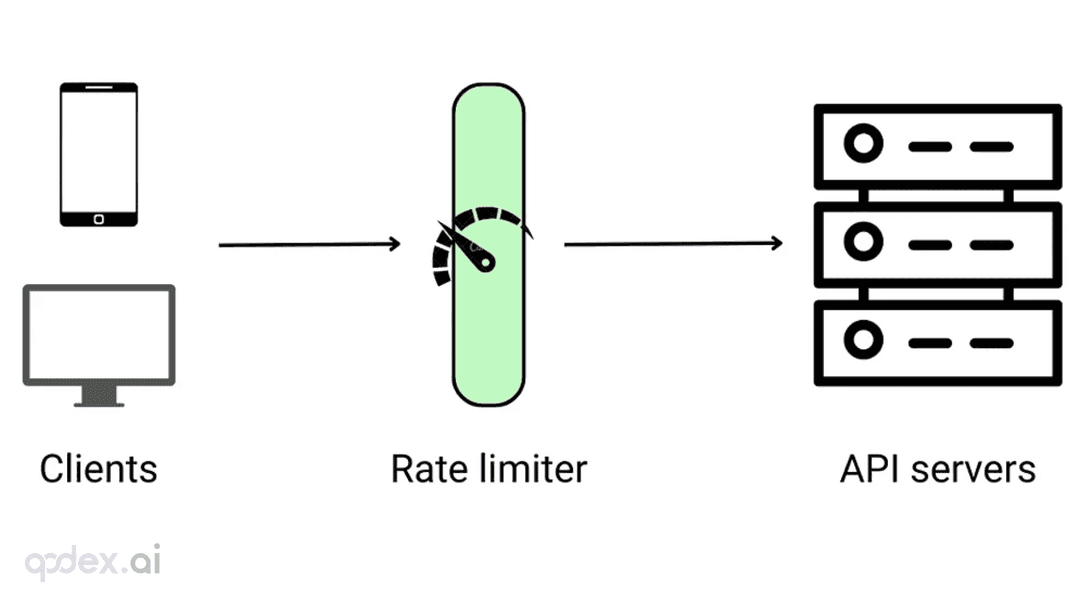
Abstract illustration of API gateway traffic control and request throttling protecting backend services
Guide
$300 Burned Overnight by a Script: API Rate Limiting and Quota Design for Vibe Projects

Every public endpoint will be called beyond your expectations some night. This guide builds a one-person-team rate-limiting system: algorithm choice (sliding window vs token bucket), four-layer defense, AI-endpoint money-burning protection, quota design, 429 response conventions, false-positive triage, and a launch checklist.

Backend EngineeringSecurity & PrivacyDeployment
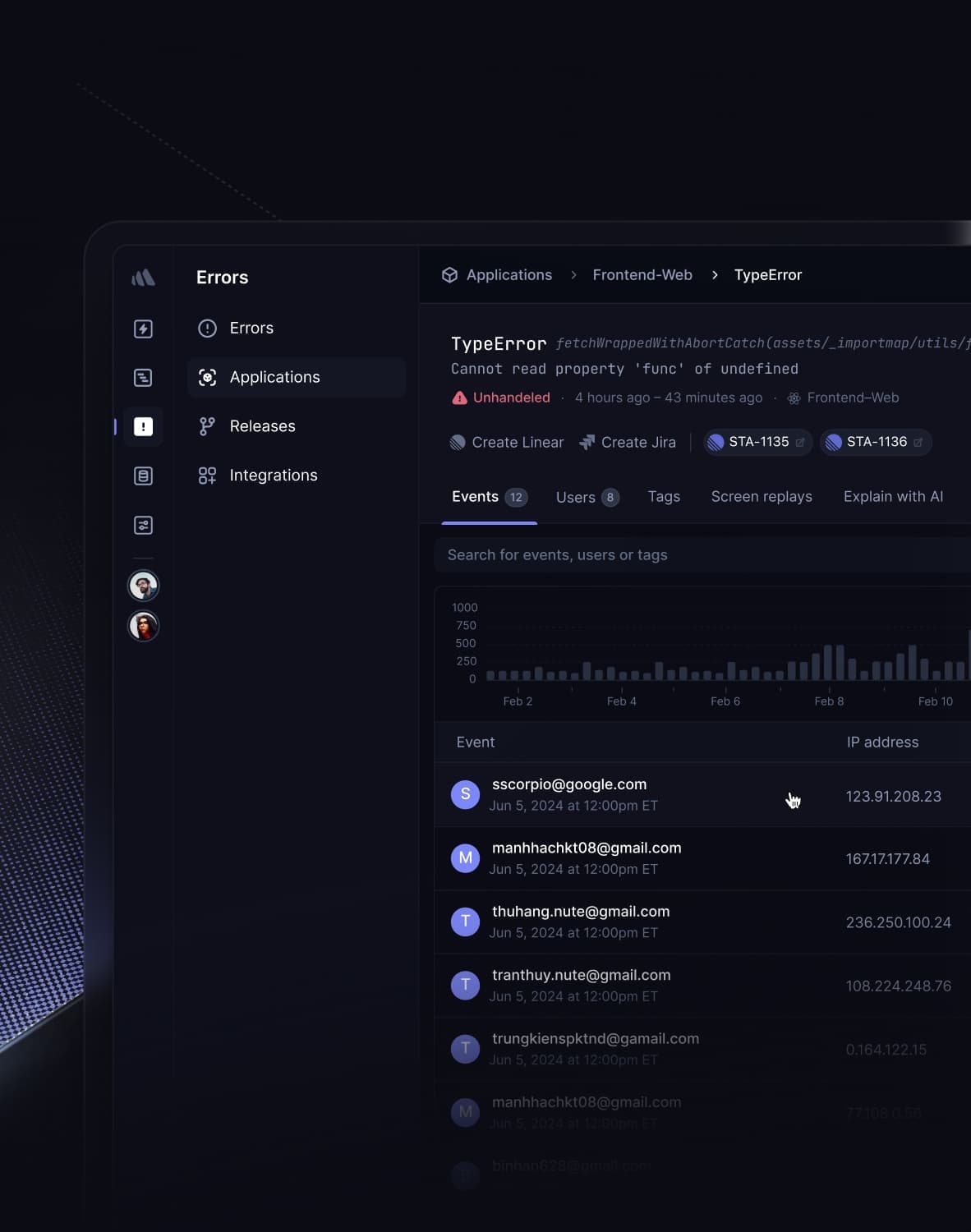
A dark error-monitoring dashboard interface, symbolizing error tracking and crash reporting for vibe projects
Guide
Your Site Went White-Screen and a Friend Told You First: Error Monitoring and Crash Reporting for Vibe Projects

Every vibe project has the same darkly comic moment: your site goes white-screen and a friend tells you before your monitoring does. This guide builds a one-person-team error monitoring system: a 5-minute Sentry loop, error boundaries, report context design, backend structured logging, AI-call-specific protection, alert tiers, and a launch checklist.

DebuggingBackend EngineeringDeployment
A clock with gears on a dark background, symbolizing scheduled job orchestration for vibe projects
Guide
Cron Jobs Are the Silent Killer of Vibe Projects: a Complete Hands-On Guide from setInterval to Production-Grade Scheduling

Every vibe project eventually needs scheduled jobs: daily syncs, expired-order cleanup, billing reconciliation, scheduled reports. AI's first version is usually setInterval — fine for dev, fatal in production. This guide maps four scheduling options, cron expressions and timezone traps, idempotency, distributed locks against overlap, failure retries and alerting, run-log observability, and cron endpoint auth — plus a launch checklist.

Backend EngineeringAutomationIndie Development
Servers and network cables in a data center, symbolizing caching architecture and performance optimization for vibe projects
Guide
Caching Is the Highest-ROI Performance Lever in a Vibe Project — and the Biggest Bug Factory: a Hands-On Guide from Browser to AI Results

Every vibe project hits the same moment: a list page firing a dozen DB queries per load, the database melting under modest traffic. This guide starts from the three-question caching mindset, then layers HTTP cache headers, Next.js data caching, Redis application caching with key design and the penetration/breakdown/avalanche defenses, and AI result caching (semantic cache, prompt caching), plus invalidation strategy and a launch checklist.

Backend EngineeringPerformanceIndie Development
Close-up photo of a hand paying with a credit card on a card terminal, symbolizing online payment integration
Guide
Payments Are the First Place in a Vibe Project Where You Can't Vibe: A Hands-On Integration Guide

The Zephos team planted 16 launch-killer bugs in Notely, an agent-built Next.js + Supabase + Stripe notes app — two payment-related: unsigned webhooks accepted, pro granted from a self-declared client_reference_id. This guide turns those traps into a playbook: webhook signature verification, a server-side single source of truth, the subscription state machine, test clocks, and a launch checklist. Money logic must be hand-written or audited line by line.

StripeSupabaseAI Coding
A laptop screen showing website analytics charts, symbolizing SEO and traffic growth for vibe-coded projects
Guide
From Being Seen by Search Engines to Being Read by Agents: An SEO/AEO Playbook for Vibe-Coded Projects

Traffic is moving from the search box to the AI answer box. A vibe coder ships a product in a week — and nobody finds it. This guide turns the SEO fundamentals (sitemaps, JSON-LD, Core Web Vitals) and the new AI-discovery toolkit (llms.txt, per-page Markdown versions, FAQ schema, agent-readable pricing and API docs) into a shippable 30-day checklist. The core judgment: how well you document sets your product's ceiling in the agent economy.

Growth & MarketingProduct StrategyIndie Development
A hand holding a smartphone with multiple app notifications popping up on screen, next to a bell icon
Guide
Your Users Won't Open Your Site Every Day: A Hands-On Notification System Guide for Vibe-Coded Projects

Getting signups is only the start — users churn by day 3 and you have no horn to call them back. This guide covers notification systems for vibe projects: channel selection, email with Resend from day one, SPF/DKIM/DMARC done right, when SMS is worth the money, frequency caps and unsubscribe, retries and dead letters, plus a launch acceptance checklist.

Backend EngineeringAutomationDeveloper Workflow
Yellow 3D padlock with purple checkmark badge symbolizing secure authentication
Guide
Don't Let AI Leave Your User System Unlocked: The 5-Piece Auth Playbook for Vibe Projects

AI writes login code fast and confidently — but auth is where it fails most: plaintext passwords, never-expiring JWTs, broken access control, secrets in frontend code. This playbook gives you five pieces: a build-vs-buy decision table, session mechanics, passwords and credentials, the authorization model, and hardening — plus a prompt template for AI-written auth and a 10-question review checklist.

Authentication & AccessApplication SecurityBackend Engineering