All articles

VIBEFIX GUIDES

AI Coding Guides

Practical knowledge for tools, deployment, workflows, and building projects.

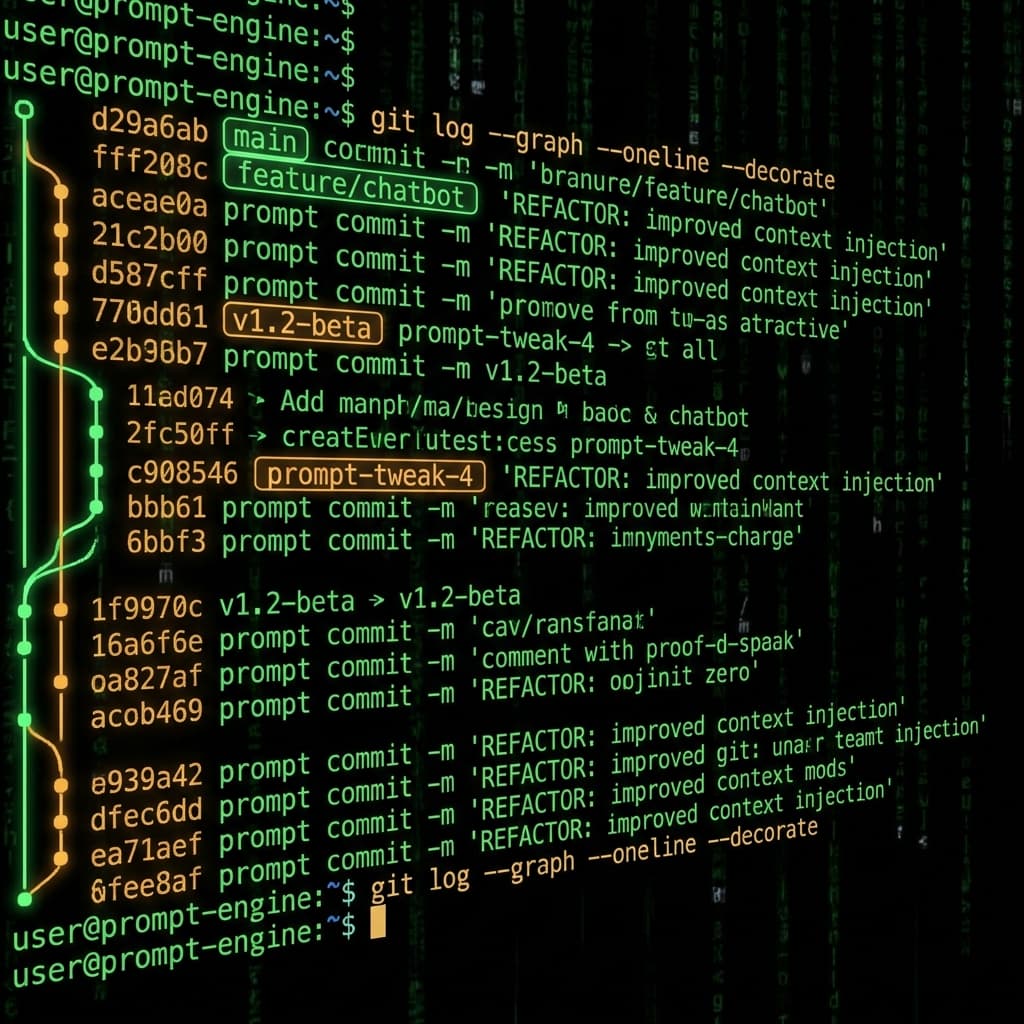
PromptGit concept art visualizing prompt version control
Guide
Treat Prompts Like Code: Prompt Version Control for Vibe Projects

Prompts in vibe projects live in code strings, admin text boxes, and docs — changed live, version unknown when things break. This guide shows how to treat prompts like code: a prompts/ layout, YAML frontmatter, semantic versioning, PR reviews, canary rollouts with one-click rollback, plus an evals baseline — and a real war story: one added sentence cost 12 points of classification accuracy.

AI CodingDeveloper WorkflowTool Tips

Pull request workflow illustration: a developer submits code while code windows pass check marks toward merge
Guide
After the AI Writes the Code: A Practical Code Review Workflow for Vibe Projects

The faster AI writes code, the more review matters. Four layers: diffs for logic (boundaries, errors, concurrency — plus auth, payments, SQL, encryption, secrets), runtime for behavior (type checks, lint, security scans go green first), AI for first-pass screening (a second model reviews, humans read only flagged parts), humans for the final call (AI never clicks merge). Includes commit norms, PR template, branch protection, rollback plans.

AI CodingDeveloper WorkflowTesting & Quality
Illustration of a developer checking website search rankings and indexing data
Guide
Make Search Engines Find You: SEO in Practice for AI-Built Sites

Your site is live but Google can't find it? A hands-on SEO playbook for vibe-coding indie hackers: how to pick a rendering strategy, a technical checklist item by item, content without the farm, and a 30-day action plan to execute. Be worth indexing first.

Growth & MarketingFrontend EngineeringAI Coding
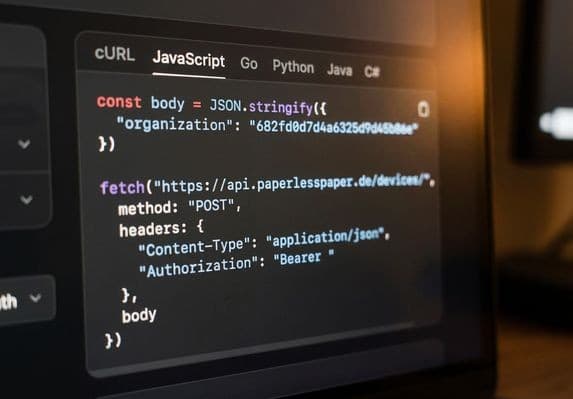
JavaScript fetch POST request code on an API documentation interface
Guide
Let the Outside World Knock: Webhook Integration in Practice for Vibe Projects

A user just paid — how does your system know? Code was pushed to GitHub — how does deployment trigger itself? The answer is webhooks: APIs called in reverse. This guide breaks webhook integration into five pieces — receiver design, signature verification, idempotency, retries and dead letters, local debugging — walks you through complete Stripe and GitHub flows, and flags the three traps AI loves to fall into.

API IntegrationAutomationBackend Engineering
A hand holding a phone browsing a webpage, next to an enlarged touch-target illustration
Guide
Half Your Traffic Is on Phones: The Mobile Experience Checklist for Vibe Projects

Agents make your site gorgeous on a 27-inch monitor — then users open it on phones: buttons too small to tap, forms that break when the keyboard appears, layouts blown out by horizontal scroll. Mobile isn't a shrunken desktop; it's a different interaction language. This checklist covers touch targets, viewport and zoom, form keyboards, performance budgets, PWA installability, and the mobile-first acceptance phrases that get agents to ship it right.

Design ExperienceMobile AppsPerformance
Packages queued on a conveyor belt waiting to be processed, symbolizing a background job queue
Guide
Stop Making Users Wait for You: Background Jobs & Queues for Vibe Projects

AI-written code has a default bias: cramming all logic into a single HTTP request. Sending emails, calling big models, bulk imports — users stare at a spinner for 30 seconds, then hit a 500 timeout. This guide covers when vibe projects must push work to the background, how to pick a queue (Inngest / Trigger.dev / BullMQ / pg-boss), idempotency and retries, and a task template for getting agents to wire it up right.

Backend EngineeringAutomationAI Coding
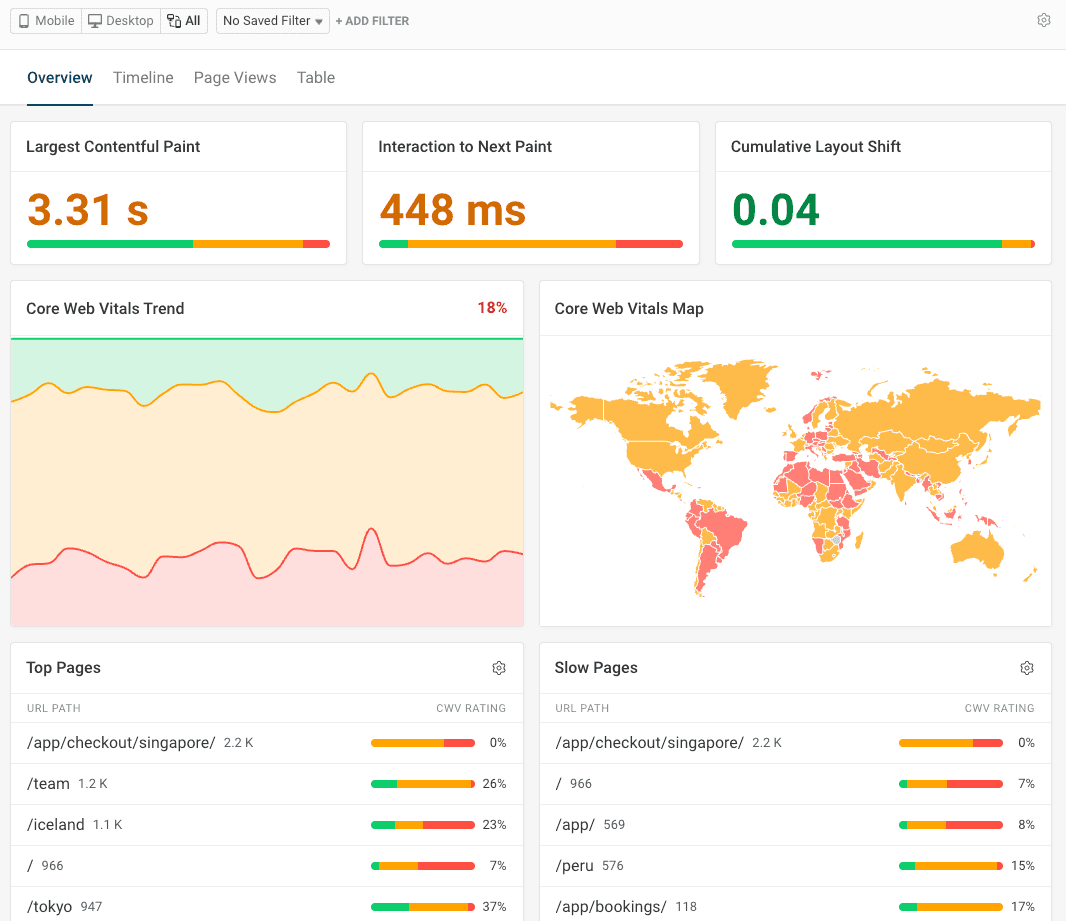
A speedometer needle surging upward, symbolizing website performance optimization
Guide
From Works to Fast: Performance Optimization in Practice for Vibe Projects

AI-generated code runs — but it's usually slow: bloated bundles, N+1 queries, raw uncompressed images, zero caching. This is a hands-on performance manual written for vibe coders: from Web Vitals baselines, image and bundle slimming, to data-layer fixes, LLM streaming for perceived performance, and a launch checklist that belongs in CI. Take your project from 'it loads' to 'it flies.'

PerformanceFrontend EngineeringDeployment
Developer writing code at a dual-monitor workstation with a code editor on screen
Guide
MCP or Custom Scripts? A Decision Framework for Giving Agents External Capabilities

MCP servers, custom scripts, and direct HTTP calls each come with their own bill. A three-step decision tree picks your direction in 30 seconds, five real-world scenarios show what to use and how to write it, plus a six-item pre-build acceptance checklist. The default answer is always: write the script first.

AI CodingDeveloper WorkflowTool Comparison
A code editor and red errors late at night: a vibe coding debug session sliding into an endless trial-and-error loop
Guide
Vibe Coding Is Turning Into Doomcoding: 3 Signals to Spot the Death Loop, 5 Steps to Escape

It's 1 a.m. You've pasted the same error to the agent six times; each time it says fixed, each time it isn't. That's doomcoding: the doom-scrolling habit applied to AI coding. This guide explains the concept, three signals to spot the loop, what four studies say about it, and a five-step escape — the agent does the typing, you do the reading; get the order right and you keep both speed and safety.

AI CodingDeveloper WorkflowDebugging
A developer typing at a keyboard in front of a monitor showing a code editor
Guide
Don't Write Code Yet — Write the README First

Throw a one-line prompt at an AI coder, come back two hours later to 40 files and a login page you never asked for? The problem isn't the AI — it's that you never defined what "done" looks like. This guide teaches README-driven development: write an agent-friendly README before coding — positioning, quickstart, architecture map, env vars, non-goals — then let the AI build. With a four-step workflow, three anti-patterns, and a pre-flight checklist.

AI CodingDeveloper WorkflowProject Building
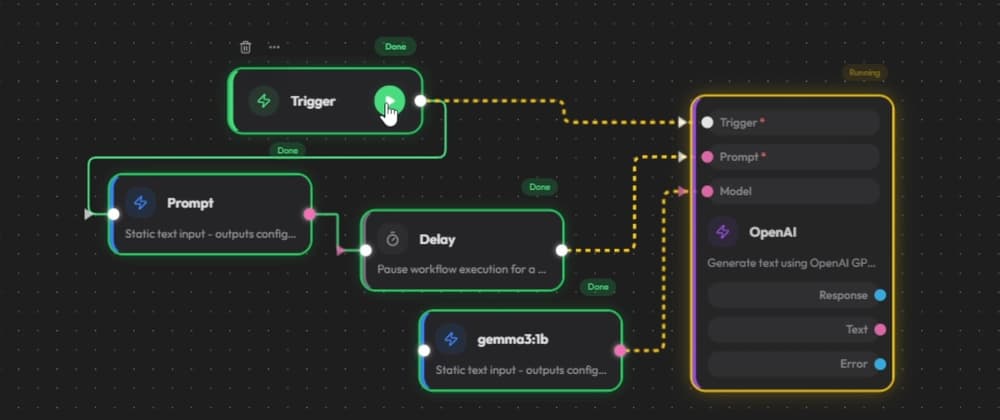
Dark workflow canvas: an automation flow of Trigger, Prompt, and AI model nodes
Guide
Write Repeat Processes as Code: Agent Workflow Codification in Practice

The third time you run the same multi-step process, stop copy-pasting prompts. This guide covers the upgrade signal for workflow-as-code, four design building blocks (sequence/parallelism, structured handoffs, cross-verification, human checkpoints), a worked "release check" example — code owns the process, agents own the judgment — plus three anti-patterns.

AI AgentDeveloper WorkflowAI Coding