Write Repeat Processes as Code: Agent Workflow Codification in Practice
The third time you run the same multi-step process, stop copy-pasting prompts. This guide covers the upgrade signal for workflow-as-code, four design building blocks (sequence/parallelism, structured handoffs, cross-verification, human checkpoints), a worked "release check" example — code owns the process, agents own the judgment — plus three anti-patterns.
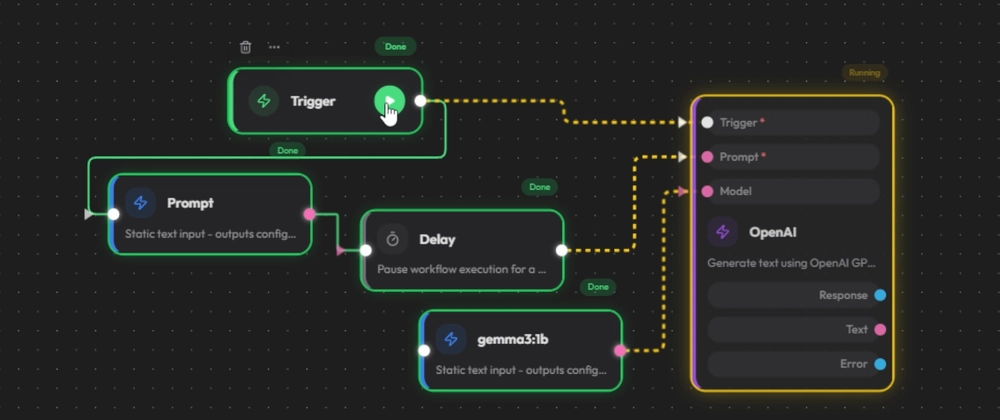
From "prompt collection" to "process code"
Every vibe coder has a few well-worn prompts in their collection: the pre-release checklist you make the agent run, the analysis routine before every refactor, the weekly dependency health scan. They work — but with a fatal flaw: every execution is an improvisation. The same checklist runs 5 steps today, 7 tomorrow, and skips the most critical one the day after.
GitHub's just-released Copilot Dynamic Workflows (which we covered yesterday) pushed this into the spotlight: processes can be written as code. Don't mistake this for one product's feature, though — it's an engineering paradigm: pull the "how" out of the prompt and into version-controlled, reviewable, testable programs. This guide covers when to upgrade, how to design, and which traps to avoid.
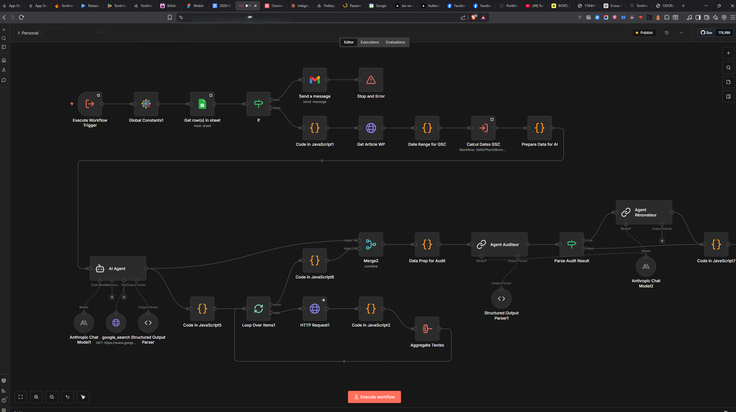
The upgrade signal: the third time you run the same process
The rule is simple: the third time you manually trigger the same multi-step process, consider writing it as code. The first time is exploration, the second is validation; if you're still copy-pasting prompts on the third, you're repeating labor in the most expensive way possible — your attention plus tokens.
Typical candidates: pre-release checks (run tests → scan dependencies → check migrations → draft changelog → pause for human confirmation); the new-feature trio (research → plan → implement → self-test); PR pre-screening (review changed files in parallel → run related tests → summarize risks); periodic patrols (weekly sweeps for slow queries, stale dependencies, security advisories).
Conversely, don't rush to codify: processes you've run only once (you don't yet know what the right steps look like); tasks that depend heavily on in-the-moment judgment (open-ended "does this code look off" questions); and processes that change faster than they execute — the code costs more than it ever pays back.
Design patterns: four building blocks
A good agent workflow, whatever tool implements it, combines four building blocks:
1. Sequence and parallelism. Dependent steps run in sequence (research before planning); independent ones run in parallel (review 5 changed files at once, query 3 systems' logs simultaneously). Parallelism isn't showing off — it compresses wall-clock time, the most directly felt cost of waiting on agents.
2. Structured handoffs. Stages pass structured data, not prose paragraphs: the research stage outputs JSON (risk list, affected-file inventory), and the implementation stage works from that JSON. Natural language drifts between stages; structured data doesn't. This is the core advantage of workflow-as-code over "one long prompt."
3. Cross-verification. Have a second agent (or a different model) verify the first one's conclusions. GitHub's example is elegant: find unresolved comments on merged PRs, have two models independently judge whether they still matter, and report only when both agree. It doubles the cost, but the false-positive drop is usually worth it — especially for "should we bother a human" decisions.
4. Human checkpoints. Pause before irreversible operations: before releasing, before deleting data, before merging to main. The art of checkpoints is placement — too dense and humans become the bottleneck; too sparse and they're theater. Rule of thumb: gate only where mistakes hurt, let everything else through.
Writing your first workflow: the release checklist
Take the most common case — "pre-release checks." A minimal viable version looks like this:
Step one (parallel): agent A runs the full test suite and summarizes failures; agent B scans dependency updates and security advisories; agent C checks for unapplied database migrations. Three lanes in parallel, results merged in structured form.
Step two (branching): code branches on the merged results — all green, generate release-note drafts; failures found, classify them (test failures / dependency risks / missing migrations) and pause.
Step three (checkpoint): pause and push the classified issue list to you. You glance, click "continue" or "send back for fixes."
Step four (wrap-up): on continue — tag, generate changelog, notify; on send-back — feed the issue list to a fixing agent, then loop back to step one.
Note the division of labor: code owns the process, agents own the judgment. Branching, parallelism, and pausing are code's job; "how serious is this test failure" is the agent's job. Get the division wrong (e.g., letting the agent decide "whether to parallelize") and you're back to improvisation.
Three anti-patterns
Anti-pattern 1: hard-coding judgment too. Be wary of workflow rules like "reject the release if coverage drops below 80%" — thresholds expire. Better: let the agent assess "is this coverage drop acceptable," and let code only route the assessment to the checkpoint.
Anti-pattern 2: workflows that are too long. Past ~7 steps, maintenance cost grows exponentially. Split into two small ones — one for "checking," one for "releasing" — connected by a human checkpoint. Small workflows joined by human gates beat one giant workflow for robustness.
Anti-pattern 3: no escape hatch. Every workflow needs a manual-takeover entry: if the agent gets stuck on a step, a human can execute that step directly and let the flow continue. Automation without an escape hatch becomes a production incident at the first anomaly.
The one-line summary
A prompt says "here's how I'd like you to do it"; a workflow says "this is how it must be done." When your vibe project moves from "it works" to "it ships reliably," writing repeat processes as code is the step from workshop to assembly line. Start with that checklist you've used three times — tonight.
Related articles
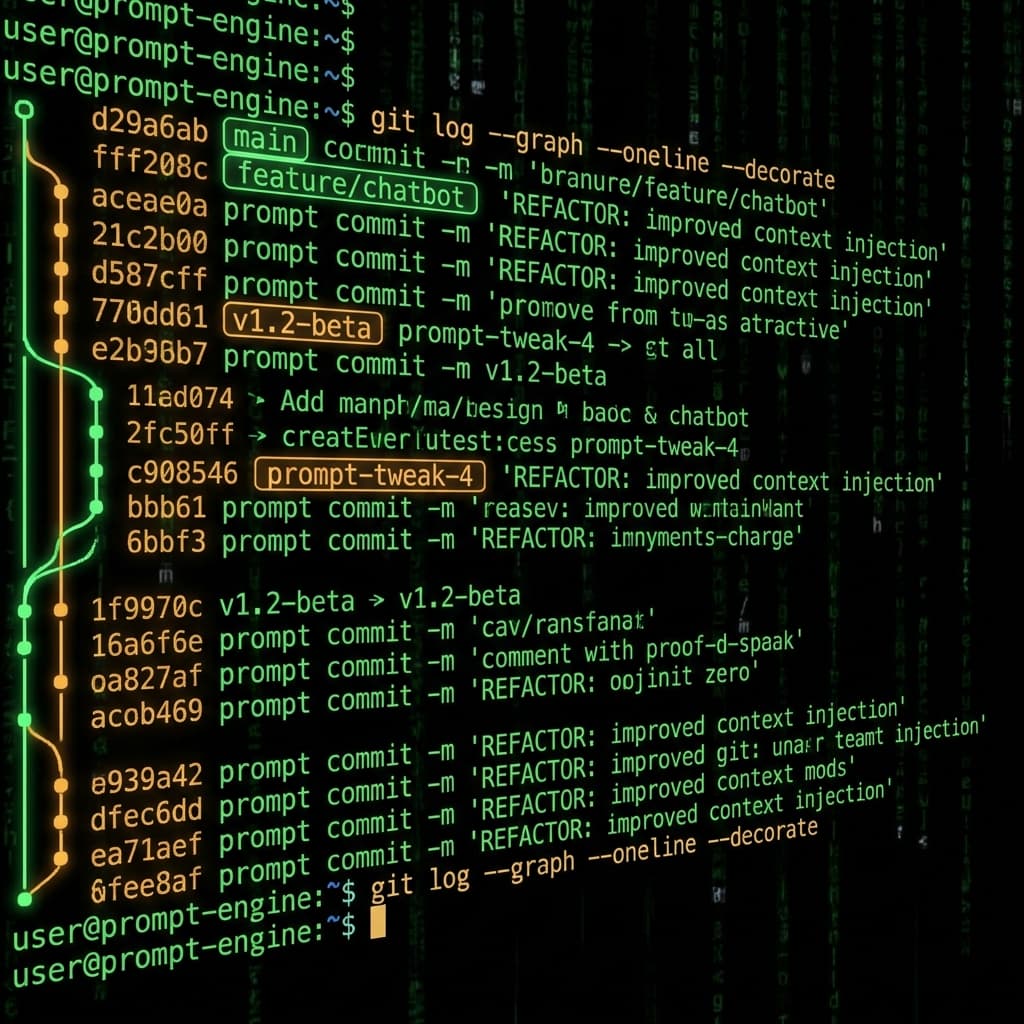
Prompts in vibe projects live in code strings, admin text boxes, and docs — changed live, version unknown when things break. This guide shows how to treat prompts like code: a prompts/ layout, YAML frontmatter, semantic versioning, PR reviews, canary rollouts with one-click rollback, plus an evals baseline — and a real war story: one added sentence cost 12 points of classification accuracy.

On October 7, OutSystems announced Agent Experience is generally available: its low-code platform is now open to any AI coding agent — Claude Code, Cursor, Codex, Kiro — with agents working at the design level, the platform generating code deterministically, and governance built in. This is the "vibe coding goes enterprise" playbook: taming shadow AI with a compliant path. But the 74% rework figure is vendor-survey data — discount it. The real bill is the hidden cost of platform lock-in.

The Zephos team planted 16 launch-killer bugs in Notely, an agent-built Next.js + Supabase + Stripe notes app — two payment-related: unsigned webhooks accepted, pro granted from a self-declared client_reference_id. This guide turns those traps into a playbook: webhook signature verification, a server-side single source of truth, the subscription state machine, test clocks, and a launch checklist. Money logic must be hand-written or audited line by line.