Meta Deleted Its 'Train AI on News Sites' Clause After 48 Hours: What Indie Site Owners Should Actually Watch
On Oct 15 Nieman Lab revealed Meta's new commercial terms quietly authorized AI training on scraped business-account websites; three legal experts warned it was a free pass to train on news content. Meta deleted the language on Oct 17 — but the crawling rights remain and take effect Oct 30. Here's what indie site owners should actually watch.
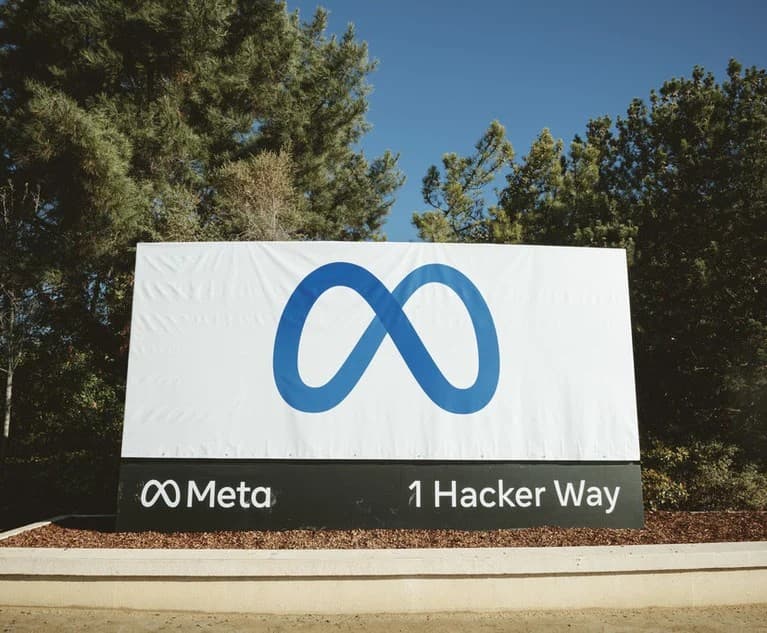
On October 17, Meta deleted the most explosive sentence from its new commercial terms. Only 48 hours had passed between its discovery and its deletion.
Two days earlier, on October 15, Nieman Lab published a report: Meta was updating its Commercial Terms of Use, effective October 30, with language saying the company could use web crawlers to scrape content from any website "associated with" a business account, and use that content to "provide, develop, improve, research, train, and maintain" Meta's products — while Meta's terms elsewhere define "AI at Meta" as one of its products. Three legal experts who reviewed the text said that, read literally, it amounted to Meta granting itself a license to take the entire content of news websites to train AI — without paying a cent in licensing fees.
On October 17, The Verge reported that Meta had removed the language. A Meta spokesperson said the terms "only applied to our ads and business products" and "do not change how Meta uses web crawlers." A 48-hour media firestorm appeared to blow over.
But if you're an indie site owner, the most important part of this story isn't the sentence that got deleted — it's the ones that stayed.
What the terms actually said
First, the facts. In early October, Meta pushed the updated commercial terms to users via its blog and Meta Business Suite, with an effective date of October 30. The contested passage had two layers.
The first was crawling authorization: Meta could use "automated software (such as web scrapers, bots, robots, spiders, crawlers, and user agents)" and "create test credentials" to access, index, cache, analyze, collect, retrieve, or crawl domains, web pages, or URLs "associated with" a business's products or services, and periodically pull updates.
The second was the use authorization — the detonator. As quoted by Nieman Lab:
"Meta may use any content from such domains, web pages, or URLs to provide, develop, improve, research, train, and maintain the integrity of, the Meta Company Products, services, and features…"
That word "train" in the list was the spark. Meta's terms define "AI at Meta" as a company product elsewhere, and reading the two together, the legal experts concluded: this is permission for Meta to train AI models on whatever it scrapes.
The scope is broader than you'd think. A "business account" isn't just big advertisers — any account that manages Facebook Pages and groups, runs ads, pushes marketing messages, or uses the business dashboard is covered. Nieman Lab wrote that virtually every news organization has at least one Meta business account, including Nieman Lab itself. More importantly, there was no opt-out. The terms put it bluntly: "If you do not agree to the updated terms, please stop all access or use of our Products for business or commercial purposes." Keep using the products after October 30, and you've agreed.
Why publishers erupted
Nieman Lab asked three legal experts to review the terms, and their language was unsparing. Matt Topic, a media and intellectual property attorney at Loevy & Loevy, said: "This is a remarkable provision to bury in [the] terms of service, given that this would give Meta access to material that would likely cost many millions of dollars in a licensing market." He added: "It's not clear whether a court would enforce this, but publishers should assume that it would be enforceable."
James Grimmelmann, a professor of digital and information law at Cornell Law School, was even more direct: "For news publishers, this clearly represents permission to Meta to train AI on any content from their sites and possibly to deploy some of that content, even in competition with the publishers themselves."
Benjamin Sobel, a law professor at the University of Wisconsin, flagged the antitrust dimension: tying "use of business tools" to sweeping scraping permissions echoes the antitrust concept of "tying" — much like Google requiring publishers to accept AI Overviews in order to appear in traditional search results.
One detail stung in particular: shortly before the terms update, Meta launched Meta One, a paid subscription limiting how many external links some accounts can post without subscribing. As Nieman Lab put it sharply: Meta was starting to charge for "posting links to this content" while writing itself the right to crawl that same content for free.
Industry groups reacted fast. The News/Media Alliance, which represents publishers, called the original terms "outrageous"; Theo Bamber, chief executive of the UK's News Media Association, said: "This shameless landgrab attempt from Meta to scrape anything and everything from news publisher and business websites to train their AI products is the worst kind of arrogant tech platform bullying."
Perhaps the most telling voice was the tipster's. Nieman Lab learned of the change from a reader: Stephen Beale, founder and editor of The Steampunk Explorer, spotted the update notice in his own Business Suite. He said Meta was now claiming that "as long as you have a presence with us, we have the right to go take things from all your turf." His readers skew older and are "totally entrenched on Facebook," yet he was seriously considering shutting down his accounts before October 30: "I know my site has been scraped to death."
Meta's response: deny, then delete
On October 16, Meta's vice president of communications Andy Stone denied it on X: "This is false. There's no change to how Meta uses web crawlers." He said the update was about "pulling accurate information about products for sale on third-party websites when making on-platform ad and content recommendations" — "not about scraping news sites."
A day later, The Verge's Terrence O'Brien reported that Meta had removed the contested language. Spokesperson Daniel Roberts said: "We've heard you and want to clarify: the crawling terms we consolidated only applied to our ads and business products, and we've clarified that in the terms themselves… It does not change how Meta uses web crawlers." He added: "This is not about scraping news sites, and these updates don't give us new rights that supersede those preferences."
Side by side, the revised terms show: "train" is gone, and the uses are now tied to "advertising and business products." But two things didn't change: the authorization to crawl associated domains with scrapers and "test credentials" remains, and the October 30 effective date stands. That same day, Nieman Lab published a follow-up: "Legal experts warn Meta's new terms still grant broad scraping permissions, despite language changes" — letting scraped content be used for all "advertising and business products" is itself a substantial expansion of permissions, and where the boundary of "business products" lies is still Meta's call.

robots.txt: the only half-working defense, and its limits
Throughout the controversy, Meta kept brandishing one shield: robots.txt. Its spokesperson told Nieman Lab that content owners "can still manage how their content is accessed by using robots.txt," and its developer docs explain how to block its crawlers. But the experts' rebuttal deserves every site owner's attention: contractual terms could be used to argue they supersede robots.txt. robots.txt is essentially a gentlemen's agreement — in the US, violating it is not in itself directly illegal. When a commercial contract you clicked "agree" on says "you allow us to crawl" in black and white, while your robots.txt says "don't," which document wins in court? The experts' answer: don't count on robots.txt winning.
Then there's the devilish detail of "test credentials." Grimmelmann noted that the language would technically let Meta "sign up as a fake user" to get past a site's registration walls. Meta declined to say whether test credentials could bypass paywalls — and the refusal to answer is itself an answer.
For indie developers, the reality is this: write your robots.txt anyway — it's the formal channel for expressing your preference, and evidence that you "explicitly refused" if it ever comes to court. But don't treat it as a firewall. For anything truly sensitive, technical measures beyond the login wall (like Cloudflare's AI crawler blocking) are more solid than a robots.txt file.
Three things indie site owners should do
What does this have to do with vibe coding readers? Directly this: your website's content is training data. Your tutorials, your open-source docs, your blog's war stories — they used to be scraped quietly; this time it nearly became "scraped with contractual authorization." The clause was later deleted, but what happened in those 48 hours revealed how platforms really think about acquiring data.
First, check Business Suite: which domains are actually tied to your Facebook Page, Instagram business account, or WhatsApp channel? Many indie developers opened a business account years ago to run ads and forgot it exists — yet the terms' reach starts exactly from those accounts.
Second, check your robots.txt. Meta's developer docs explain how to block its crawlers. Writing robots.txt isn't about stopping Meta — it's about being able to prove, one day, that you explicitly refused.
Third, add "terms diffing" to your information diet. Platforms are shifting how they acquire data from "crawler technology" to "terms text" — the latter is stealthier and harder to notice. This time it only surfaced because a Nieman Lab reader happened to see the notice in Business Suite. If your business depends on a platform, subscribe to its terms-update notices, or at least review the diff quarterly. Data sovereignty can't rely on a platform's goodwill; it relies on you reading one more page.
The game isn't over: two routes, two futures
Zoom out, and those 48 hours are one slice of the long publisher-versus-platform game — with two sharply divergent routes on display. One is Google's route: pay. That same week, Google's News AI pilot expanded to 400+ publishers — pay for content, get licenses. The other is the route Meta nearly took: don't pay, take the license via terms. Matt Topic's line about "material that would likely cost many millions of dollars in a licensing market" nails the essential difference: is content an asset to be bought, or "associated material" to be picked up via terms?
The legal front is moving in parallel. In May, five major book publishers filed a class action accusing Meta of pirating millions of books to train Llama; whether AI training counts as fair use remains unsettled in US courts. The EU AI Act also imposes copyright-compliance and transparency requirements on general-purpose AI models' training data, with the first enforcement round already underway (we've covered it separately and won't rehash it here).
So the 48-hour reversal cuts both ways. On one side, a win for press scrutiny: two days from reader tip to Meta's rewrite proves platforms can be held accountable. On the other, a colder truth: the power to unilaterally rewrite terms is itself power. "Train" can be added today and re-added tomorrow; what was deleted this time was the use language, while the crawling authorization and "test credentials" remain untouched, effective October 30.
The takeaway is plain: don't stake your data sovereignty on any platform's mood or wording on any given day. Terms change; crawlers don't stop — Meta said so itself: it "does not change how Meta uses web crawlers." Your robots.txt, your login walls, and your cleanup of business-account domain associations are what you actually hold in your hands.
Comments (0)
Sources
- Nieman Lab — Meta's new commercial terms will allow the scraping of news sites, legal experts say (syndicated via Editor & Publisher)
- TechCrunch — Meta removes language that raised scraping and AI training concerns
- FourWeekMBA — Meta Cuts AI-Training Clause From Its Oct. 30 Business Terms (before/after clause text comparison)
Related articles

On October 10, 2026, Satya Nadella published a lengthy essay on X: assume every AI model is compromised from the start, and give agents an emergency brake. What the seven principles mean for shipping agents to production — and why the man selling Copilot is judging his own products by the same standard.
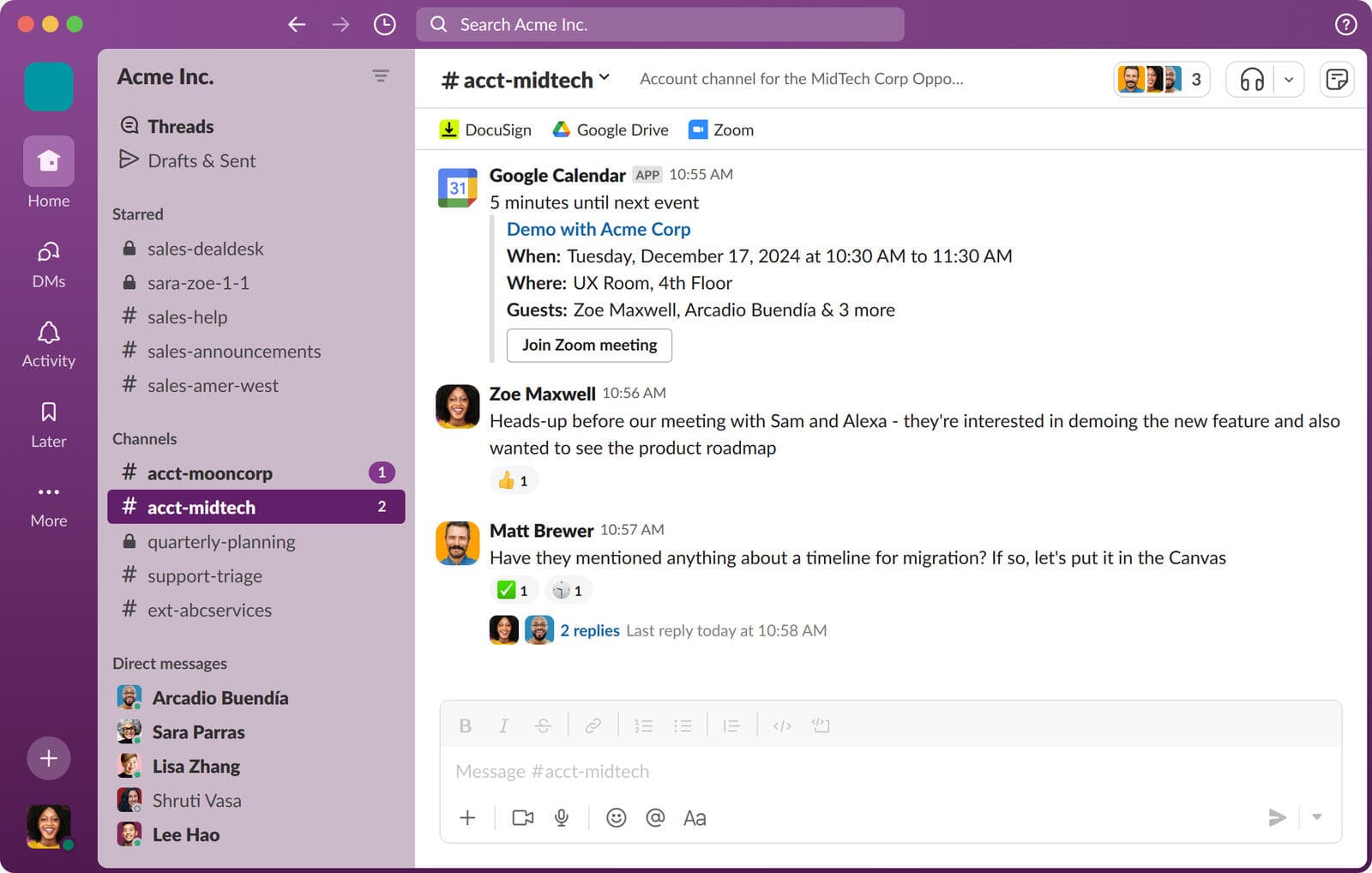
XMTP Labs CEO Shane Mac's personal CFO agent posted his monthly bank audit into the company's executive Slack channel. Read-only access didn't stop it — a same-named channel and a shared connection pool did. Five lessons for anyone wiring agents to banks and Slack, from a disputed but instructive incident.
London offensive-security startup CodeWall emerged from stealth with a $4M pre-seed led by Osney Capital. Multiple AI agents attack enterprises like outside hackers — from zero credentials, zero source code, zero privilege — sharing an investigation graph to turn the twice-a-year pentest into a "permanent capability." How it works, how it differs from XBOW, and three takeaways for indie developers.