On Nov 13, 2026, Cloudflare open-sourced Kitesurf, its stateless browser engine for AI agents, under Apache 2.0. It runs on Workers with no Chromium container, speaks CDP, and deploys with one command — but it is still experimental, and its public endpoint has no auth by default.
VIBEFIX NEWS
AI Coding News
Original perspectives on tools, frameworks, open source, and the creator ecosystem.
On Nov 13, 2026, llama.cpp and ggml shipped v1.0.0: 35 deprecated functions removed, the speculative-decoding API promoted, and a promise that API breaks now mean a major-version bump. Local AI finally has a stable contract.
On Nov 13, 2026, OpenAI launched ChatGPT Wallet: dot agents can complete purchases with user approval, paying with network-issued tokens instead of real card numbers, with a Face ID or fingerprint check on every purchase. Pro users in the US get it first.
On Nov 12, 2026, Anthropic launched Claude Meetings in beta: Claude joins Google Meet calls as a visible participant, writing docs, whiteboards and notes while the meeting runs. Team and Enterprise only, with outside guests kept out by default.
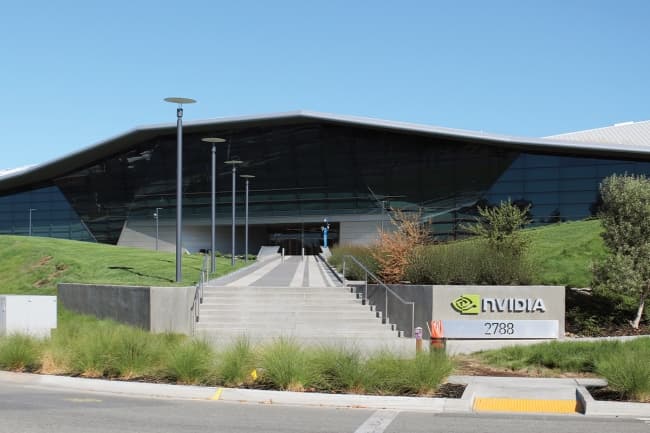
On Nov 12, 2026, NVIDIA said Jensen Huang resigned as president, CEO and director, with CFO Colette Kress named interim CEO. The 33-year founder era ends; shares fell 13% at the open before narrowing, and the Nov 17 earnings call is the new management's first test.
On November 12, 2026, Anthropic opened a private beta of self-hosted Claude Managed Agents: the whole agent service — API, agent loop, sessions and history — can run on your own cloud or on-premises infrastructure, on a server called cma-server with history in PostgreSQL 16 or later. The model itself does not move home: every model call still goes to Anthropic, Bedrock, Google Cloud or Foundry, and there is no public pricing or general-availability date yet.
At Adobe MAX on November 10, 2026, Firefly became an AI creative studio and the Creative Agent expanded across Creative Cloud, adding Firefly Design, Graph and Builder. But only four precision features are generally available today — the rest are still in beta.
On November 11, AWS released AWS Emulator, a local emulator covering 438 API models and more than 200 AWS services, free, with no account and no network needed. The headline is who built it: AWS says autonomous agents wrote every line, with humans building the guardrails instead — fidelity tests, a merge gate and adversarial security review. The honest limits matter just as much: it does not evaluate IAM policies, so a request AWS would deny may succeed locally.
On November 12, Google launched Gemini 4 Hydrogen, a fast execution model for everyday coding and agentic workflows, with four thinking levels — low, medium, high and xhigh — flat pricing of $1.50 and $7.50 across a 1-million-token window, 51 on the Artificial Analysis index at the default level against 50 for Argon, 54 at xhigh, and an Antigravity Orchestrator that switches between Carbon and Hydrogen automatically.
On November 11, United Airlines said it will restrict unauthorized third-party personal AI agents from booking flights and managing reservations on its platforms and via travel agencies, citing credential security risks and FAA/DOT rules — including the requirement that a human personally confirms bags contain no banned items at check-in.