Talk, and Devin Starts Coding: Sesame's October Update Gives Voice Assistants Their Own Computers
Sesame's October 6 update: the new voice assistant rolls out fully on iOS and Android with a brand-new voice model. Each voice agent gets its own computer — schedule Devin, Claude Code, or Codex with your voice while out for a walk. Smart glasses land in 2027; the voice OS ambition is on the table.
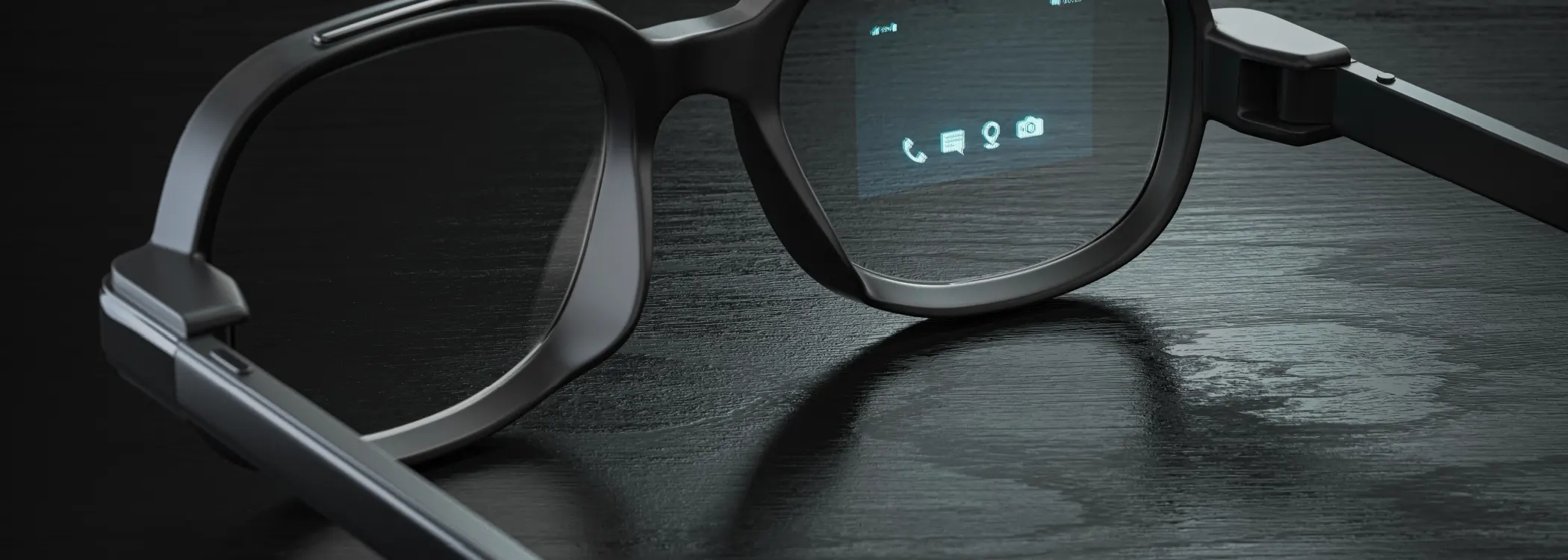
Picture this: you're out for a walk, earbuds in, and you say to the air: "Fix that login bug for me, run the tests, and tell me when it's done." Then you keep walking. Half an hour later, a voice in your ear: "Fixed, all tests green. Want me to walk you through what changed?"
The one who wrote the code isn't your colleague — it's Devin. And between you and it, there was exactly one sentence, delivered through Sesame's voice assistant.
On October 6, voice AI company Sesame shipped a major update to its voice assistant and put a release timeline on its smart glasses. This might be the most thought-provoking update in vibe coding this year: it's betting that writing code won't always require sitting in front of a screen typing prompts.
What's New: Full Rollout, Brand-New Voice Model, and Every Assistant Gets "Its Own Computer"
The product facts first. The new voice assistant is fully rolled out on both iOS and Android, powered by a brand-new voice model. Full rollout means it's no longer a toy for beta insiders — anyone can download it now. The new voice model attacks the classic voice-assistant diseases: robotic tone, laggy responses, and not understanding what humans actually mean.
But the concept with real weight is this: every voice agent has "its own computer." What does that mean? You don't hand it your phone, you don't share your screen. It has its own independent execution environment. You assign tasks hands-free; it works on its own machine and pings you to come review when it's done.
That sentence carries a lot. Yesterday's voice assistants (the Siris of the world) were "mouthpieces": you talk, it taps a button on your phone for you. What Sesame ships this time is an "executor": voice is just the interaction surface, and behind it sits an agent with its own workspace. It can call tools, coordinate other agents, plug into everyday services (Google's suite first), and mount its own MCP servers.
In plain language: the sentence you speak into the air lands with an agent that can actually do things — with tools, an environment, and service integrations. It's not operating your phone for you; it's completing work for you. The MCP support is especially worth noting — it means the capability boundary isn't the handful of features Sesame pre-installed, but the entire MCP ecosystem.
The Most Interesting Detail: Sesame Built This Release With Its Own Four Assistants
The most thought-provoking passage in the official Journal isn't the feature list — it's how it was built: the Sesame team developed this release using their own four voice assistants — Maya, Miles, Charlie, and Simone.
The demo scenes look like this: team members out walking or commuting, scheduling Devin, Claude Code, and Codex to write code by voice. Note the division of labor: Sesame's voice assistant handles "understanding what you want and breaking it down," while the coding agents — Devin, Claude Code, Codex — handle "writing the code." The voice assistant becomes the general contractor for the coding agents.
"Eating your own dogfood" is common in AI circles, but few take it this far. A voice-assistant team betting its flagship release's core development workflow on its own voice assistant dispatching coding agents — that's the strongest product validation there is. If the pipeline couldn't serve their own engineers, those demo videos would never have shipped.
For vibe coding folks, the signal in this detail outweighs the features themselves. It proves a new workflow actually runs: voice (intent in) → voice agent (decompose and dispatch) → coding agents (execute) → voice (review results). The keyboard is no longer the only input device; the screen is no longer the only review surface.
Smart Glasses in 2027: The Voice OS Ambition
Alongside the assistant update came the hardware timeline: Sesame's smart glasses ship in 2027.
The official vision is phrased as "a voice OS for glasses," broken into three words: frames, intelligence, characters. Frames solve "will people actually wear these" — reportedly polished by Japanese craftsmen, clearly benchmarking traditional eyewear comfort rather than gadget geekiness. Intelligence is the new assistant's whole capability stack. Characters is the most interesting one: named, personable assistant personas like Maya and Miles.
Read the three together and Sesame's bet is unmistakable: the future computing device isn't a bigger screen, it's "a voice that keeps you company." The glasses just give that voice a body to ride along in; characters make that voice worth living with long-term.
The industry coordinates are worth laying out too: Meta's new Ray-Bans hit $799, with smart glasses graduating from geek toys into a mainstream consumer-electronics category; Apple is rumored to be working on screen-less glasses. Sesame picking 2027 sits at the intersection of "voice models are ready" and "the glasses supply chain is ready." A year earlier, the voice capability couldn't carry it; a year later, the giants own the shelf.
Developer Ecosystem: Tools Coming This Year, Third Parties Can Build Sesame Apps
The most developer-relevant line hides in the second half: developer tools arrive within the year, letting third parties build Sesame apps.
That sentence says Sesame doesn't want to be just an app — it wants to be a platform. Voice agents with their own computers, tool-calling, MCP mounting — the natural next step is letting third-party developers install software onto those "computers." The analogy: App Store is to touchscreens as Sesame's developer tools are to voice.
The timing is deliberate. Too early, and with weak voice models developers would ship clunky experiences that poison the well; too late, and user habits get locked in by giants. Right now — fresh voice model just shipped, full rollout building the user base, glasses needing ecosystem warm-up before the 2027 launch — is the right moment to open the developer door.
For the vibe coding community, this is an opportunity worth watching. Every new platform generation has its window bonus: the early App Store, early WeChat mini-programs, early Chrome extensions — the first indie developers through the door all ate well. If the voice-agent platform thesis holds, "apps designed for talking" become a brand-new category with interaction logic nothing like screen apps, and first-mover advantage will be enormous.
My Take: The Interaction Model of Vibe Coding May Be About to Change
Back to vibe coding itself. For the past two years, the term has come with a default mental image: a person at a screen, typing prompts into a dialog box, waiting for the agent to spit out code. Prompt engineering, context engineering — all the competition has been about "how to say it more precisely."
What Sesame's update punctures is exactly that default image. If intent can go in by voice, and task dispatch and result review can also happen by voice, then the premise of "sitting at the screen" loosens. Coding becomes something you do while walking, commuting, cooking — not "slacking off while coding," but "liberating work that used to demand a desk into everyday life."
The knock-on effects on vibe project shapes will follow. Today's vibe projects default to "screen apps" — websites, mobile apps, mini-programs — because the deliverable lives on a screen. But if the interaction entry point becomes voice, a wave of "screenless vibe projects" appears: voice-driven agent workflows, scheduled voice briefings, voice code reviews. The MCP ecosystem already laid the capability layer; products like Sesame are laying the interaction layer.
Staying sober, though: voice has natural limits for precision work. Pointing at line 37 in a code review and saying "change this" costs far more in words than one mouse click; complex multi-file refactors exceed what voice dispatch can carry informationally. What Sesame demos are the "assign the task" and "review the result" links in the chain — precisely the two ends voice is best at. The middle part, "writing the code," still happens silently in the screen-backed world of the Devins.
So the more accurate judgment: voice won't replace the screen, but it will eat the "intent input" and "result review" links. The vibe coding workflow becomes: talk with your mouth, rest your hands, look at the screen only at review time. For indie developers that's concrete — the 4 deep-work hours a day you had, plus the 1 walking hour that now becomes productive too.
One bigger call to close. The history of computing interaction is a story of getting closer to the body each time: from the machine room (walk over), to the desktop (sit down), to the phone (pick up), to earbuds and glasses (put on). Sesame is betting on the next step: the device disappears and only the voice remains. If that read is right, every screen-designed vibe project today will soon have to answer one question — when users start talking to the air, where is your product?
Sources
Related articles
AgentMail launched AgentID on October 6: agents log in to third-party apps using their own email as an OpenID Connect identity. The verification-code step disappears, one authorization lasts 180 days. Identity may be the real watershed between agent toys and agent production.

On October 1, Tavus launched Griffin — the first "Human Interaction Model" (HIM): full-duplex video-to-video that listens, watches, and speaks at the same time. In a blind study, 48% of participants believed they were talking to a real human, versus 2% at best for previous systems. The fact that it can fool people is exactly why it isn't generally available yet.
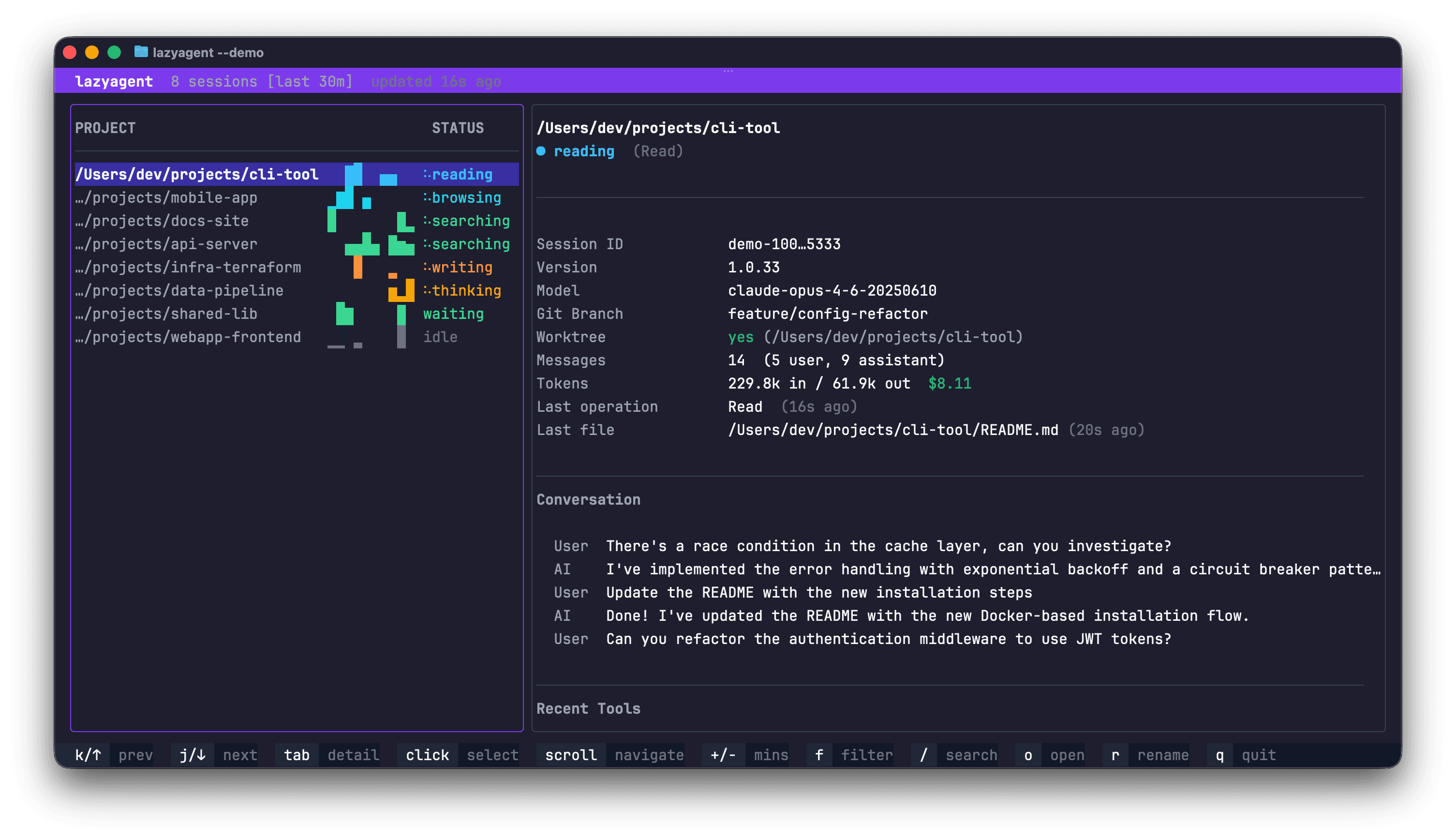
On October 4, OpenAI's Codex engineering lead Tibo made a public pledge: for 28 days, ship one clear improvement every day for most Codex and ChatGPT Work users — on days the team fails, everyone gets a usage reset. Day 1 brought ~50% faster GPT-6 Astra / 6.1 Sol by default, Day 2 made Auto-review free for ChatGPT sign-ins, Day 3 put GPT-6 in the chat tab. This is an experiment in turning product iteration into a daily series.