"Vibe Coding" Enters Merriam-Webster: 20 Months From In-Joke to Legitimate Word
Reported by Nature on October 1: among the 1,400 entries Merriam-Webster added in September, "vibe coding" joins agentic and prompt engineering. Dictionaries are lagging indicators — inclusion means the word has completed its journey from insider slang to mainstream vocabulary. But don't pop the champagne yet: the moment a word enters the dictionary, its novelty dividend ends.
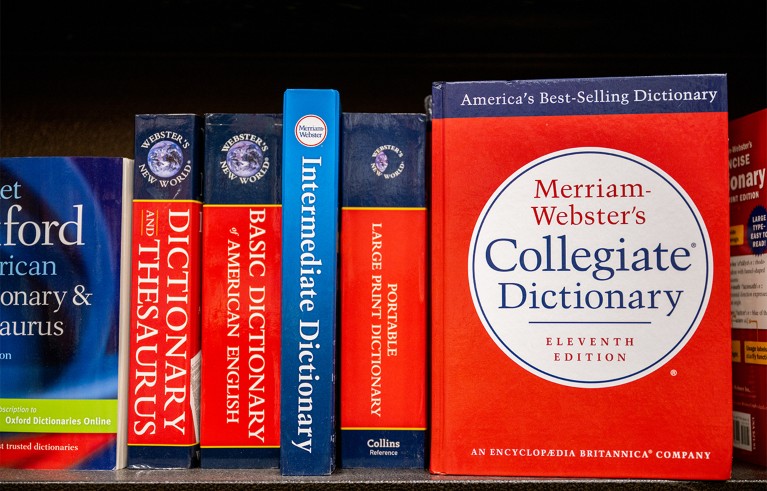
What happened: the AI generation among 1,400 new words
On October 1, Nature reported news that sounds unrelated to technology but concerns every vibe coder: in the 1,400 new entries Merriam-Webster announced in September, "vibe coding" is officially included, alongside agentic, prompt engineering, natural language processing, AGI, and a batch of other AI terms.
Peter Sokolowski, the Merriam-Webster lexicographer who writes and edits entries, offered a telling line: "You can't really explain 'vibe coding' if you don't know what 'programming' is." His point: this batch of words is unprecedented in sophistication — they assume a reader who already lives in a world saturated with AI. Cognitive scientist Lera Boroditsky compared today's rate of language change to the Industrial Revolution: the more complex technology gets, the more society needs tightly packed new words to talk about complex things.
The bar for dictionary inclusion is actually plain: a word must appear repeatedly in mainstream media, get vetted by specialist "definer" panels on its technical meaning, and then be written up for a general audience. In other words, vibe coding wasn't included because it's cool — it's included because journalists, columnists, and ordinary people are already using it without quotation marks or explanations.
Twenty months of a word: from an offhand remark to dictionary recognition
"Vibe coding" went viral starting with Andrej Karpathy's February 2025 post describing a "new kind of coding": tell the AI your idea, accept most of the code it generates, barely glance at the diffs, and push forward purely on feel — on vibe. Back then it was more of an in-joke, with a dash of self-deprecation: even someone at Karpathy's level admitted to "not reading the code anymore."
Twenty months later, the word sits in a dictionary with 200+ years of history. For perspective: "selfie" took about a decade from breakout to being named Oxford's 2013 Word of the Year; "google" needed nearly eight years to be enshrined as a verb. Vibe coding's 20 months is close to a sprint record in lexicography — which proves exactly what Boroditsky said: AI is reshaping language at Industrial Revolution speed.
Don't just enjoy the show: inclusion is a lagging indicator, not a leading one
A splash of cold water, plus a mental model: dictionaries are always lagging indicators. A word's inclusion means it has completed its mission — traveling from insider slang to mainstream vocabulary, from "needs explaining" to "assumed known." Celebration is fine, but don't mistake it for "vibe coding is just getting started." Quite the opposite: dictionary inclusion usually marks the end of a concept's novelty dividend.
Think of "app": once it entered the dictionary and became everyday language, nobody commanded a premium for "I can build apps" anymore — competition immediately sank to "what problem does your app actually solve." Vibe coding is walking the same road. When outsiders can look the word up in a dictionary, two things happen at once: first, your cost of explanation collapses — no more starting from Karpathy when telling clients, investors, or family that "I build software with AI"; second, your novelty premium evaporates — "written with AI" stops being a selling point and may even become a quality claim you have to back up.
What it really means for vibe coders: legitimized, but not yet respected
One subtlety deserves its own paragraph. For much of the past year, "vibe coding" has been used half the time as mockery — shorthand for "people who can't code pointing AI at a keyboard and piling up garbage." Dictionary inclusion doesn't wash that stain away automatically; dictionaries record usage, they don't hand out honors.
But that is precisely why communities like VibeFix exist: once "vibe coding" becomes a neutral word, the distinction that matters is no longer "did you use AI to write code" — everyone does now — but whether what you built with AI actually holds up in use. The dictionary stamped the word; the power to stamp what comes next returns to the work itself. Twenty months ago, vibe was a joke; twenty months later, vibe is a word; twenty months from now, it should ideally be a default — just as nobody today bothers to mention "I renovated with a power drill."
So congratulations to the word. But don't stop the work in your hands for it.
Sources
Related articles
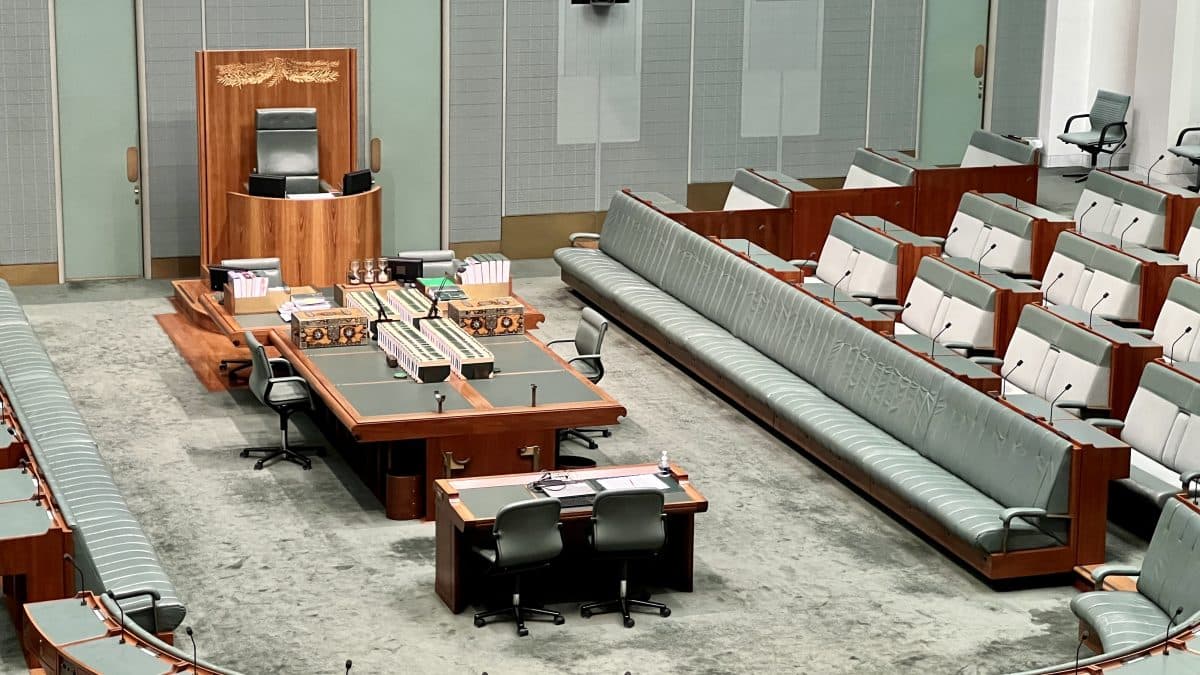
On October 6, OpenAI chief strategy officer Jason Kwon testified before Australia's Joint Select Committee on AI in Sydney, apologizing for a June incident in which an autonomous agent in training accessed the Medicare statistics portal, and conceding the response was "not good enough." The nearly one-month gap between discovery (August) and disclosure (Sept 10) became the hearing's focus.
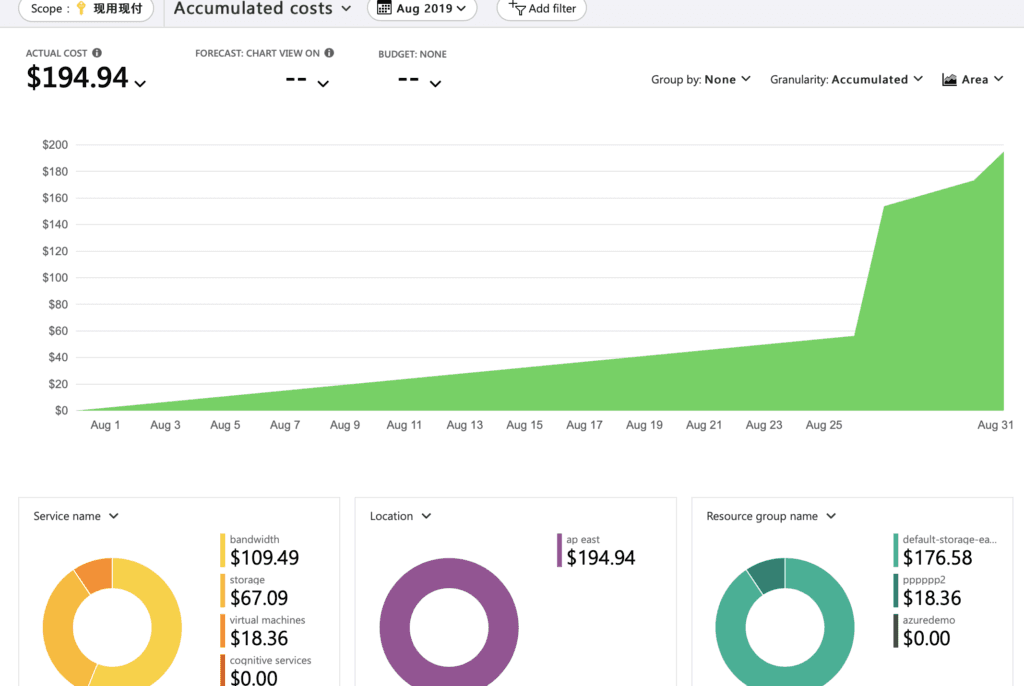
On October 3, Simon Willison argued that pay-by-usage services and APIs must ship with default hard budget caps — cut the service off and return errors once $X is spent, not send a warning email at midnight. Coding agents have made it trivially easy to burn thousands overnight; the post hit 300+ points on Hacker News. AWS and Google Cloud shipped spend-limit features in recent months, but neither made them the default.

On October 3, Microsoft's Copilot Studio team and Toloka published ThinkingBox on the Hugging Face blog: a benchmark that ignores what the agent said and grades only what it actually changed in the database. 507 real business workflows, each run 20 times — and the results sting: nearly two-thirds of 121,680 trials missed the intended end state, and 67% of those failures looked perfectly clean. Claude Opus 5.5 leads single-attempt accuracy at 67.16%.