AI project showcase / idea exchange / co-creation

Built ideas,made to be seen.

Share your AI projects, browse fresh ideas, and talk through the parts that are almost there. Working demos deserve an audience, and blockers do not have to stay private.

Share work
Showcase
Find sparks
Ideas
Keep talking
Co-create

Project square

Scan active directions first, then refine by category or momentum.
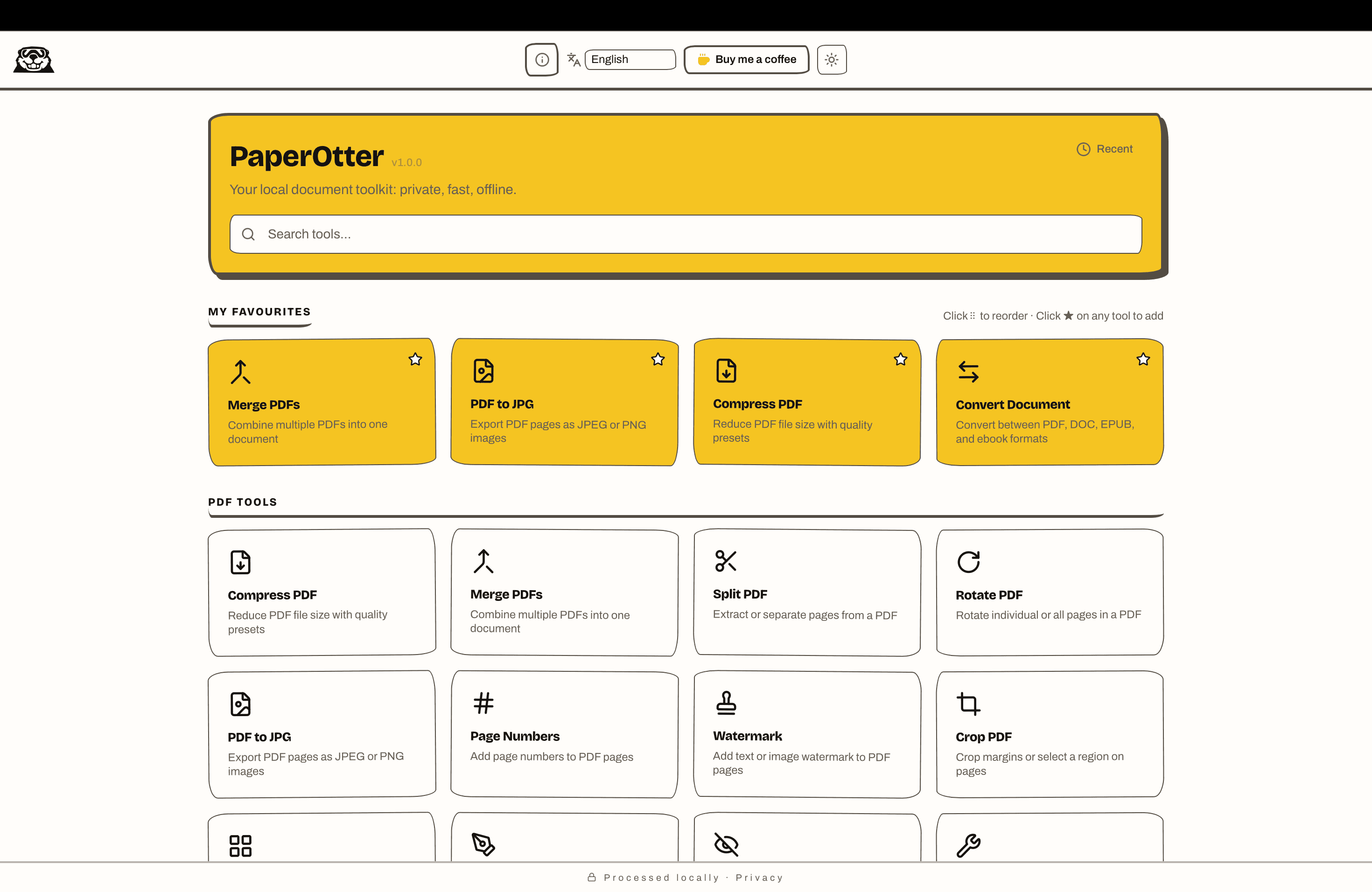
PaperOtter
Showcase
Online
Officeclaude

PaperOtter

19 offline document tools in one desktop app: compress, merge, sign, redact, OCR and convert PDFs — all local, no account, no tracking.

PaperOtter is a local document toolkit: 19 tools across PDF, image, and document work, all running on your own machine. Compress, merge, split, rotate, watermark, redact, and sign PDFs; convert between JPG, PNG, and WebP; turn PDFs and Word docs into clean Markdown, HTML, JSON, plain text, or DOCX. Eighteen of the nineteen tools need nothing installed — only ebook-format conversion reaches for an external app. It ships for Mac, Windows, and Linux in nine languages, with a consistent four-step flow for every tool: Pick, Configure, Compare, Save. The privacy posture is the point. PaperOtter has no AI features, no chatbot, and no assistant; your files never leave your computer. It makes exactly two network calls — an update check on launch and a feedback-address fetch inside the About dialog. The README even carries a written note on why the EU AI Act's transparency duties don't attach to it, reasoning included and open to challenge. That's an unusual level of honesty for a free tool. The build story: the author's showcase post reads "Built with Claude: PaperOtter now has 19 offline document tools in one desktop app (open source)." The repo is active — 775 commits since September 2026 with two releases, most recently adding structure-preserving conversion and batch processing. The declared stack is Tauri with Rust and TypeScript. It's MIT licensed, free, and offline by design.
SalesBriefAI
Showcase
Online
Marketing & Salesclaude

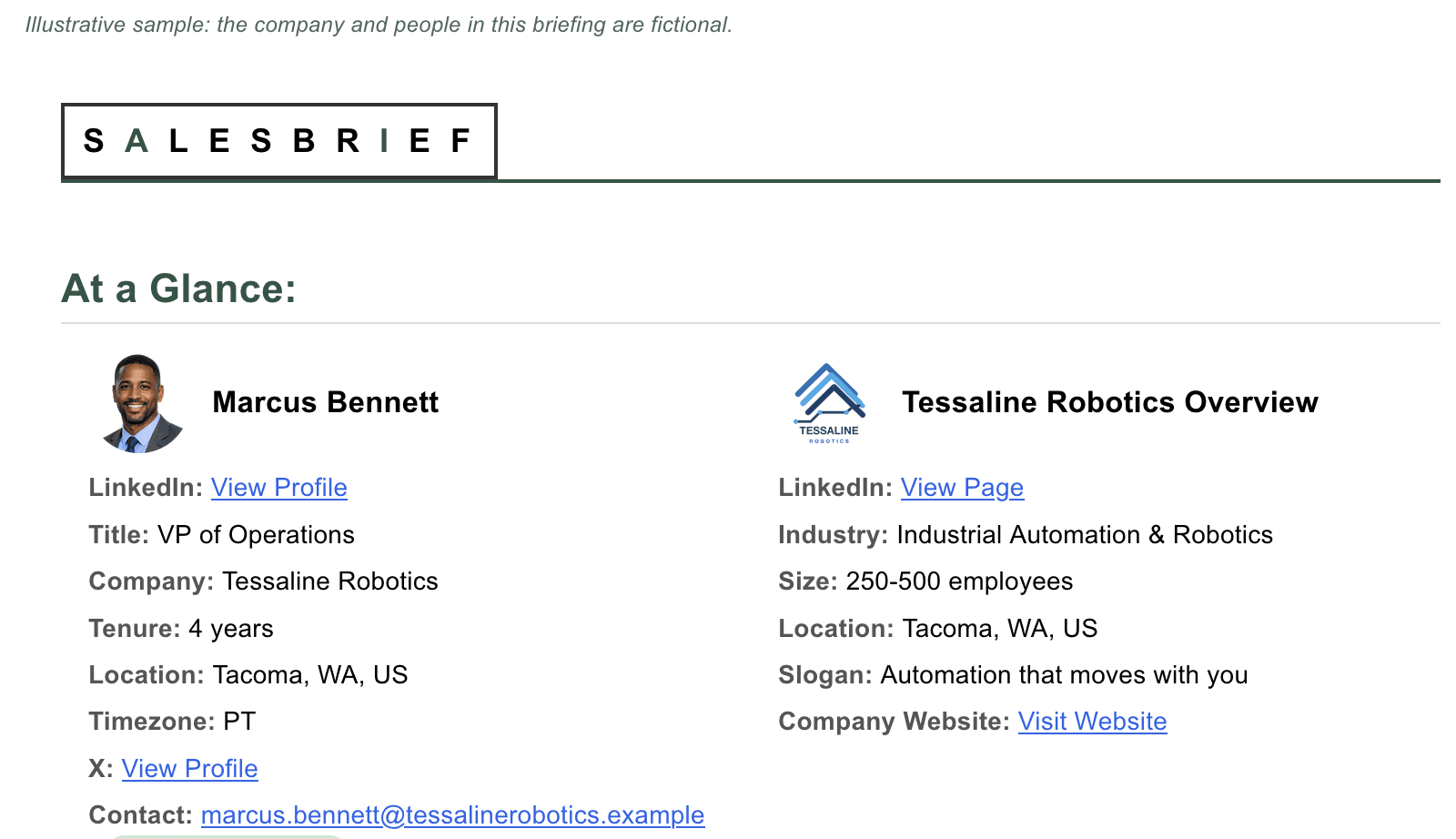
SalesBriefAI

AI sales-research briefings: feed it a prospect and your product, get a tailored PDF with talk tracks and objection handling in minutes.

SalesBriefAI does pre-call research before you say hello. You feed it a prospect's details and what you sell, it pulls public data on the person and their company, and it produces a tailored PDF briefing focused on your product: the known facts, the context, and the likely objections — plus talk suggestions matched to the sales methodology your team actually uses. New accounts get 500 credits for roughly five briefings, no card required; after that it's pay-as-you-go with no subscription. The build story is the headline. The founder is a tech product manager, not a developer, and wrote in the Claude Project Showcase hub: "a live sales-research tool built entirely with Claude. I'm a tech product manager, not a dev, and Claude wrote every line of code, frontend and backend." Claude handled architecture, implementation, and even marketing positioning from start to finish — across what the author describes as 700+ pull requests and nearly 2,000 Linear issues. The site reports more than 2,000 custom sales briefings delivered. It's an honest end-to-end artifact of building with Claude: a real, revenue-adjacent SaaS with signup, credits, and paying users, not a demo. The roadmap note is interesting too — the author is exploring an MCP link so you could request research mid-meeting inside Claude or another assistant, asking the question and prepping for the call in one chat.

The Department of Small Grievances
Showcase
Online
Entertainmentclaude-code

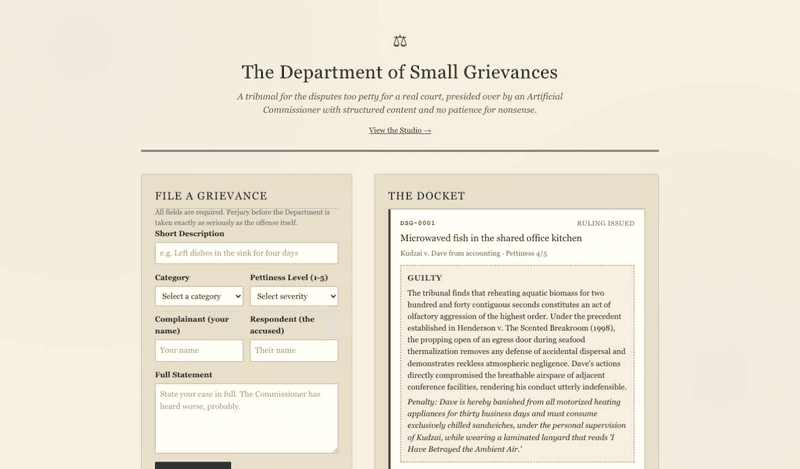
The Department of Small Grievances

A tribunal for disputes too petty for real court: file your grievance, and an AI Commissioner hands down a formal ruling with a suitably petty punishment.

The Department of Small Grievances is a tribunal for the disputes too petty for a real court — roommates who don't wash dishes, colleagues who microwave fish in the shared office kitchen, friends who leave you on read — presided over by an Artificial Commissioner with structured content and no patience for nonsense. You file a grievance with a short description, a category, a pettiness level (1–5), the complainant and respondent names, and a full statement of your case. Then the AI writes a formal ruling. The docket is where the joy lives. Case DSG-0001, "Microwaved fish in the shared office kitchen," finds Dave from accounting GUILTY — the tribunal writes that reheating aquatic biomass for 240 seconds constitutes an act of olfactory aggression of the highest order — and the penalty is deliciously proportionate: Dave is banned from all motorized heating appliances for thirty business days and must consume exclusively chilled sandwiches under the personal supervision of the complainant. Every ruling comes with written reasoning, because the comedy only works if the court takes itself seriously. The author's dev.to post for the Sanity challenge puts it plainly: "I built this with Claude Code: Next.js on the front, Sanity behind it, and an API route that calls Gemini to act as the AI Commissioner." The stack is Next.js (App Router), Tailwind CSS, Sanity — with grievance, ruling, commissioner, and appeal document types plus workflow — and Gemini on the free Google AI Studio tier. It ships with a permanent case link, so your ruling against Dave is admissible evidence forever.

TruthLayer
Showcase
Online
Toolsgoogle-antigravity

TruthLayer

An AI knowledge-health system for docs: it finds contradictory claims across your documentation and routes each fix through human approval.

TruthLayer answers a question most documentation teams are afraid to ask: what if your docs could argue with themselves? It's a "knowledge health" dashboard for Sanity-backed documentation that continuously scans your docs, detects contradictory claims, and routes each one through human review. The dashboard shows an overall health score (the demo reads 58%, high risk), totals for documents, conflicts, and items needing review, plus metrics on consistency, freshness, review backing, and source coverage. The conflicts it finds are the kind that quietly break products: an onboarding guide that enforces an 8-character password minimum while the enterprise compliance doc demands 12; media specs saying 10 MB per file while the attachment policy says 50 MB. For each conflict, an AI-written summary explains the discrepancy, a side-by-side view shows both sources, and a review workflow lets a human approve the resolution, reject it, or flag it as needing investigation — every decision logged with the reviewer's name. The build is documented in the author's dev.to post for the Sanity "Vibe-Code Something Strange" challenge, where they write: "I built TruthLayer using Google Antigravity" and describe using the coding agent to turn the idea into a working product. The declared stack is Next.js 16 (App Router), TypeScript, Tailwind CSS v4, Sanity CMS, and the OpenAI API. For anyone maintaining docs at scale, it's a working demo of a genuinely useful pattern: AI does the hunting, humans keep the gavel.

SkySpottr: Plane Spotting AR
Showcase
Online
Toolsclaude-opus-45gemini-3

SkySpottr: Plane Spotting AR

Point your iPhone at the sky and see live flight data overlaid in AR: flight number, aircraft, altitude, speed, and destination — no ARKit required.

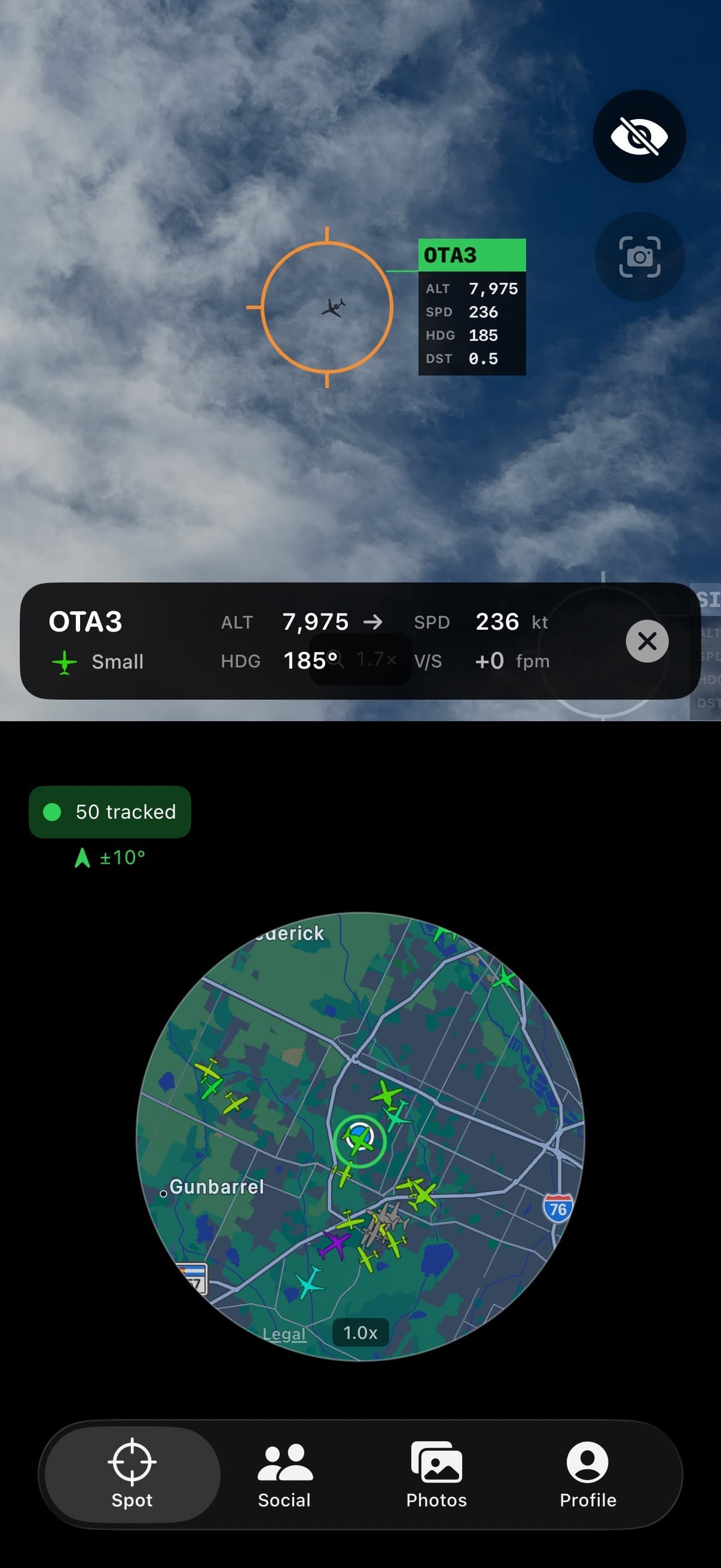
SkySpottr turns your iPhone into a plane-spotting instrument. Point it at the sky and the app overlays live flight data on the aircraft above you: flight number, aircraft type, altitude, speed, heading, and distance — an AR reticle locks onto a plane while a data card floats beside it (one screenshot shows SWA519, a 737-700, climbing at +2880 fpm). A circular radar map at the bottom shows every tracked aircraft around you, with 50-tracked counters and heading indicators, and tabs for Spot, Leaderboard, History, and Profile give it the feel of a hobbyist's field tool rather than a toy. The clever bit is how it works: ADS-B data projected through GPS and compass math, no ARKit required. That tradeoff is part of why the app is interesting to read about — the developer documented the whole thing on Show HN with a section called "Takeaways from vibe-coding a full product," and stated plainly: "Built an app entirely with Claude/AI assistance." Claude Opus 4.5 did the UI work; Gemini 3 cleaned up code the author described as messy. Under the hood it's an iOS SwiftUI frontend on a self-hosted backend — Django and PostgreSQL with Redis, running on a single VPS, later partially rewritten from Python to C# for performance. It's free with a $1.99 Pro tier, and the App Store shows v1.3.3 was updated about a day ago, so this is an actively maintained product, not a one-shot demo. For aviation nerds who've ever pointed at a contrail and wondered what it was, this is the app that answers.

SvarLock: App Lock & Privacy
Showcase
Online
Security & Privacyclaude-codecodex

SvarLock: App Lock & Privacy

A free, open-source Android app lock: PIN or fingerprint protection for chats, photos, and payment apps — no ads, no accounts, no tracking.

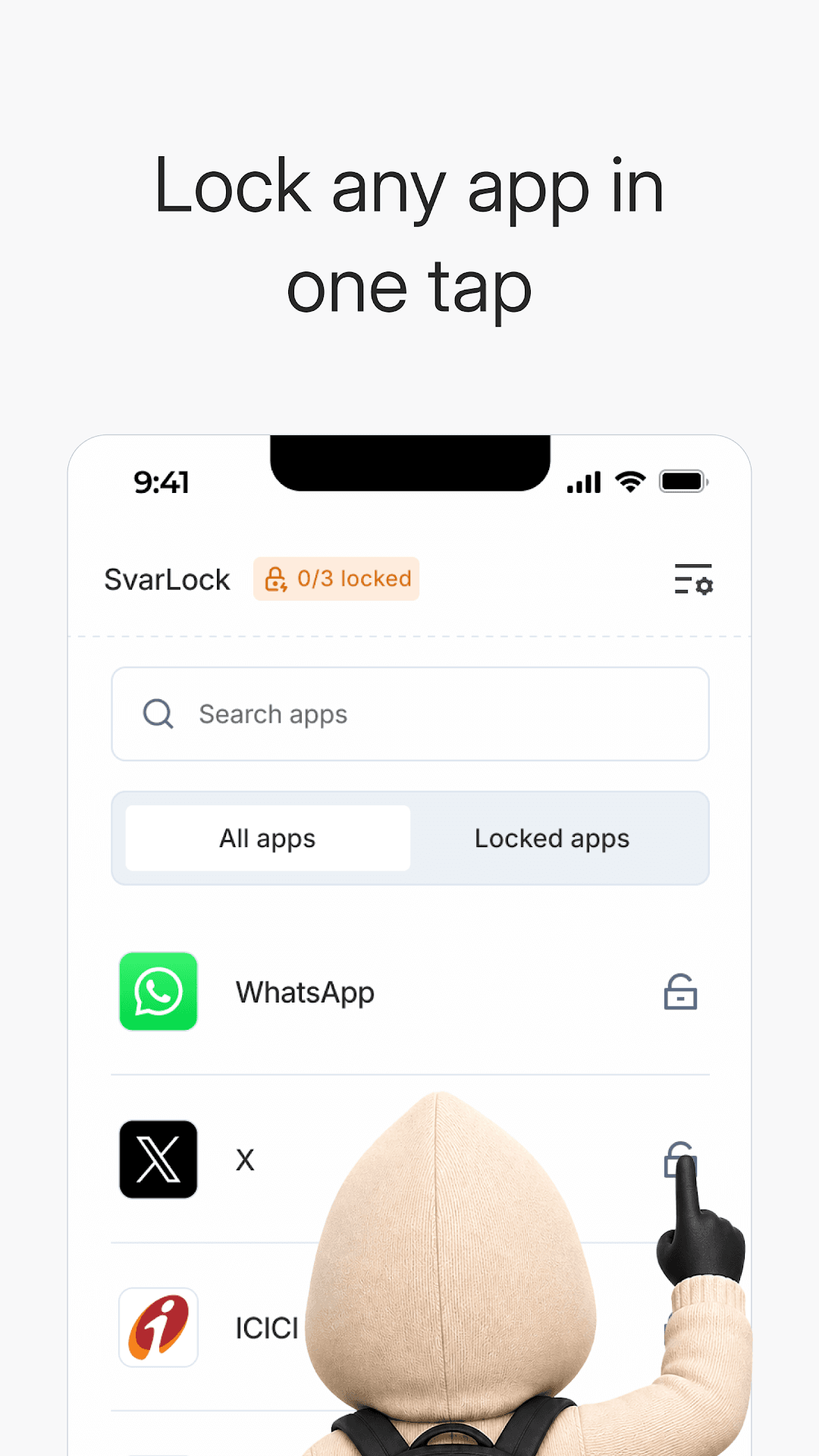
SvarLock is an app lock for Android that does exactly what it says: it locks your apps. Pick any app — WhatsApp, your banking app, your photos — and SvarLock gates it behind a PIN or your fingerprint, with a clean lock screen that asks for the code before anything opens. A search bar and a Locked apps tab keep the list manageable, and the settings cover the details you'd want: change PIN, fingerprint or face unlock with PIN as backup, and a PIN requirement for uninstalls so someone can't just remove the lock to get in. What sets it apart from the genre is what's missing: no ads, no account, no tracking. The app's design is literally offline by design — it requests no internet permission at all, so your PIN and your locked-app list never leave the device. It's free, it's open source, and the mascot (a hooded little privacy gremlin) tells you exactly what it stands for. The build story is the headline. Developer Pradeep Prakash wrote a Medium piece titled "How I vibe-coded an Android app without settling for AI slop," where he states: "I didn't write the application code. Claude Code handled development, and I sometimes used Codex to debug." The stack is Android with Jetpack Compose, with the design system generated through Style Dictionary and Figma Console MCP. It launched on Google Play on September 6, 2026 and was updated to v1.3.3 on September 20 — a real, maintained, ad-free app lock built almost entirely by an agent.

Roomba Rights of SPLORR!!
Showcase
Online
Gamesclaude-code-claude-sonnet-55

Roomba Rights of SPLORR!!

You are a cat in five rooms with movement as your only input: vacuum up naps, dodge chaos, and chase the SPLORR in this pixel-maze arcade game.

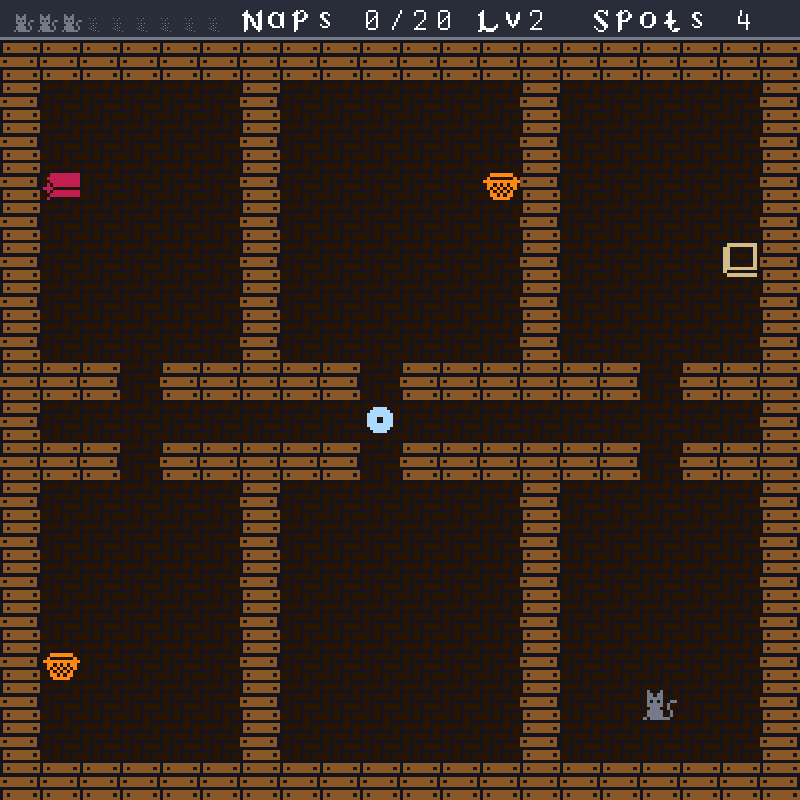
Roomba Rights of SPLORR!! is a small, sharp arcade game with a premise you can grasp in three seconds: you are a cat, there are five rooms, and movement is your only input. Zip through the pixel maze, vacuum up naps (the HUD tracks them as Naps 0/20), hit the spots, and don't get cornered. It's the kind of game that feels obvious once you play it — one mechanic, no tutorials, just speed and corner-cutting. The reason it's on VibeFix: the developer's itch.io AI disclosure is unusually blunt. It reads: "Built with Claude Code (Claude Sonnet 5.5)." The AI wrote all the game code in Odin (compiled to WebAssembly), plus the web wrapper and the build setup — "I wrote no code." That makes the game an honest end-to-end artifact of an agentic coding session: the human supplied the idea and the taste, the model shipped the maze, the cat, and the HUD. It was also built as an entry for the Jamference AI Game Jam, so it carries the jam-game virtues: playable in a browser in seconds, a tight loop, and a title with genuine commitment to the bit. Under the hood it's Odin compiled to WebAssembly with an HTML5 canvas wrapper. You can play it free in the browser — no download, no install, just a cat and five rooms.

mazkir
Showcase
Online
Developer Toolsclaude-code

mazkir

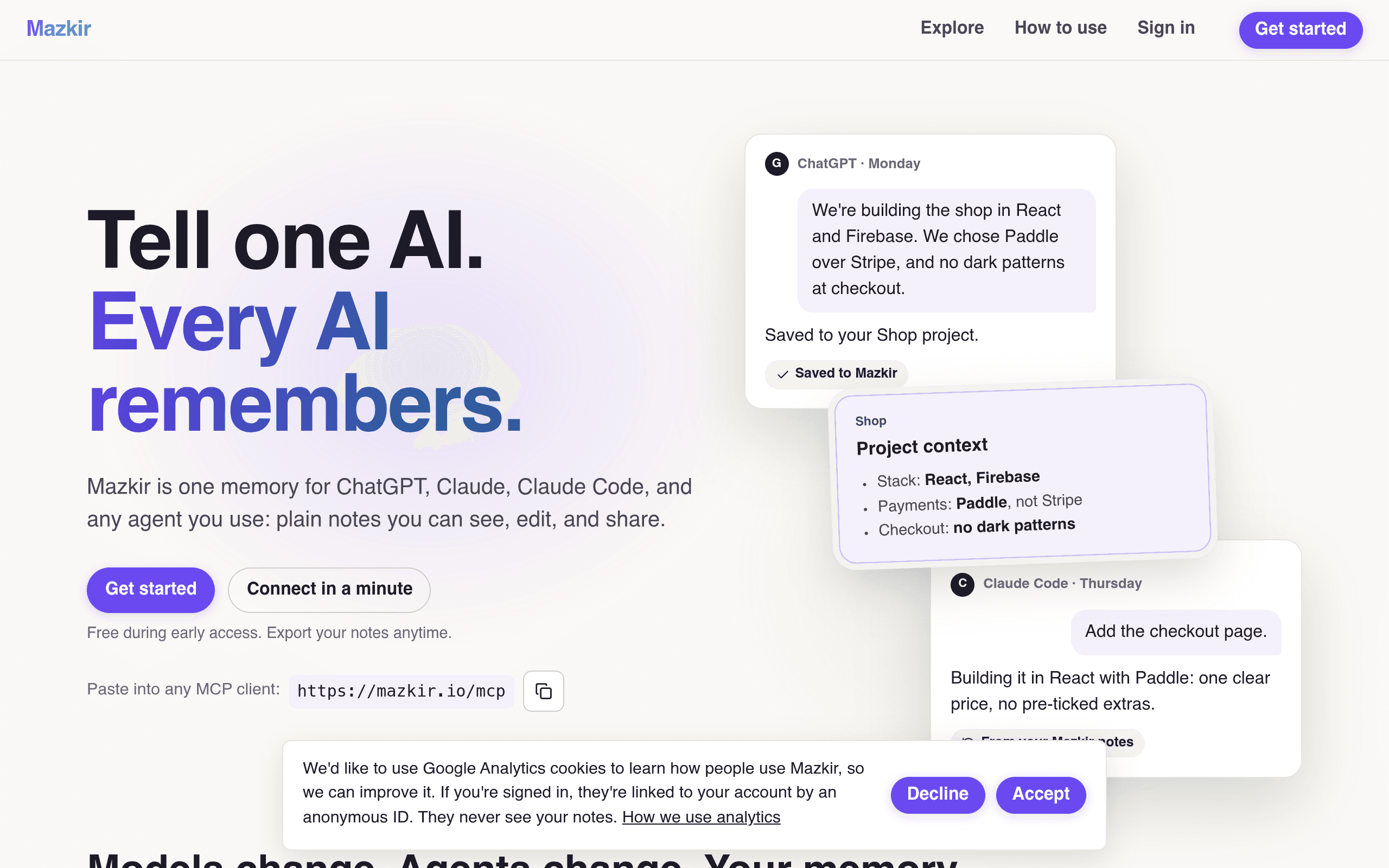
One shared memory for all your AIs, built mostly by Claude Code: tell one agent once and ChatGPT, Claude and Claude Code all remember.

Every AI you talk to starts from zero. mazkir is a shared memory layer that fixes that: tell one AI something once, and it shows up in your next chat — in Claude, Claude Code, and ChatGPT. It's a remote MCP server; your memory is plain Markdown notes you can read, edit, export, and delete, with per-project permissions. The feature list is practical rather than flashy: 20 MCP tools, OAuth login, a 30-day trash bin in case an agent deletes something, dark mode. Free during early access. The author's showcase post is disarmingly honest about how it was made: "claude code built most of it for me." Launch week brought ~160 visitors and exactly one sign-up — the author's friend. The numbers are real; so is the product.

REBEL INSULT
Showcase
Online
Gamesgrok-3

REBEL INSULT

A loving terminal demake of Rebel Assault's first level: ASCII action right in your bash shell, vibe-coded with Grok 3. Linux only.

REBEL INSULT is a demake of the first level of the DOS classic Rebel Assault — rendered entirely in ASCII, running in your bash terminal. Unzip, run ./rebel.sh, and you're flying through blocky space combat the way 1993 intended, minus the CD-ROM drive. The itch.io page carries the author's confession: "Vibe coded with Grok 3. Graphics and design by me." It's Linux-only, released 2026-10-05, and proudly carries the platform's "AI Assisted — Code" disclosure. Not everything needs a WebGL renderer. Sometimes the right medium for a 90s rail-shooter remake is a terminal window.

MonkeyEatingMango
Showcase
Online
Travel & Localclaude-code

MonkeyEatingMango

A free AI trip planner built with Claude Code: answer eight questions and get a day-by-day itinerary checked against real opening hours.

Most AI trip planners generate plausible-sounding days that fall apart on contact with reality — a venue that's closed, a route that doubles back. MonkeyEatingMango's answer: generate the plan, then check every day against live venue data and rewrite the days that fail. The author cites a study of 356 AI-generated trips that found a fault in 43% of first-draft days; this tool exists to fix exactly that. Answer eight questions about your trip and you get a full day-by-day itinerary: a Google Maps route for every day, realistic cost breakdowns, a food guide pinned to meals, a shopping guide, a booking checklist, festivals on your dates, and practical essentials like visa rules and transit cards. The first two days are free to read; a one-time $0.99 Trip Pass unlocks the rest. The author introduced it in the Claude Project Showcase hub with a single line: "Built MonkeyEatingMango as a trip planner using Claude Code."

Science Globe
Showcase
Online
Educationclaude-opus-55

Science Globe

An interactive 3D map of science built with Claude Opus 5.5: explore 171 institutes and labs, drag the timeline from 1500 to 2200.

Science Globe is a three.js/WebGL globe that turns the history of science into something you can touch: 171 research institutes, labs, observatories and spaceports plotted as glowing points, with collaboration lines between them and four toggleable layers — fundamental science, information technology, ecology & planetary engineering, plus live orbital data from CelesTrak. Drag the timeline from 1500 to 2200 and discoveries play out as a moving feed, with discovery digests generated by DeepSeek. Click any glowing point and everything else fades out, showing you who that institute works with. The author's showcase post says it plainly: "Built a 3D globe with three.js and WebGL using Opus 5.5." A rare case where an AI-built data visualization is genuinely worth exploring rather than just admiring.

FocusBlox
Showcase
Online
Productivitylovable

FocusBlox

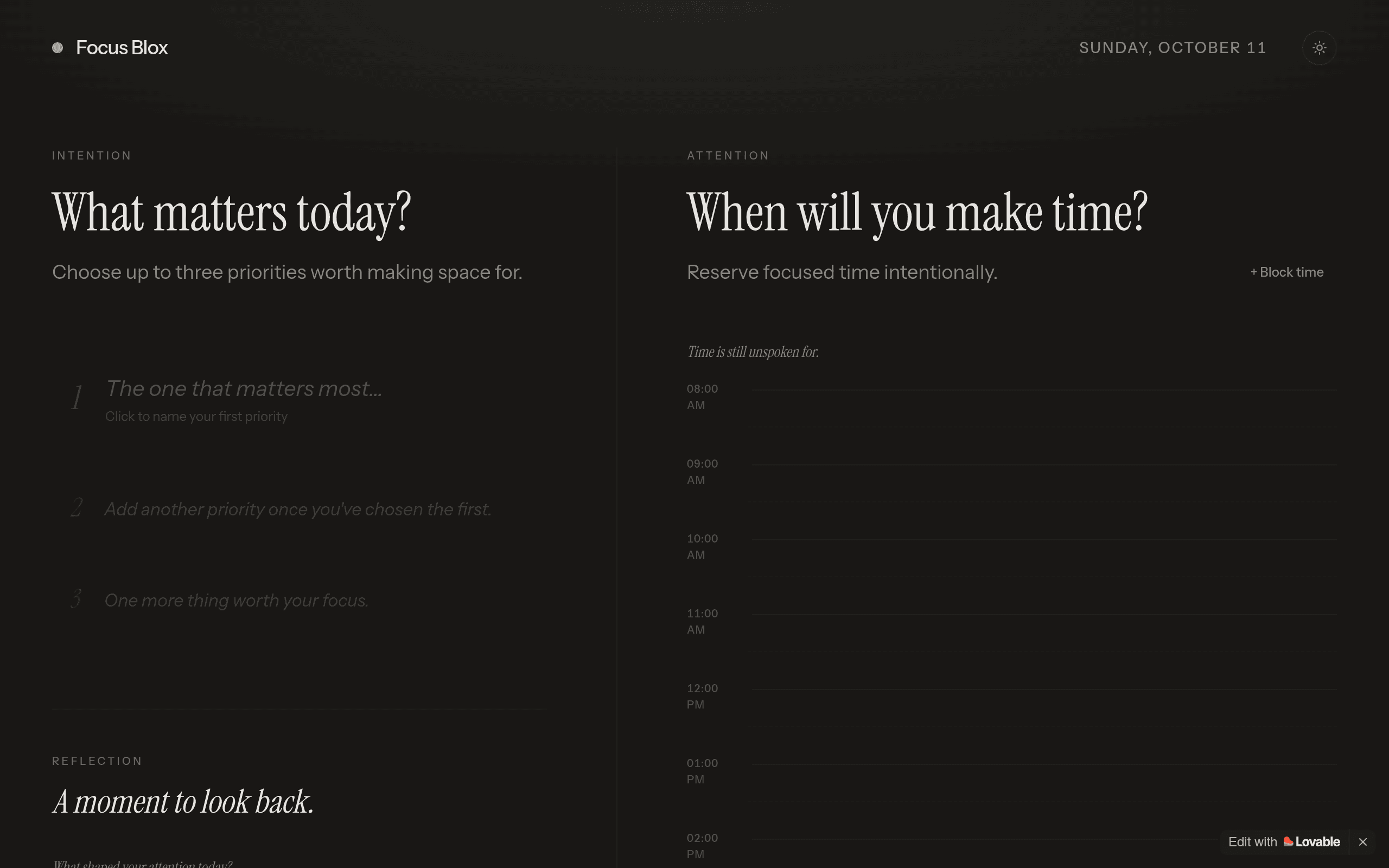
A calm daily-planning workspace that starts from intention: pick up to three priorities, block focused time, and close the day with a short reflection.

FocusBlox is a daily planning workspace built around a simple idea: start the day from intention, not from an inbox. Each morning you choose up to three priorities worth making space for, block focused time for them on a quiet timeline, and close the day with a short reflection on what shaped — and stole — your attention. No task-list anxiety, no gamified streaks. The interface is deliberately calm: serif headlines, generous spacing, and a day view that asks two questions — "What matters today?" and "When will you make time for it?" This is a Lovable build through and through: the repo carries a .lovable project folder, the demo runs at focusblox.lovable.app, and the live page still shows the "Edit with Lovable" badge. Under the hood it's React, TypeScript, Tailwind CSS and Vite.

My Claude
Showcase
Online
Developer Toolsclaude-code

My Claude

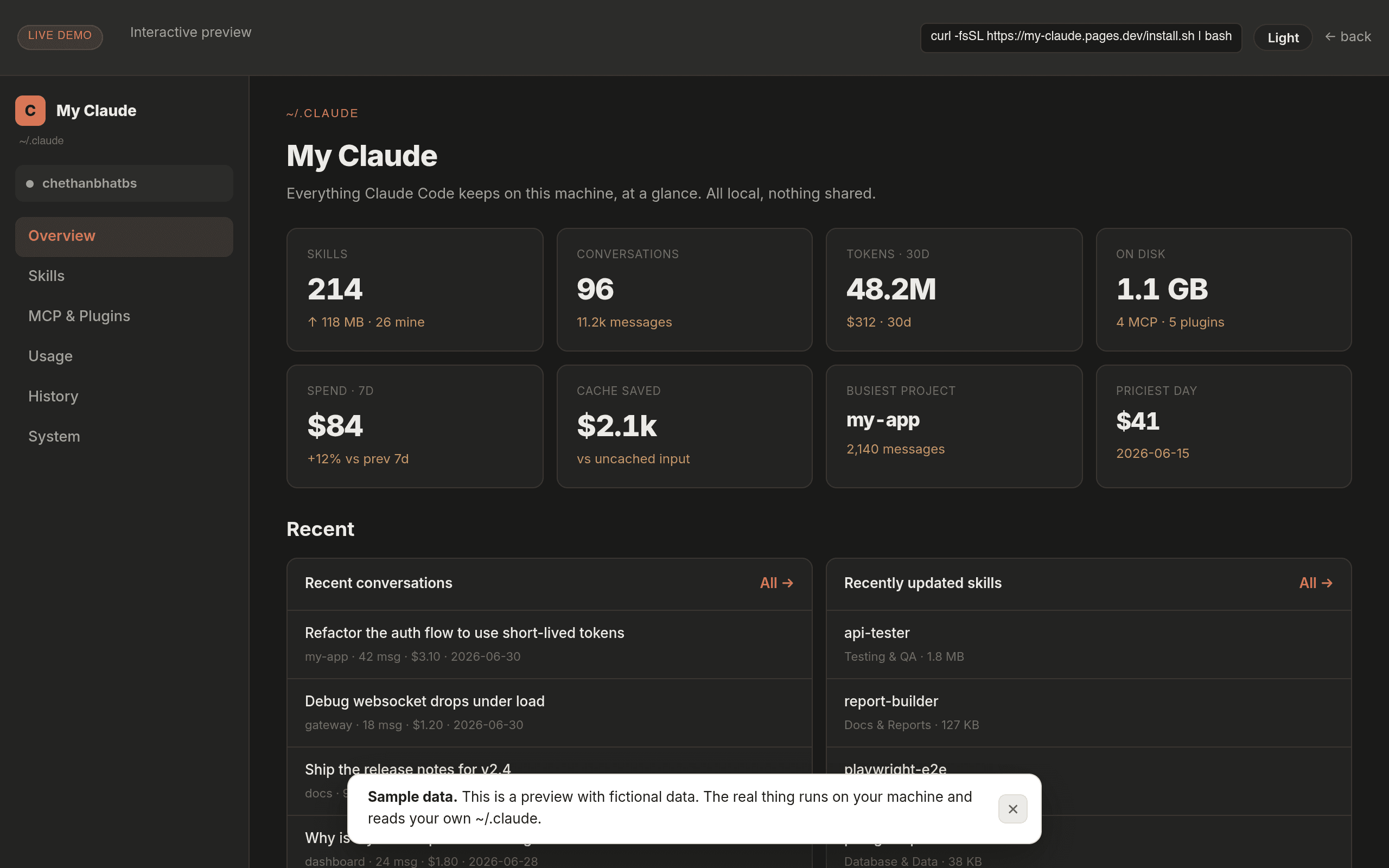
A private local dashboard for everything Claude Code keeps on your machine — skills, token spend, session history and costs, all in one readable place.

Every Claude Code session leaves traces on your machine — skills you installed, MCP connectors you wired up, tokens you burned, conversations you had. My Claude puts all of it on one private dashboard that runs entirely on your local machine. One command installs it: the script sets up an isolated Python environment and opens the dashboard on localhost. The Overview page shows your skills, conversations, 30-day token usage with API-price cost estimates, and disk use at a glance. Drill into Usage for live plan limits, Skills to see which ones you never touch (and push them to GitHub with one click), MCP & Plugins with a one-click health check, and History with full-text search across every session — including transcripts Claude Code has already rotated away. Nothing leaves your machine: it binds to 127.0.0.1, computes everything from files already on your disk, and secrets in MCP configs are auto-redacted before they're shown. The README ends with three words that explain how it was built: "Built with Claude Code."

Mental Mint
Showcase
Online
Entertainment

Mental Mint

浏览器益智游戏合集:扫雷、2048、Tap Master,短时健脑代替无脑刷屏

Mental Mint 是浏览器益智游戏合集:扫雷、2048、Tap Master、Spirograph 等,主打短时健脑、替代无脑刷屏。 作者在 Peerlist Ship 帖中写道:"MentalMint is entirely vibe-coded." / "There is no hand-written code in this platform — every pixel, logic, and screen was crafted with generative tools".

Reachy Mini Vibe Coding Apps
Showcase
Online
Developer Tools

Reachy Mini Vibe Coding Apps

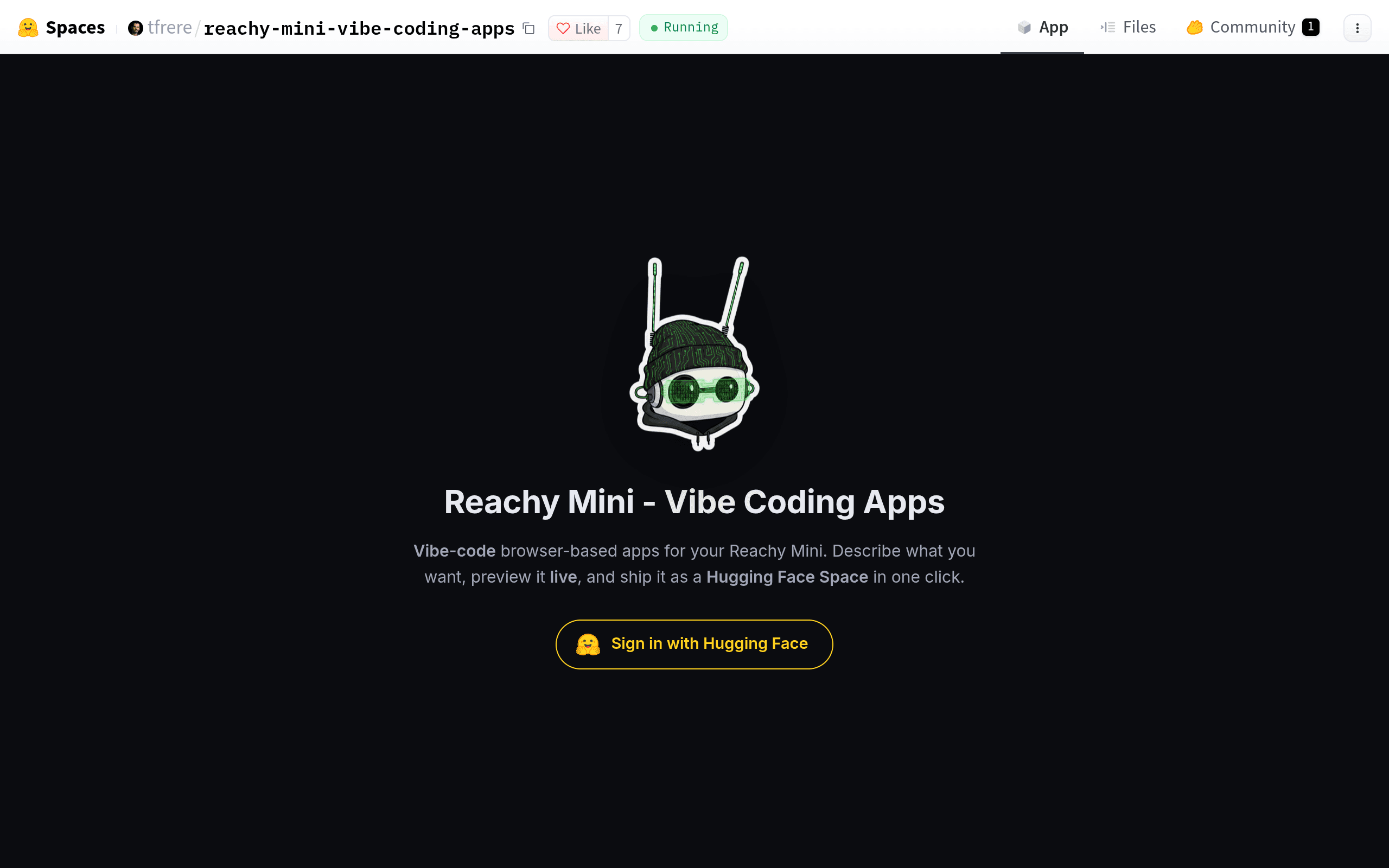
A conversational agent that helps you vibe-code tiny browser apps for your Reachy Mini robot

Reachy Mini Vibe Coding Apps is a conversational agent: describe what you want, and it helps you vibe-code tiny static browser apps for Reachy Mini robots, then publishes them as Hugging Face Spaces in one click. Updated 2026-10-10, running on Hugging Face Spaces. From the author's README: "A conversational agent that helps you vibe-code tiny static Reachy Mini apps for Reachy Mini robots, then publishes them as Hugging Face Spaces in one click." Built on the @pollen-robotics/reachy-mini-sdk as a 3-file static Space (author-stated).

AdArena — The AI Advertising League
Showcase
Online
Businesslovable

AdArena — The AI Advertising League

Brands post video ad briefs, creators submit AI-made ads and compete for cash prizes

AdArena is an AI advertising league: top brands launch video ad competitions, and creators submit AI-made ads to win cash, build portfolios, and get noticed. The live site shows 1,800+ AI creators, $100K+ in prize pools, 267 ads submitted and 30 winners, plus brand case studies. The site is listed by madewithlovable.com (an automated-verified Lovable directory) on 2026-10-04; the platform was built with Lovable.

Perspectra
Showcase
Online
Toolsgoogle-antigravitygemini-api

Perspectra

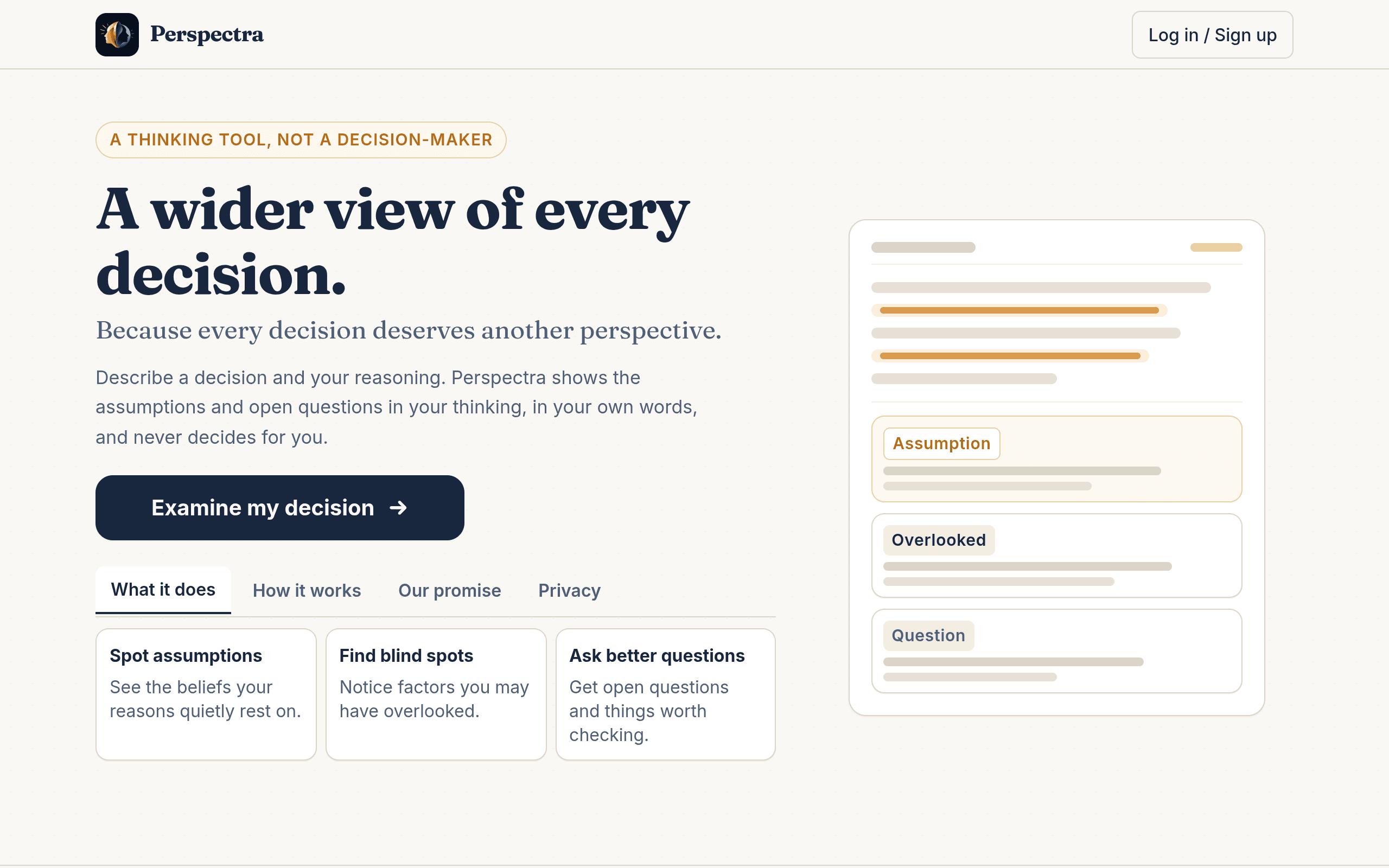
Blind-spot finder for your decisions: a 3-hour PromptWars solo build, vibe-coded with Google Antigravity

Perspectra is a structured-thinking tool that finds blind spots in your reasoning: it surfaces unstated assumptions, overlooked factors, and internal contradictions — exploring, never deciding for you. It was built solo in 3 hours at PromptWars (Google for Developers x Hack2skill, 2026-10-04), a hackathon format where "participants build vibe-coded solutions with Google Antigravity or Google AI Studio within limited time" (author's PROMPTWARS.md). AI score 90.28/100, ranked 45 of ~300, and the author kept iterating after the event. Stack: Next.js App Router + TypeScript, Gemini API, Firebase Auth, Firestore, Vercel (all author-stated); built with Google Antigravity (author-stated).

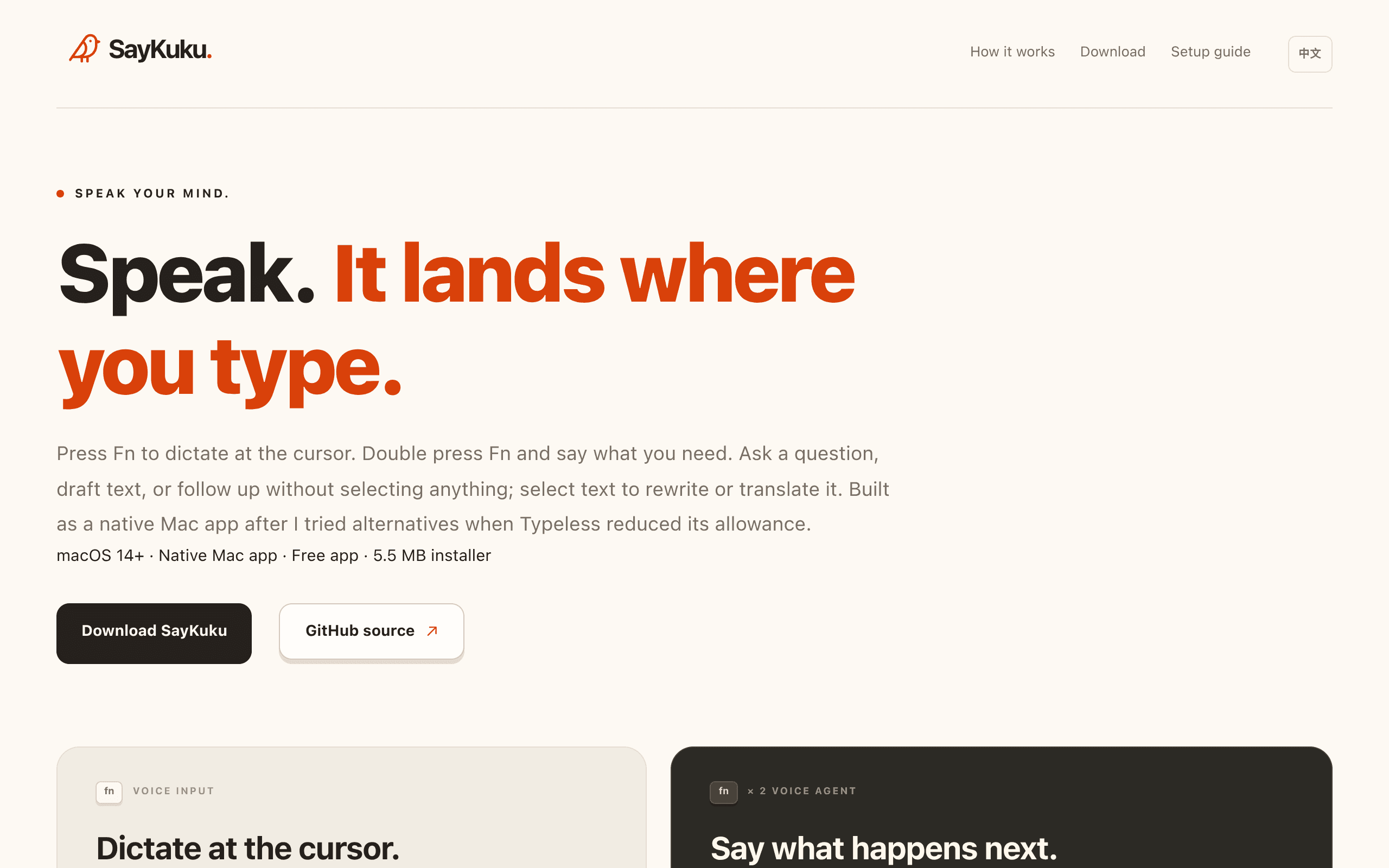
SayKuku
Showcase
Online
Productivity

SayKuku

免费开源 macOS 原生语音输入:按 Fn 在光标处听写,双击 Fn 唤起语音助手

SayKuku 是免费开源的 macOS 原生语音输入应用:按 Fn 直接在光标处听写,双击 Fn 唤起语音助手做改写、翻译与问答;免费、Apache 2.0 开源、自带 Qwen API Key(BYOK)。 作者在仓库的 Product Hunt 发布文档中写道:"I vibe coded SayKuku to keep the cursor where I already am"。仓库创建于 2026-09-20,已有 339 次提交与 2 个 release,技术栈为 Swift 6 / SwiftUI / AppKit(均为作者明确声明)。

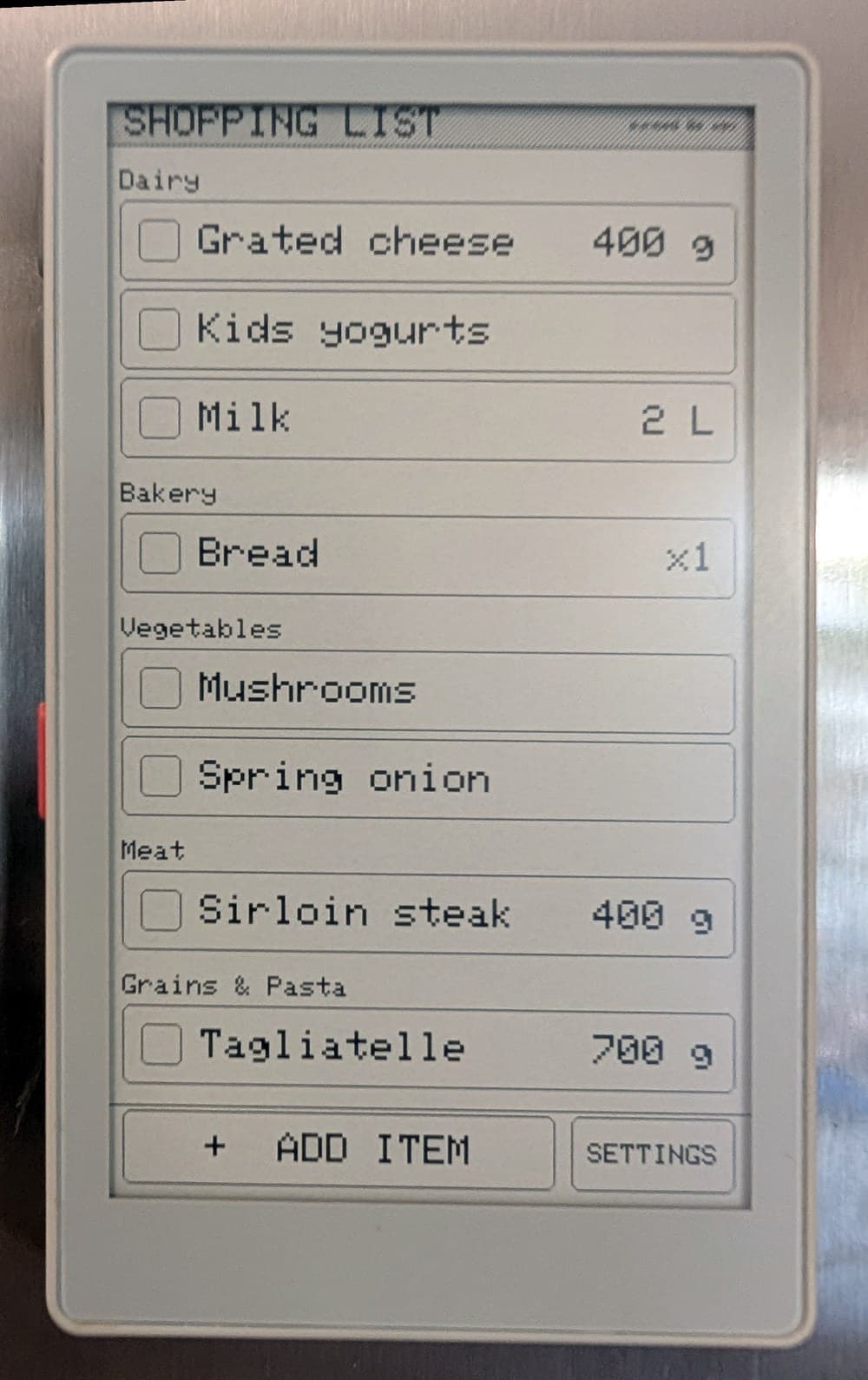
PaperMono Shopping List
Showcase
Online
Lifestyleclaude-code

PaperMono Shopping List

电子墨水冰箱贴购物清单:Claude Code 一人写就的 ESP32 硬件项目,203 星

把家庭购物清单贴在冰箱上的电子墨水屏:作者 seamusc 为 M5Stack PaperMono(ESP32-S3 3.97" 电子墨水触屏)写了约 2400 行 C++ 固件,配 FastAPI 后端与手机网页 UI,Wi-Fi 同步、离线可用、低功耗休眠。商品按过道自动分组,在手机上改清单,冰箱贴实时更新。 作者在 Show HN 帖中写道:"Fully vibe-coded with Claude Code, I didn't hand-write this. I wanted to see how Claude would get on with building something useful for a new hardware device." 仓库 203 星、152 HN points,2026-10-06 仍在提交——是少见的 AI 给新硬件写固件的实战案例。

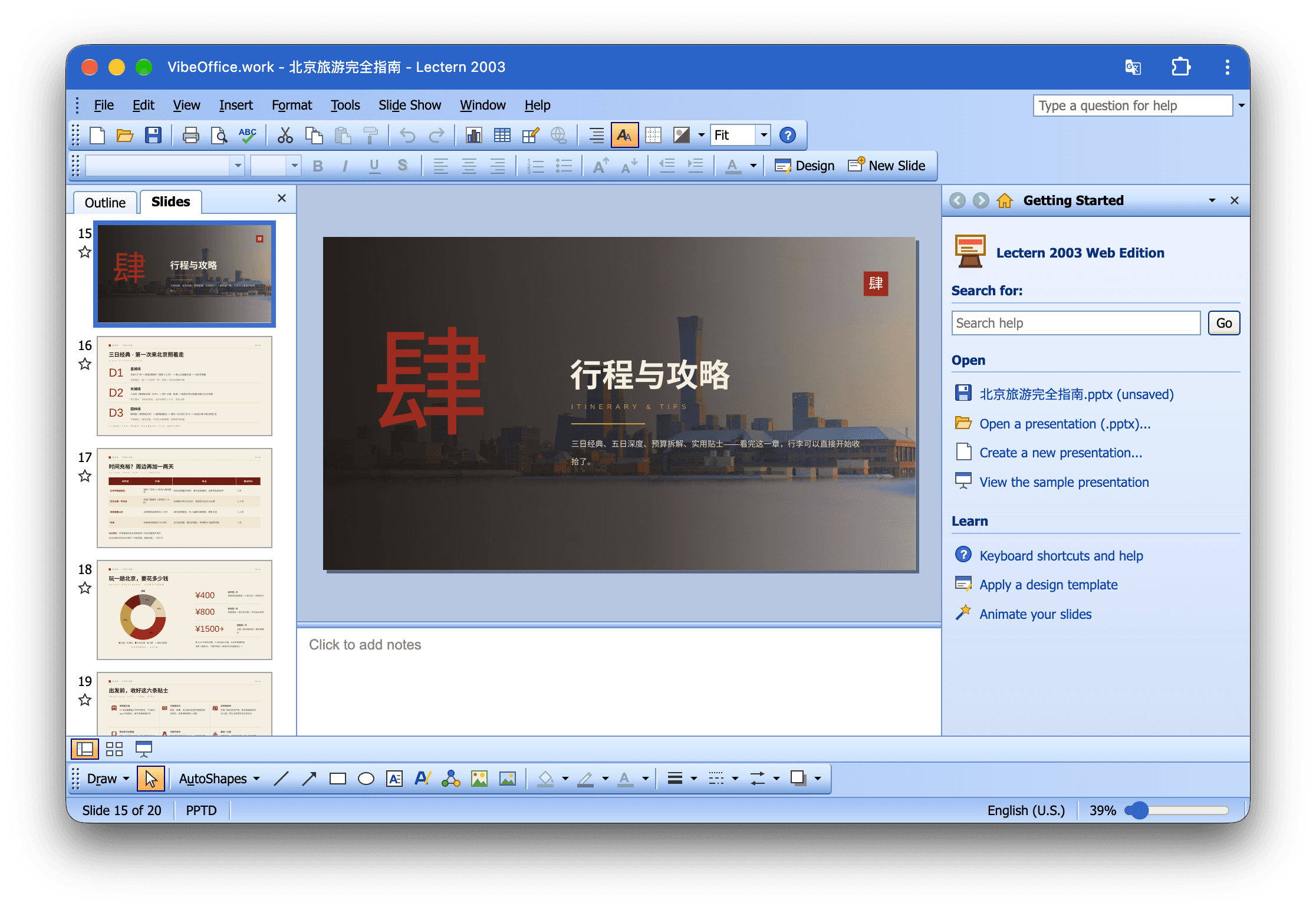
VibeOffice
Showcase
Online
Office

VibeOffice

浏览器里跑的 Office 2003 风格办公三件套:直接编辑真实 docx/xlsx/pptx,主打无损编辑

VibeOffice 是在浏览器里运行的 Office 2003 风格办公三件套:文字处理(Quire)、电子表格(Ledger)、演示文稿(Lectern),直接编辑真实的 docx/xlsx/pptx/markdown 文件,主打「无损编辑」——在原文档树上只改动需要改的地方,尽可能保留各种非预期属性,避免 LibreOffice 式转内部结构再导出造成的特性丢失。免安装、免账号、纯本机运行,可作 PWA 安装,也可只用一个静态 HTTP 服务器自行部署。 作者 tcchen 在 V2EX 发帖(2026-10-09)写道:“消耗了巨量 token 后,基本实现了除了 VBA 以外的常用 Office 功能”,并正在“消耗大量 token 实现「无损编辑」方案”,帖内回复更坦言复杂任务要用“high/xhigh 思考深度”,是典型的 AI 驱动开发全过程。仓库 tcchen2026/VibeOffice(Apache-2.0)创建于 2026-10-08,截至 2026-10-11 已获 349 个 star,一天涨粉 200+,作者仍在高频更新(最近提交 2026-10-10,正在修表格滚动与多语言支持)。作者明确声明技术栈为“plain HTML and JavaScript with no build step”。