项目大厅

探索全部独立开发者项目与共创求助

当前筛选:大赏展示社交社区
大赏
已上线
社交社区claude-code

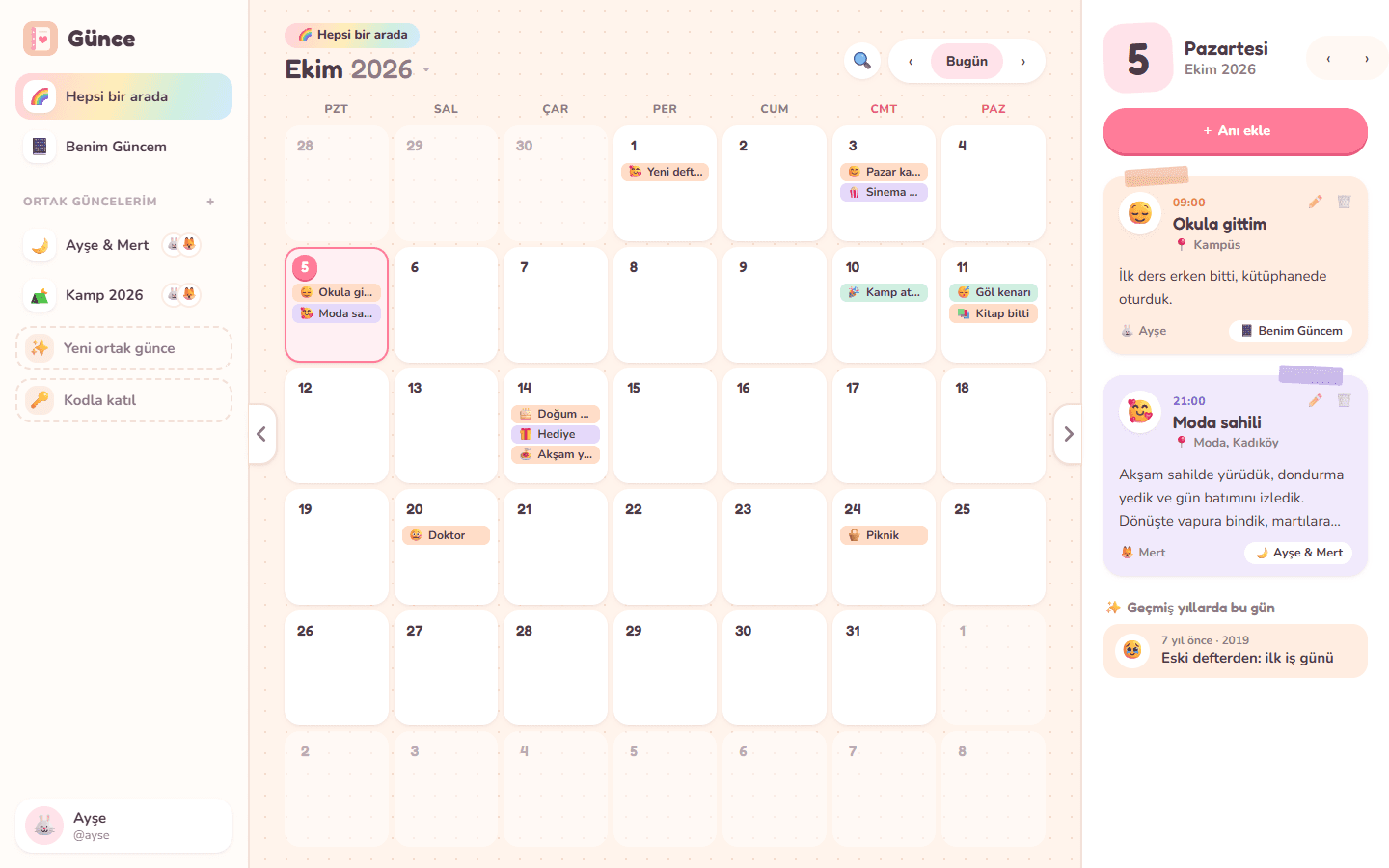
Günce

A cozy journal you keep alone or together — unlimited shared journals with friends and family on a calendar with no year limit.

Günce — an old Turkish word for "diary" — is a cozy journaling app built around a simple idea: some memories are yours alone, and some belong to the people you made them with. Everyone gets one personal journal, and you can start as many shared journals as you like with friends, partners, or family. Write about your morning in your own journal, then write about tonight's dinner in the journal you share with the people you went with. Shared journals are joined with an 8-character code or a /join/CODE link, and every member can add, edit, and delete memories. Everything sits on a monthly calendar with deliberately no year limit — any year from 1 to 9999, dates handled as plain strings so 1987 behaves exactly like 2026. A memory holds an optional time, a mood emoji, a short title, a place, and free text. The "everything together" view merges all your journals onto one calendar, colored by journal; the day panel shows "on this day" entries from other years; search spans titles, text, and places; and any journal exports to JSON. Auth is username plus scrypt-hashed passwords with sessions in HttpOnly SameSite cookies, and the privacy notes are refreshingly plain: only members of a journal can read it, and when you delete your account your personal journal is deleted while shared ones pass to the longest-standing member. The build story is stated verbatim in the README: "This project was vibe coded. It was built by describing the idea in plain language to an AI coding assistant (Claude Code) and iterating on the result together. A person tested it and steered the design, but no one wrote it line by line." The stack is kept small on purpose — Node.js 20 with Express, SQLite through better-sqlite3 stored in a single file, and a frontend of plain HTML, CSS, and ES modules with no framework and no build step, plus API tests via node:test. Deployment is a one-click Railway deploy or a Docker run; SQLite lives on one disk, "plenty for friends and family." It is young — created October 5, 2026, 14 commits, 2 stars, pushed within the last week — and honest about what's missing: no photos on entries yet, no reactions or comments, no real-time updates (open tabs refresh every 45 seconds), and the UI speaks Turkish and English. For a shared family or friends journal that you host yourself, that is a fair trade.
大赏
已上线
社交社区claude

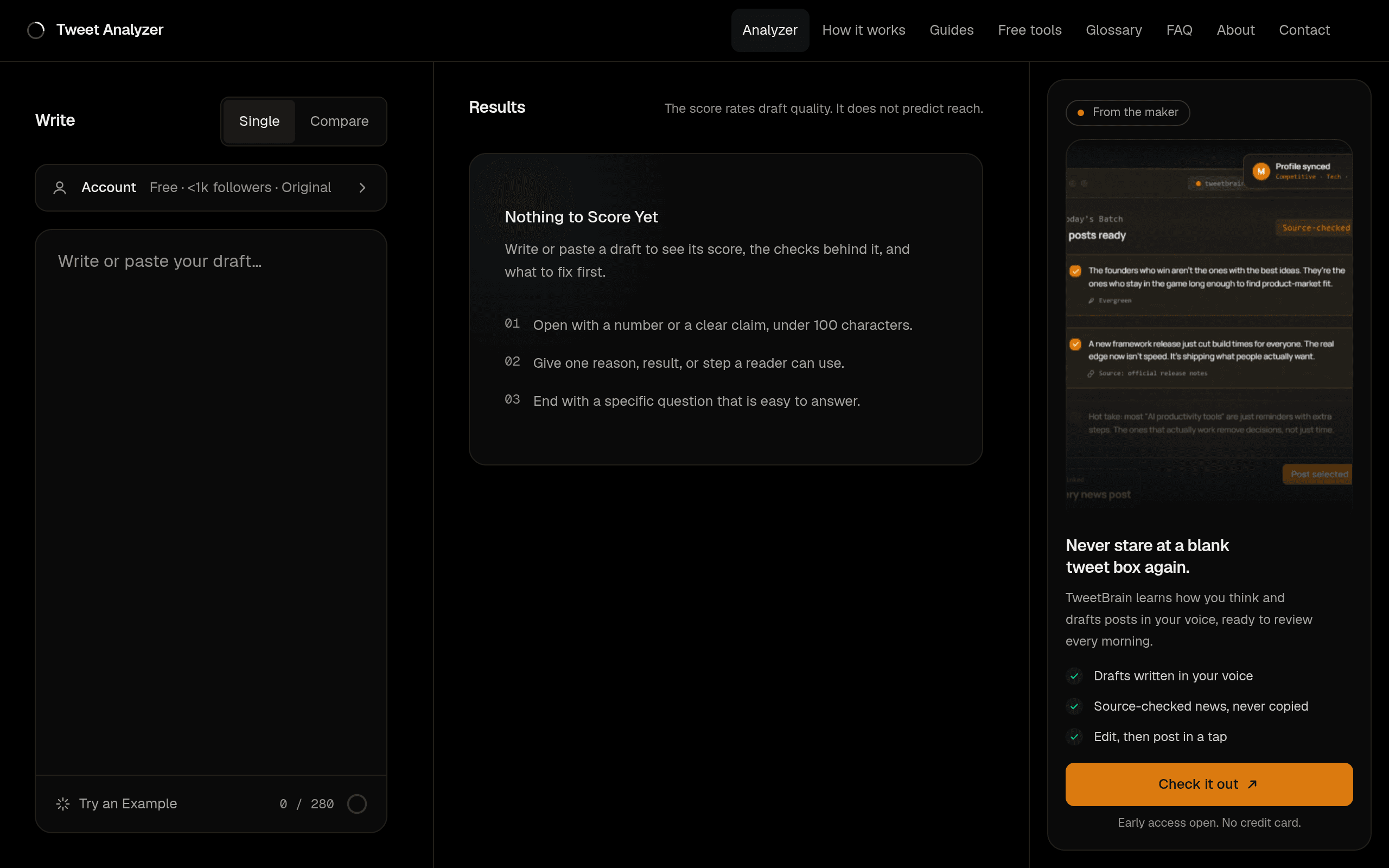
Tweet Analyzer

Score your X drafts 0–100 on hook, specificity and answerability — rates draft quality, not virality, no login needed

Tweet Analyzer scores your X (Twitter) drafts 0–100 across dimensions like hook strength, specificity and answerability, then tells you exactly what to fix first. The scoring rules are grounded in X's own open-sourced ranking code (xai-org/x-algorithm) rather than guesswork, and the maker is refreshingly honest about the limits: the score rates draft quality, not reach — "It does not predict reach." The tool needs no login: paste a draft, get a score plus the checks behind it, and compare variants side by side. The author, imranshah10140, wrote on Show HN (2026-10-14): "I built this tool with a lot of help from Claude, for both the code and the research." The site also hosts guides, a glossary and free tools around X writing.

大赏
已上线
社交社区claude-code

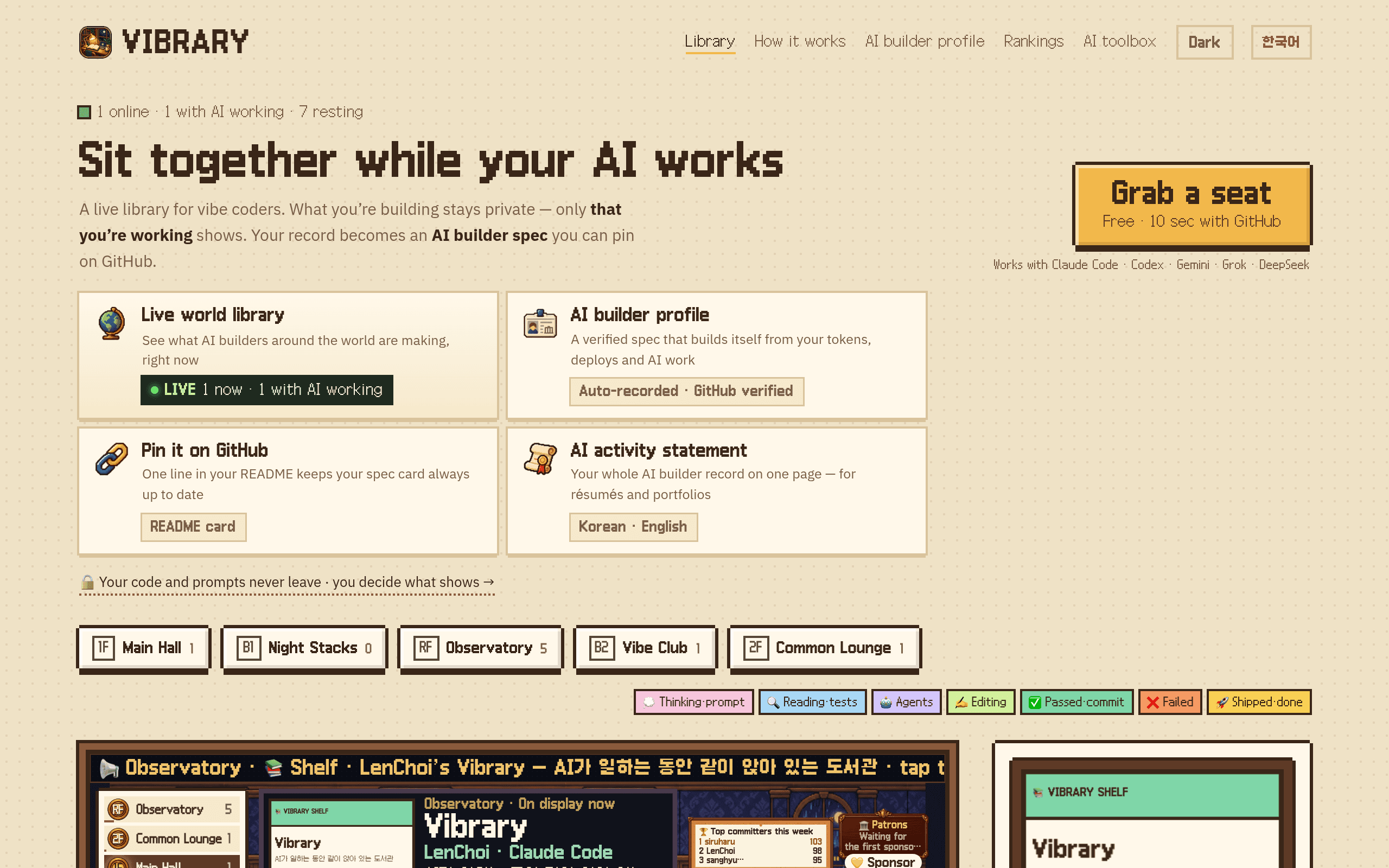
Vibrary: a live pixel library for vibe coders

A live pixel-art library where vibe coders sit together while their AI builds — only activity numbers ever leave your machine.

What it isVibrary is a live pixel-art library where vibe coders sit together. You install a small CLI (npm), grab a seat, and your pixel character takes a desk while Claude Code, Codex, Gemini CLI, Grok, or DeepSeek does the actual work on your machine. Speech bubbles over your character show what your AI is doing in real time — thinking through a prompt, editing files, running tests — and when someone deploys, the whole room applauds. It's the cozy coworking feeling of a late-night library, minus the commute. Privacy-first by designThe part that matters most: nothing you build ever leaves your machine. No prompts, no AI replies, no code, no file paths, no commands, no repo names. The CLI counts activity numbers locally (thinking, reading tests, editing, passed commits, shipped) and only those numbers are sent to the server, which you can verify in the CLI source. Your seat's visibility is entirely your choice, and the homepage even shows you exactly which fields go out. Built for buildersVibrary turns your coding activity into an AI builder profile: an automatically recorded, GitHub-verified spec card built from your tokens, deploys, and AI work. One line in your README keeps the card always up to date, and there are weekly leaderboards for the most active builders. It also has an AI toolbox directory and four-language support (including Korean and English). vibe-coded, honestlyThe author's dev.to post (2026-10-12) is the rare kind of evidence we like: "Almost all of the code was written with Claude Code; I did the planning, the pixel art direction and a lot of testing." He also admits upfront that "the real library is still small" — a work in progress growing with its community. When I checked, the room was alive: 1 online, 1 with AI working, 7 resting. Under the hoodTech stack per the author: Next.js, Supabase Realtime for the presence layer, and an ed25519-signed self-updating CLI. Runs on Windows/macOS/Linux via npm; the web library is free with GitHub login. Who it's forSolo developers who miss the energy of coding around other people; anyone curious to see live what AI builders around the world are shipping right now; and vibe coders who want a fun, verifiable record of their AI-assisted work.

大赏
已上线
社交社区claude

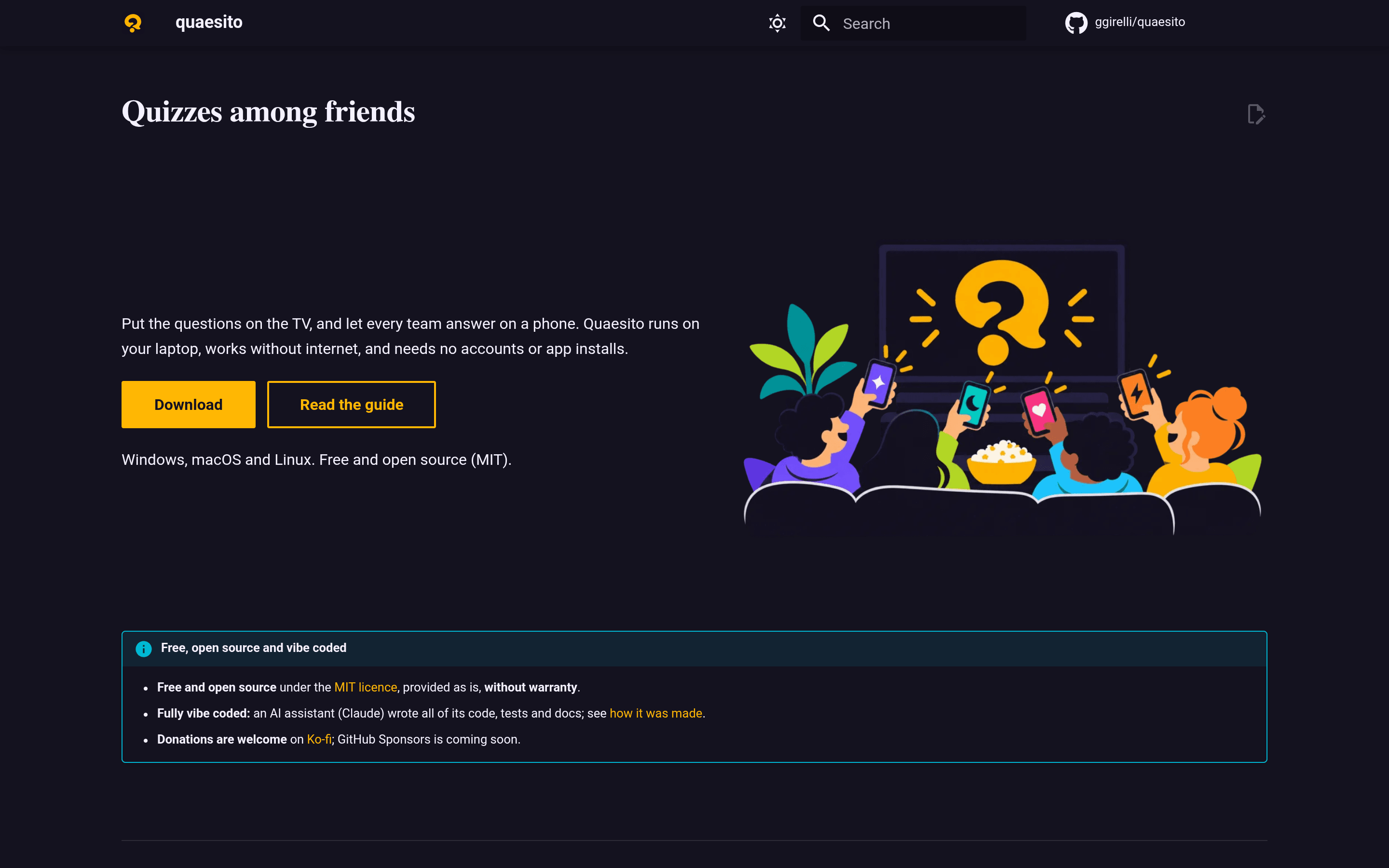
Quaesito

Self-hosted quiz-night party game: host questions on your laptop, friends answer by phone — no internet, no accounts, no app installs.

Quaesito is a self-hosted quiz-night party game: the host runs the quiz on their laptop's browser, the questions go up on the TV or projector, and friends join from their phones by scanning a QR code — teams, timed rounds, scoring, a live leaderboard and a winners' podium included. There is no internet requirement, no accounts, and no app to install. Question types cover text, images, video and audio rounds. In the author's own words, straight from the README: "Fully vibe coded: an AI assistant (Claude) wrote all of its code, tests and docs." The repository — created in October 2026 — already has 145 commits and 3 releases, so this is not a one-shot demo; it is being actively built out with Claude writing the tests and documentation alongside the code. How a game night works The host opens the laptop app and prepares a quiz deck; the board renders on the big screen while each team plays from a phone browser. Rounds are timed, scores roll in live, and the night ends with a podium animation — a full party format without a single install. Because everything runs locally, it works in cabins, basements and bars with dead Wi-Fi. Under the hood Quaesito is written in Rust with the Dioxus UI framework, ships as native binaries for Windows, macOS and Linux, and is released as free and open source under the MIT license. The documentation site even walks through exactly how it was made with AI assistance, making the repo a case study in what a fully vibe-coded codebase can look like when tests and docs are written too.

大赏
已上线
社交社区lovable

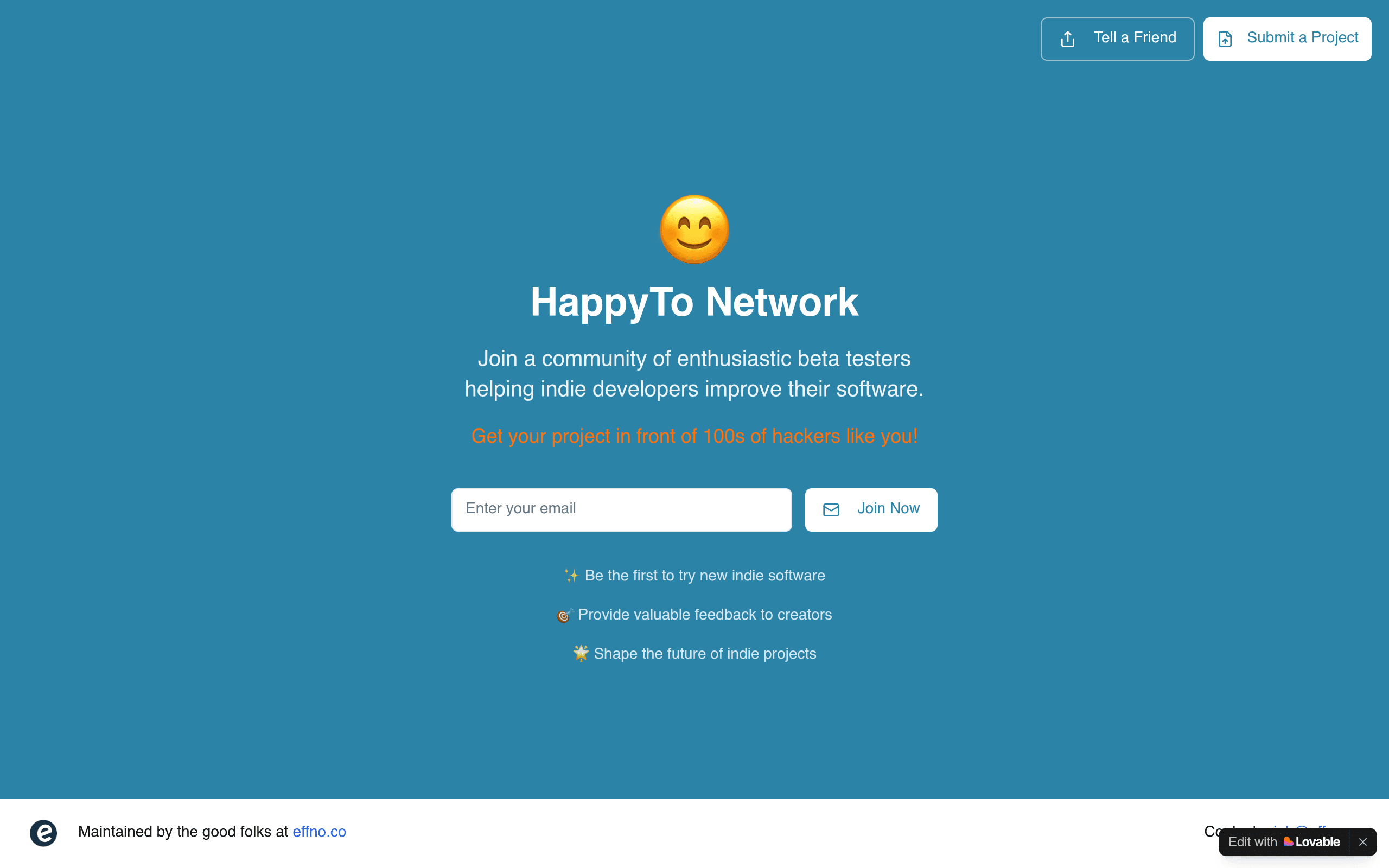
HappyTo

An indie hacker feedback community: get your early project in front of hundreds of friendly beta testers.

HappyTo is a feedback community for indie hackers: submit your early-stage software project and get it in front of hundreds of friendly beta testers who want to try new indie software and give creators real feedback. The landing page doubles as a project submitter plus an email list — "Join the Happy To network" — maintained by the effno.co folks, with an "Edit with Lovable" badge on the site. The author shipped it as a pure prompt-driven build, titling the Peerlist launch post "My first vibe coded app - HappyTo": "Just finished my first 100% prompted app. I'm an experience full stack engineer so that was a trip." — an experienced full-stack engineer building their first app through prompting alone.

大赏
已上线
社交社区replit

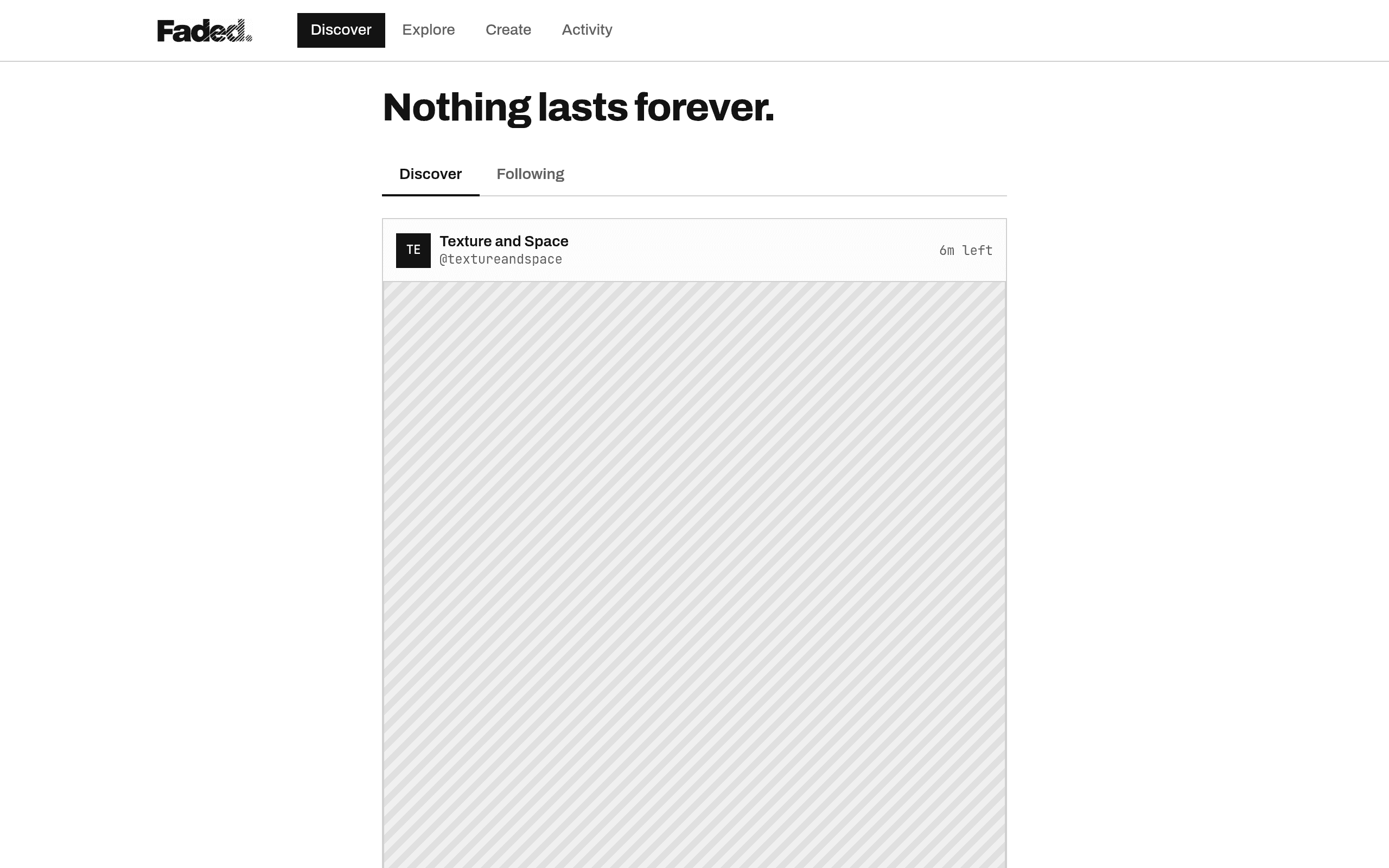
Faded

A photo social app where every photo expires — images fade and blur as their shelf life runs out.

Faded plays with digital scarcity. Every photo has a shelf life — by time or by view count. The closer it gets to expiring, the more the image fades and blurs; when it expires, the photo disappears and only the comments remain. The author's own confession on Show HN: 'And, yes its vibe coded, built on replit.' The live site already has real users posting, and the fading-photo mechanic is genuinely playable. 'Nothing lasts forever' as a product mechanic — a small, honest idea executed live. curated by the VibeFix editors

大赏
已上线
社交社区claude-code

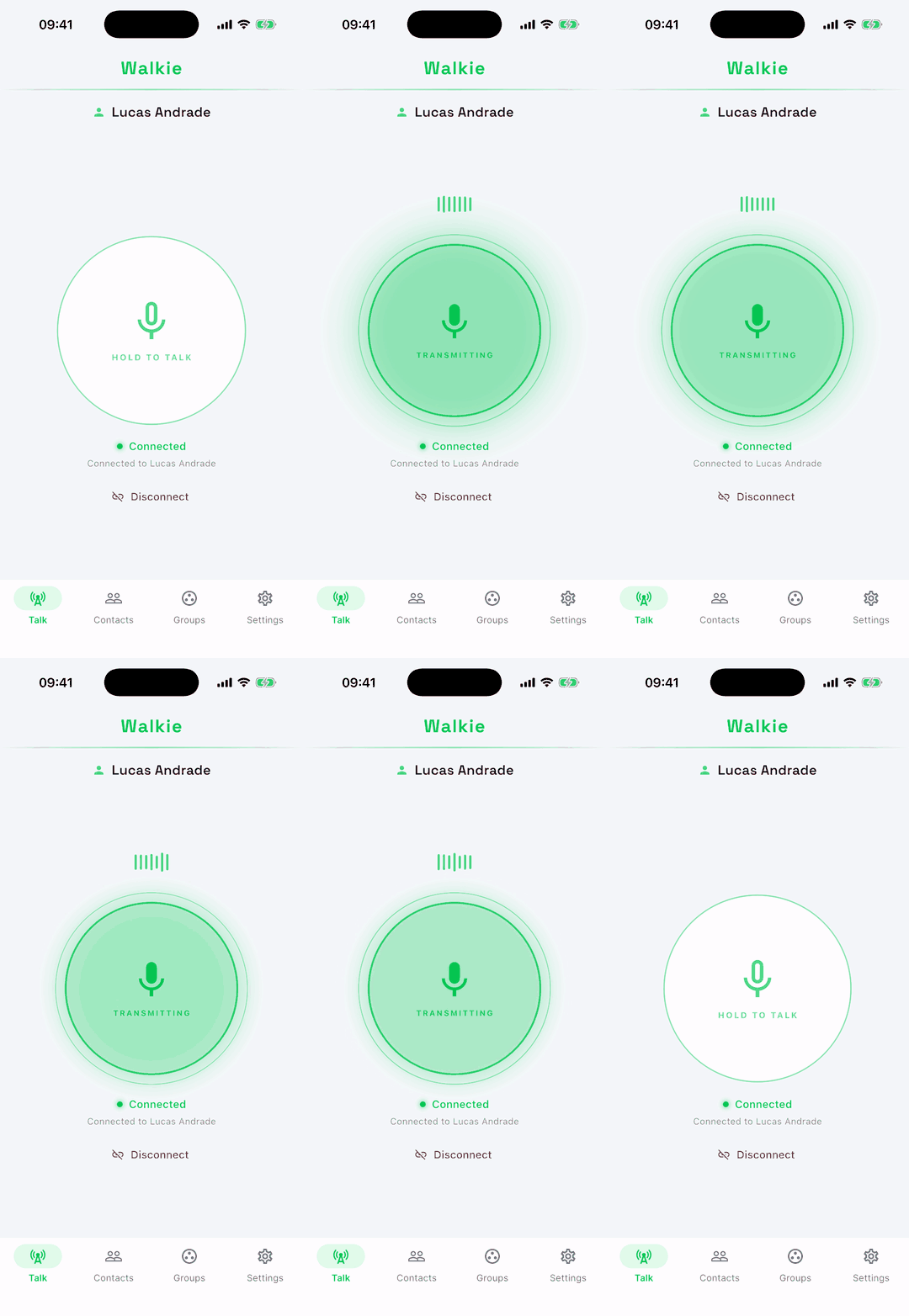
Walkie

Push-to-talk voice app for Android and iOS: hold the button, talk, and your contacts hear you instantly. Real-time WebRTC audio with groups and presence.

Walkie is a real-time push-to-talk voice app for Android and iOS — think classic walkie-talkie, rebuilt for the smartphone era. Hold the button, talk, and your contact or group hears you instantly. Every participant joins muted and the microphone opens only while the button is held, with echo cancellation, noise suppression and speech-optimized audio keeping it crisp. Under the hood it's a serious piece of engineering: WebRTC audio over LiveKit for direct and group rooms, connection requests traveling over Supabase Realtime broadcast channels so the other person gets an "Incoming connection" sheet to accept or decline, online status via Realtime Presence, and a foreground service that keeps the audio session alive when the app is minimized. Contacts work by username or 6-digit Walkie ID, and security was clearly thought through — LiveKit room tokens are issued by a Supabase Edge Function that verifies the session, so no secret ships inside the binary, and all seven tables are protected by Row Level Security. The build story is the VibeFix part: it's a personal project by Antonio Pignataro, implemented end-to-end with AI coding agents (Claude Code) under his direction. He defined the product and the layered architecture and validated every feature on a real device — including a late iteration that moved LiveKit token signing out of the app and into the Edge Function. Light and dark themes included, and the README documents everything from the ES256 token flow to running it locally. Note: This project is curated by the VibeFix editors from public sources. All rights belong to the original creator.

大赏
已上线
社交社区

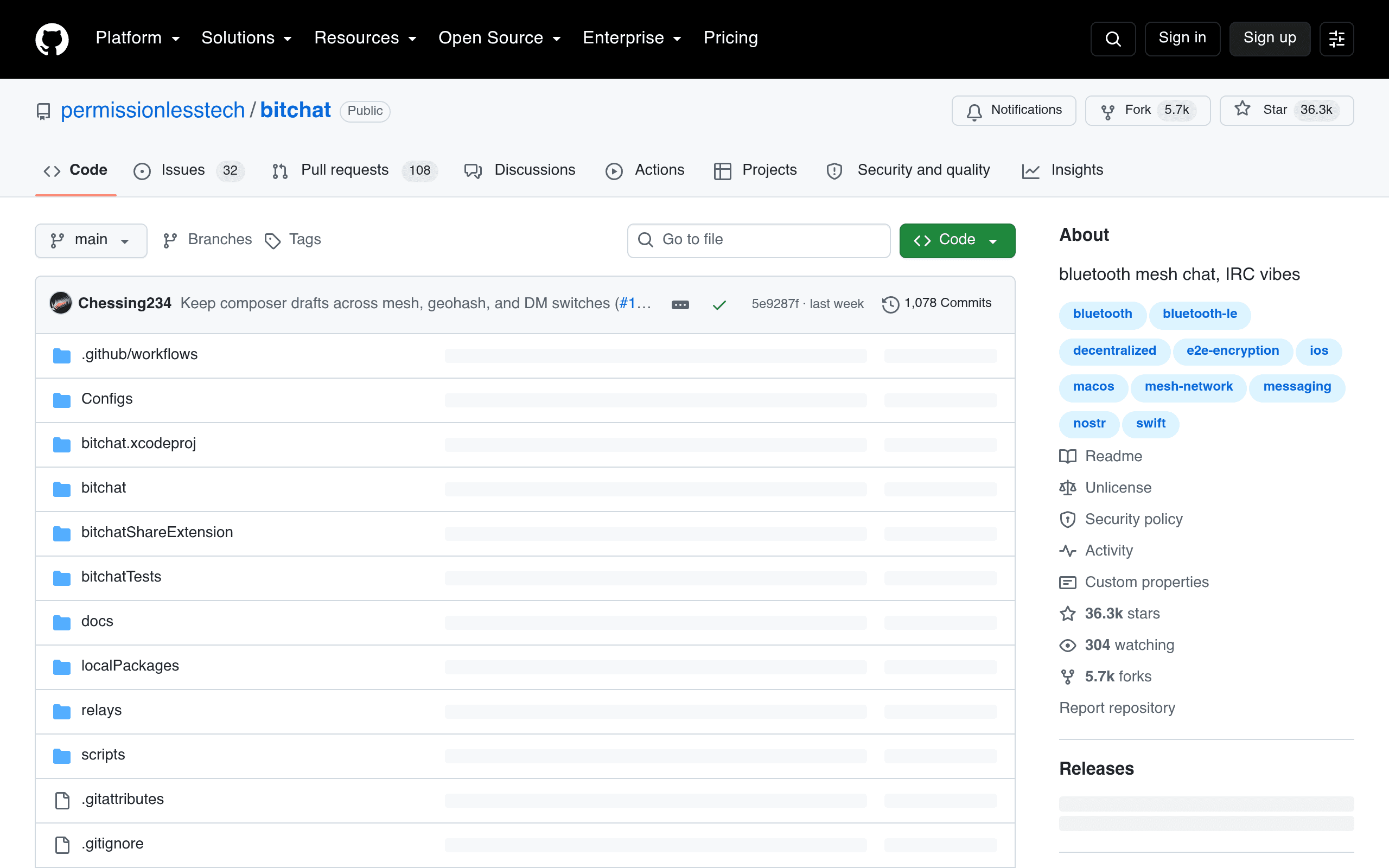
Bitchat

Jack Dorsey vibe-coded a Bluetooth mesh messenger over a weekend — no internet, no servers, no phone numbers.

Bitchat is the most famous weekend project in vibe coding history: Twitter co-founder Jack Dorsey built an encrypted messaging app that works without the internet, and he did it in about two days with an AI coding assistant. His stated goal was modest — "my weekend project to learn about Bluetooth mesh networks" — but the result became one of the most-starred vibe-coded repositories on GitHub, with over 36,000 stars. The app itself is a genuinely interesting piece of engineering. It uses Bluetooth Low Energy mesh networking so phones within roughly 100–300 meters can relay encrypted messages peer-to-peer, no Wi-Fi, no cell service, no central servers, no phone numbers or accounts. Messages are ephemeral by default, channels can be password-protected, and there's a panic mode that wipes all data with a triple-tap on the logo. Dorsey compared it to FireChat, the mesh messaging app popular during Hong Kong's protests in the early 2010s. The vibe-coding story is unusually well documented because Dorsey wrote about the process. He used Goose, Block's open-source AI coding agent, as part of a self-imposed challenge: "build something every day that I didn't think I was capable of." His verdict: "I'm always surprised at how much…just works." The core worked within a day; private messages and channels were added the next day. Here's the part most retellings skip, and it's the most valuable lesson: security researchers promptly found real flaws — impersonation risks, broken authentication, forward-secrecy issues. Dorsey's team had to add explicit warnings that the protocol hadn't received external security review. Bitchat is the perfect case study for both sides of vibe coding: an experienced builder can ship a working, genuinely novel product in a weekend with AI — and precisely because it shipped so fast, the security review that normally takes months didn't happen. Speed is real. So is the debt. Note: This project is curated by the VibeFix editors from public sources. All rights belong to the original creator.

大赏
已上线
社交社区

秀一秀

中文 vibe coding 作品展示社区:已收录 142 个 AI 编程作品,网站、App、游戏和实验项目都能晒。

VibeFix 做的也是 AI 项目展示(中英双语),而中文世界也有人在做同样的事——秀一秀就是一个纯中文的 vibe coding 作品展示平台。它的定位写得很直白:"收集用户通过 vibe coding 开发的网站、App、游戏和实验项目,记录作品和制作过程。" 打开首页,平台已经颇具规模:142 个已展示作品、7 个分类,搜索、热门标签、提交作品入口一应俱全。最新作品流里能看到 AI 角色创作画布、AI 绘画工具、刷短视频式体验 AI 编程小游戏的作品区——某种程度上,它就是中文 vibe coding 圈的"作品集市",每个作品都附带制作过程记录,方便后来者学习是怎么"vibe"出来的。 这类平台的价值在于解决一个真实痛点:vibe coding 的作品往往散落在各个开发者的个人域名和社交媒体动态里,缺乏一个中文的、可检索的聚合地。秀一秀把"展示"和"过程记录"绑在一起,既满足了作者想被看见的需求,也给围观者提供了可复制的路径。 对于 VibeFix 的读者来说,秀一秀本身也是一个选材富矿:142 个中文 vibe coding 作品,按分类和标签可检索,是追踪中文社区在"vibe"什么的好去处。 注:本项目由 VibeFix 编辑从公开渠道精选收录,版权归原作者所有。

大赏
已上线
社交社区

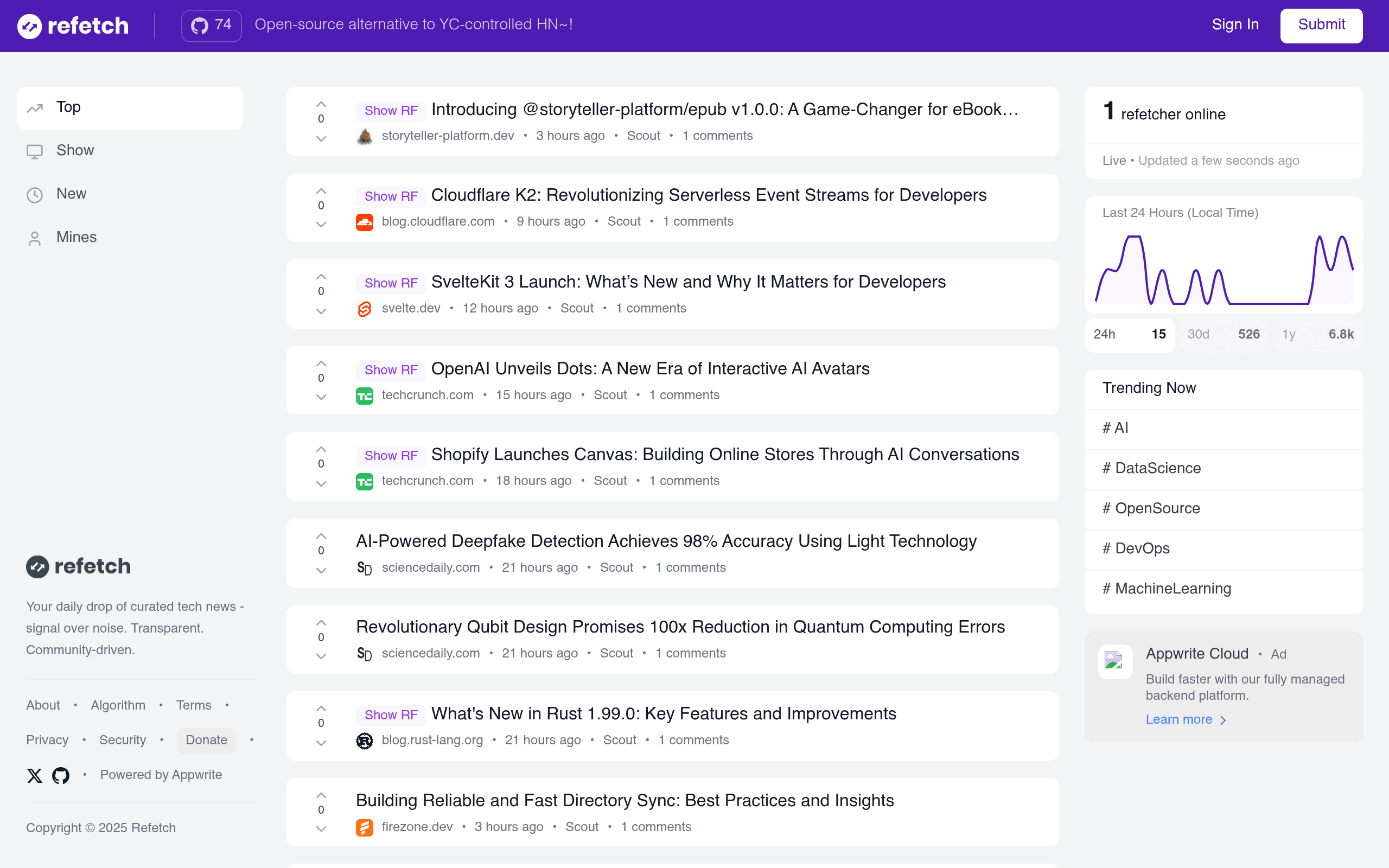
Refetch

An open-source, AI-curated alternative to Hacker News — modern UX, transparent ranking, and community-driven content.

Refetch started with a blunt premise: Hacker News works, but it's controlled by Y Combinator, looks like 2007, and its ranking is a black box. What if a community built a modern alternative — and what if the whole thing was vibe-coded? The README says it plainly: "Refetch was initially 100% vibe-coded, but we're excited to welcome contributions from humans too." The site is live and genuinely usable: a clean feed of curated tech news with upvotes, comments, trending topics, and a "Show RF" section for launches. Behind it sits a surprisingly serious architecture — Next.js 15 with App Router, TypeScript, Tailwind CSS, and Appwrite for the backend (auth, database, serverless functions). Scout functions automatically discover quality tech content from 20+ sources; enhancement functions add AI metadata, quality scores and translations into 12+ languages; a documented ranking algorithm weighs time decay, quality and engagement. The ranking code is public, which is the whole point: transparent algorithms you can read and improve. What makes Refetch a great vibe-coding case study is the trajectory. It didn't stay a demo — it grew into a real product with real users, a Chrome extension, multilingual support, and a contributing guide. The vibe-coded foundation got it to "exists and works"; the open-source community is taking it from there. That's arguably the healthiest possible lifecycle for an AI-built app: the agent does the 0→1, humans do the 1→n. Note: This project is curated by the VibeFix editors from public sources. All rights belong to the original creator.

大赏
已上线
社交社区claude-code

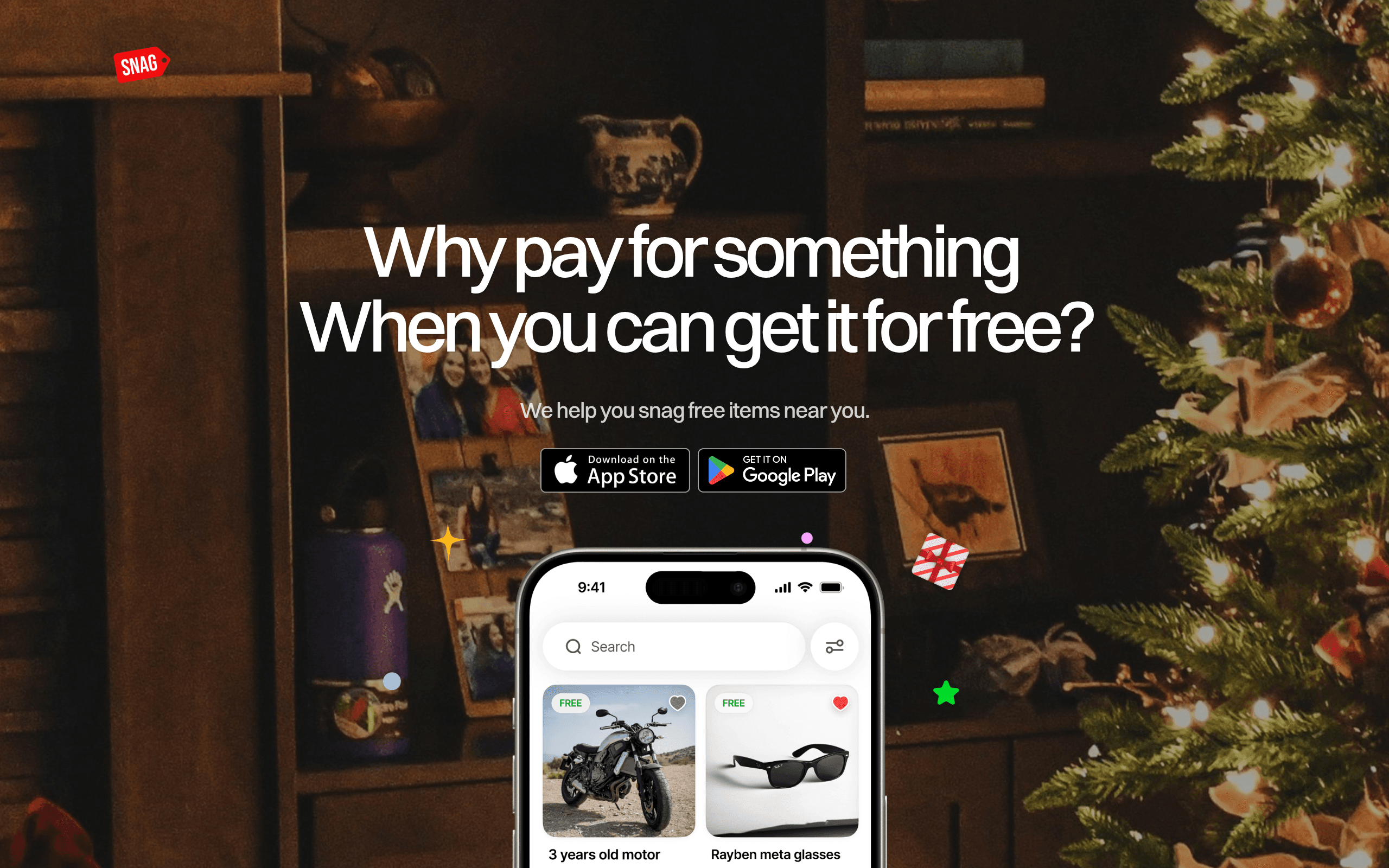
Snag

A 20-year-old NYU student ships a new app every 4–5 hours: humans design in Figma, Claude Code writes the code.

Snag answers a simple question: "Why pay for something when you can get it for free?" It's a local marketplace for free stuff — neighbors list items they no longer need, others snag them nearby. The homepage shows the pitch plainly: a phone mockup with free listings, App Store and Google Play buttons, and 3.3K App Store ratings behind it. The story behind it is the real headline. Benjamin "Benji" Chen is a 20-year-old NYU student who has shipped 45+ apps with a ruthless system: humans do UI design in Figma while Claude Code, running in the IDE, generates the code — roughly 4 to 5 hours per app — with Supabase as the backend. Snag is the one that stuck: $30K a month, 100K users, and 9K of them converted to paid. It's vibe coding treated not as a party trick but as an assembly line. Note: This project is curated by the VibeFix editors from public sources. All rights belong to the original creator. - Verification: curl https://snagapp.com returns 200; Microlink screenshot shows "SNAG / Why pay for something When you can get it for free? / We help you snag free items near you." — matches the project.

大赏
已上线
社交社区cursor

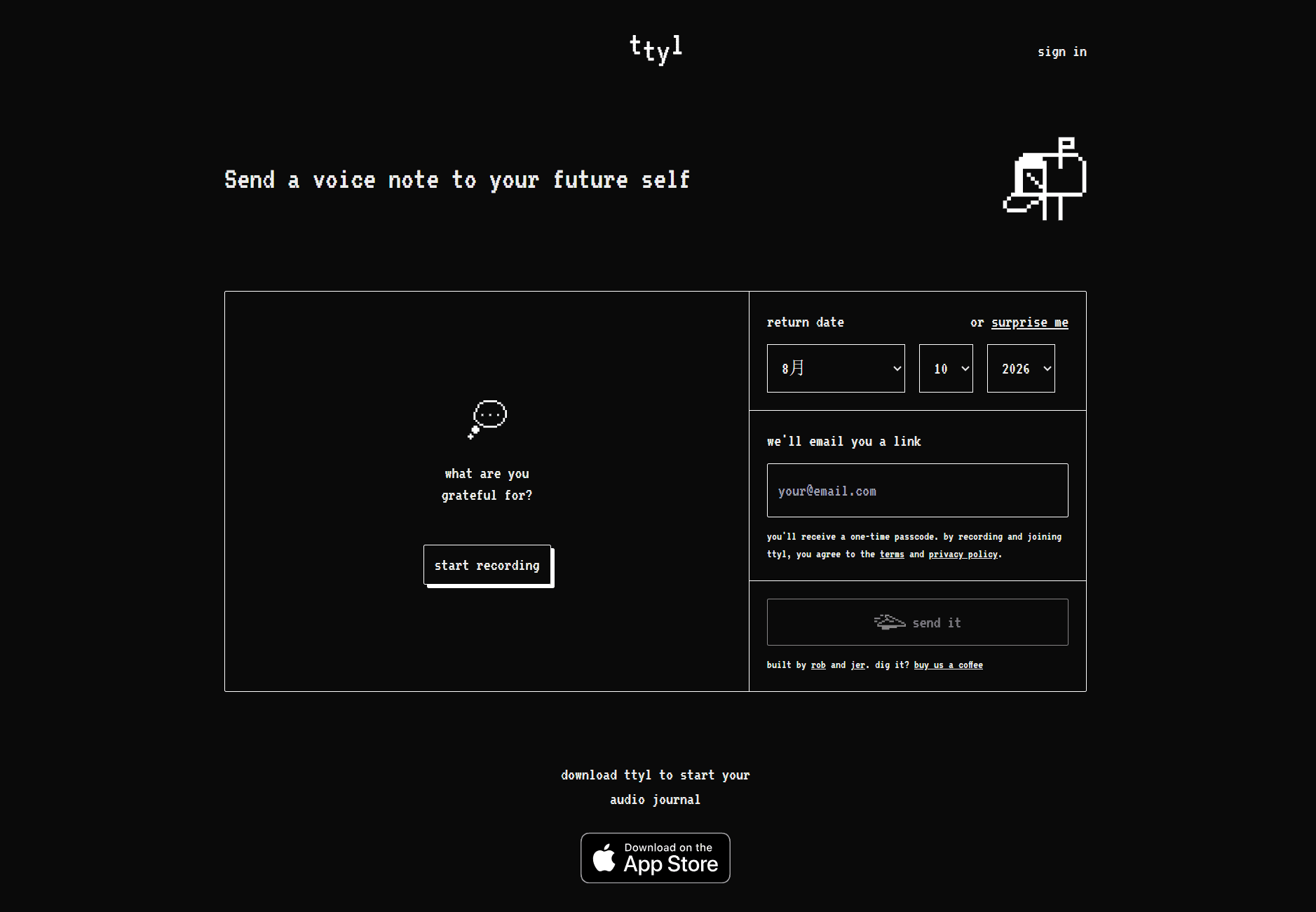
ttyl

Record a voice message for your future self.

ttyl is a lightweight, emotionally driven voice-message app. Users record a message in the present and schedule it to be delivered to themselves in the future, turning an ordinary voice note into a conversation across time. Built by Off-Trail Studio founder Robinson Greig with Cursor, it is a strong example of vibe coding applied to personal expression, emotional connection, and interactive experiences.

Ian‌@Ian‌
0
0
75
0