Ant's LingGuang Crashes from Its Own Virality: 1M Downloads in 4 Days, an App from a Sentence in 30 Seconds
Ant Group's LingGuang, launched last week, passed one million downloads in four days, topping Apple's China App Store free utilities chart — its “flash program” feature crashed under the traffic. Describe an idea in natural language, get an interactive app in 30 seconds. Ant says it hit a million downloads faster than ChatGPT and Sora.
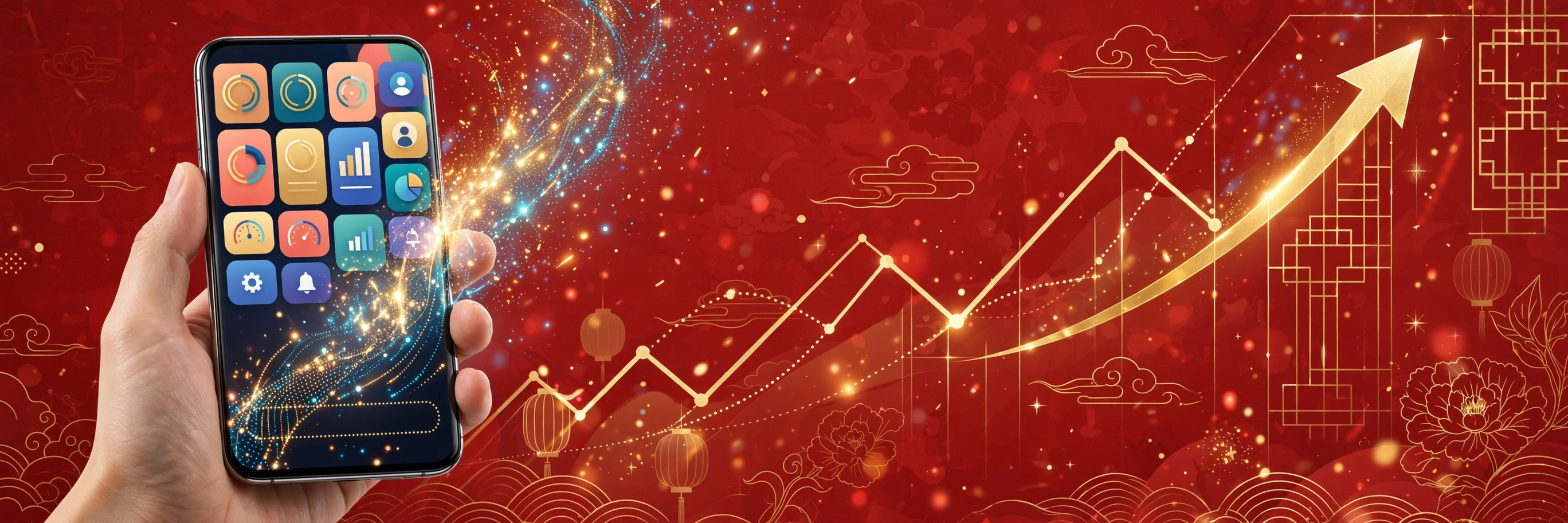
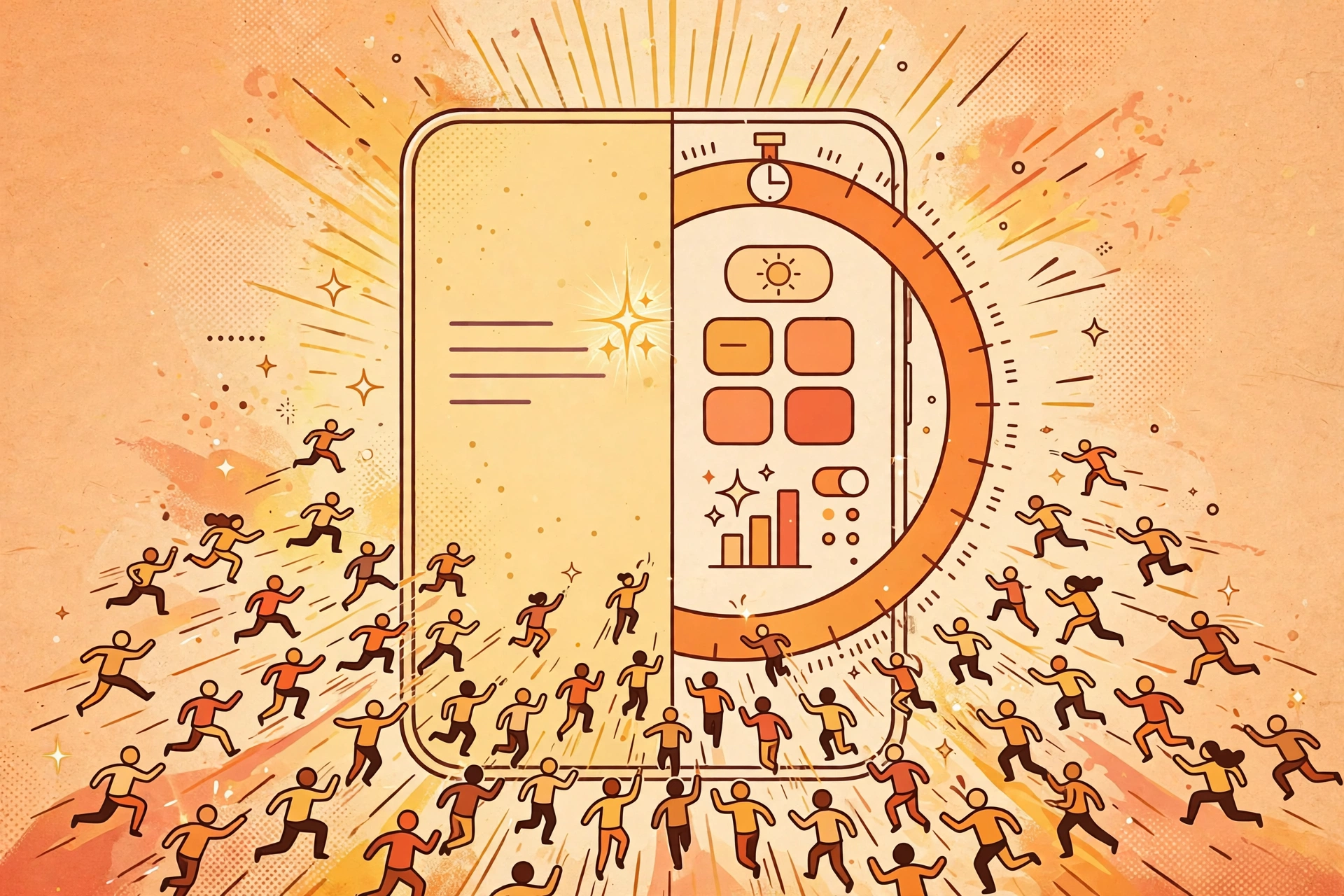
One million downloads in four days
Ant Group launched an AI app called LingGuang last Tuesday. It passed one million downloads in four days and crossed two million by Monday, hitting #1 on Apple's China App Store for free utilities and #6 overall among free apps. How hot is it? Its flagship “flash program” feature was knocked offline by the flood of users.
Ant Group CTO He Zhengyu said at launch that LingGuang gives every user “their own personal AI developer” in their pocket: someone who can code, create visuals, build programs, and turn complex ideas into simple solutions.
Thirty seconds, from a sentence to an app
Flash programming is straightforward: describe what you need in natural language, and get a personalized, interactive app in 30 seconds. According to Ant Group, people are already building things like kid activity generators and car cost calculators.
Ant also claims LingGuang hit its first million downloads faster than ChatGPT and Sora.
“LingGuang is bringing every user their own personal AI developer: someone who can code, create visuals, build programs, and turn complex ideas into simple solutions — right in your pocket.” — He Zhengyu, CTO of Ant Group
More than text-to-app
Beyond flash programming, LingGuang is pitched as a multimodal AI tool: it can generate 3D models, interactive charts, and animations to help users grasp abstract concepts, plus an “AGI camera” that understands inputs in real time and helps analyze or edit photos and videos on the fly.
An interesting mirror image: just last week, Lovable announced $600 million in annualized revenue. On both sides of the Pacific, vibe coding is entering its mass-adoption phase at the same time — enterprise-grade revenue on one side, million-download consumer products on the other. Vibe coding is growing out of its geek-toy phase into a tool for everyone.
Sources
Related articles
On October 8, 2026, Google Cloud launched the Gemini agent at Gemini at Work 2026: a universal agent for work that takes objectives, plans by itself, auto-selects between Gemini and Claude models per task, and introduces 'coworker agents' with their own email, calendar, and directory seat. Four judgments on why the second half of the agent race is about 'agents that feel like colleagues.'

On October 3, 'Sites in ChatGPT' hit the HN front page with ~209 points and 218 comments. Not a launch — a reckoning: is prompt-to-URL a toy, a prototype host, or a productivity tool? The four debates, the doc-backed facts (D1/R2, sign-in, custom domains), and three verdicts for vibe coders.

Gergely Orosz visited OpenAI, Anthropic, Cursor, and Ramp and wrote up the 2026 state of the industry: near-100% AI-generated code, agent PRs up ~10x in eight months, code review degrading into theater, the IDE declared legacy. Key takeaways plus three verdicts and four actions for vibe coders.