ByteAsk Raises $1M Led by YC: AI Coding Finally Remembers C/C++ Developers
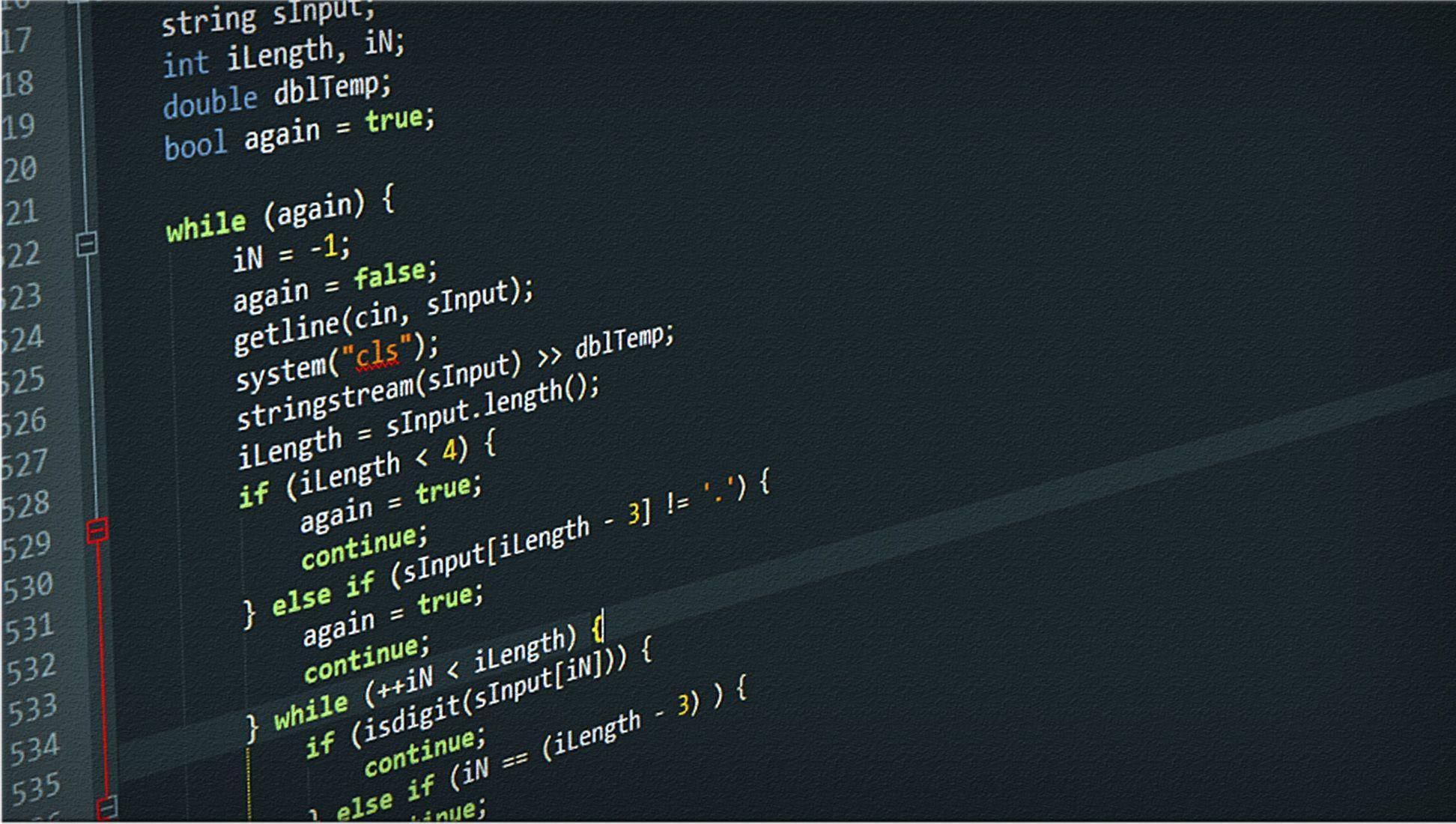
On September 25, AI coding startup ByteAsk announced a $1M pre-seed round led by Y Combinator. Founded only in June 2026, the company does one thing: AI coding agents for C/C++ developers. The wedge is sharp — generic agents shine in Python/JS but fall apart in high-frequency trading, automotive, and embedded systems, where one wrong line can be catastrophic.
What happened: a small raise, an overlooked market
On September 25, San Francisco-based AI coding startup ByteAsk announced a $1 million pre-seed round led by Y Combinator, with Entrepreneur First and angel investors from global quantitative trading firms participating. Founded in June 2026 by Anirudha Kulkarni and Pratyush Saini (both IIT Delhi computer science graduates), the company has been selected for Y Combinator's Fall 2026 batch.
The amount is small, but the direction matters: ByteAsk builds AI coding agents exclusively for C and C++ developers, targeting high-frequency trading, automotive, defence, aerospace, robotics, embedded systems, and semiconductors — all industries where software reliability, performance, and verification are critical.
Why C/C++: generic agents don't survive here
The founders' diagnosis is direct: generic AI coding tools have systematic weaknesses in C/C++. In these domains, debugging, memory management, performance, and correctness matter as much as code generation — while mainstream agents are precisely "strong at generating, weak at verifying." A broken Python script just gets rerun; a wrong line of C++ in a trading system can be a real-money incident.
So ByteAsk inverts the product logic: not generation-first, but grounding, debugging, and verification-first. Its agent works with the real toolchain — compilers, debuggers, test suites — building and testing changes before presenting them to developers. YC describes it as an AI coding agent that "builds, debugs and tests changes using the real toolchain" and can run fully on-premises — a hard requirement for defence and finance customers.
The numbers: 89% vs 61% on its own benchmark
ByteAsk published internal evaluations: on real firmware engineering tickets, its grounding environment enabled a smaller model to resolve 89% of tickets, versus 61% for the best frontier model tested without the environment. The company notes these are its own evaluations, not independently validated.
Two more business metrics: engineers use it roughly 6x more intensively per day than a comparable open-source coding agent, with weekly active users doubling week-on-week — both company-reported early numbers. Discount accordingly, but the direction is credible: where the verification loop is done right, a small model plus good tooling can beat a bare frontier model — exactly ByteAsk's bet.
Our take: AI coding is specializing
This raise's symbolism outweighs its size: AI coding tools are moving from "general" to "specialized." The last two years were about one agent eating every language; now "high-stakes" domains — C/C++ systems programming, hardware description languages, scientific computing — are getting dedicated players.
The counterintuitive lesson for vibe coders: the "ship it first" habit of vibe workflows is most dangerous precisely in systems programming. ByteAsk's approach — verify before generating, toolchain gates as mandatory — is worth borrowing for every vibe project: make "compile + test" a forced checkpoint in the agent workflow, not an option. The next phase of agent competition may not be "who generates more code" but "whose verification loop is harder."
Worth noting: the founders previously built legal-AI startup LawSutra, acquired by Manupatra within four months of launch — serial founders with proven execution are the real reason YC bets at pre-seed. The product can be small; the team can't be weak.
Sources
Related articles

Sesame's October 6 update: the new voice assistant rolls out fully on iOS and Android with a brand-new voice model. Each voice agent gets its own computer — schedule Devin, Claude Code, or Codex with your voice while out for a walk. Smart glasses land in 2027; the voice OS ambition is on the table.

AgentMail launched AgentID on October 6: agents log in to third-party apps using their own email as an OpenID Connect identity. The verification-code step disappears, one authorization lasts 180 days. Identity may be the real watershed between agent toys and agent production.
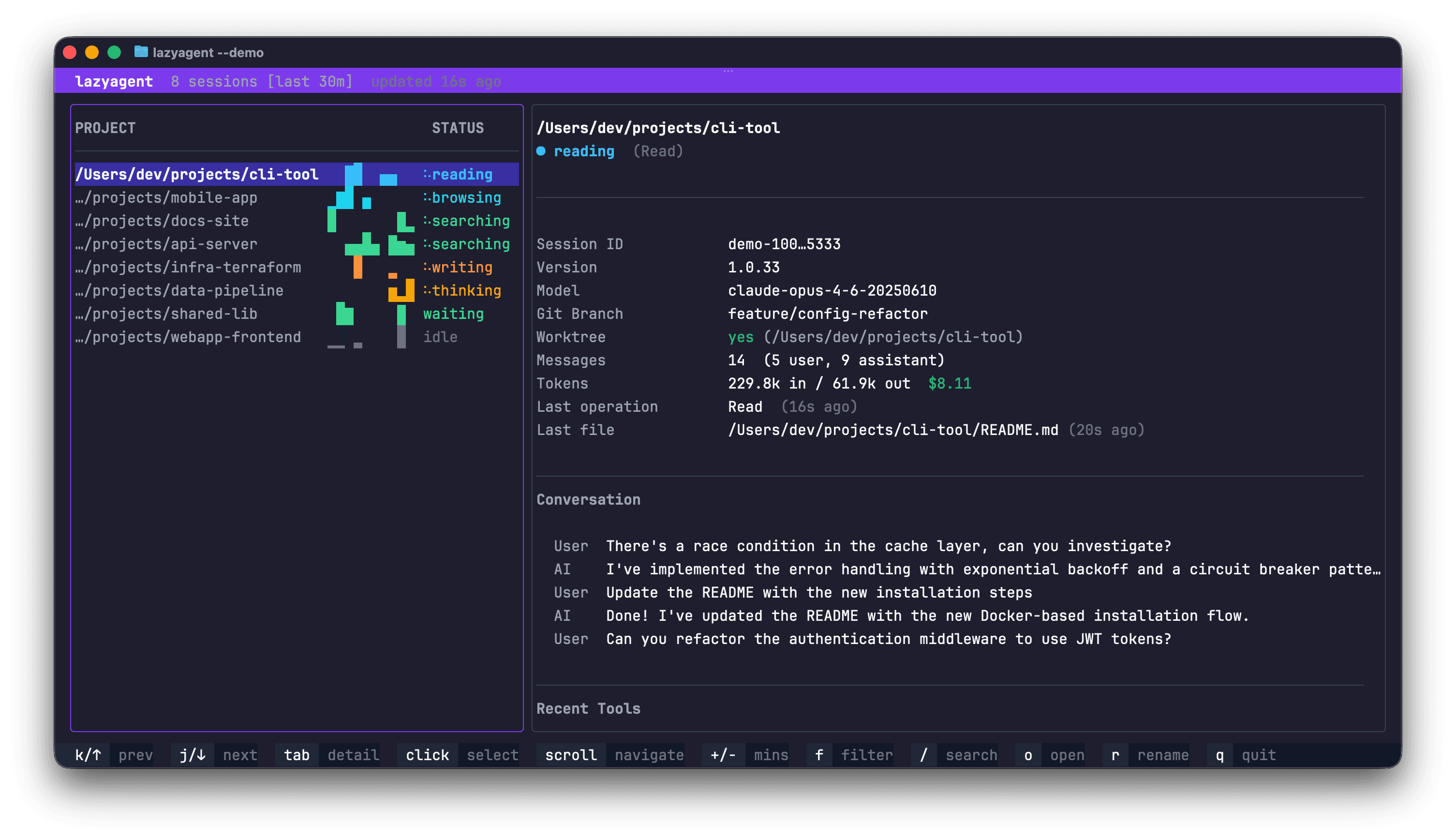
On October 4, OpenAI's Codex engineering lead Tibo made a public pledge: for 28 days, ship one clear improvement every day for most Codex and ChatGPT Work users — on days the team fails, everyone gets a usage reset. Day 1 brought ~50% faster GPT-6 Astra / 6.1 Sol by default, Day 2 made Auto-review free for ChatGPT sign-ins, Day 3 put GPT-6 in the chat tab. This is an experiment in turning product iteration into a daily series.