A $101,872 Bill Forced Their Hand: LiteLLM Open-Sources Moyai, a Self-Hosted Cloud Coding Agent Claimed 79% Cheaper Than Devin
After a $101,872 monthly Devin bill, LiteLLM open-sourced Moyai: dispatch tasks from Slack, let a cloud sandbox do the work, come back to a PR. You pick the agent and the model — but the 79% figure comes with an important footnote.
It started with a six-figure agent bill
On October 7, 2026, the LiteLLM team announced on their official blog that they were open-sourcing Moyai, a self-hosted cloud coding agent. The motivation was stated with unusual candor: their team's Devin bill had hit $101,872 for a single month (August 30 to September 29, 2026), and only their own team was using it. The billing screenshot was published right in the post, with daily spend peaking above $10,000.
This hits the rawest nerve in the vibe coding world this year: agent bills are spiraling out of control. It is not that models got more expensive — it is that agents that "just keep running" turned casually kicked-off sessions and automations into a continuously burning black box. LiteLLM's engineers had launched sessions and automations on models and routing they could not control — money spent with no clarity. That was the real reason they decided to build it themselves.
Moyai is what they built. The blog notes that a week earlier, LiteLLM had written about building their own internal Devin in two days, and most replies asked to run it themselves — Moyai is the same code they run in production.
What it looks like: dispatch from Slack, close your laptop, keep going
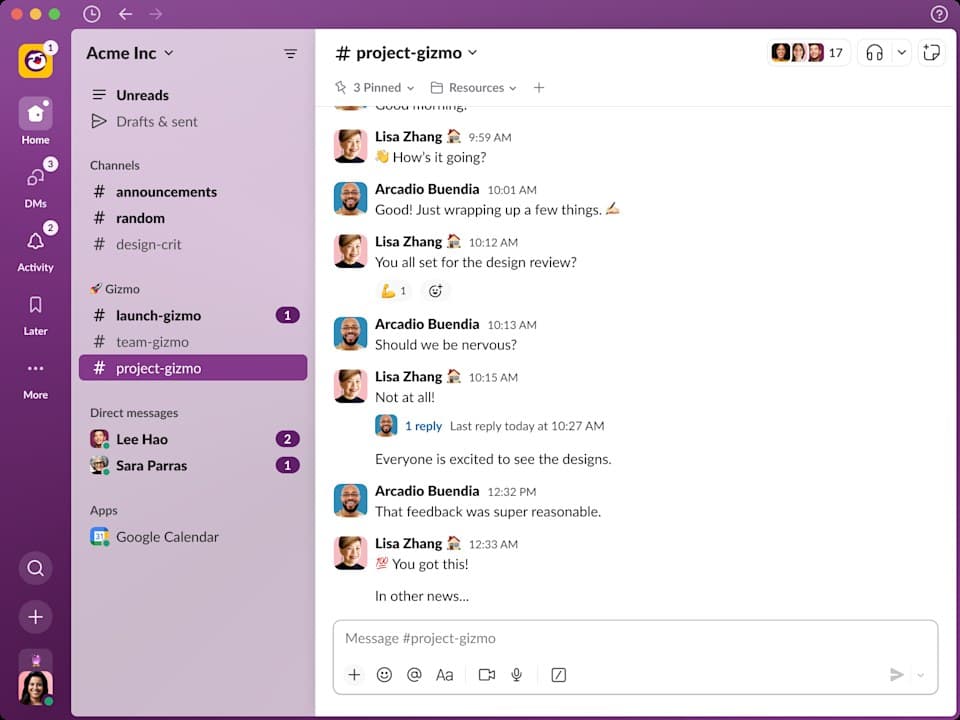
Moyai's workflow is a simple chain: give it a task in Slack or the browser → a cloud sandbox does the work → come back to a PR. Each session gets its own cloud workspace with a terminal, a filesystem, and a browser; the agent edits code and runs your tests there, then opens a pull request with code and test results to review.
 Figure 1: Moyai's task chain — dispatch, schedule, cloud sandbox execution, PR
Two details matter. First, tasks are asynchronous: closing your laptop leaves the cloud task running, and you can pick the thread back up in Slack the next morning. Large tasks can be split across parallel workers whose results are collected. This is the "cloud employee" experience Devin originally sold — Moyai moves it onto your own infrastructure.
Second, both the agent and the model are your choice. When starting a session you pick a harness — Codex, Claude Agent SDK, Hermes, OpenCode, or Deep Agents — and model requests go through the LiteLLM gateway, which supports 100+ providers (OpenAI, Anthropic, Fireworks, Google, xAI, Mistral, DeepSeek, Bedrock, and more). One notable security design: provider keys stay on the gateway; the sandbox never sees them — the agent works in the cloud sandbox but cannot touch your API credentials.
The cost ledger: spend attributed per person, per session
Moyai's other selling point is cost observability. LiteLLM is a gateway company, and Moyai reuses the gateway's reported charges for per-user, per-session, and per-model breakdowns: which teammate and which task account for the spend can be traced back to the original gateway request. That is a genuine need for teams — one of the biggest pains of the Devin era was "money was spent, but nobody knows by whom or on what."
 Figure 2: The Devin bill LiteLLM published (Aug 30 – Sep 29: $101,872.24) — source: LiteLLM official blog
On deployment, Moyai runs on cloud infrastructure such as Modal or Substrate. The official getting-started list is refreshingly honest: bring a Modal account, a reachable LiteLLM gateway, and a key for your chosen model; then follow the setup guide, verify a cloud task, and connect one repository. Start with a small bug your team already understands, review the PR, test output, and model cost before expanding the rollout. Responsibilities are clearly drawn: you own the installation, updates, credentials, and backups — and you pay for model usage and cloud infrastructure.
On the 79% figure: read the footnote before getting excited
The headline number: Moyai is estimated at about $700 a day, roughly $21,700 over 31 days, versus the $101,872 Devin bill — about $80,000 less, 79% lower.
 Figure 3: One-month cost comparison for the LiteLLM team — Devin's actual bill vs Moyai's official estimate
But the blog itself adds an explicit qualifier, and it deserves to be amplified: "This is an internal comparison, not a matched-workload benchmark." Devin's daily curve is "approximated from its billing dashboard and scaled to the invoice total"; the Moyai line simply assumes $700/day. In other words, 79% is an estimate under LiteLLM's own workload and model mix — not a reproducible third-party benchmark.
Dig one layer deeper: part of the Devin bill came from "engineers kicking off sessions and automations on models and routing they couldn't control." Of the money Moyai saves, how much comes from "self-hosting" versus "finally being able to pick cheaper models and kill wasteful automations"? The blog does not split it. An honest reading: Moyai saves money through "taking the choices back" — choosing models, choosing routing, seeing the bill. Self-hosting is the vehicle, not the engine. Run Opus-class models on 24/7 automations and self-hosting burns money just the same.
Also, self-hosting is not free. The $700/day estimate is LiteLLM's number; your model mix, workload, compute, and storage determine your costs — the blog says so explicitly. Then there is the labor: installation, updates, backups, security groups are all yours. For an indie team of five or fewer, that labor bill may outweigh the model bill.
Who should take it seriously, and who can watch from the sidelines
Worth a serious evaluation: teams whose agent bills already run into five figures a month, mostly on uncontrollable routing; teams already using the LiteLLM gateway for multi-provider routing (Moyai is nearly frictionless to adopt); organizations with compliance requirements that cannot hand code and keys to a third-party agent vendor.
Fine to watch for now: solo developers and teams with small agent usage — the premium of hosted services like Devin buys you "no ops." Until your monthly bill exceeds the cost of staffing Moyai's operations, self-hosting is unlikely to pay off. A rough rule of thumb: if your team's monthly agent spend has not reached four figures in dollars, invest in observability first (budget caps on agents, per-project cost splits) — higher ROI than rushing to self-host.
One fair closing note: Moyai's biggest value may not be the 79%, but that it turns the "cloud coding agent" from a black-box SaaS into an auditable, swappable, transparently-billed open-source system. The agent economy is shifting from "pay per seat" to "pay per token and per compute" — whoever understands their bill first gets leverage first. LiteLLM paid tuition with a six-figure bill, then open-sourced the receipt. That alone is worth a look.
Getting started
- Official blog: Open Sourcing Moyai: Self-Hosted Cloud Coding Agent (2026-10-07)
- Repository: github.com/BerriAI/moyai (issues and PRs welcome)
- Prerequisites: a Modal account, a reachable LiteLLM gateway, a key for your chosen model
- Local preview: the repo ships a local demo (uvicorn; demo tasks are simulated and do not verify cloud execution)
Comments (0)
Sources
Related articles
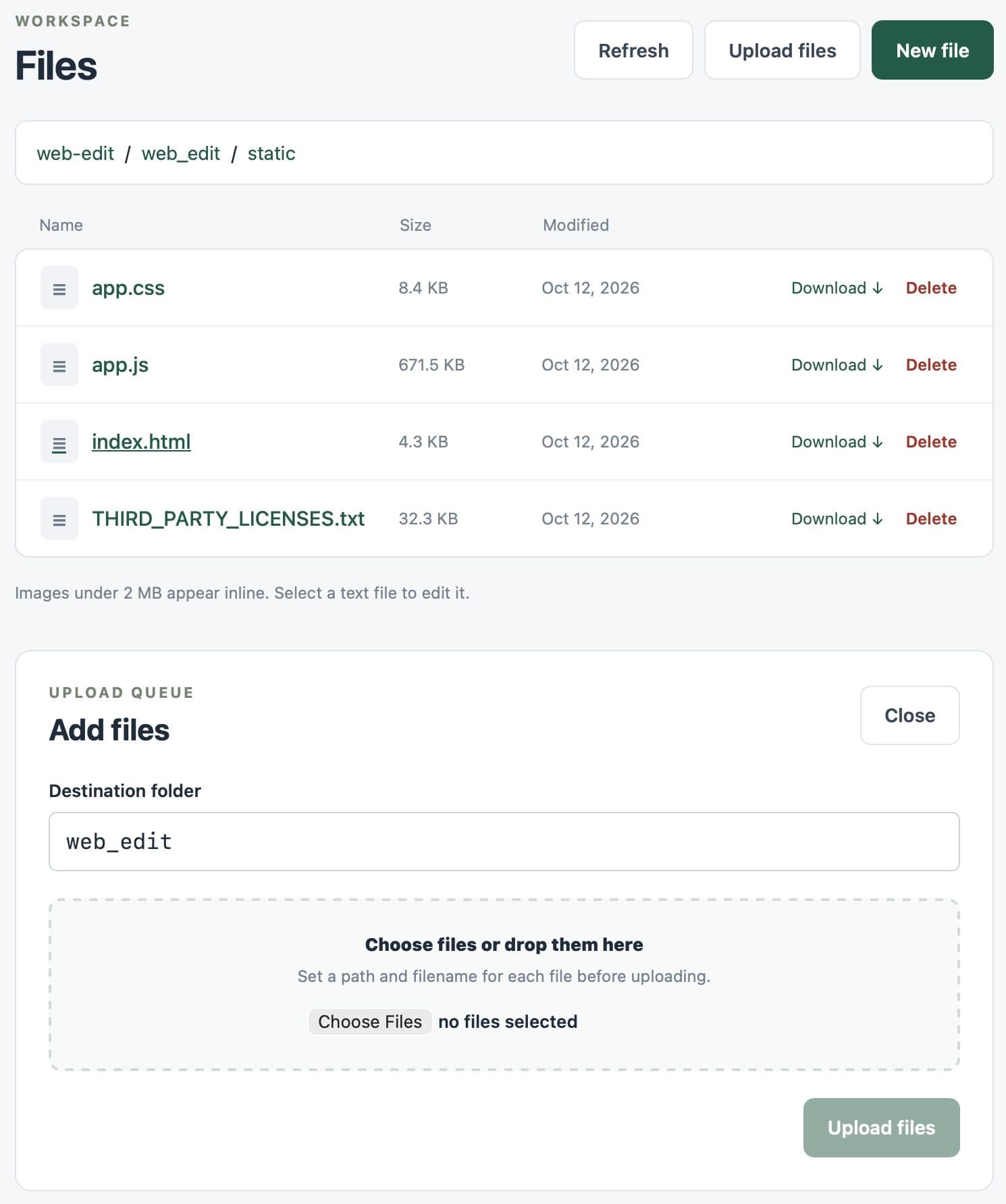
Simon Willison shipped web-edit 0.1a0, a tiny Python tool: the agent runs the web UI remotely, and he edits files directly from his phone over Tailscale — so credentials files never round-trip through the LLM's context. The tool itself was built with Willison directing Codex Remote from his phone, GPT-6 Astra Extra High doing the writing.
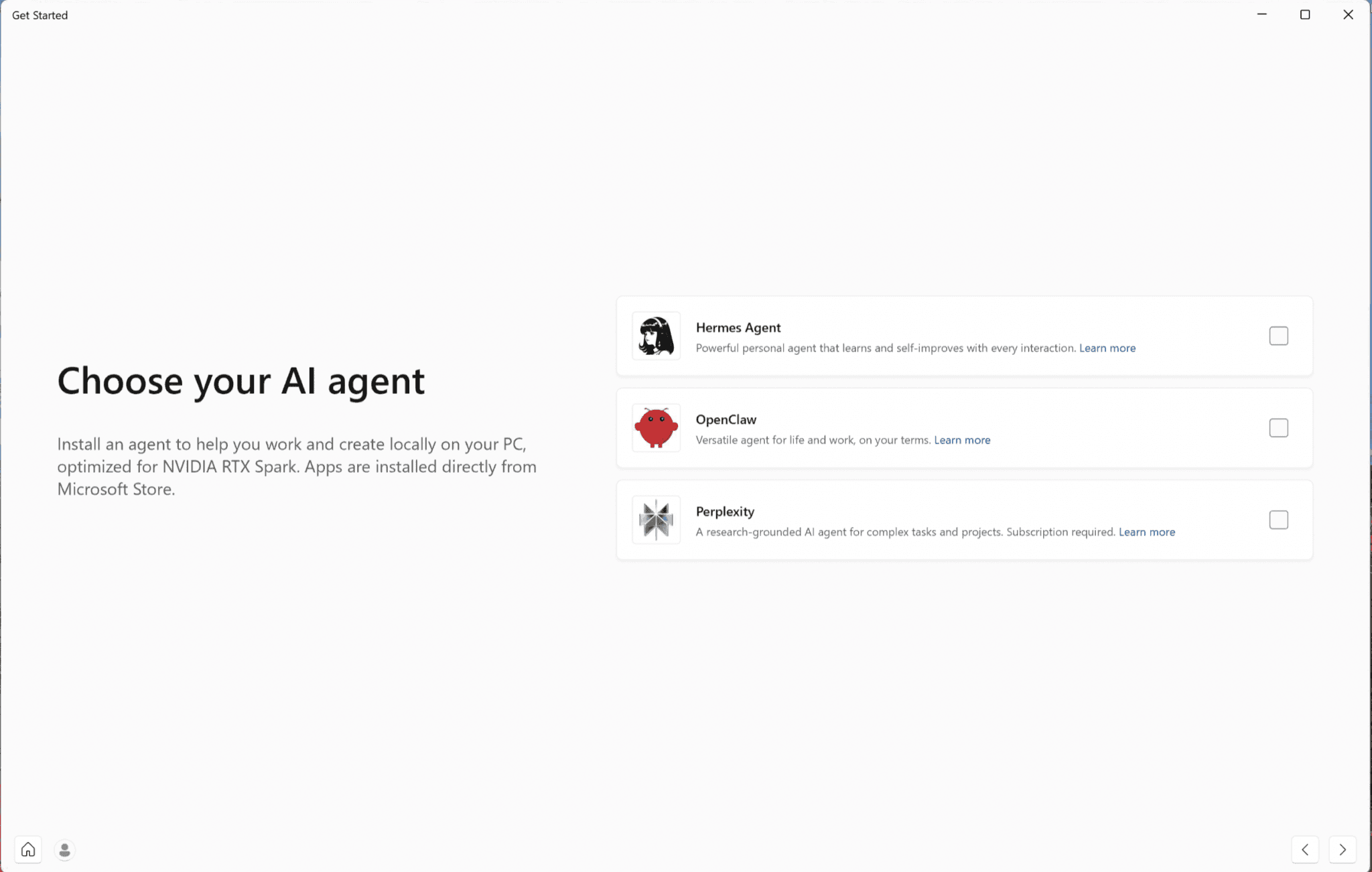
NVIDIA's Oct 13 blog announces Nemotron 3.5 Bolt 74B-A9B 24GB, releasing Oct 15: a 74B-parameter MoE agent model (~9B active) packed into 24GB via 2-bit quantization, with weights, training data, and recipes fully open source. Day-one support spans llama.cpp, vLLM, Ollama, Unsloth, LM Studio, plus direct hooks into Hermes and OpenClaw — timed with RTX Spark laptops going on sale Oct 16.
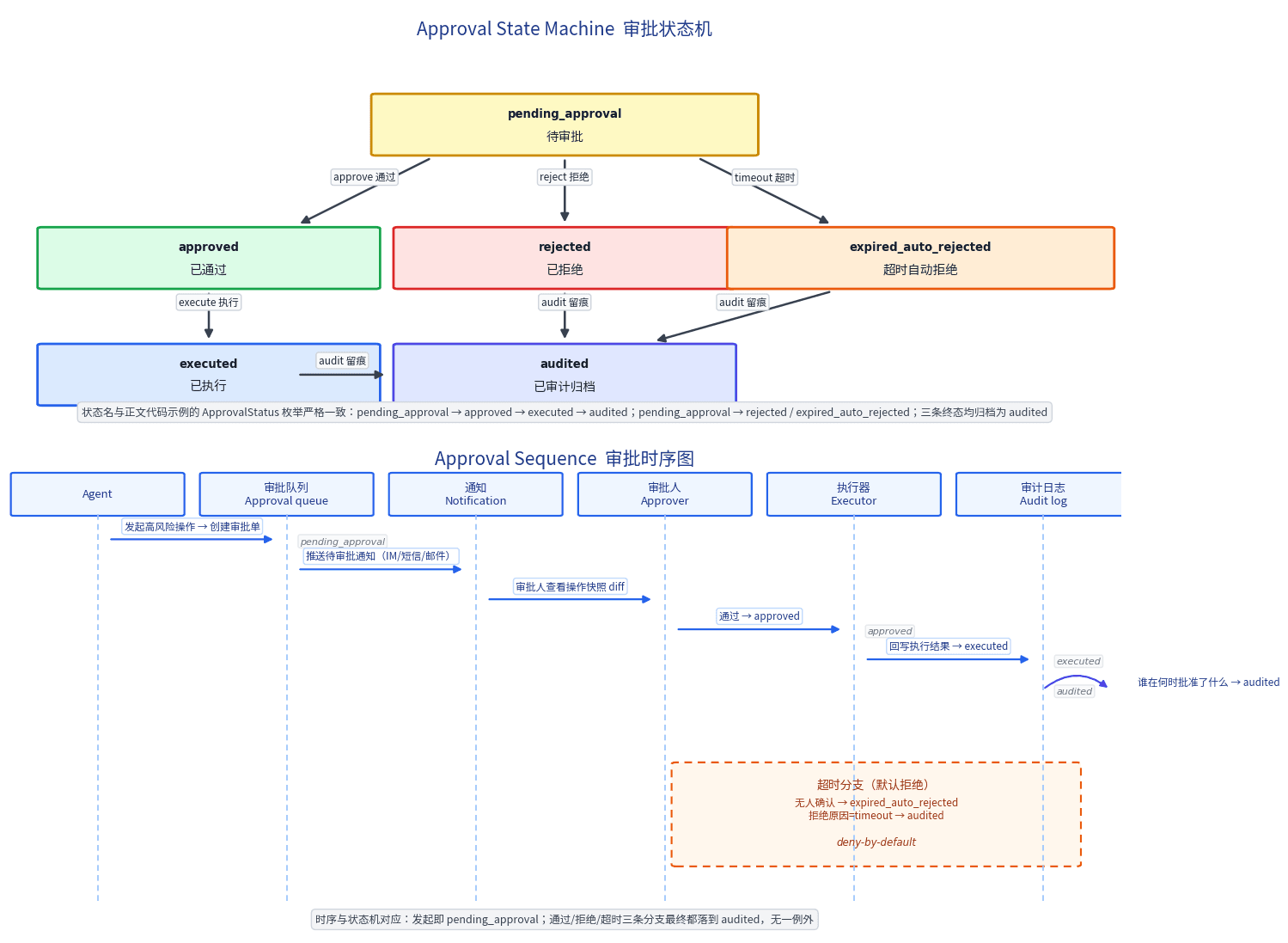
The more autonomous the agent, the larger the blast radius. A "human nods before it runs" gate on deletions, refunds, broadcasts, and permission changes is the cheapest insurance. This guide gives you a risk×reversibility quadrant, a minimal ticket schema, deny-by-default timeouts, audit trails, and an emergency lane — shippable in a weekend.