On October 7, OutSystems announced Agent Experience is generally available: its low-code platform is now open to any AI coding agent — Claude Code, Cursor, Codex, Kiro — with agents working at the design level, the platform generating code deterministically, and governance built in. This is the "vibe coding goes enterprise" playbook: taming shadow AI with a compliant path. But the 74% rework figure is vendor-survey data — discount it. The real bill is the hidden cost of platform lock-in.
VIBEFIX NEWS
AI Coding News
Original perspectives on tools, frameworks, open source, and the creator ecosystem.
On October 2, GitLab disclosed CVE-2026-90970: the prompt template sandbox in the self-hosted AI Gateway can be escaped, letting a logged-in user with Duo Agent Platform permissions execute arbitrary commands on the gateway host. CVSS 9.9. It is the component's second 9.9 this year — February's CVE-2026-1868 was the same template engine, the same CWE-1336. Eight months apart, both patches fixed specific escape paths without moving the trust boundary.
On October 1, Tavus launched Griffin — the first "Human Interaction Model" (HIM): full-duplex video-to-video that listens, watches, and speaks at the same time. In a blind study, 48% of participants believed they were talking to a real human, versus 2% at best for previous systems. The fact that it can fool people is exactly why it isn't generally available yet.
Cloudflare's Birthday Week blog makes the case plainly: GitHub was designed for humans writing code; the agent era needs the collaboration layer reinvented. Artifacts enters open beta with a repo for every agent, plus a developer competition — $25,000 in credits for first place, deadline October 14. This is the first time a major infra vendor has put 'infrastructure for agents writing code' on the table as a public proposition.
Anthropic released Claude Haiku 5.5 on October 7, calling it its "cheapest, fastest, and most capable small model." But the real story isn't the discount — it's a "100K-token price cliff": prompts under 100K tokens get roughly 90% off, while longer ones get only about 50%. Anthropic is using pricing to teach you to break big tasks apart — the small-model battlefield is shifting from "chatting with you" to "being orchestrated by bigger models."
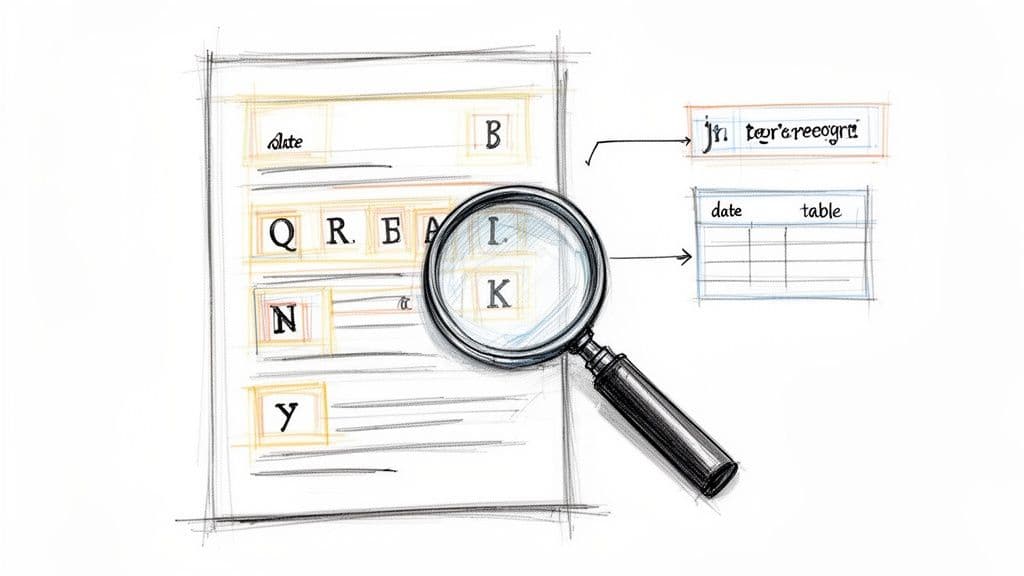
On October 7, LlamaIndex launched OpenDocRouter: one POST /v1/parse endpoint backed by 10 document-parsing models — five frontier closed-source models plus five open-source ones, switchable at will. Its companion ParseBench shows Claude Opus 5.5 scoring 84.20 at $48.82 per thousand pages, while GPT-6 Luna scores 71.34 at just $0.80 — a 60x price gap for a 14-point difference. Document parsing finally has a public, transparent quality-vs-cost menu.
Sesame's October 6 update: the new voice assistant rolls out fully on iOS and Android with a brand-new voice model. Each voice agent gets its own computer — schedule Devin, Claude Code, or Codex with your voice while out for a walk. Smart glasses land in 2027; the voice OS ambition is on the table.
AgentMail launched AgentID on October 6: agents log in to third-party apps using their own email as an OpenID Connect identity. The verification-code step disappears, one authorization lasts 180 days. Identity may be the real watershed between agent toys and agent production.
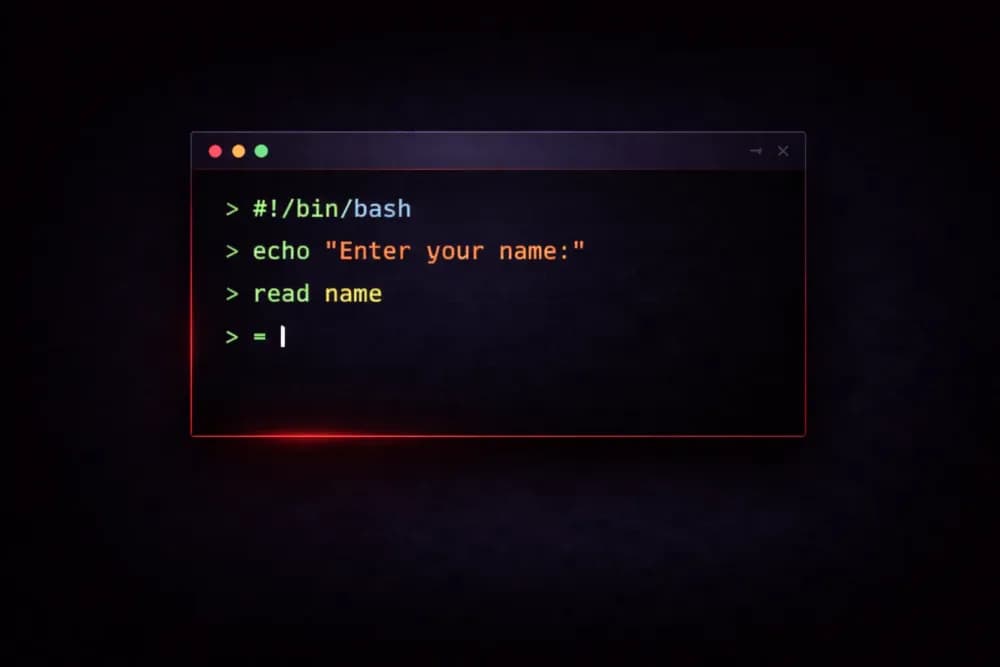
Mitchell Hashimoto published OSC 7501, the "Program Status Protocol": any program can report via a terminal escape sequence whether it is idle, working, blocked, or done — and why. The motivation: people running N coding agents today can only "read the screen and guess." He wants to turn guessing into knowing. Ghostty already implements it, with a dozen-line PoC for Claude Code and Codex.
On October 7, Atlassian launched the Agentic Multiplayer Protocol (AMP): AI agents get an "identity," and codebases precisely record what humans wrote versus what agents did, across Claude, Codex, Figma, and Rovo. Bundled with the Teamwork Graph code index, the Rovo Work long-task mode, and EU-only inference. As vibe coding enters the enterprise, "who wrote the code" turns from vanity into compliance and cost.