Axios Scoop: Nvidia-Backed Reflection to Release First Open-Weight Model This Month, Taking Aim at DeepSeek and Qwen
In an October 4 Axios scoop, Nvidia-backed Reflection — founded by two ex-DeepMind researchers — is preparing to release its first open-weight foundation model this month, aimed squarely at DeepSeek and Qwen. The company has locked in $7B+ in compute through 2029. But hold the champagne: no name, no size, no license, no benchmarks yet.

What happened: an Axios exclusive that's credible but hollow
On October 4, Axios reporter Bradley Olson cited sources saying Reflection AI is preparing to release its first open-weight foundation model this month. Reflection has serious pedigree — founded in March 2024 by former Google DeepMind researchers Misha Laskin and Ioannis Antonoglou, with Nvidia investing $800 million directly and a $2 billion raise at an $8 billion valuation in October 2025.
But note how hollow the scoop is: no model name, no parameter count, no license, no benchmarks. Axios itself says the model is expected to initially trail the top closed models from OpenAI, Anthropic, and Google, with the goal of competing against China's best open models. Reflection declined to comment.
Why it matters: the money is real — $7B in compute already locked
The model can wait; the money is already spent. Per earlier CNBC and Bloomberg reporting: in June, Reflection signed with SpaceX to pay $150 million per month from July for Nvidia GB300 chips at the Colossus 2 data center, running through 2029; in July, it bought $1B+ in compute from Nebius. Combined, that's over $7 billion in compute commitments through 2029.
CEO Laskin compares frontier models to 'rocket ships' — they burn a lot of money before they fly. The subtext: the open-weight race stopped being just an algorithms race long ago; it's a compute arms race. DeepSeek's fame is half technology, half High-Flyer's startling compute efficiency. To copy that playbook, Reflection had to pay the bills first.
The real bet: not the weights, the 'AI factory'
Look closer at the business model and open weights are just customer acquisition. The real product is the 'AI factory': enterprises take Reflection's open weights, add their proprietary data, pair them with Nvidia GPUs, and customize and deploy themselves. In March it signed an MOU with Korea's Shinsegae Group for a 250-megawatt AI factory.
The logic is clean: weights free, customization and compute paid. For vibe coders and indies, this could mean one more downloadable, locally-runnable option beyond Chinese models. But don't expect fireworks on day one — the most honest line in the Axios scoop is 'expected to initially trail top closed models.' The open-model script is always: usable first, good second, cheap third.
Our take: build your eval rig now, don't wait for weights
Concrete advice for builders: don't wait. Set up your eval pipeline and serving path now — the moment weights drop, benchmark them on your own tasks first. The biggest dividend of open weights isn't 'free,' it's 'reproducible': same weights, same hardware, and your evals are reproducible by others. Selection stops depending on vendor slide decks.
One timeline note: Axios said 'this month,' but four days into October there's still no sign. Open-model delays are the norm; 'sometime in Q4' is the safer expectation. When it actually lands, VibeFix will cover the hands-on test immediately.
Sources
Related articles
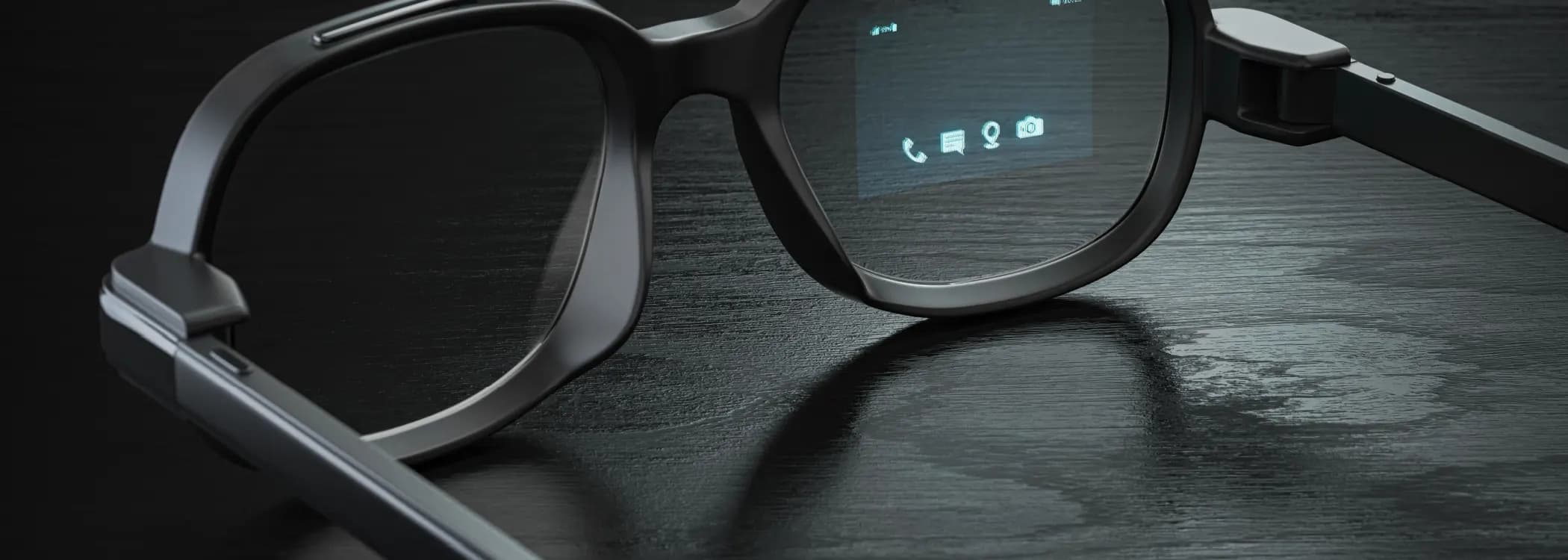
Sesame's October 6 update: the new voice assistant rolls out fully on iOS and Android with a brand-new voice model. Each voice agent gets its own computer — schedule Devin, Claude Code, or Codex with your voice while out for a walk. Smart glasses land in 2027; the voice OS ambition is on the table.
AgentMail launched AgentID on October 6: agents log in to third-party apps using their own email as an OpenID Connect identity. The verification-code step disappears, one authorization lasts 180 days. Identity may be the real watershed between agent toys and agent production.
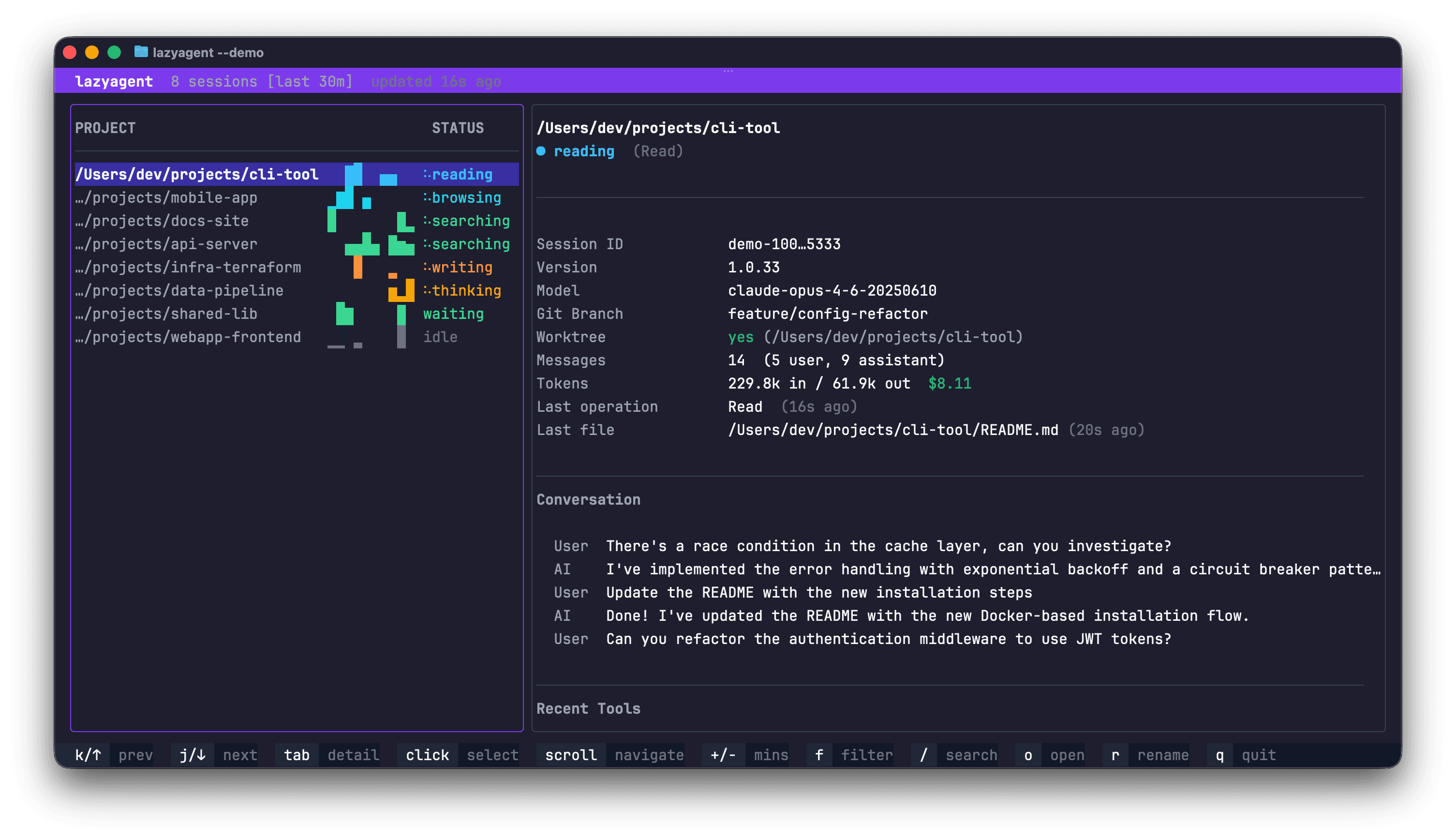
On October 4, OpenAI's Codex engineering lead Tibo made a public pledge: for 28 days, ship one clear improvement every day for most Codex and ChatGPT Work users — on days the team fails, everyone gets a usage reset. Day 1 brought ~50% faster GPT-6 Astra / 6.1 Sol by default, Day 2 made Auto-review free for ChatGPT sign-ins, Day 3 put GPT-6 in the chat tab. This is an experiment in turning product iteration into a daily series.