Pricing Your Vibe-Coded SaaS: The Pricing Experiment for Your First Paying User
AI crushed development costs, but nobody prices for you. This guide covers indie pricing in practice: the cost-backwards anchor formula, the psychology of three tiers, and the three questions to answer before your first paying user.
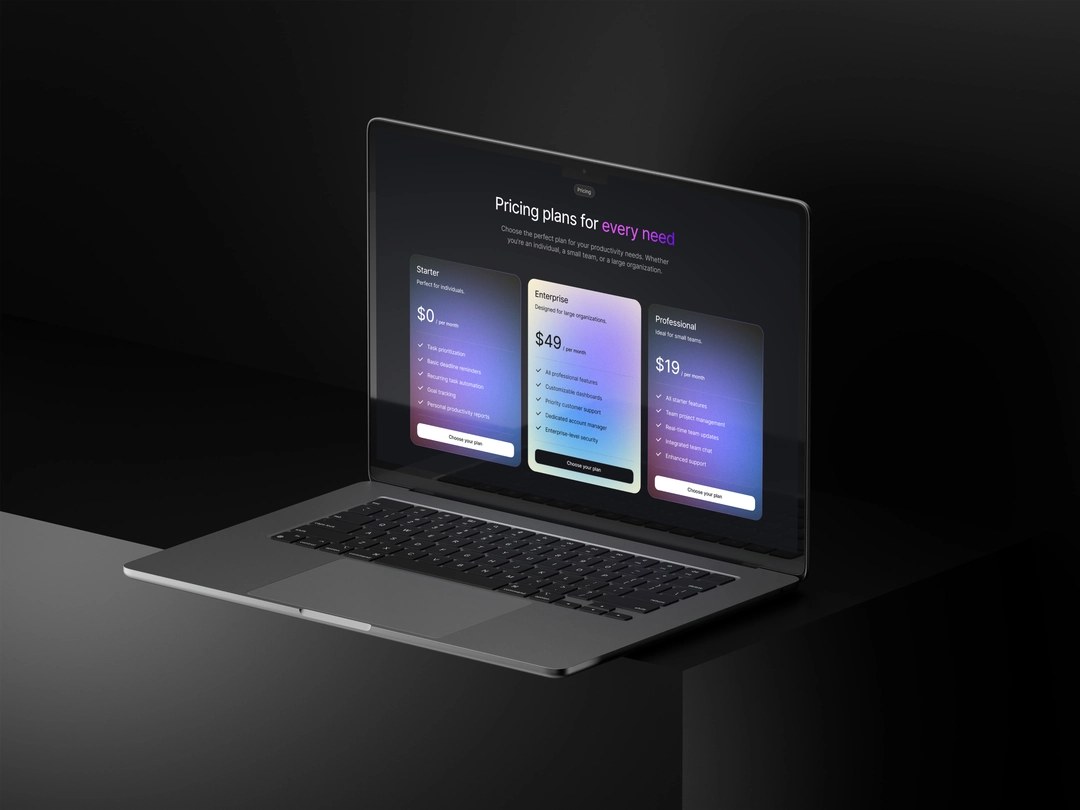
Pricing is the vibe coder's weakest link
AI lets one person do a team's work, driving development cost toward zero — but many stall at the last step: what to charge. Too low and you work yourself to death for nothing; too high and nobody buys. Worse, once published, prices are hard to raise — your first price effectively sets your revenue ceiling. So don't guess: pricing is an experiment. Design it, test it.
Step 1: work backwards from cost to draw the 'survival line'
Get three numbers straight: marginal cost (what each additional user costs you — mostly AI API calls, servers, third-party services), fixed cost (domains and base services, monthly), and your time cost (support, maintenance, iteration — hours per month at what hourly rate). The formula is simple: price ≥ marginal cost × 3. Why 3x? One covers cost, one covers acquisition and refund leakage, one is your actual profit. Below this line, every new user loses you money — the more users, the faster you die.
This is where many vibe SaaS products die: AI APIs bill per call, and one power user can burn tens of dollars a day while paying $5/month flat. Before launch, run the worst case: if 10% of users are heavy users, does your pricing survive?
Step 2: three tiers, never one price
A single price turns the decision into yes-or-no. Three tiers change the psychology: the low tier is the decoy (cheap but visibly limited, making the middle look smart), the middle is the workhorse (what you actually want to sell — the profit/experience balance), the high tier is the anchor (expensive, makes the middle look like a steal, and catches whales).
Separate the tiers clearly: prices at least 2–3x apart, feature differences legible at a glance (pick one differentiating dimension — usage, seats, or premium features; don't stack all three and confuse people). The indie rule of thumb: middle-tier price ≈ what your target user can pay "without asking permission" — roughly $8–20/month for individuals, $40–120/month for small teams.
Step 3: three questions before the first paying user
Before collecting a cent, force yourself to answer: one, why would users pay instead of using a free alternative? Can't answer — your value proposition isn't standing yet; don't price, go talk to 10 prospects. Two, is there an 'aha moment' before the paywall? Users must experience core value before paying — free trial or free credits work, but don't lock everything behind the wall. Three, where's the path to raising prices? Lifetime deals for early users are fine, but write "early-bird pricing" into the terms — leave yourself room to raise.
The one-line summary
Pricing isn't a math problem; it's a psychology experiment: cost-backwards for the survival line, three tiers to frame the choice, three questions to validate value. Get the first dollar in, then optimize — a pricing strategy with zero paying users is armchair theory.
Related articles

On October 1, Tavus launched Griffin — the first "Human Interaction Model" (HIM): full-duplex video-to-video that listens, watches, and speaks at the same time. In a blind study, 48% of participants believed they were talking to a real human, versus 2% at best for previous systems. The fact that it can fool people is exactly why it isn't generally available yet.
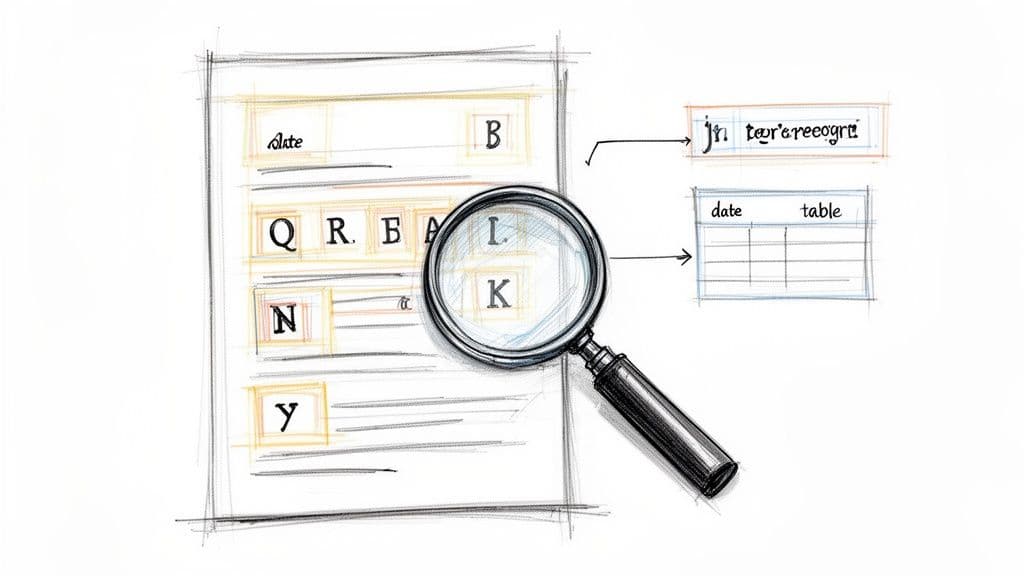
On October 7, LlamaIndex launched OpenDocRouter: one POST /v1/parse endpoint backed by 10 document-parsing models — five frontier closed-source models plus five open-source ones, switchable at will. Its companion ParseBench shows Claude Opus 5.5 scoring 84.20 at $48.82 per thousand pages, while GPT-6 Luna scores 71.34 at just $0.80 — a 60x price gap for a 14-point difference. Document parsing finally has a public, transparent quality-vs-cost menu.

Sesame's October 6 update: the new voice assistant rolls out fully on iOS and Android with a brand-new voice model. Each voice agent gets its own computer — schedule Devin, Claude Code, or Codex with your voice while out for a walk. Smart glasses land in 2027; the voice OS ambition is on the table.