Project Directory

Browse all indie developer projects and co-creation requests

Active: ShowcaseLifestyle
Showcase
Online
Lifestyleclaude

Indigene

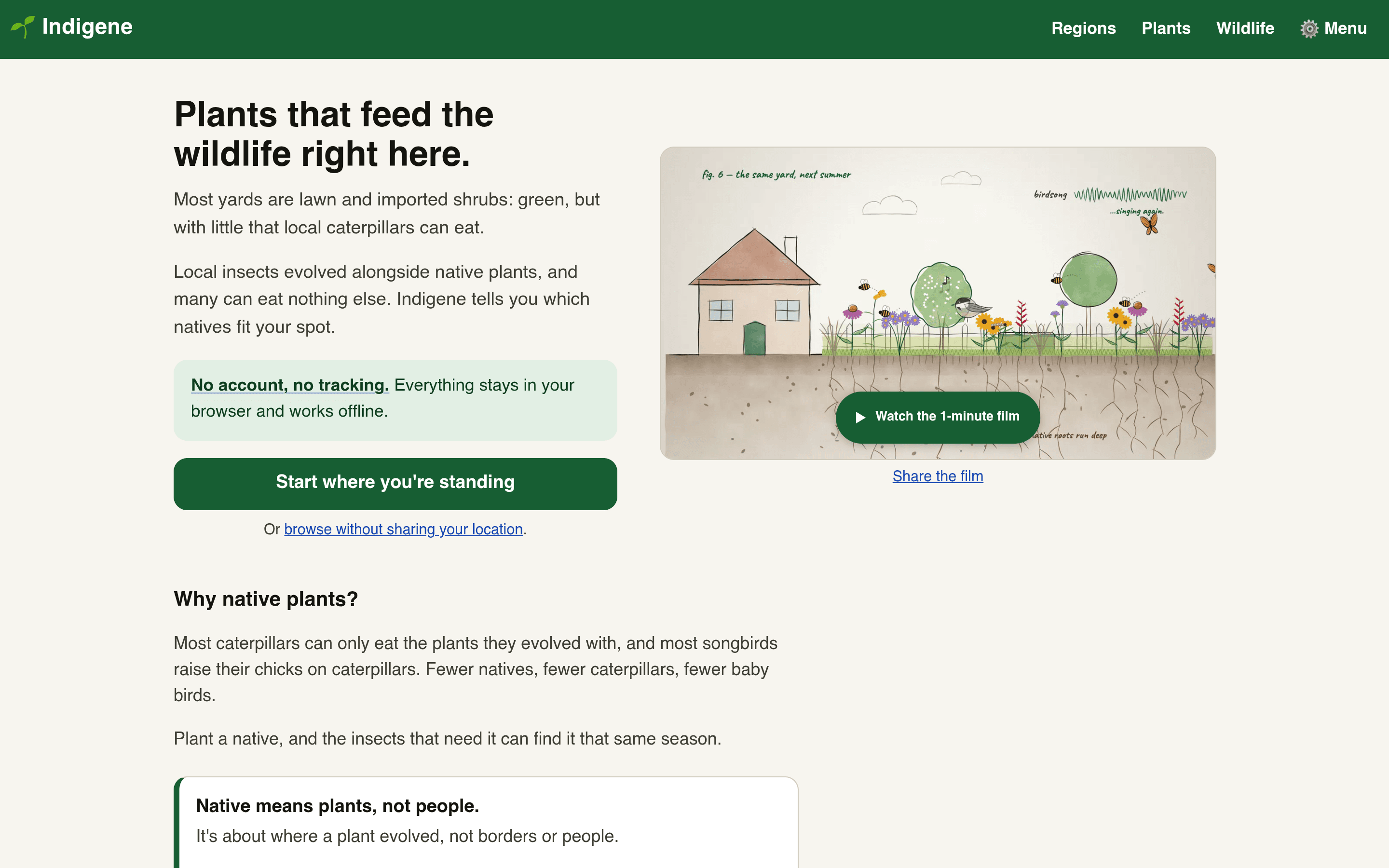
A native-plant PWA that tells you which wild plants feed the wildlife where you stand — built almost entirely with Claude.

Indigene is a progressive web app that answers a deceptively simple question: which native plants belong where you are standing? Give it your location and it recommends the wildflowers, grasses, and shrubs that actually feed your local wildlife — complete with eco-scores, plant photography, and the ecological reasoning behind each pick. The project comes from olivierlacan, the developer best known as the author of Keep a Changelog. It is also one of the most transparently vibe-coded projects we have featured: in his Show HN launch post Lacan wrote, "Candidly, as many of us have, I've also leaned heavily on LLMs (mostly Claude here) to bring this to life." The app even ships a public ledger at indigene.app/llm documenting exactly what building with an LLM cost — 139 work sessions with Claude, 8.5 billion tokens read, 23 million written, roughly $5,151 at API rates (figures as of October 12, 2026) — and every pull request carries an LLM usage warning. Under the hood, Indigene keeps things deliberately simple: vanilla TypeScript on the DOM with no framework, backed by a thin Hanami 2 JSON API. As a PWA it works offline, requires no account, and tracks nothing — everything stays in the browser. Status: the open-source repository (MIT) holds 980 commits and is still being worked on, with community discussion active as of October 15, 2026. Eight stars so far — a young project with an unusually honest build story.
Showcase
Online
Lifestyleclaude-code

Ansi: offline-first meal planning for a two-person household

A shared, offline-first recipe and meal-planning app — plan the week you want to eat, and Ansi derives batch-cooking plans and a buy-once shopping list.

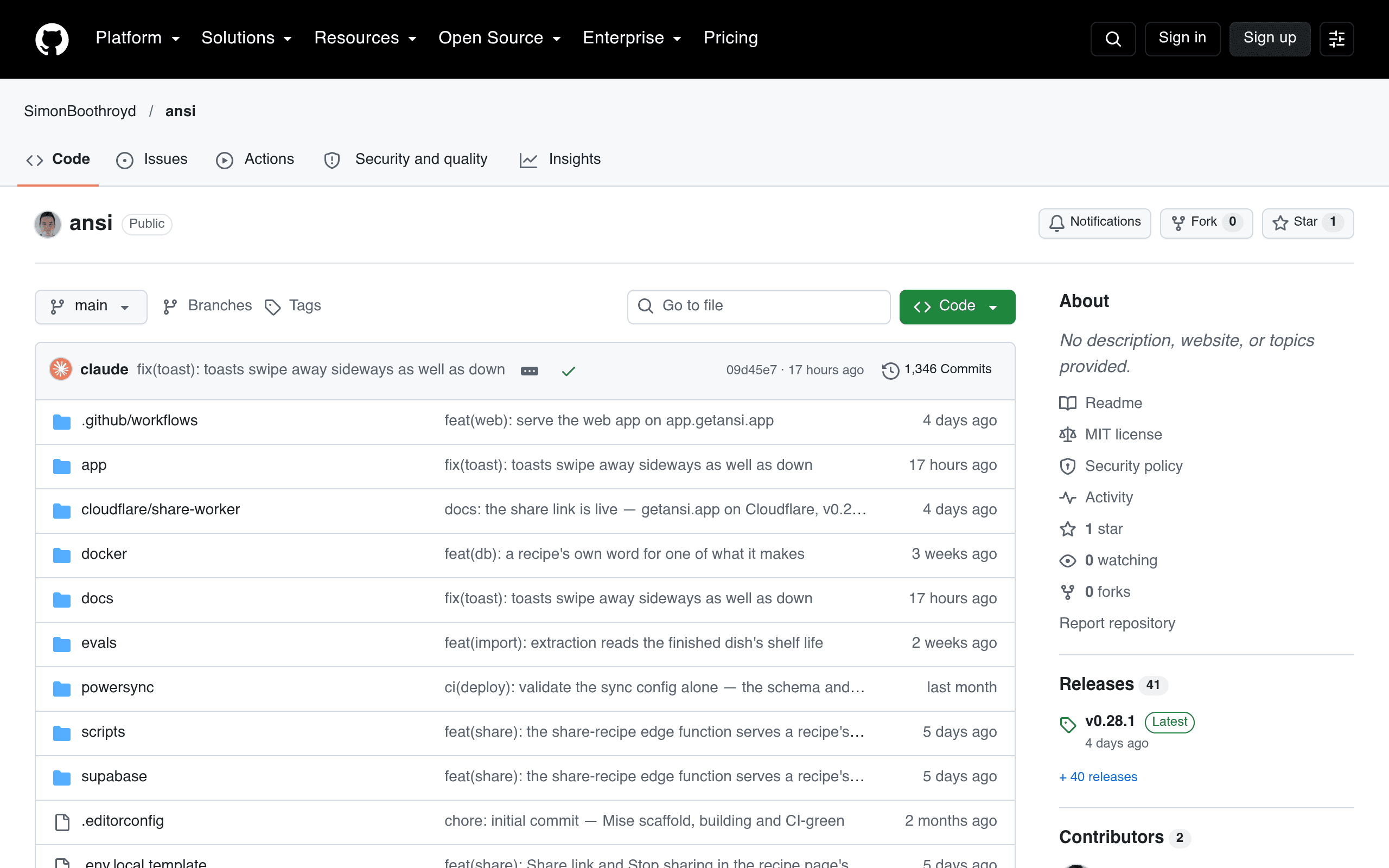
What it isAnsi (formerly Mise) is a shared, offline-first recipe and meal-planning app built for a two-person household — the author's own kitchen. You plan the week you want to eat; Ansi derives what to cook in batches (bounded by each dish's shelf life) and builds a shopping list that buys each ingredient only once. It runs a real household's kitchen every week — not a demo. Entirely vibe-coded, by the author's own accountThe README's "How this is built" section leads with it: "This project is entirely vibe-coded. Every line of application code, every test, migration, edge function and generated seed, and most of the prose under docs/, was written by AI coding agents (Claude Code)." The humans steer — product spec, decision records, execution plans, and design review on a real phone — while conventions like AGENTS.md and structural tests exist to keep agents honest across sessions. Offline-first architectureFlutter client with Forui components, Supabase backend (Postgres + Auth + Storage), and PowerSync for offline sync — the shopping list works even in a basement parking lot. The repo also ships a USDA nutrition seed pipeline, a recipe import/matching pipeline with its own eval harness, and local dev via Docker Compose. Who it's forCouples and small households tired of spreadsheet meal plans; developers curious what a serious spec-driven, agent-first workflow looks like end to end; and anyone who wants proof that vibe coding can run a real kitchen.

Showcase
Online
Lifestyleclaude-code

Ritim

Elderly-friendly recurring task & medication reminder tracker — big type, high contrast, offline-first PWA.

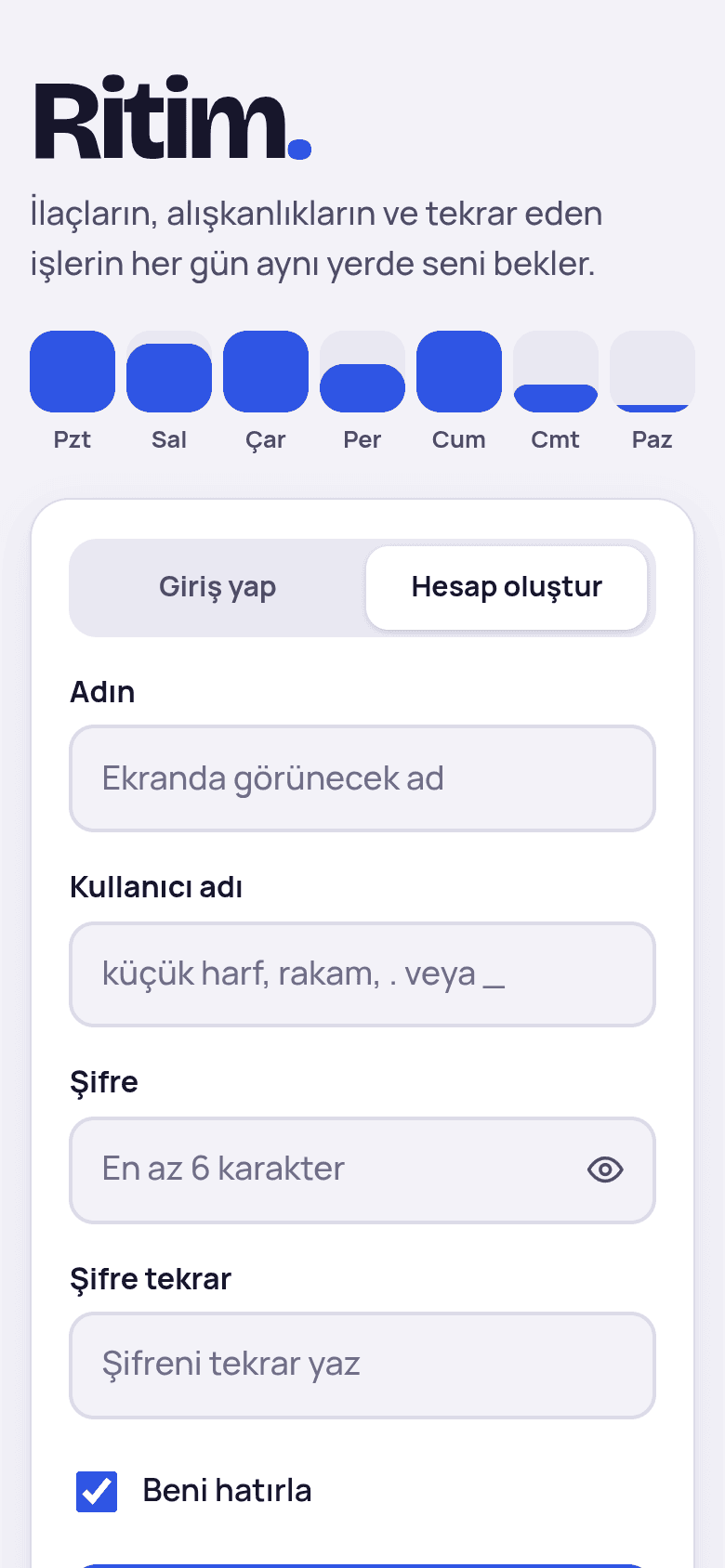
Ritim is a reminder tracker designed for elderly users: medications, habits and recurring chores, all waiting in the same place every day. Big type, high contrast and a single-screen flow make it usable without tech help. It is an offline-first PWA — it keeps working without a network — with an optional self-hostable sync server (Node.js + Express + better-sqlite3) for multi-device households. The whole project is vibe-coded: the author describes what they want in plain Turkish, and Anthropic's Claude, working in Claude Code, writes all the code, the visual design and the README. The author tests each version on their own phone and asks for changes — no code written or reviewed line by line by hand. A rare, honest documented case of a non-programmer shipping a real product with AI. Note: the project is small and new (2 GitHub stars) — presented as an indie experiment, not a mature product.

Showcase
Online
Lifestyleclaude-codecodex

Memory Lane

A vibe-coded family memory lane: a hallway of doors, each opening onto a hand-drawn animated day — dawn, noon, sunset, night — looping forever.

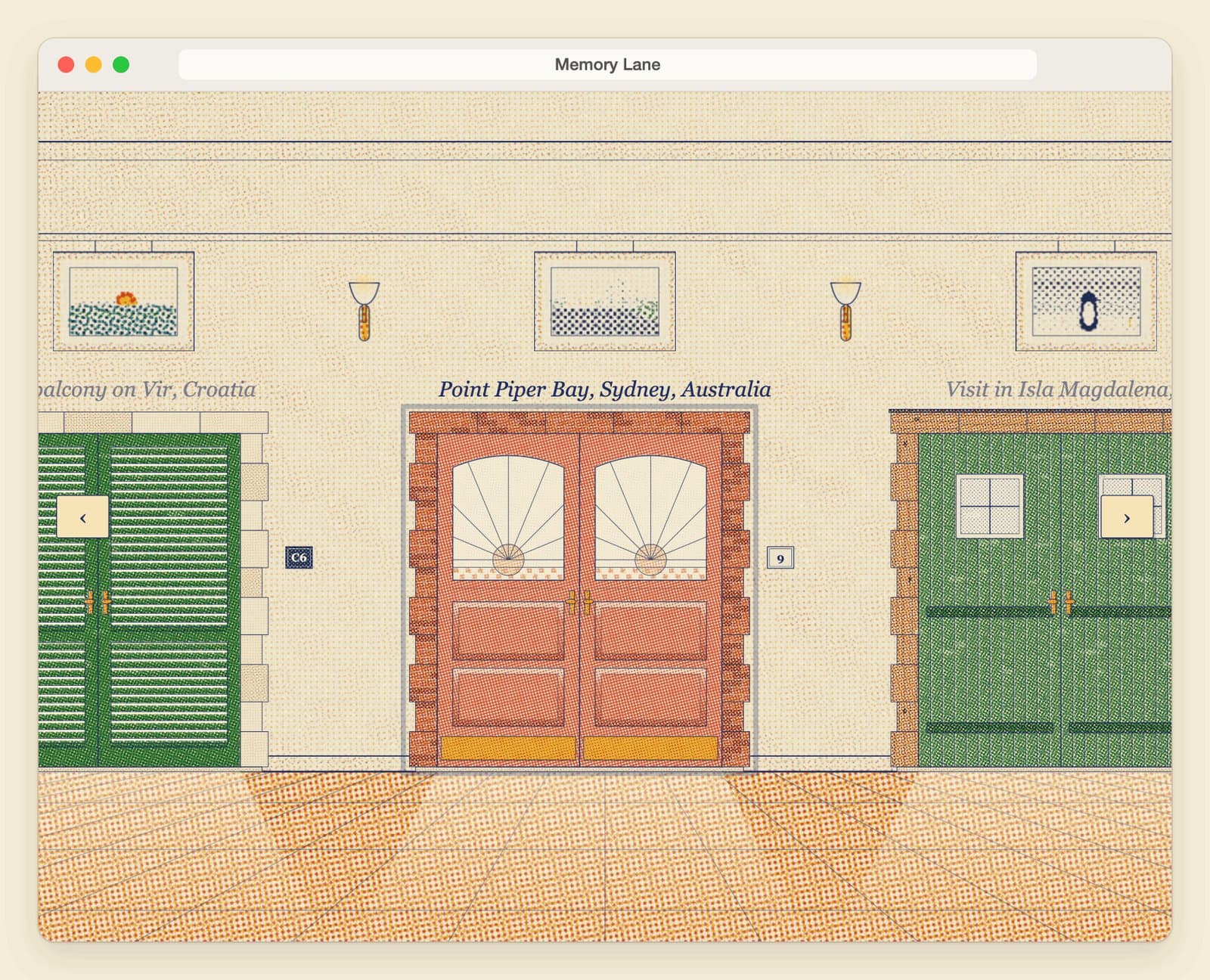
"It is vibe coded, by someone with limited programming experience, for our family." That single README sentence is the whole pitch of Memory Lane (androszr/memory-lane, MIT, created September 24, 1 star): one small web page where a hallway of doors each opens onto a place the family loved. Every room is drawn in code like an old print — warm paper, soft dotted color — with its own clock running dawn to night on a slow loop, boats crossing the water, people coming and going, lamps on at dusk. The technical restraint is the charm: no build step, no libraries, no fonts, no images fetched, no network requests beyond its own files — Canvas 2D and a static page. The repo even ships assistant skills (.claude, .codex, .grok) including an add-memory walkthrough that turns your own photos into a new door. It works on phones (swipe the hallway, tap a door) and remembers nothing between visits. Verdict: the gentlest possible argument for vibe coding — a non-programmer built the thing their family actually opens. The published Vercel deploy is access-protected, so start from the GitHub repo and its README screenshots; serving it locally is one npm run serve away.

Showcase
Online
Lifestyleclaude-code

Shakespeare

A macOS menu-bar app that counts your keystrokes and names your milestones after Shakespeare's plays — built with Claude Code out of pure curiosity.

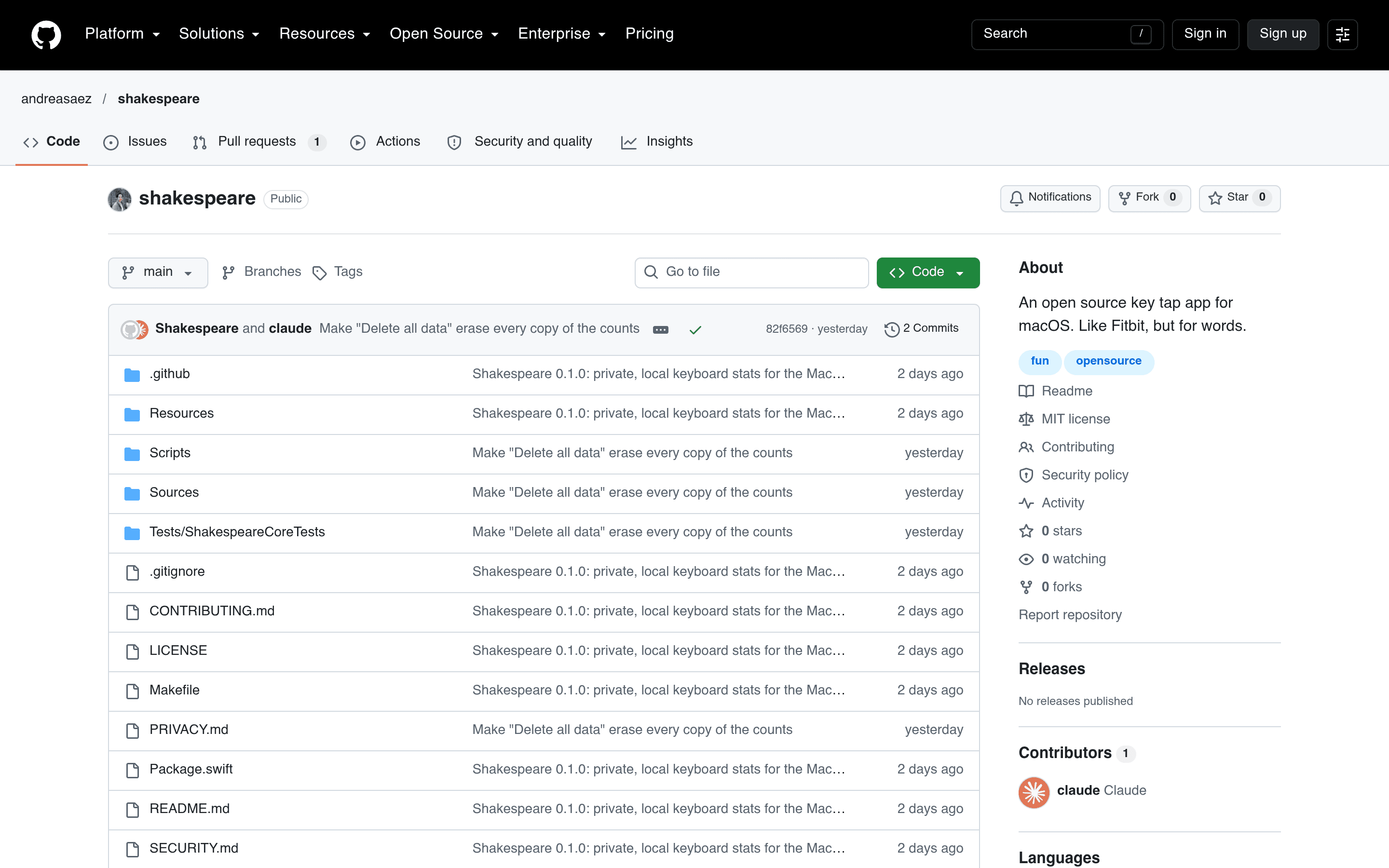
Andrea Saez built Shakespeare, an open-source key-tap counter for macOS, and her own summary of the motivation is hard to beat: "I built it with Claude Code for no reason beyond curiosity." The repo (andreasaez/shakespeare, MIT) was created on October 9 and pushed again on October 10 — the commit history even lists "Shakespeare and claude" as co-authors, a nice artifact of the workflow. It is written in Swift and builds with the Xcode command line tools, no full Xcode needed. What it does: it lives in your menu bar and counts key presses — never what you type, never touching the network. You get today plus the last 14 days, a streak counter for days with 50+ keys, honest sustained WPM over a full minute, fun facts like your busiest hour and how many Hamlets you've typed, and optional per-app stats that are off by default. The signature feature is share cards: nine keyboard colorways (Quarto, Elsinore, Falstaff, Juliet…) drawn as a real 75% board with soft bloom, rendered locally on your Mac for posting wherever you like. Verdict: a deliberately useless app executed with unusual craft — the privacy story (input monitoring permission, per-day counters in owner-only files, CI-enforced privacy audit) is more serious than the premise suggests. A good reference for anyone building a menu-bar utility with SwiftUI and Claude Code.

Showcase
Online
Lifestylecodex

中国昼夜地图

Codex 一个周末写出的中国昼夜可视化:3D 昼夜交界线、二十四节气、两天对比,纯前端本地计算。

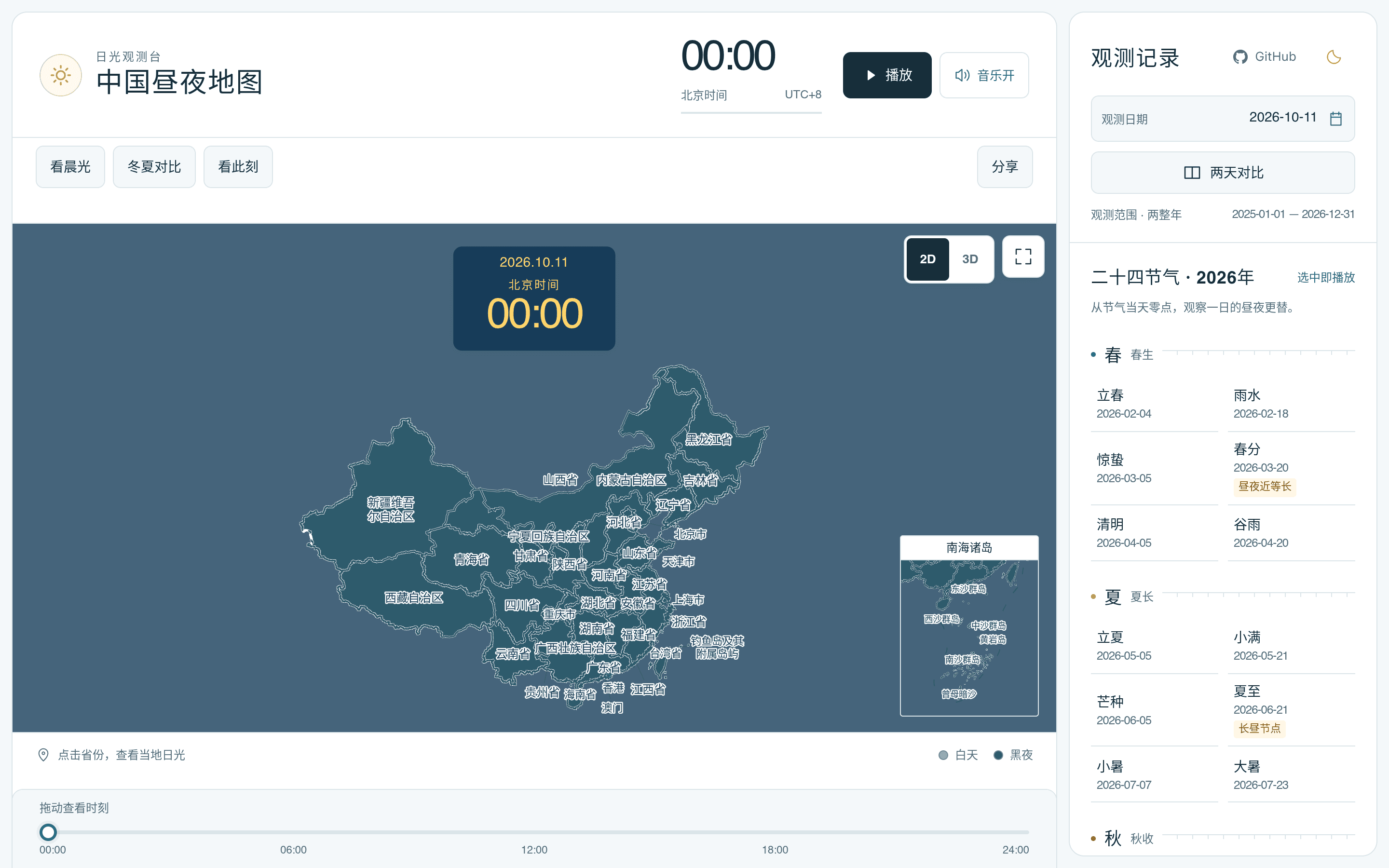
V2EX 用户 bigbigeggs 在 10 月 11 日发帖展示了这个周末项目,原话是“周末一天 codex 就搞定了”:一个纯前端的中国昼夜地图,把太阳每天在神州大地上的行踪做成了可交互的可视化。开源仓库 wenbochang888/china-daylight-atlas(MIT 协议)10 月 3 日创建、10 月 11 日当天仍在推送更新,已收获 13 颗 star,仓库 topics 明确声明技术栈为 TypeScript + Vue 3 + MapLibre GL,全部天文计算都在浏览器本地完成,不依赖任何后端服务。 核心看点有三。其一,2D/3D 可切换的昼夜交界线:2D 模式是带省份边界的中国地图,明暗分界线随时间扫过版图;切到 3D 地球模式,昼夜分界线横贯整个星球的画面相当震撼,夏至日凌晨 4 点的晨昏线尤其漂亮。其二,完整的二十四节气面板:从立春到大寒逐个列出 2026 年的准确日期,选中任意节气即从当天零点播放一整天的昼夜更替,还支持“两天对比”直观感受昼夜长短的季节变化。其三,点击任意省份查看当地日光信息,底部时间轴可拖动查看任意时刻,右上角还有“看晨光”“冬夏对比”“看此刻”三个快捷入口,右下角南海诸岛小窗也没有缺席。 细节上作者也没偷懒:播放按钮支持自动演示昼夜流转,还有背景音乐开关和一键分享,侧边栏直接链回 GitHub 仓库。实测 demo(部署在作者个人站点)可正常访问,地图渲染流畅,2D/3D 切换、节气播放、时间拖动全部可用。评价:这是典型的“周末 vibe coding”作品——选题讨巧(天文+节气+地图三重浪漫叠加)、实现完整、UI 完成度明显超过“一日游”水准,13 颗 star 的开局对得起它的完成度。想给自己的 side project 找灵感的人,可以直接读它的源码学 MapLibre 的昼夜渲染思路;单纯想看个漂亮东西的人,打开 3D 模式拖一下时间轴就值回票价。

Showcase
Online
Lifestyleclaude-code

PaperMono Shopping List

电子墨水冰箱贴购物清单:Claude Code 一人写就的 ESP32 硬件项目,203 星

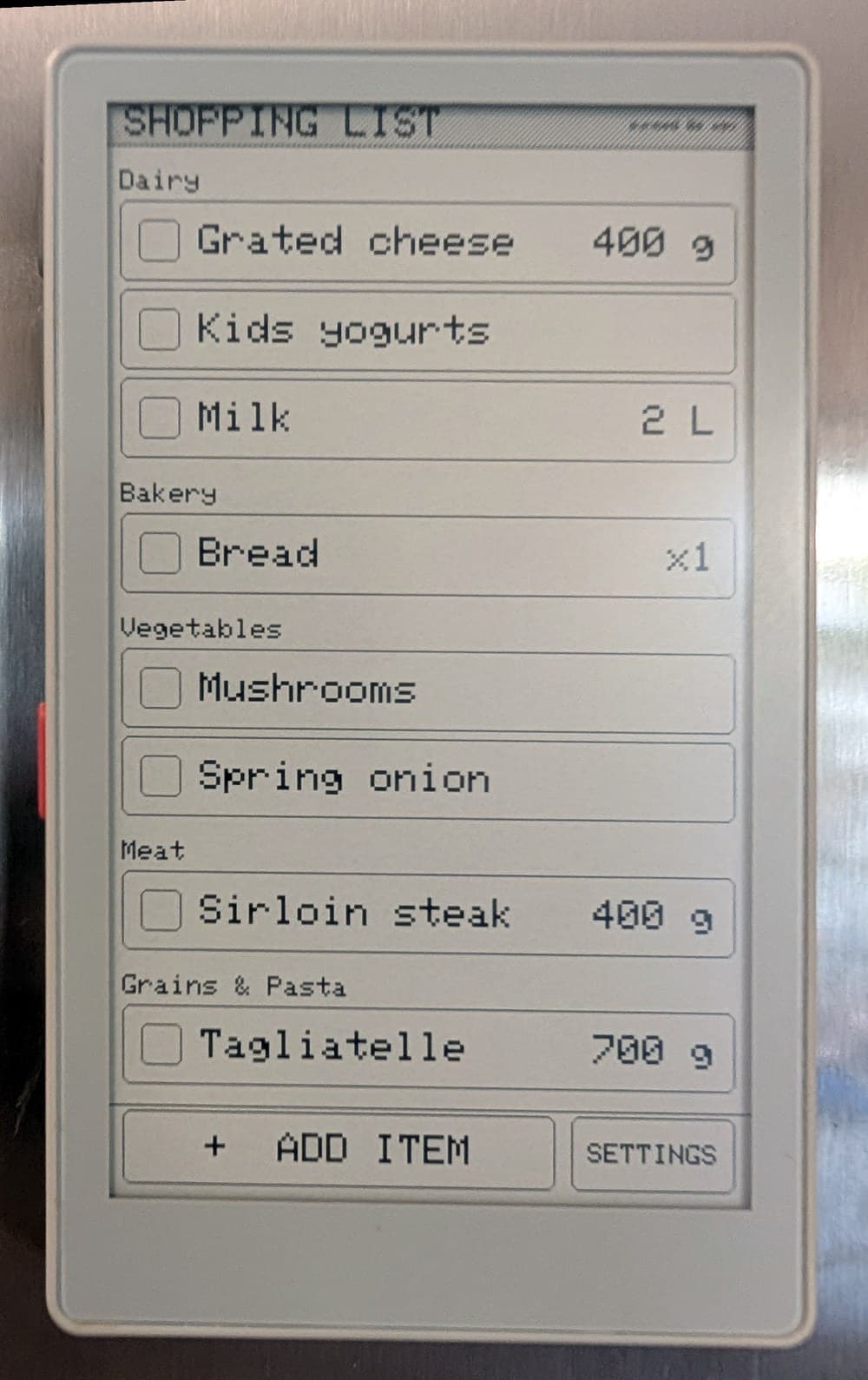
把家庭购物清单贴在冰箱上的电子墨水屏:作者 seamusc 为 M5Stack PaperMono(ESP32-S3 3.97" 电子墨水触屏)写了约 2400 行 C++ 固件,配 FastAPI 后端与手机网页 UI,Wi-Fi 同步、离线可用、低功耗休眠。商品按过道自动分组,在手机上改清单,冰箱贴实时更新。 作者在 Show HN 帖中写道:"Fully vibe-coded with Claude Code, I didn't hand-write this. I wanted to see how Claude would get on with building something useful for a new hardware device." 仓库 203 星、152 HN points,2026-10-06 仍在提交——是少见的 AI 给新硬件写固件的实战案例。

Showcase
Online
Lifestyle

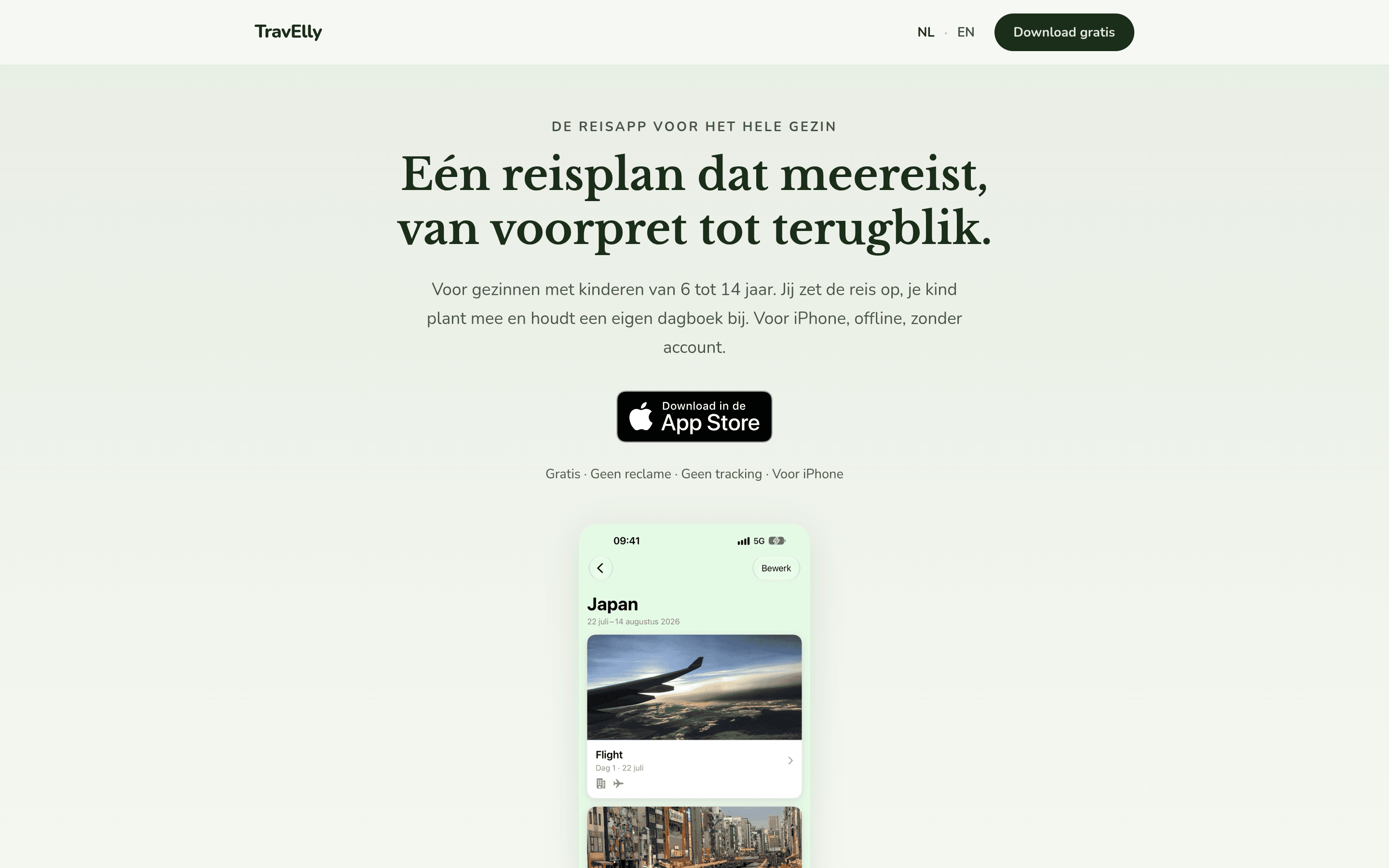
TravElly

A Dutch family travel app for kids 6–14: plan together, keep a photo diary, share e-postcards — free, no ads, offline.

TravElly is a Dutch family travel app for kids aged 6–14: parents set up the trip, children pick sights into their own day plans, keep a photo travel diary on the road, and generate e-postcards to share. Everything is stored on-device — no account, no server; free, no ads, works offline on iPhone. On Apple Intelligence devices it can even generate sight descriptions locally. Author jeroen_stulen's Show HN post says it all: "Show HN: My first app, artisanally vibe-coded in 4 months." The author has not named a specific build tool, so aiTools is left empty. 中文导读:荷兰家庭亲子旅行 App(6–14 岁)——家长建行程、孩子自查景点写带照片的旅行日记并生成电子明信片;本机存储、无账号,iOS 免费无广告;作者 Show HN 原话「artisanal vibe-coded in 4 months」。

Showcase
Online
Lifestyleclaude-code

Runometry

The Kayak of running shoes: structured specs and price comparison for 1,200+ models across major retailers, in six languages.

Runometry is a running shoe knowledge base and price comparator that calls itself the Kayak of running shoes. It catalogs 1,200+ shoe models from major brands (ASICS, Brooks, HOKA, Nike, adidas, Saucony, On, Mizuno, New Balance, Salomon, Topo Athletic and more) with structured specs like weight, drop and stack height. Shoes can be browsed by category (daily trainers, max cushion, stability, tempo, racing, trail), and the comparator refuses to match shoes that are not genuinely comparable — matchup pages like Brooks Ghost 18 vs Mizuno Wave Rider 30 are generated from the catalog. The site also publishes guides and data articles, and is fully localized into six languages (EN, FR, DE, ES, IT, NL). The business model is affiliate commissions with no display ads, and the author's editorial rules state AI-generated content is reviewed by him before being treated as fact. The whole project — a catalog build that would have taken a small team months — went from first work to live in about 3 days.

Showcase
Online
Lifestylekiro

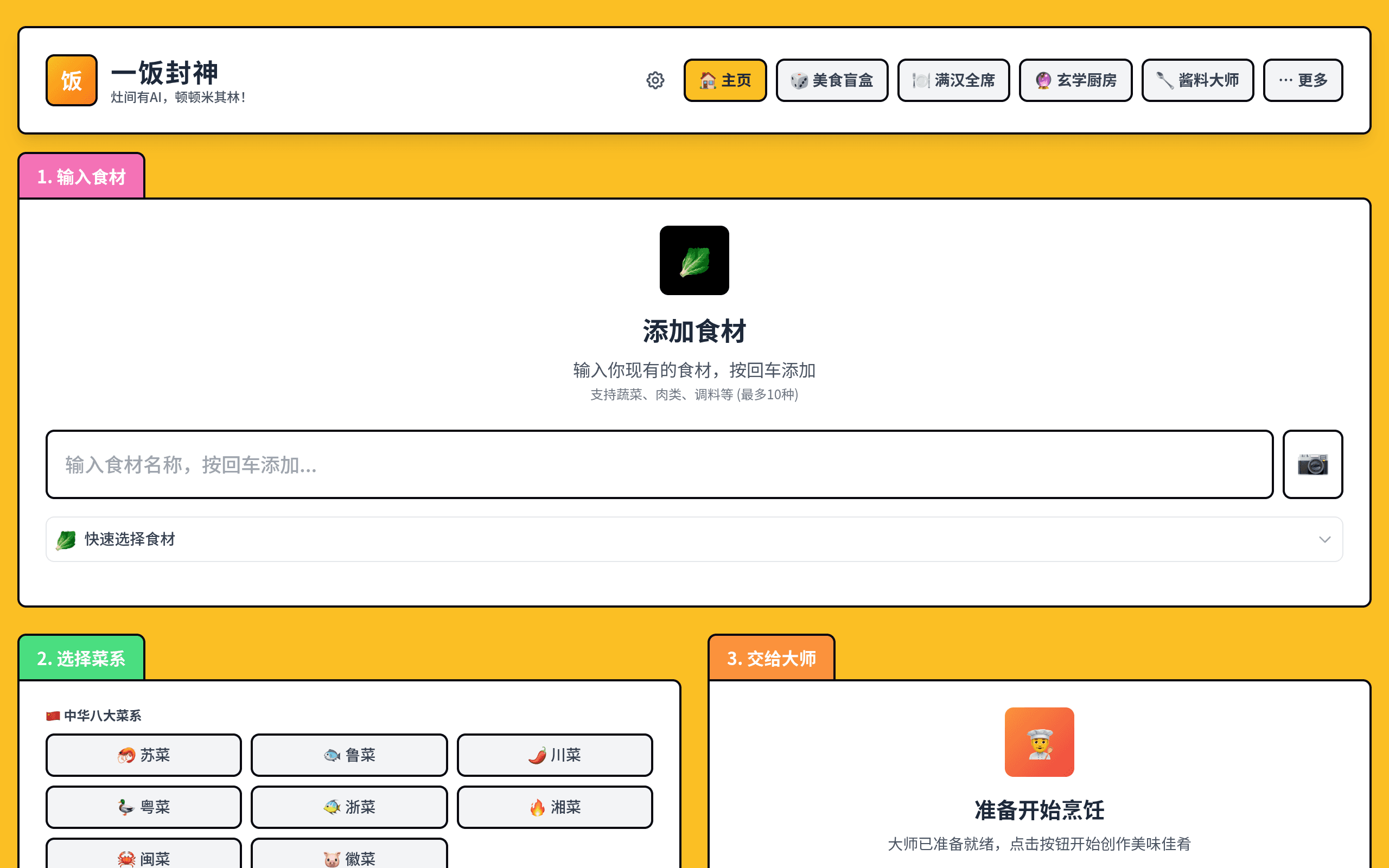
一饭封神

输入手头食材,一键生成专业菜谱:中华八大菜系+国际料理,附营养分析与 AI 菜品效果图

一饭封神解决的是「今晚吃什么」的千古难题:输入手头现有的食材(支持拍照识别),选一个菜系,一键生成一份专业级菜谱。每道菜附带营养分析、健康评分、侍酒师级别的酒水搭配,还有 AI 生成的菜品效果图;内置「料理占卜」「满汉全席」等趣味玩法,覆盖中华八大菜系与国际料理。 作者在 README 中明确写道,这是通过 Kiro 编辑器「从需求分析、架构设计到代码实现全流程开发」的 Vibe Coding 作品,仓库打着 vibe-coding 标签,已收获 3572 star。它还内置动态 AI 配置系统:运行时可切换任意 OpenAI 兼容模型服务(DeepSeek、豆包等)。演示站目前 live 可交互,作者的 AI 开源作品仍在聚合维护中。

Showcase
Online
Lifestyleclaude

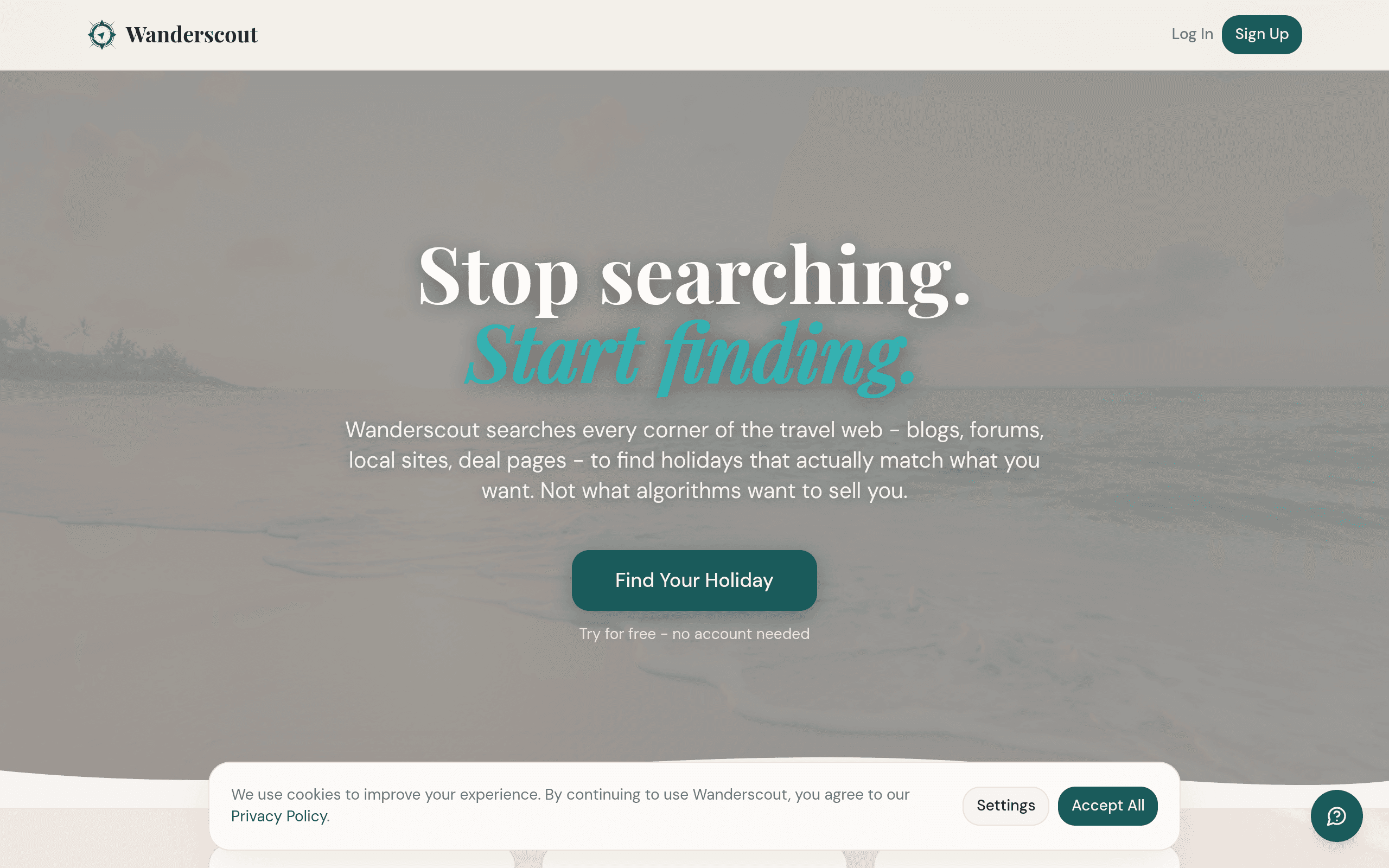
WanderScout

AI travel search that reads the real web before recommending — built in Lovable, priced by Duffel, reasoned by Claude

Wanderscout is an AI travel destination search built by a Swedish couple with two young kids, through their company Zorez Group AB, "in the evenings." Tell it your real budget, dates, preferences, and who's coming, and its AI reads across travel blogs, local rental sites, tourism board pages, and flight deal pages before returning a shortlist with match scores — every pick backed by a source link, with no invented prices. Verbatim from the makers' project page: "We build in Lovable, use Duffel for airline-direct flight pricing, no markup, and Anthropic Claude for the AI." A real operating business with free trials, not a demo — anti-algorithm travel advice, researched like a human travel agent would. The honesty is the product: "Not what algorithms want to sell you." WanderScout is what happens when vibe coding meets a genuine service business — evenings-only builders shipping a real company on it. curated by the VibeFix editors

Showcase
Online
Lifestyle

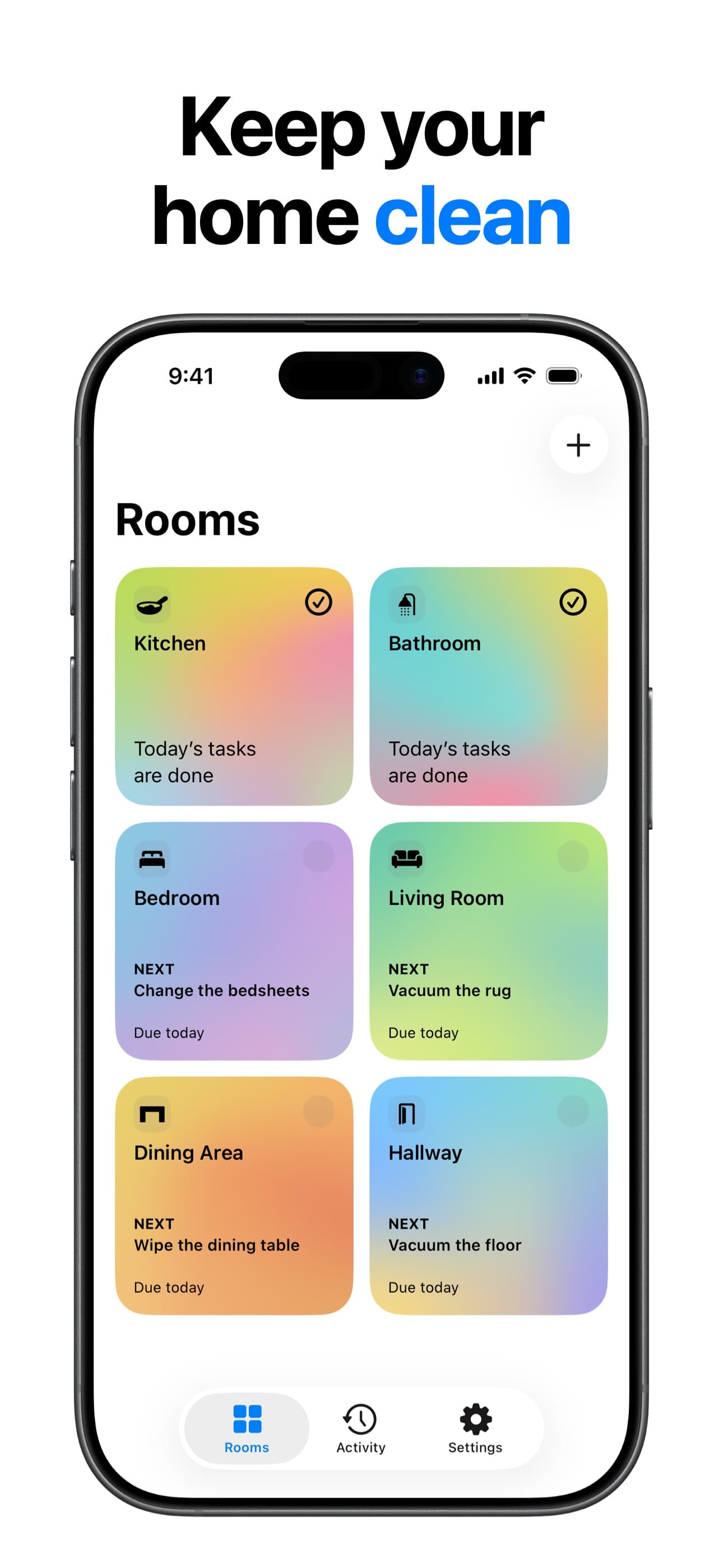
Cleaning Schedule: TidyTempo

A calm household cleaning app that organizes chores room by room — with reminders, activity history, and shared Pro households.

TidyTempo is a native iPhone app that takes the invisible work of keeping a home clean — remembering what needs doing, deciding when, and keeping everyone on the same page — and turns it into a calm, room-by-room routine. Add your rooms, give each one its own color, and create tasks with notes, estimated time, and repeat schedules (Mon/Wed/Fri or anything else you like). The home screen shows what's due today and what's overdue; a personal activity graph and full completion history make progress visible over weeks and months. Planning time away? Vacation mode pauses tracking and reminders until you're back. The Pro tier is built for families: invite household members, assign tasks so everyone knows what's theirs, and sync everything over iCloud — no separate account needed. Six accessibility features are baked in from the start (VoiceOver, Voice Control, Larger Text, Dark Interface, Differentiate Without Color, Reduced Motion), and the app is localized into ten languages, including Simplified Chinese. The app is built solo by Sahil Satralkar, who ships it the indie way: "I used AI-assisted development alongside iterative design reviews, automated tests, and simulator verification." curated by the VibeFix editors

Showcase
Online
Lifestylelovable

Plinq

Women's safety background checks — type a name and number, get a criminal-record risk score in seconds.

Plinq is a women's safety app from Brazil with a simple, urgent idea: type a full name and phone number, and it checks public criminal and judicial records, returning a red/yellow/green risk score in seconds — plus a one-tap emergency alert and a mutual-aid community. The founder story is the point. Sabrine Matos, a growth marketer with no engineering degree, built the whole thing on Lovable — website, desktop app, scoring logic, public-records integrations, backend workflows — in 45 days. 'If Lovable didn't exist, Plinq would never have seen the light of day.' Three months in: 10k+ users, roughly $456K in annualized revenue, 300% month-over-month growth, and a claim of 200+ dangerous situations avoided — with coverage from G1 Globo, Exame and Marie Claire, and a pre-seed round in progress. curated by the VibeFix editors

Showcase
Online
Lifestyleclaude-code

Solar Dashboard

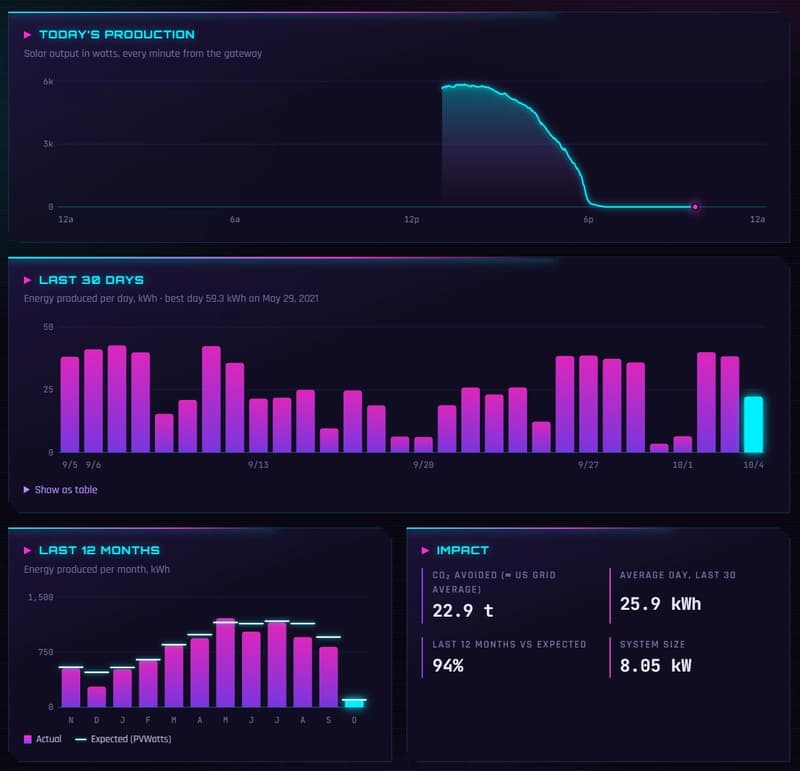
A home solar + electric-bill dashboard: per-panel live data, dying-inverter alerts, and a plain-English briefing written by a local AI every six hours.

It started as a son's attempt to prove he wasn't the reason Dad's electric bill was so high — and turned into a full home energy intelligence system. The Solar Dashboard pulls live data from the family's Enphase solar gateway every minute, down to each individual panel, combines it with ComEd electric bills and PVWatts government data on what the roof should produce, and ranks where the power goes per device and room via Home Assistant smart plugs. The standout feature is "Dad's Briefing": every six hours, a collector hands a small set of facts to Gemma 3 4B running locally on the home PC, which writes a short plain-English note at the top of the dashboard — no charts, just "your bill is $270.48 vs $46.12 last year, here's why, here's what to do." And the dashboard earned its keep: the per-panel map exposed that the solar company's layout didn't match the actual roof — panels reinstalled after storm repairs were never remapped, so the system was reporting panels in places they are not. The author proved it by checking where a tree's shade actually lands. Built with Claude Code (every session tracked with Entire, linking each AI session to the commits it produced), it runs Next.js 16 on Vercel with Upstash Redis, and even the bug stories are good — like the night the dashboard declared all 23 panels dead, because microinverters run on the panels' own power and go quiet after dark. Note: This project is curated by the VibeFix editors from public sources. All rights belong to the original creator.

Showcase
Online
Lifestyle

AffirmCount

A 10-year iOS developer's first personal app — 100% vibe-coded, zero lines read: save affirmations, speak them aloud, let similarity scoring count reps.

The author's confession is the whole story: ten years as an iOS developer, mostly in WebView, and he had never shipped his own app. On parental leave he finally built one — and deliberately never read a single line of code. He knew he couldn't verify AI-generated SwiftUI, so he verified the results instead: feeding the app wrong inputs on purpose to see if it could catch them, letting the AI test itself. AffirmCount is an affirmation practice app with a clever core mechanic. You save affirmations that resonate with you, then speak them aloud; the app compares what you said against the saved text. The hard part turned out to be Korean: grammatical particles change with the preceding word, so one different particle made it a "different" sentence. Hardcoding the edge cases exploded, so the author made a product decision no code was needed for — anything above 85–90% similarity scores as a pass. It is live on both the App Store and Google Play, and the plan is to add on-device AI next. The dev.to post ends with the best detail: when the author opened the oldest log on his MacBook, it wasn't his words — it was messages exchanged between AI agents. The first thing he actually typed was "You are the orchestrator of this repo." Note: This project is curated by the VibeFix editors from public sources. All rights belong to the original creator.

Showcase
Online
Lifestyleclaude-code

Cookable

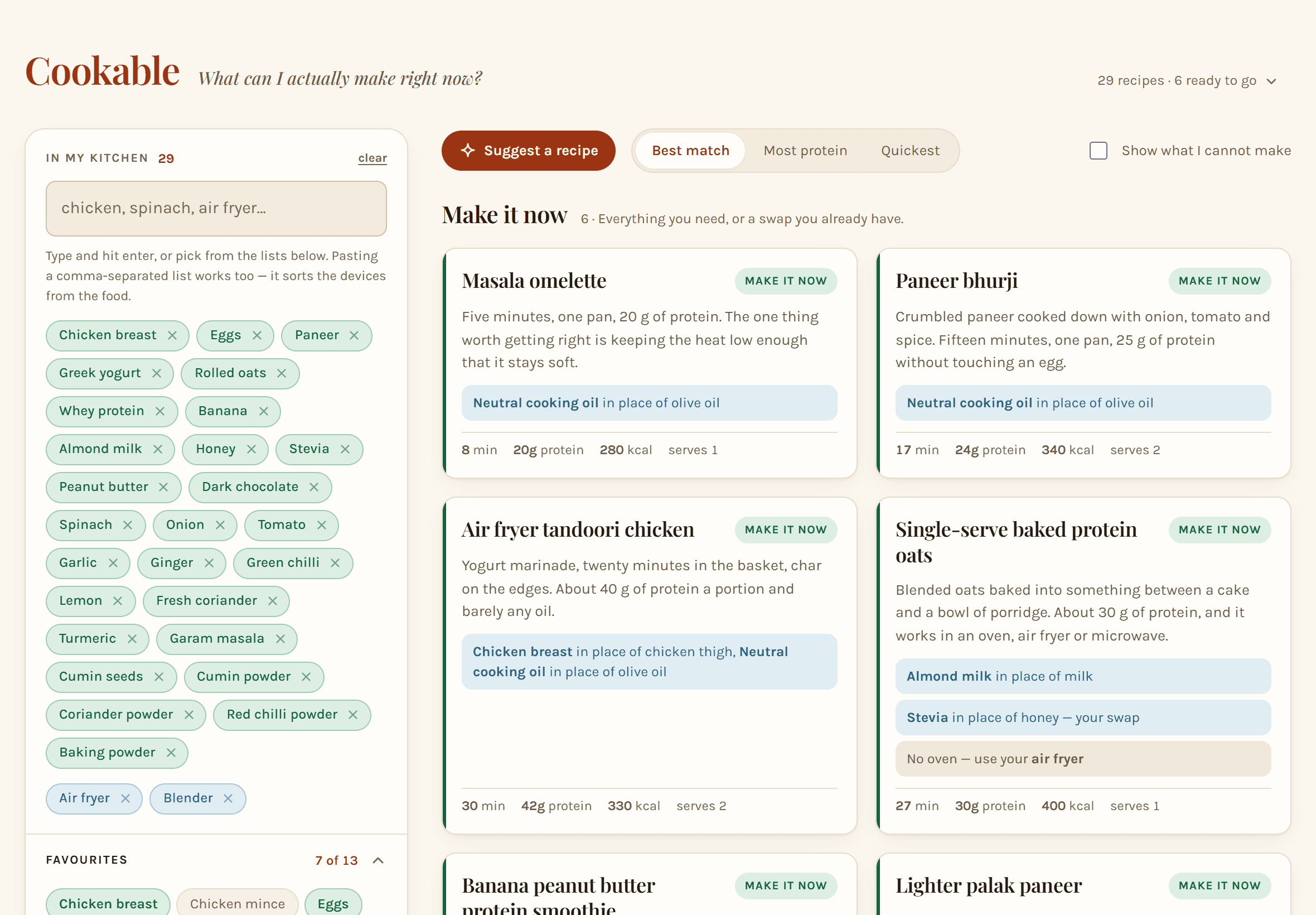
Tell it what's in your kitchen; it tells you what you can cook tonight — plus swaps for whatever you're missing. Empty repo to installable app in six days.

Most recipe apps start from a recipe and send you to the shops. Cookable starts from what you already have. You type what's in your kitchen — `dahi`, `jeera`, `atta`, `shimla mirch`, `kadai`, `mixie`, `2 large onions`, or just paste a whole list — and it checks every recipe line by line. Each recipe lands on one of four shelves: "Make it now," "One or two things short," "A few things short," or "Not without a shop." When something's missing, it doesn't just shrug — it looks for what you could use instead, with the amount, and a warning when the stand-in can't do the whole job. The swap engine has opinions, which is what makes it trustworthy. It will happily swap the oil in paneer bhurji but will never swap the paneer. No oven? It tells you to use the air fryer about 20°C cooler and check 20–25% sooner. Every recipe shows protein, calories, fibre, and added sugar; sugar and honey get swapped out whenever there's a way. It installs like an app, works offline, has no account and no server — your kitchen stays in your browser. The build story is the real showpiece. Per the README: "from an empty repository to an installable app in six days," one pull request at a time, with a `CLAUDE.md` that explains *why* each convention exists, slash commands like `/add-recipe` for repetitive jobs, and a validator as the safety net. The author even documents the method so you can borrow it: write one sentence about what the app is for, let Claude Code build a first version, and whenever you catch yourself making the same correction twice, put it in `CLAUDE.md`. A working recipe app and a working recipe for vibe coding, in the same repo. Note: This project is curated by the VibeFix editors from public sources. All rights belong to the original creator.

Showcase
Online
Lifestyle

Verdant

A self-hosted garden journal in a single Docker container: plant logs, harvest forecasts, pest and cost tracking — built by someone with no coding knowledge.

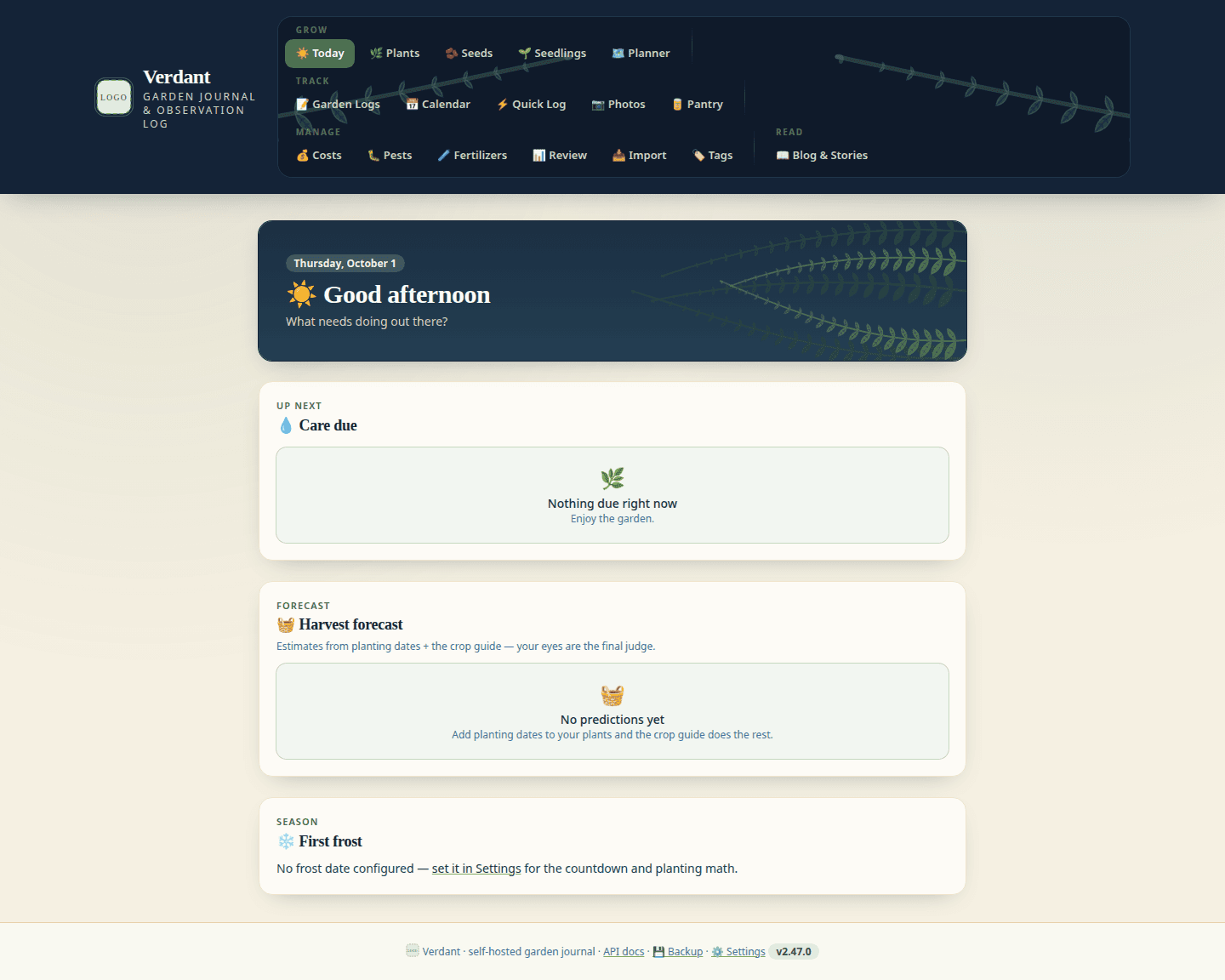
Verdant opens with one of the most disarming README lines in the vibe-coding world: "THIS IS 100% VIBE CODED… built by someone with no coding knowledge." The author didn't set out to learn programming — they wanted a better garden journal and described it into existence. Two hundred commits and 36 releases later (the project started in September 2026 and is still shipping), it has grown into a genuinely full-featured growing companion. The app covers the whole lifecycle of a garden. There's a Today view that greets you and tells you what needs doing, plant and seedling trackers, a planner, garden logs with a calendar, quick logging, photos, and a pantry. Then it goes deeper than most journaling apps: harvest forecasts estimated from planting dates, pest and fertilizer tracking, cost logging, tags, import/export, and a "Blog & Stories" section. Everything runs from one Docker container with a FastAPI backend and SQLite — no cloud account, your data stays on your own machine. What makes Verdant worth featuring is the honesty of its origin story paired with the seriousness of its execution. This isn't a weekend demo; it's a maintained product with dozens of releases, built by a non-programmer who just kept describing what the garden needed next. If you've ever doubted that vibe coding can produce real, durable software for real hobbies, Verdant is the counterexample. Note: This project is curated by the VibeFix editors from public sources. All rights belong to the original creator.

Showcase
Online
Lifestylecodex

Rushi 如是

用 Codex 写的第一款 iOS App:金刚经/心经诵读+108 念珠+抄经+冥想音景,全离线、零追踪,经文以 CC0 开源。

Rushi(如是)的名字取自《金刚经》开篇"如是我闻",是一款安静得有点反常识的 iOS 应用:读金刚经与心经(鸠摩罗什/玄奘两译对照,17 种界面语言)、108 念珠计数、抄经、冥想音景(木鱼、磬、雨声、竹林,可叠加)。没有打卡、没有徽章、没有 streak,"每个功能都围绕一次完整的修持而设计"。全离线运行:无账号、无云端、无统计,App Store 隐私标签是"Data Not Collected",卸载即清空。 作者 hooosberg 是个多产的独立开发者,Rushi 是他"用 Codex AI 写的第一款 iOS App"。官网的读经截图能看出审美在线:中文衬线排版、米色纸面质感,完全不像 AI 赶工的糙活。更难得的是开放姿态:App 内每段经文都标注译者、底本、版权依据,心经 11 个语言版本、金刚经 13 个版本整理成 Markdown 语料库,以 CC0 协议在 GitHub 开源,别人可以直接拿去做自己的 App。 免费、无广告、全离线,已经上架 App Store。在"AI 味"被诟病最多的恰恰是这类需要审美和敬畏心的产品里,Rushi 证明了 vibe coding 也能做出克制、干净、有文化重量的东西。 注:本项目由 VibeFix 编辑从公开渠道精选收录,版权归原作者所有。

Showcase
Online
Lifestyle

在乎

一次完整的 vibe coding 实践:以人为中心的关系记录 App,iOS 17 原生+自建后端,作者复盘了哪些事不能交给 AI。

「在乎」的作者在 V2EX 的帖子标题就写明"用 vibe coding 做了「在乎」",并在正文里补了一句关键的自我定位:"我有一些开发基础,开发中大量使用了 AI coding 工具,也算一次完整的 vibe coding 实践。想借上线介绍产品,也聊聊它真正帮到什么、哪些事不能交给 AI。"——这后半句让这个项目比一般的"求体验"帖子有价值得多。 产品本身是个"以人为中心"的关系记录工具,解决的是通讯录、日历、备忘录三不管地带:先打开某个人,再看到关于 Ta 的喜好、忌口、生日(支持农历)、关系日记、人情账本(红包礼物往来)、礼物灵感 AI 推荐、待办 AI 拆解,还有桌面与锁屏小组件。作者刻意没做"关系打分""多久没联系扣分"这类设计:"App 不知道一个人是否在乎谁,也不应该替用户判断感情。"这种克制很难得。 技术实现是完整的前后端:iOS 17+ 原生(SwiftUI、SwiftData、WidgetKit、StoreKit 2,零第三方依赖),后端 Node.js + Express + MySQL 负责账号、云同步、媒体存储和 AI 服务。作者复盘的 vibe coding 经验很实在:AI 把"想到功能"到"跑起来"的距离压得很短,但提审被打回两次(内购没跟版本一起提交、订阅元数据缺用户协议链接),"需求、边界、数据模型、真机测试、异常恢复、隐私和审核,仍然要自己负责"。免费版可记 10 人,Pro 月付 8 元/年付 58 元/永久 128 元。 注:本项目由 VibeFix 编辑从公开渠道精选收录,版权归原作者所有。

Showcase
Online
Lifestyleclaude-code

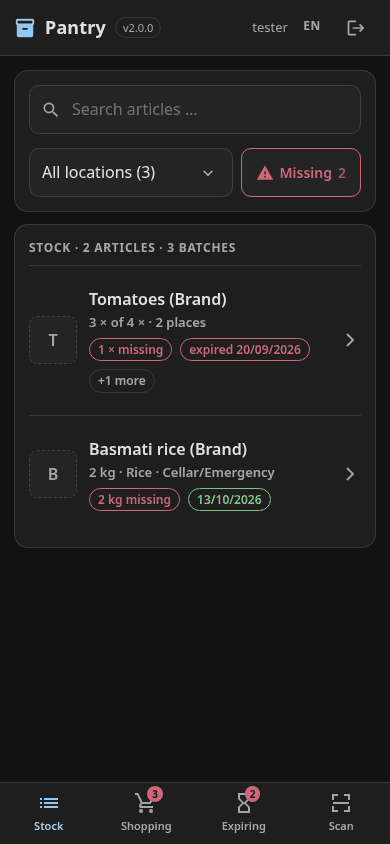
inventree-pantry

A phone-sized pantry app on top of InvenTree — book in, use up, count — written almost entirely by Claude Code.

inventree-pantry's README is disarmingly honest: "This app is vibe-coded. It was written almost entirely by an AI coding agent (Claude Code), directed by one person, for one household's pantry and emergency supply. It is in daily use and every change was checked against a real InvenTree, but no human has reviewed the code line by line the way hand-written software would be reviewed." The problem it solves is real: InvenTree is excellent warehouse software, but in a kitchen its official app buries everyday actions several screens deep. This app covers the three things a household actually does — book in, use up, count — each as one button. Scan a supermarket barcode and Open Food Facts fills in the product; the shopping list knows what's missing; an expiry watchdog pushes "3 expired, 2 expiring soon" to ntfy or Matrix. InvenTree stays the single source of truth — the app stores nothing itself. Four languages: German, English, Russian, Chinese. My favorite detail: "The installation guide is written for an AI agent to carry out." Point your agent at INSTALL.md and let it do the work — software written by AI, installed by AI, with the human just directing. One star on GitHub, used every day in the author's own kitchen. Sometimes that's the better metric. Note: This project is curated by the VibeFix editors from public sources. All rights belong to the original creator.