AI Game Remakes Meet the Copyright Hammer: Bethesda Takes Down Fallout: New York, Activision Nukes MW2 Decompile
On October 1, self-described AI creator CHRIS FIRST abandoned his browser-based Fallout: New York after Bethesda parent ZeniMax sent a cease and desist. Almost simultaneously, Activision took down Maurice Heumann's demo of decompiling Call of Duty: Modern Warfare 2 with 17 AI agents running in parallel. AI lets one person remake a AAA title — and rights holders have started hitting back.
What happened: two takedowns, one week
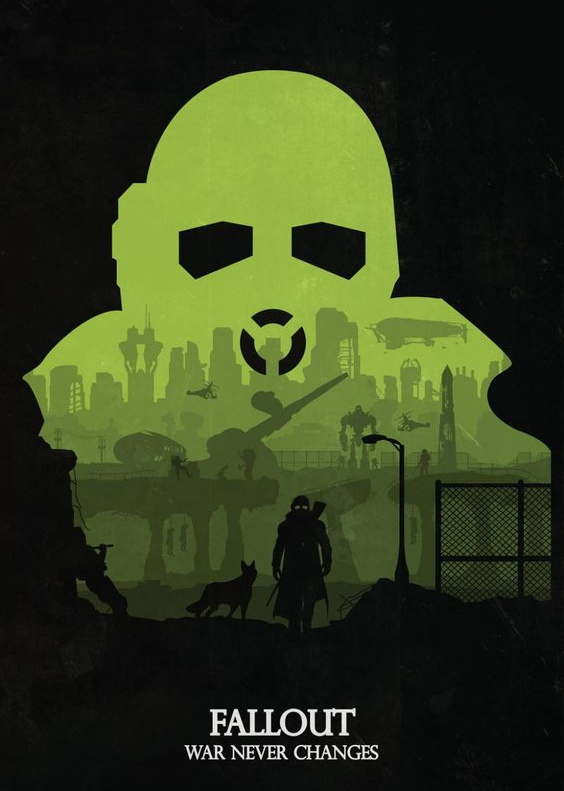
The first starred Fallout: New York. On September 28, self-described "AI creator" CHRIS FIRST posted a demo on X: a Fallout fan game playable in the browser — quests, dialogue trees, V.A.T.S. combat, a working Pip-Boy, the full set. His pitch was irresistible: "Zero texture files. Zero sound files. Every building, weapon, face and sound is generated by code." The stack: Claude Opus 5.5. The video hit 3.5 million views.
On October 1, CHRIS FIRST posted what looked like a cease and desist from Bethesda parent ZeniMax Media and announced he was abandoning the project. The letter cited two things: trademark infringement over his fallout.nyc domain, and use of copyrighted materials. His caption: "Hey, Bethesda Studios how about you make a Fallout game instead so I don't have to? Sorry to everyone who enjoyed the game! But the suits got involved and the fun is over."
The second starred an MW2 decompilation effort. On September 30, developer Maurice Heumann (@momo5502) announced on X that with 17 AI agents working in parallel he was decompiling the PC source code of Call of Duty: Modern Warfare 2: "The game is fully playable now and almost all visible bugs are gone. Only a few are left. I even managed to get my first nuke." Activision responded by nuking the demo footage in his post (replaced with "disabled in response to a report by the copyright owner"), and the site allegedly hosting the code became unreachable.
Notably, Bethesda and Activision are both Microsoft-owned publishers now. Kotaku covered the two together under the headline "Activision And Bethesda Crackdown On GenAI MW2 And Fallout Projects."
Why now: AI floored the cost of remaking a game
Fan remakes and decompile ports are a decades-old tradition, and rights holders mostly looked the other way — because the bar was high, the pace slow, the impact small. AI changed the equation: one person plus Claude Opus 5.5 can ship "quests, dialogue trees, V.A.T.S., working Pip-Boy" as a browser game in weeks; 17 agents in parallel can push a AAA decompilation to "fully playable." Once infringing content can be produced industrially and go viral, legal departments can't pretend to sleep anymore.
CHRIS FIRST's naivety is representative. Before the takedown he posted: "It's all free and I make 0 money on it, I hope they don't ask me to take it down. I really love Fallout and this was just a fun tech demo." — "not making money" and "just for fun" were never shields under copyright law, and the fallout.nyc domain named in the letter sealed the trademark case: use someone's name to draw traffic and free doesn't save you.
The real battlefield: sue the little devs, or sue the AI companies
A top-voted comment under the Kotaku piece captured the mood: "Going after the little guys instead of the technology, this is Napster and music industry 2.0, we've already seen how this plays out: we win they lose."
That nails the current shape of the copyright war: big publishers still haven't mounted a direct legal battle against AI companies the way some in Hollywood have, choosing instead the cheapest play — picking off individual projects one by one. It's whack-a-mole: you can swat one fallout.nyc but not the dozens of AI remakes popping up daily. But flip it around: it also shows the existing legal arsenal works fine — the trademark-plus-copyright combo hits individual projects every time.
The lesson for vibe coders is direct: the question was never "can AI remake a AAA game" but "should you ship it." Between a tech demo and a public release stands a high wall of copyright, and AI just lets you hit that wall faster. Want to homage a classic? The right move is the "spiritual successor" — clone the mechanics, not the IP; clone the feel, not the name. The how-to is in our companion guide.
One line: AI gives one person the output of what used to be a studio, but copyright law doesn't give you a discount for being "one person plus AI." Capacity went up — legal awareness has to keep up.
Sources
Related articles
On October 8, 2026, Google Cloud launched the Gemini agent at Gemini at Work 2026: a universal agent for work that takes objectives, plans by itself, auto-selects between Gemini and Claude models per task, and introduces 'coworker agents' with their own email, calendar, and directory seat. Four judgments on why the second half of the agent race is about 'agents that feel like colleagues.'
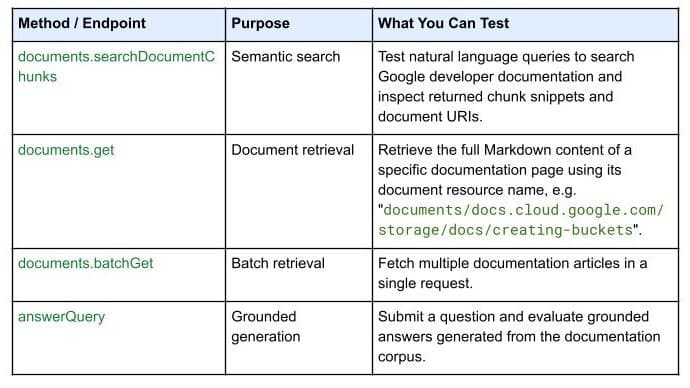
On October 7, 2026, Google Developers launched the Developer Knowledge API ecosystem: official Google Cloud, Firebase, and Android docs as a programmatic source of truth, with a gcloud CLI surface, an official Agent Skill (one-line install), an MCP server, and multi-language client libraries. Why 'docs as APIs' uproots vibe coding's classic failure of models misremembering APIs.

On October 7, 2026, GitHub announced via Changelog: starting with CLI 1.0.94-0, the /model command discovers models in your local Ollama instance, listed alongside configured and cloud models. Discovery doesn't auto-enroll — each model needs manual confirmation — and models must support tool calling and streaming. GitHub also teased intelligent routing, and clarified: a local model neither enables offline mode nor disables telemetry.