Claude Code Gets Moddable: Anthropic Launches Mods, Rewriting Your AI Coding Assistant in a Few Lines of TypeScript
On October 1, Anthropic launched Mods for Claude Code: small TypeScript functions that intercept prompts, tool calls, permission requests, and even redraw the UI — distributed as plugins, installed with a single /plugin command. The thrilling and dangerous part: mods don't run in a sandbox. They get the same machine access as Claude Code itself.

What happened: the agent's operating logic opens up for the first time
On October 1, Anthropic announced via its official ClaudeDevs account a new extension mechanism for Claude Code called Mods. In short, a mod is a small TypeScript function that hooks into Claude Code's agent loop, running before, after, or even in place of specific events.
What it can do runs deeper than you'd expect: rewrite prompts before they reach the model, block or retry tool calls, approve or deny permission requests, strip secrets from tool output, and draw custom UI — buttons, panels, /commands. The three official examples say it all: Token Weather shows a live forecast of your context window above the prompt; Blast Radius dry-runs dangerous commands like rm -rf, git reset --hard, or force pushes, previewing what they'd touch first; Replay Theater records every file edit Claude makes in a turn so you can step through the diffs one at a time.
Mods ship inside plugins, install with a single /plugin command, work in both the CLI and the desktop app, and require Claude Code v2.1.287 or newer. Anthropic is even migrating its own features into the system: the /diff view, AGENTS.md loading, and telemetry are now built-in mods you can disable or replace.
Why it matters: from fixed assistant to programmable platform
When Anthropic launched plugins last October, extensibility stopped at packaging commands, subagents, MCP servers, and hooks — hooks allowed some customization but couldn't rewrite events, draw new UI, or replace built-ins. Mods fill exactly that last gap: for the first time, outside developers can touch the agent's operating logic.
The significance rivals VS Code opening its extension API. Previously, every "I want this but the vendor won't ship it" feature meant waiting on the official roadmap; now teams can encode internal workflows and controls directly into the agent. A fintech company can write a mod forcing all database writes through an approval flow; a game studio can turn its build conventions into real-time checks. Anthropic is effectively handing part of product definition to users.
Most interestingly, Anthropic is dogfooding the mechanism: the company says you can ask Claude Code to write a mod for you, then hot-reload it into the session. The agent becomes the producer of its own extension system.
The warning first: mods are not sandboxed
Anthropic states it bluntly in the announcement: mods run with the same machine access as Claude Code itself — there is no sandbox. A mod can read your secrets, rewrite your prompts, and approve a tool call before you see it. When several mods hook the same event they form an onion-style chain in load order — first loaded sees the event first and the result last — meaning one hostile mod poisons the whole trust chain.
Enterprise users get one more layer: Team and Enterprise plans ship a built-in sec-default security mod that always loads first, specifically to prevent user-installed mods from overriding permission-deny rules. Admins can also allow or block plugin marketplaces. For individual users, the rule is simpler: treat installing a mod like installing an npm dependency — only from sources you trust, and read the code first.
The takeaway for vibe coders
Mods mark the platformization phase of AI coding tools: the first half, competing on model capability, is giving way to a second half competing on ecosystem and programmability. For everyday developers, the most pragmatic move isn't chasing the flashy official demos but writing your own guardrail mod first — blocking dangerous commands, auto-redacting secrets, enforcing commit-message formats. Those are the things protecting you every day.
One line: Claude Code is no longer a tool you can only use; it's a tool you can modify. Just remember — you're not the only one who can modify it.
Sources
Related articles
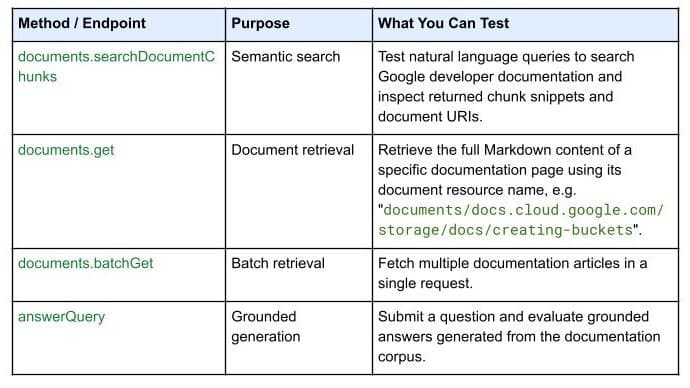
On October 7, 2026, Google Developers launched the Developer Knowledge API ecosystem: official Google Cloud, Firebase, and Android docs as a programmatic source of truth, with a gcloud CLI surface, an official Agent Skill (one-line install), an MCP server, and multi-language client libraries. Why 'docs as APIs' uproots vibe coding's classic failure of models misremembering APIs.

On October 7, 2026, GitHub announced via Changelog: starting with CLI 1.0.94-0, the /model command discovers models in your local Ollama instance, listed alongside configured and cloud models. Discovery doesn't auto-enroll — each model needs manual confirmation — and models must support tool calling and streaming. GitHub also teased intelligent routing, and clarified: a local model neither enables offline mode nor disables telemetry.
On October 8, 2026, Google Cloud launched the Gemini agent at Gemini at Work 2026: a universal agent for work that takes objectives, plans by itself, auto-selects between Gemini and Claude models per task, and introduces 'coworker agents' with their own email, calendar, and directory seat. Four judgments on why the second half of the agent race is about 'agents that feel like colleagues.'