Claude Opus 5.5: Faster and Stronger, Yet 40% Cheaper
On September 22, Anthropic released Claude Opus 5.5 — outperforming Opus 5 across the board while costing 40% less on typical workloads. The first "better and cheaper" flagship, and it sets the tone for the year's model price war.
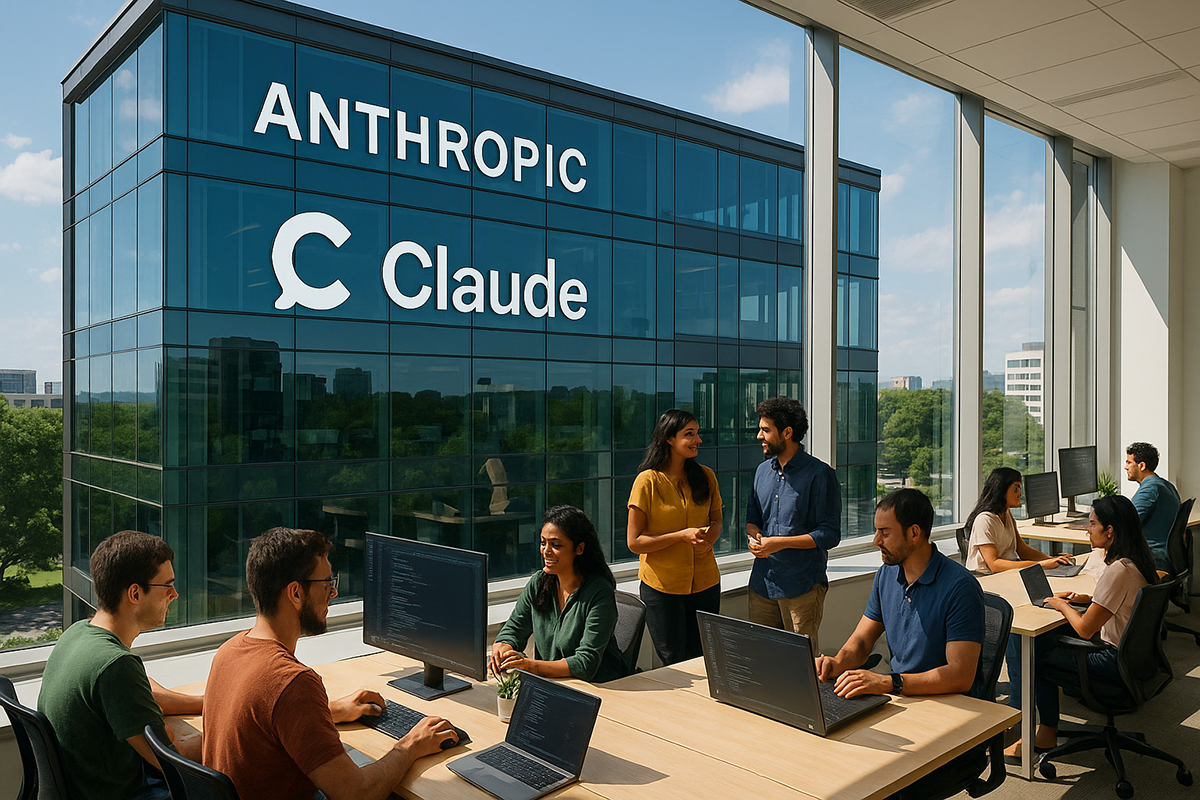
On September 22, Anthropic released Claude Opus 5.5, the first model in the Claude 5.5 family. The rare trick: it's better than Opus 5 on every published benchmark and about 40% cheaper on typical workloads.
Price and performance
- $4 per million input tokens, $20 per million output tokens — roughly 40% less than Opus 5; cache reads at $0.20 per million, down 60%.
- 1M-token context window; output generation over 30% faster than Opus 5.
- Terminal-Bench 4.0 (agentic coding): 66.4% vs 55.8% for Fable 5.1; AutomationBench task completion 40% vs 26.9% for Opus 5.
Claude Code users benefit immediately
Opus 5.5 became the default Opus model in Claude Code the same day (v2.1.280). For anyone living in the terminal, that means more tasks per subscription dollar — or longer agent sessions for the same money.
The model price war goes deep
OpenAI countered the same day with cheaper GPT-6 Sol/Luna, and Anthropic says Sonnet 5.5 and Haiku 5.5 follow in the coming weeks. When frontier models compete on price, the edge shifts from picking the "best" model to disciplined evaluation, routing and cost governance.
Sources
Related articles
On October 1, 2026, Microsoft AI shipped three voice models at once: MAI-Transcribe-2-Streaming (streaming transcription, #1 on Artificial Analysis for streaming accuracy at 2.5% WER, final transcript 0.13s after end of speech), MAI-Voice-2.1 (23 languages, one consistent voice across languages), and 2.1-Flash (45s of audio at ~150ms end-to-end). With listening and speaking covered, a voice agent on a pure-Microsoft stack can now complete a turn in under a second.
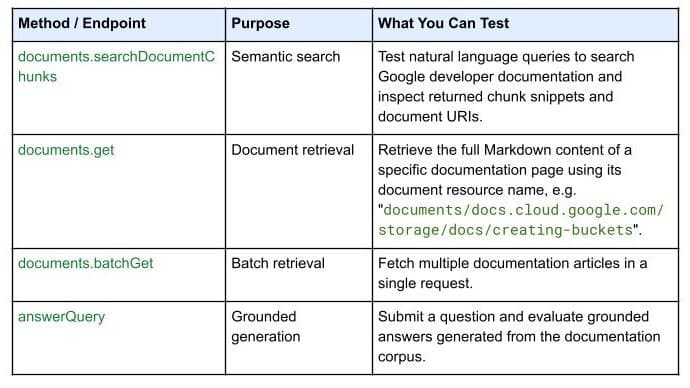
On October 7, 2026, Google Developers launched the Developer Knowledge API ecosystem: official Google Cloud, Firebase, and Android docs as a programmatic source of truth, with a gcloud CLI surface, an official Agent Skill (one-line install), an MCP server, and multi-language client libraries. Why 'docs as APIs' uproots vibe coding's classic failure of models misremembering APIs.
On October 8, 2026, Google Cloud launched the Gemini agent at Gemini at Work 2026: a universal agent for work that takes objectives, plans by itself, auto-selects between Gemini and Claude models per task, and introduces 'coworker agents' with their own email, calendar, and directory seat. Four judgments on why the second half of the agent race is about 'agents that feel like colleagues.'