GitHub Puts License Checks in the Merge Gate — and Gives Coding Agents Their Own API
GitHub's license compliance checks are GA for Enterprise Cloud — with ruleset merge gates and a new API so coding agents check package licenses before recommending them. Compliance moves from after-the-fact review to before-the-fact policy.
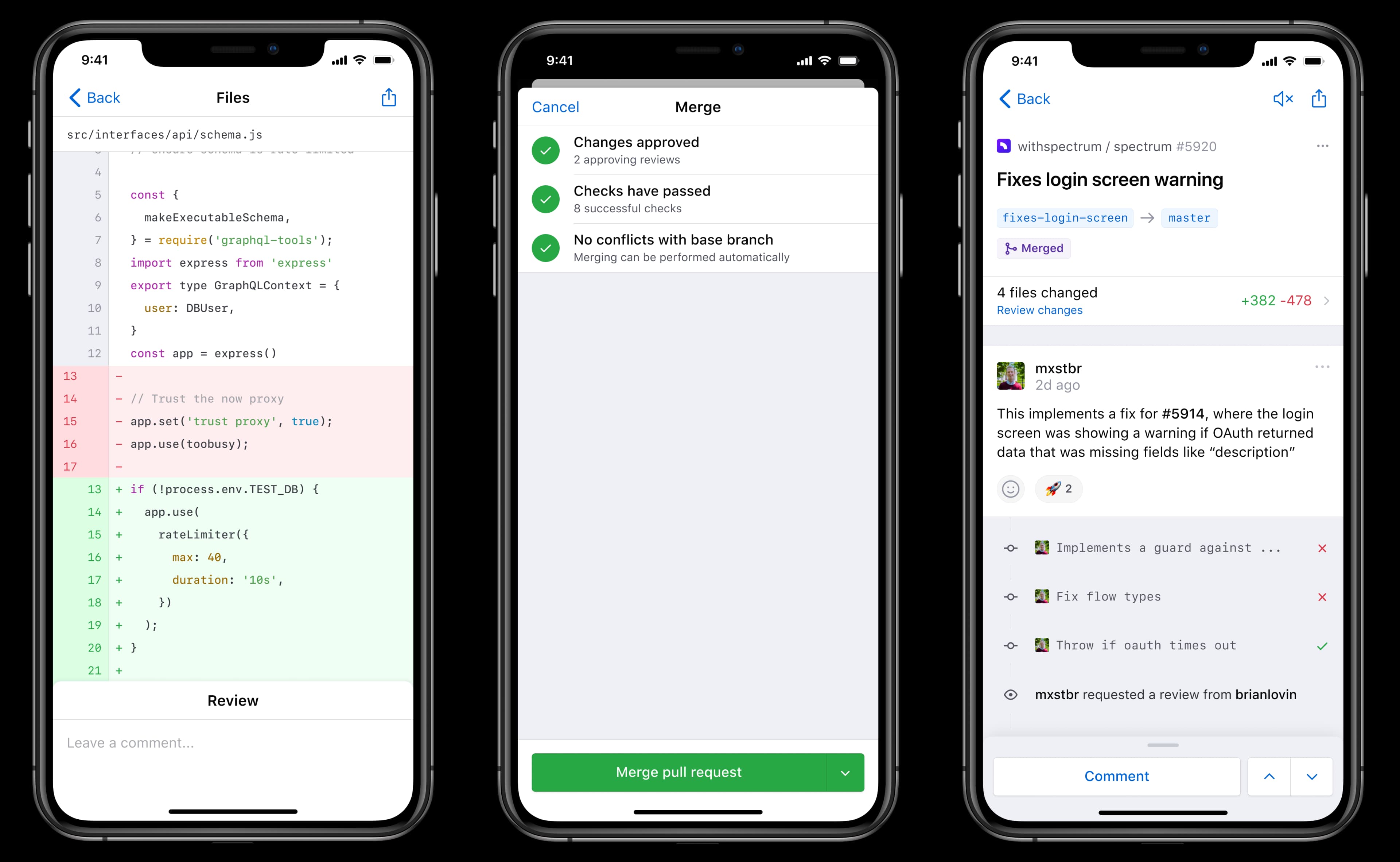
GitHub's October 16 changelog announced that open source license compliance is generally available. At first glance, it looks like another compliance gadget for corporate legal departments. But the last line of the changelog changes the flavor — GitHub added a new API endpoint specifically so that coding agents can check whether a package complies with an organization's license policy before recommending or incorporating it.
This is the first time GitHub has written "AI coding" into the design goals of compliance infrastructure. License compliance now has an agent-native form.
What the feature actually does
The mechanics first. It's for GitHub Enterprise Cloud customers (with GitHub Code Security enabled), centered on an enterprise-wide license policy: admins define which licenses are allowed and which are banned, then apply the policy to repositories via rulesets. Rulesets gain a new condition — Require license compliance results before merging — used much like the existing code-scanning conditions.
After that, every pull request that adds or modifies dependencies is checked automatically: each new or changed dependency must carry an acceptable license. Noncompliant dependencies are annotated on the PR one by one, and the author must pick one of three: remove or replace the dependency, amend the license policy, or create a package exception. Want to sneak past it? The merge is blocked.
The organizational design comes with it: a new predefined enterprise role, Enterprise Open-Source License Manager, owns exception approvals; policy managers get email notifications and review requests from the enterprise console. Since the June public preview, data-resident GHEC customers are covered too, license data flows back into the dependency graph and SBOM exports, and policy changes emit audit-log events.

Why now? Because AI multiplied license risk tenfold
License risk isn't new. An npm install can pull in MIT, Apache, GPL, and SSPL-licensed code in one go; GPL's copyleft and some cloud-vendor licenses' restrictions were historically kept at bay by legal review and engineer discipline. AI coding changed the scale of the risk:
First, the speed of dependency adoption changed. A person used to add two or three dependencies a day; an agent can install twenty in an afternoon. Every dependency is a license-risk exposure, and human review can't keep up with that velocity.
Second, the "awareness" of adoption changed. When a person adds a dependency, they at least glance at the README and license; when an agent adds one, it may simply "think this package solves the problem." In many vibe-coding scenarios, developers don't even know which transitive dependencies the agent pulled in — risk accumulates completely unfelt.
Third, the "author" of the code changed. Traditional compliance assumes the person who writes the code and the person who bears responsibility are the same; with agent-generated code, the responsibility chain is broken. "The AI did it" won't hold up in a license dispute.
GitHub's changelog makes the point explicit: the new API exists so coding agents can "avoid recommending or incorporating packages which violate an organization's license usage policy." Translation: GitHub acknowledges agents are now a primary entry point for dependencies, so compliance checks must move forward to the moment the agent decides — not wait for a human to catch it at PR time.
The exception mechanism: a human valve in the compliance machine
In any automated compliance system, the exception path is where design gets tested. GitHub's answer is complete: noncompliant dependencies go through a "create exception" flow, approved by the new Enterprise Open-Source License Manager role, with email notifications and handling in the enterprise console.
Two details are worth savoring. First, exceptions are "by application," not "self-service." Developers can't one-click their way past the gate; someone must approve. That keeps the compliance gate from becoming decoration — if everyone could self-exempt, the ETC gantry would be meaningless. Second, approval authority is concentrated in a dedicated role rather than scattered across repo admins. License judgment is specialized work (GPL classpath exceptions, LGPL dynamic-linking clauses — not every tech lead can tell them apart); concentrating it with people who know what they're doing improves quality and keeps responsibility traceable.
The flip side: the exception path easily becomes a rubber stamp. If an approver faces dozens of exception requests a day, "approve quickly" becomes the default and compliance degrades into "one extra click." GitHub's answer is the audit log — every policy change and exception approval is recorded and integrable with external systems. Exceptions aren't lawless territory; they're "documented special approvals." For enterprises, the real test isn't installing the feature — it's keeping exception review serious.
Smaller teams can borrow the "gate plus exceptions" structure even without the enterprise tier: write into CONTRIBUTING that GPL-family dependencies need written tech-lead approval; run license scanning in CI; block noncompliant PRs and route exceptions through issue approvals. The tool is GitHub's; the methodology is universal.
From "human review" to "policy as code": a paradigm shift
What's truly worth recording about this GA isn't any single feature — it's a paradigm shift. For a decade, the answer to open-source compliance was "process plus people": dependency review, legal sign-off, periodic audits. The new answer is "policy as code": policies written as rules, rules wired into merge gates, machines enforcing automatically, humans handling only exceptions.
The shift is the other side of the AI-coding coin: AI made code production machine-speed, so compliance must become machine-speed too. Governing machine-produced code with human processes is like running highway traffic through manual toll booths — congestion is guaranteed. GitHub's approach builds the booths as ETC: the ruleset is the gantry, the policy is the rate table, exception approval is the staffed lane.
Expect every agent tool to natively integrate this API next: Cursor, Copilot, Codex checking policy before introducing a dependency, swapping in alternatives for noncompliant packages automatically. It'll be standard coding-agent kit in 2027, as taken for granted as autocomplete is today.
Four suggestions for indie developers and small teams
The feature is enterprise-only today, but risk doesn't distinguish enterprise from indie. Actionable advice:
First, know what your common licenses mean. MIT/Apache-2.0 are the most permissive; the GPL family is copyleft — handle with extreme care in closed-source products; "source-available" licenses like SSPL and the Elastic License aren't OSI-approved open source at all and carry heavy commercial restrictions. Set your project's license red lines before letting agents add dependencies.
Second, turn on the free dependency checks for your repos. Public repos can use GitHub's built-in dependency review action — every PR automatically lists new dependencies' licenses. It's the cheapest "ETC gantry" available, installable today.
Third, write license constraints into your agent's instructions. Add a line to CLAUDE.md or project instructions: "when introducing third-party dependencies, prefer MIT/Apache-2.0 licensed packages; avoid the GPL family." Move compliance to the moment the agent decides — that's the core idea behind this GA, and you can implement it manually right now.
Fourth, run a periodic license inventory. How many dependencies have agents already added to your project? Spend half an hour with a tool like license-checker and see if there are surprises. Many vibe-coded projects' package.json files contain packages their authors have never heard of.
AI turned writing code into "talking," but licenses were never a "just talking" matter. When machines start making dependency decisions for you, compliance must move from "after-the-fact review" to "before-the-fact policy." This GA just turned that sentence into a product — and smart developers should move before the product does. After all, "the AI told me to install it" won't help much when legal comes knocking.
Comments (0)
Sources
Related articles
Claude Code 2.1.299+ auto-compacts 200K+ token conversations left idle ~54 minutes — right before the 1-hour prompt cache expires. A cost-engineering move, but lossy: here's what it discards and when to turn it off.
A comment system is the module that looks simplest and fails most often. This guide walks through path-enumeration tree storage, two-level pagination, the six-stage write path, @mention events, four layers of anti-spam defense, soft deletes, and a launch SOP — everything a solo team needs to ship comments that survive real users.
Anthropic quietly pitched Congress a draft AI safety bill: the government could block a model only above $1B in damages or 50 deaths. The safety-branded lab wrote the narrowest federal framework yet — here's the strategy behind it.