Google Play Welcomes “Vibe-Coded Personal Apps”: No Developer Account Needed, Install Just for Yourself
Google Play's October update: Android apps vibe-coded in AI Studio can ship straight to your Personal Library — no $25 developer account, no review, no public catalog. A distribution milestone for vibe coding: personal software gets a first-class home.
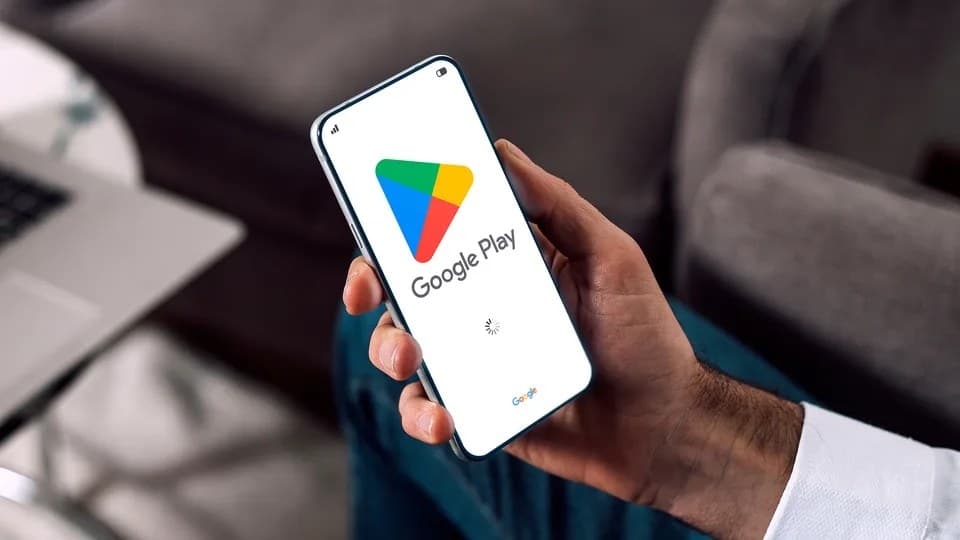
On October 13, Sam Bright, Google's VP and GM for Google Play and Developer Ecosystem, announced the "Google Play October 2026 updates" on the official Google blog. The headline for the vibe-coding world: Android apps vibe-coded in natural language with Google AI Studio can now be "sent" straight to Google Play and installed on your own phone — no APK packaging, no developer console, no paid developer account. A standard Google account is all it takes. These apps live in a new "Personal Library" space, visible only to their creator by default: no search, no listing, no entry into the public catalog that serves some 3 billion users. The rollout begins in select markets including the U.S., for users 18 and over.
The weight of that sentence only lands with five months of context. AI Studio's Android app generation capability went live back on May 19, 2026 — but for five months, getting a vibe-coded creation into your own pocket meant a USB cable and manual ADB installs. For people who "talk" software into existence, that last mile was absurdly long. The October 13 update paves it. As TechCrunch noted in same-day coverage: previously, running your own native app on your own Android device meant publishing it to Google Play for 3 billion people to see — so many people confined their vibe-coding to web apps that run anywhere but never become truly native. Personal Library deletes that dilemma.
The key facts, in three sentences
- What: Apps vibe-coded in AI Studio can be installed directly onto your own device via Google Play. They stay in the "Personal Library" private space — out of the public catalog, search results, and charts.
- What it takes: Only a standard Google account; no developer account needed. Initially available in the U.S. and select markets, for users 18+. Apps must still comply with existing Google Play policies (per TechCrunch).
- What next: Sharing with a close circle of friends and family arrives in the coming months. If an app takes off, it can "graduate" to a professional developer account — at which point it goes through the same Trust & Safety reviews and quality standards as every professional developer.
 Traditional public listing vs Personal Library private distribution. The old path requires packaging, a developer account ($25 one-time), and full review; the new path skips packaging and accounts, landing straight in your own private library. Diagram drawn from the official Google blog.
Take one: a distribution milestone for vibe coding
For the past year, every vibe-coding narrative has lived on the production side: models writing better code, agents running longer workflows. But where does the output go? Mostly three places: a preview tab, a GitHub repo, or a chat log. Distribution — the step where software actually reaches someone's hands — has been vibe coding's thinnest link.
Personal Library matters because, for the first time, a platform has formally recognized a new species: personal software. Its needs are real (a scorekeeper for your kid's team, a recipe manager for the family, a commute timer for yourself), but its "market" may be one to five people. Under the old rules, such software either didn't deserve a native form or had to dress up in the full regalia of public release. Google just said: personal software deserves a first-class home, even if its only user is you.
The messaging shift is telling, too. The blog's headline line: "From 'there's an app for that' to 'there's an app for me.'" That's not just marketing — it signals Google Play morphing from a "software supermarket" into "software infrastructure." Supermarkets sell standardized goods; infrastructure serves usage at every scale, including a scale of one.
Take two: the three-tier trust model is more interesting than "no review"
The easiest way to misread this story is "private apps skip review." Ars Technica confirmed that Personal Library apps bypass Google's review pipeline — but quoting that alone is alarmist. The right way to read it is the full trust ladder:
- Tier 0 (just you): No review. You carry the risk; the app runs on your device; the blast radius is one.
- Tier 1 (friends & family, coming in months): Security screening. The blast radius grows to a trust network, and Google steps in.
- Tier 2 (public listing): Full Trust & Safety review and quality standards, plus the one-time $25 developer registration — business as usual.
The elegance: review intensity scales with blast radius. The old problem was that tier-0 needs were forced through tier-2 plumbing — airplane-grade security screening for a bicycle. Now each tier gets its due. TechCrunch adds a crucial detail: even private apps "must still comply with Google Play's existing policies" — no review doesn't mean no rules; the red lines (malware, fraud) remain, enforced after the fact rather than before it.
The real question sits at tier 1: once close-circle sharing launches, how deep does that "security review" go? A vibe-coded app nobody has read the source of, shared with a dozen relatives — what level of assurance can Google give in minutes? Static scans catch malware, not logic that quietly exfiltrates your contacts to the author's server — which, for family sharing, is the more realistic threat. That tier's trust boundary is the variable to watch over the coming months.
For comparison: Apple's wall still stands
One more frame of reference: Apple. On iOS, installing your own app on your own phone still means a developer account ($99/year) plus the TestFlight or Ad Hoc distribution dance — for "I just want a little tool for myself," that process's weight matches Google Play's old one. Google just fought an asymmetric war on distribution: while iOS vibe coders still wrestle with annual fees and expiring certificates, Android is at "say the words and it's installed." Short term, that's a direct pull for indie developers toward Android; long term, if personal software truly becomes a category, whether and how Apple follows — and with what trust model — will be one of 2027's platform battles to watch. One thing is certain: once one player zeroes out the distribution cost, it's very hard to raise it again.
What indie developers should do about it
For VibeFix readers, this isn't armchair industry news — it changes workflows:
- Build private tools first; decide about going public later. The old order was backwards: you had to decide "this deserves a public release" before earning a native form. Now you can build ten rough-but-useful private tools, run them for three months, and graduate only the one that earns daily use. That's a "validate first, publish later" product methodology — with the infrastructure now laid.
- Native capabilities are friendly to vibe coders for the first time. Web apps can't reach push notifications, home-screen widgets, background location, or NFC. Personal Library lets vibe coders legitimately call native Android APIs without first becoming "developers."
- Family and small-org scenarios just opened up. TechCrunch's example is vivid: a scoring app for your kid's T-ball league. That used to mean group chats plus spreadsheets; now it can be a real app — 15 parents as users, no listing, no review, distributed to them once friend-sharing lands.
Context: a five-month "last mile"
The timeline, straightened: May 19, 2026 — AI Studio gains Android app generation; vibe coders can "talk" an app into existence for the first time. But after generation? A pile of code that needed a configured environment, a USB cable, and ADB to reach a phone. An app vibe-coded in three minutes in a chat box, then an evening of deployment wrestling — that dissonance was a recurring community complaint for five months.
The October 13 update closes the loop from "say it" to "install it." And Google isn't stopping at personal use — the roadmap is drawn: friend-circle sharing (within months) → graduation to a professional developer account (full review). That's a complete "personal software growth ladder": from 1 user to 10 to 3 billion, each rung with matching trust machinery. Considerably more thought-through than mere "no review."
Open questions
First, when do the geography and age gates lift? Launch is limited to the U.S. and select markets, 18+. Given how many active vibe coders are students or outside the U.S., how fast those gates open determines this story's real reach.
Second, how do private apps update? Auto-update or manual re-send when the private app iterates? If you change one sentence in AI Studio, how fast does the phone copy sync? The official blog doesn't say — yet that's exactly what decides whether the "private tool" workflow feels smooth.
Finally, the fundamental one: when people who don't write code mass-produce apps nobody reviews, where does the platform's safety responsibility end? Google's answer is tiered trust — blast radius decides review intensity. Logically coherent; but tier 1 (friend sharing) in practice still awaits its test in the coming months. VibeFix will keep following it.
One-line summary: the Google Play October update invented no new model and no new benchmark — it did something more foundational: it zeroed out the distribution cost of personal software. From today, your next side project is allowed to exist just for you. That sounds small — but software that exists "just for you" has historically been where many great products begin.
Primary source: Google Play official blog, "Google Play updates October 2026" (2026-10-13, by Sam Bright); cross-checked with TechCrunch (2026-10-13). Opinion sections are the author's judgment, separated from facts.
Comments (0)
Sources
Related articles
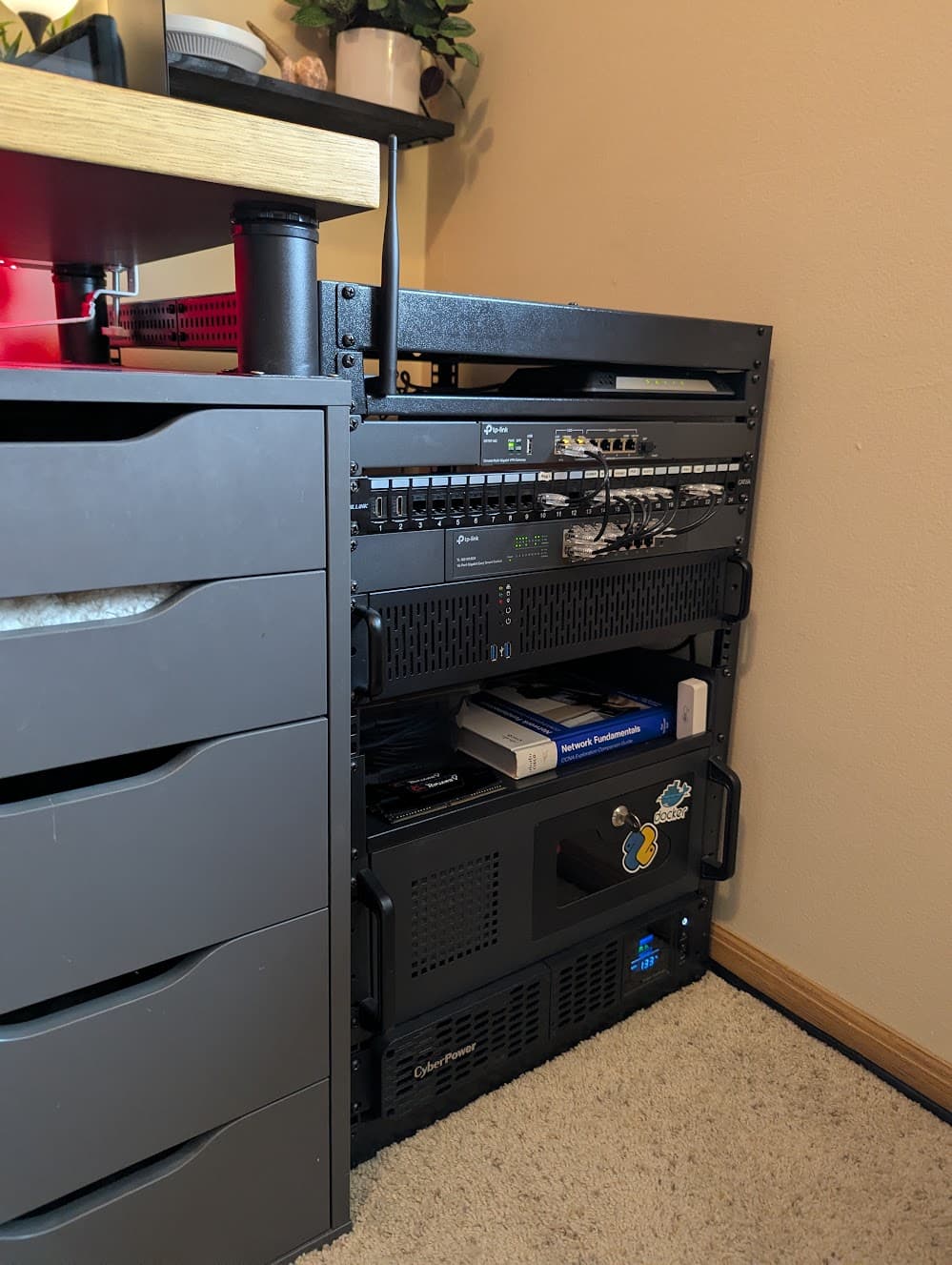
Monthly bill over $50, a need for persistent processes, data you want to own — when these signals appear, it is time to move your vibe project from Vercel to your own VPS. A 7-step SOP for solo teams, 6 pitfalls to dodge, a real cost-crossover breakdown, and a 30-minute rollback plan.
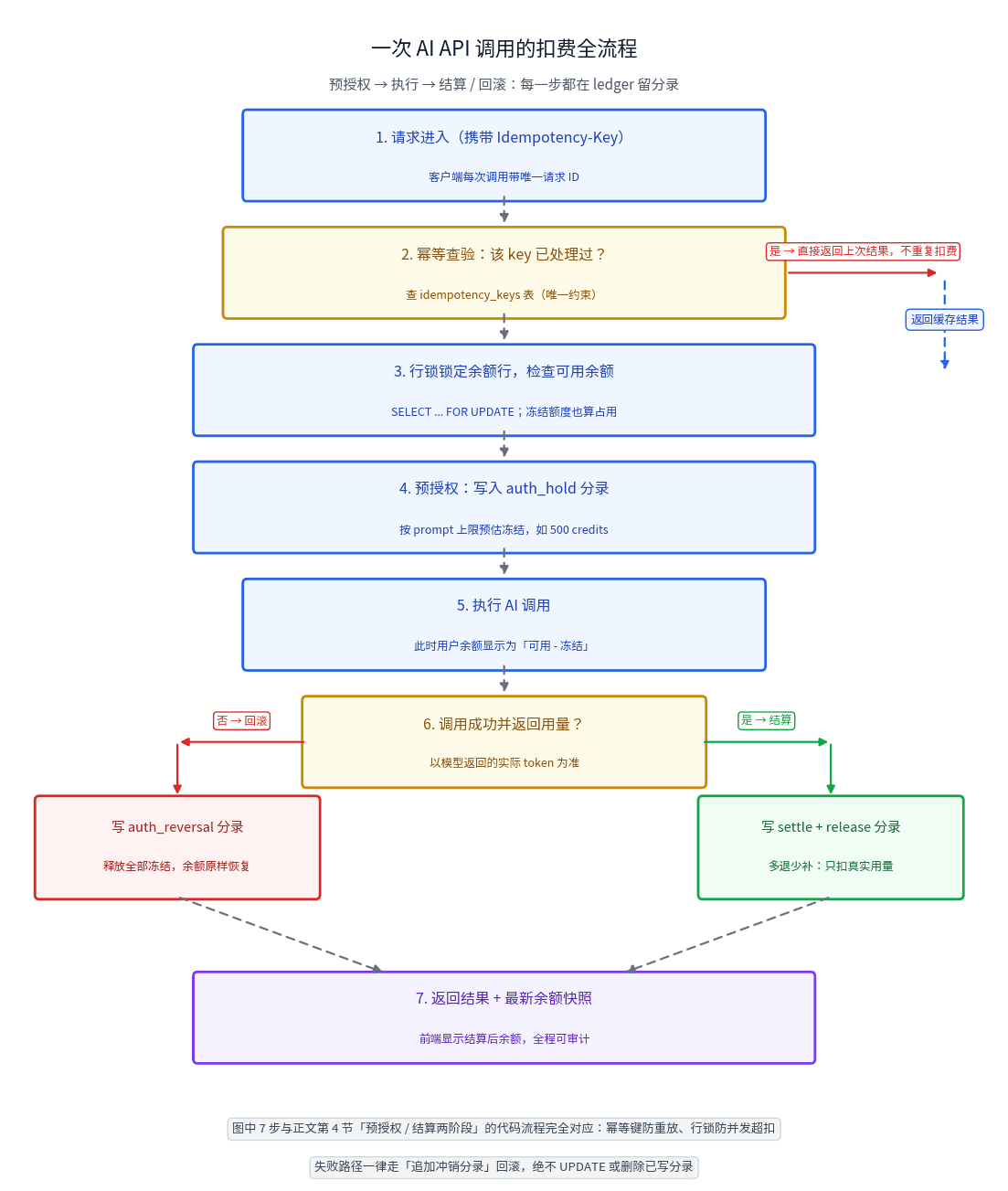
Your users' credits are not a balance column — they're a journal. This guide builds a double-entry credits ledger for AI SaaS: immutable journal schema you can copy, idempotent deduction with row locks, two-phase pre-auth/settle for unpredictable token usage, refund and expiry write-backs, a three-way daily reconciliation, negative-balance circuit breakers, and an anti-abuse checklist.
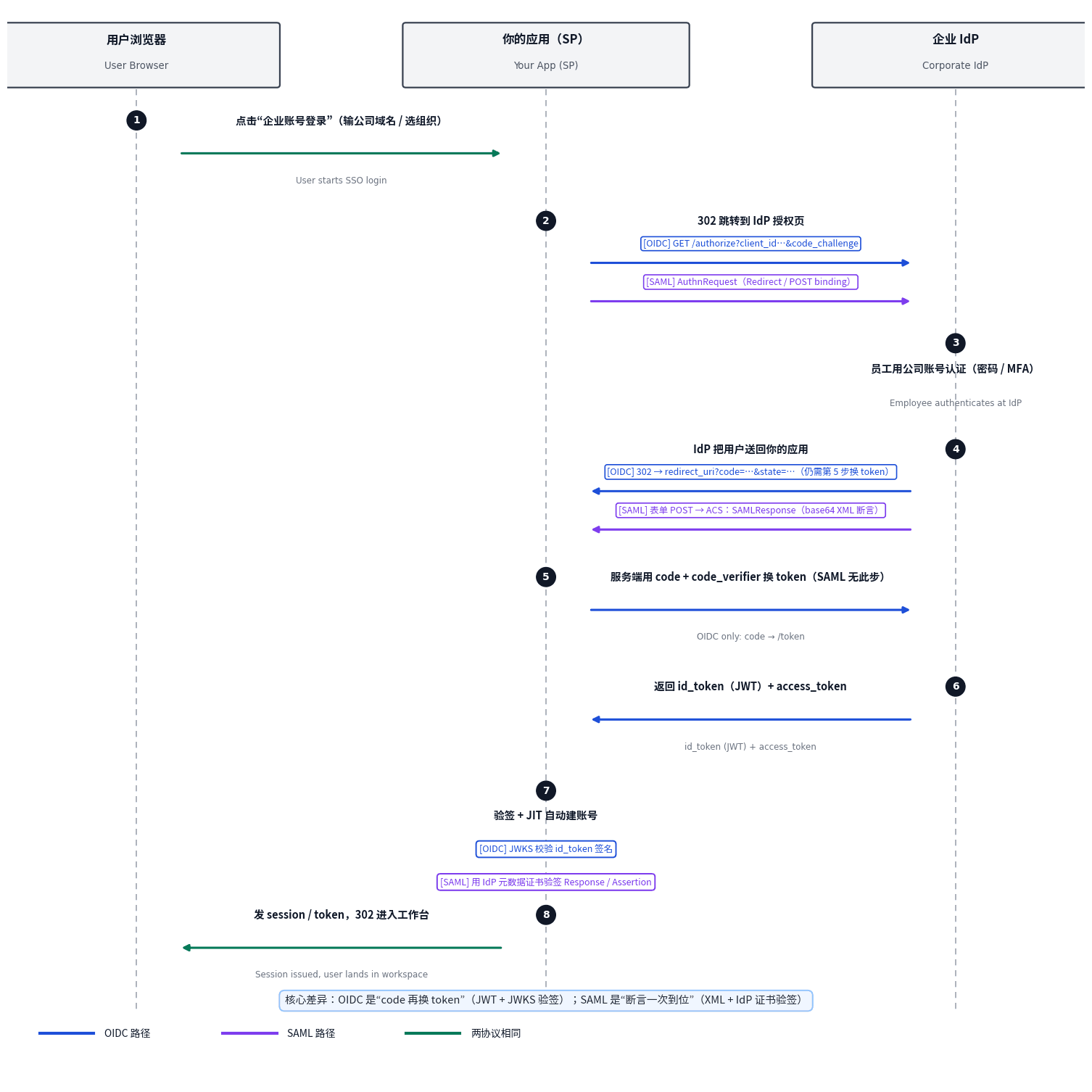
Five must-answer items from the enterprise security questionnaire; OIDC vs SAML decision table with a SAML trigger formula; a copy-pasteable Prisma schema for the org-team-member model; SP-initiated login, JIT provisioning, domain claim, instant revocation; SCIM trade-offs, a 12-item go-live checklist with questionnaire answers; SSO pricing strategy.