The New Yorker: Liangzhu, Hangzhou Is China's Vibe-Coding Capital
The New Yorker's September 23 feature: Liangzhu, on the outskirts of Hangzhou, has become China's "vibe-coding capital." AI fortune-telling app FateTell counts hundreds of thousands of users; ex-big-tech workers move here to build software with AI and escape 996. The AI divination market is projected past 120 billion yuan in 2025.
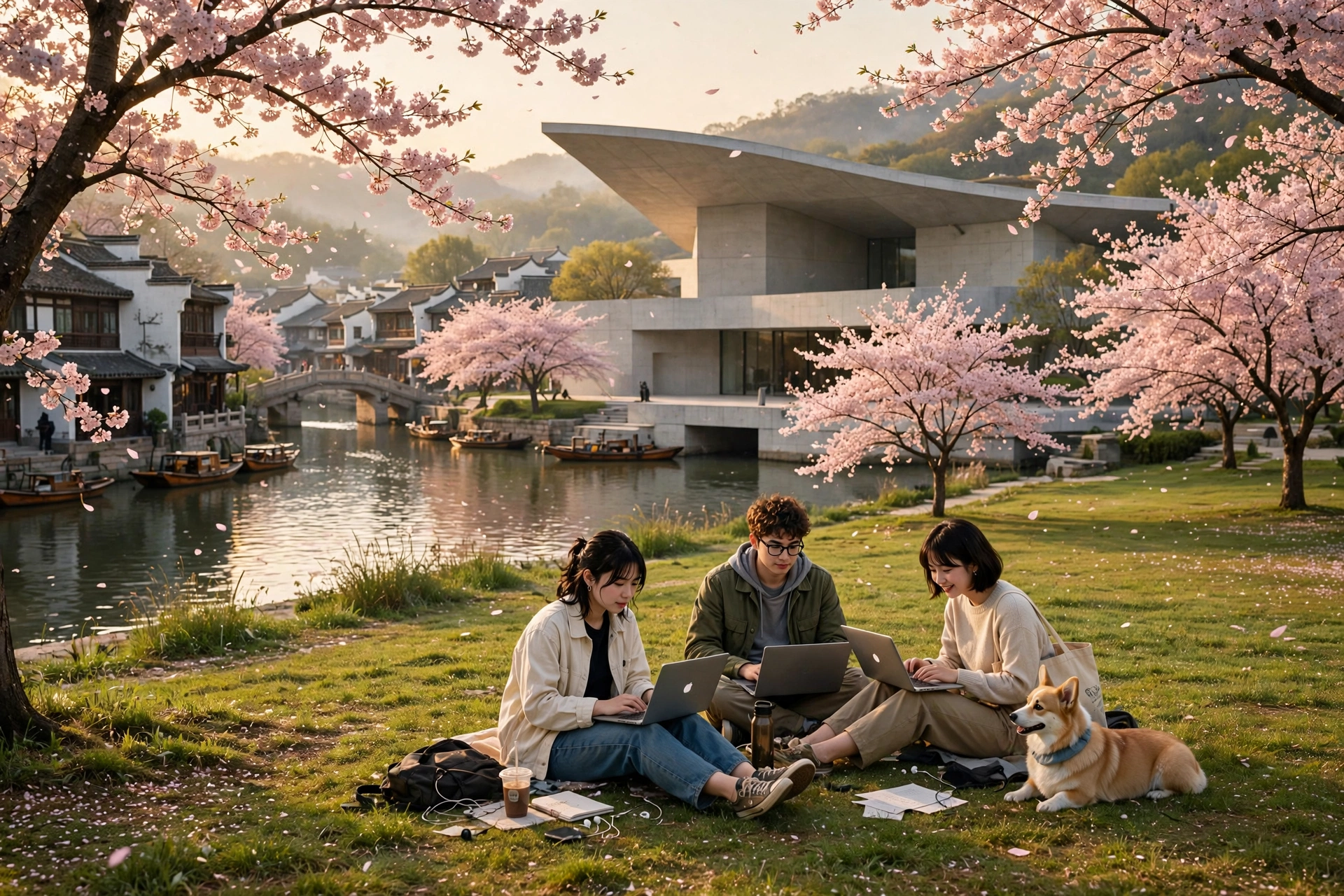
The New Yorker points its camera at Liangzhu, Hangzhou
On September 23, The New Yorker published reporter Afra Wang's feature, "What China's Vibe-Coding Capital Can Tell Us About the A.I. Boom." The setting isn't Beijing or Shenzhen — it's Liangzhu, a small town on the outskirts of Hangzhou, where young people build software by talking to AI and have walked away from "996" work culture.
Liangzhu means "beautiful water town." Residents call themselves "villagers." Near a cultural center designed by Tadao Ando (nicknamed "the Big Roof"), you can overhear young developers discussing Qwen and OpenAI's Codex, a dog napping at someone's feet, an oat-milk latte in hand.
FateTell: BaZi fortune-telling meets the LLM
One of the story's protagonists is FateTell, an AI fortune-telling app. Founder Levy graduated from HKUST and previously worked at ByteDance. He feeds users' BaZi birth charts into a large language model and serves up guidance drawn from "thousands of years of Eastern wisdom." The app has hundreds of thousands of users, loyal subscribers pay annually, and the team is eight people — every hire gets their birth chart compatibility checked before joining.
It's no isolated case. The piece cites industry data projecting China's AI fortune-telling market past 120 billion yuan in 2025, growing nearly 44% a year. After DeepSeek R1 launched, R1-powered divination services swept the Chinese internet.
Here, a two-bedroom rents for three to four thousand
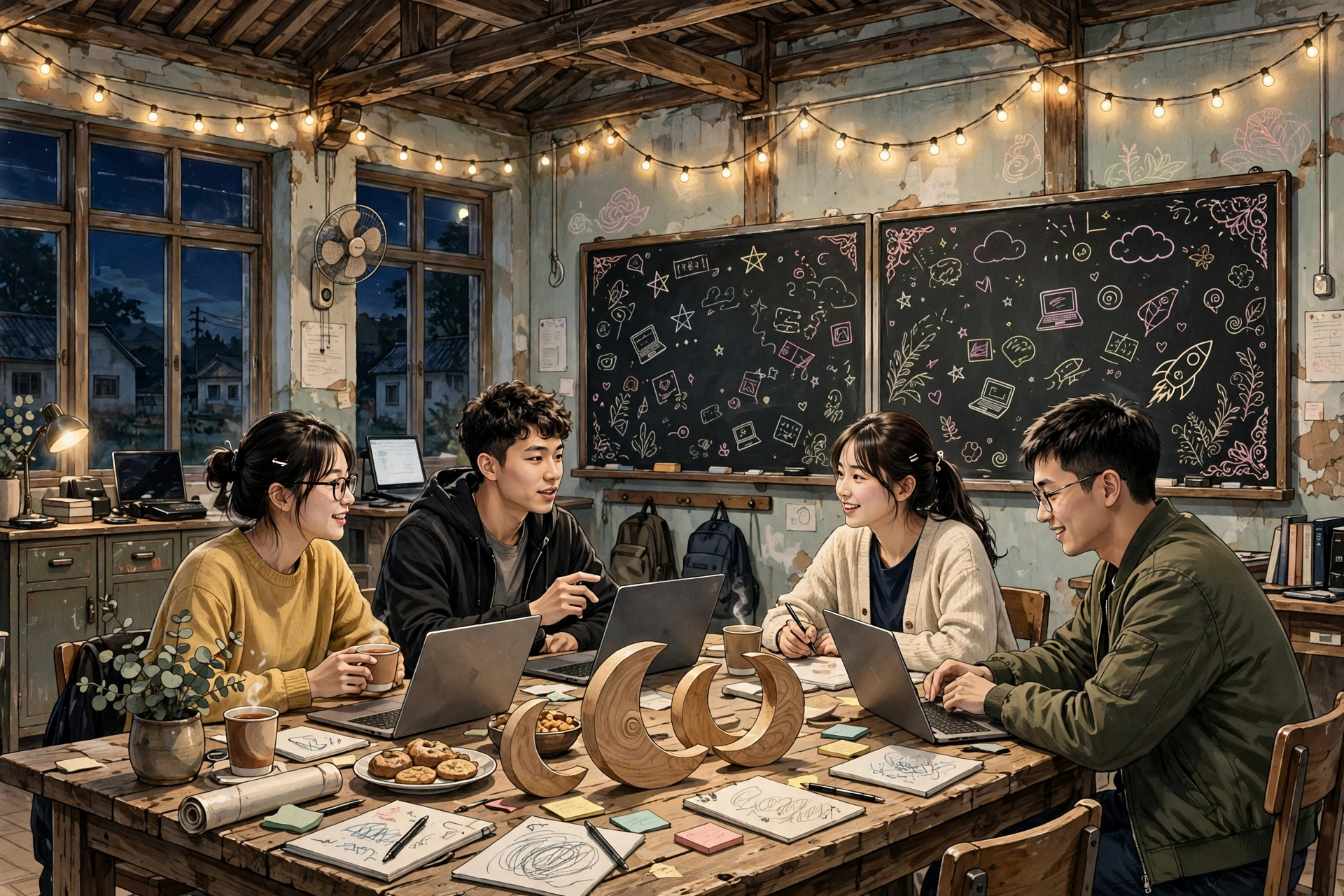
Liangzhu's appeal is practical: escape the big-tech grind and the rent. A former product manager known as "Master Qi" (who says he has ADHD and dyslexia) moved to Liangzhu and turned his spare bedroom into a gathering spot for programmers and investors — hundreds showed up, and he eventually had to cap attendance and charge at the door. Another tech figure, Tualatrix, hosts the "Crazy Thursday" meetups that have become their own local landmark.
In March 2025, Tim Cook made a surprise appearance in Liangzhu, signing fans' MacBooks. The local media headline: "Is Tim Cook here for our living room?"
From FocusFlight (a white-noise timer simulating the flight experience) to YouMind (an AI workflow tool calling itself a "second brain"), the software coming out of Liangzhu skews whimsical and handmade — nothing like the super-apps the giants favor. As the New Yorker piece puts it, one person with an idea can now build what once took an entire engineering team — and Liangzhu is China's most vivid specimen of that shift.
Sources
Related articles
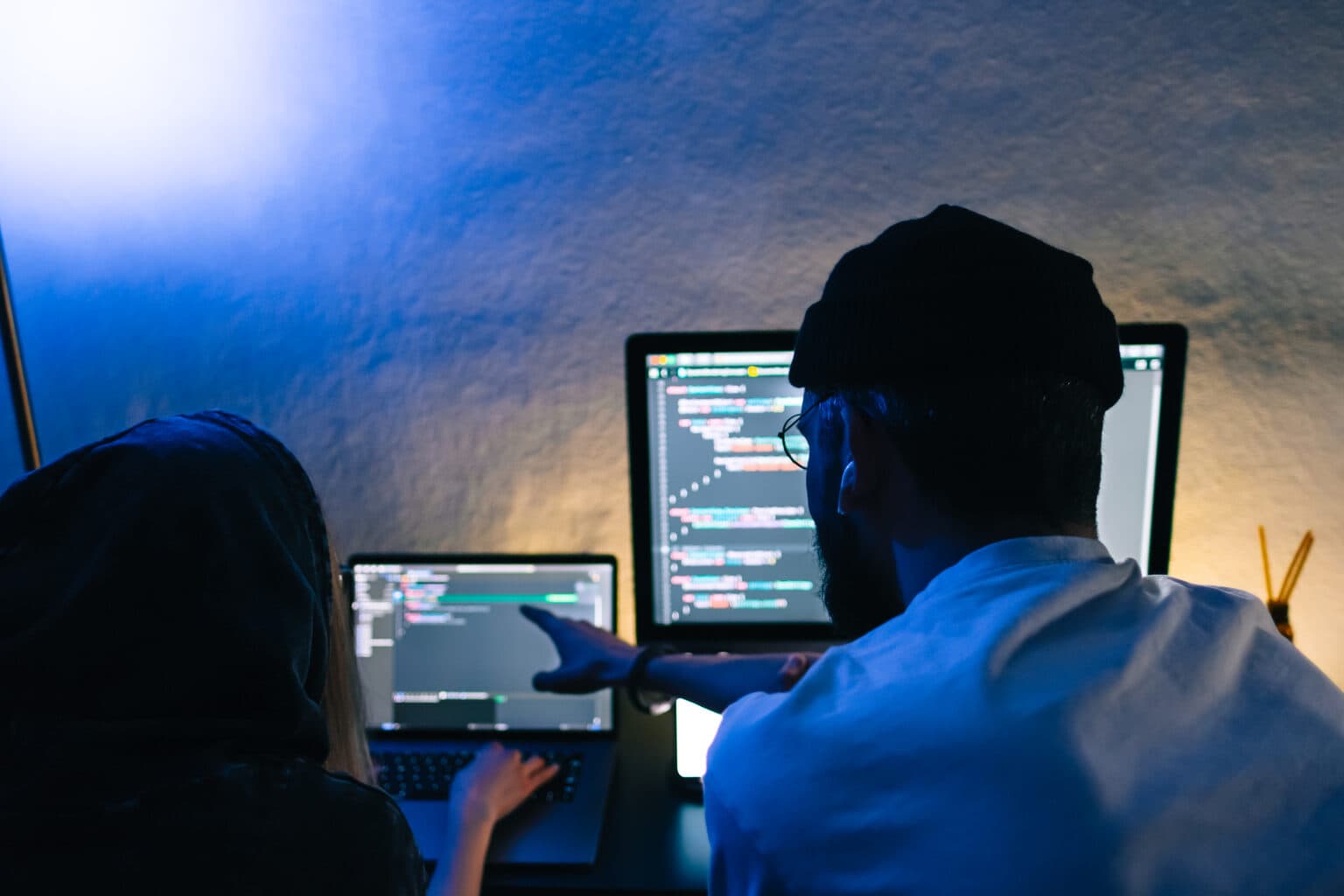
Cloudflare's Birthday Week blog makes the case plainly: GitHub was designed for humans writing code; the agent era needs the collaboration layer reinvented. Artifacts enters open beta with a repo for every agent, plus a developer competition — $25,000 in credits for first place, deadline October 14. This is the first time a major infra vendor has put 'infrastructure for agents writing code' on the table as a public proposition.
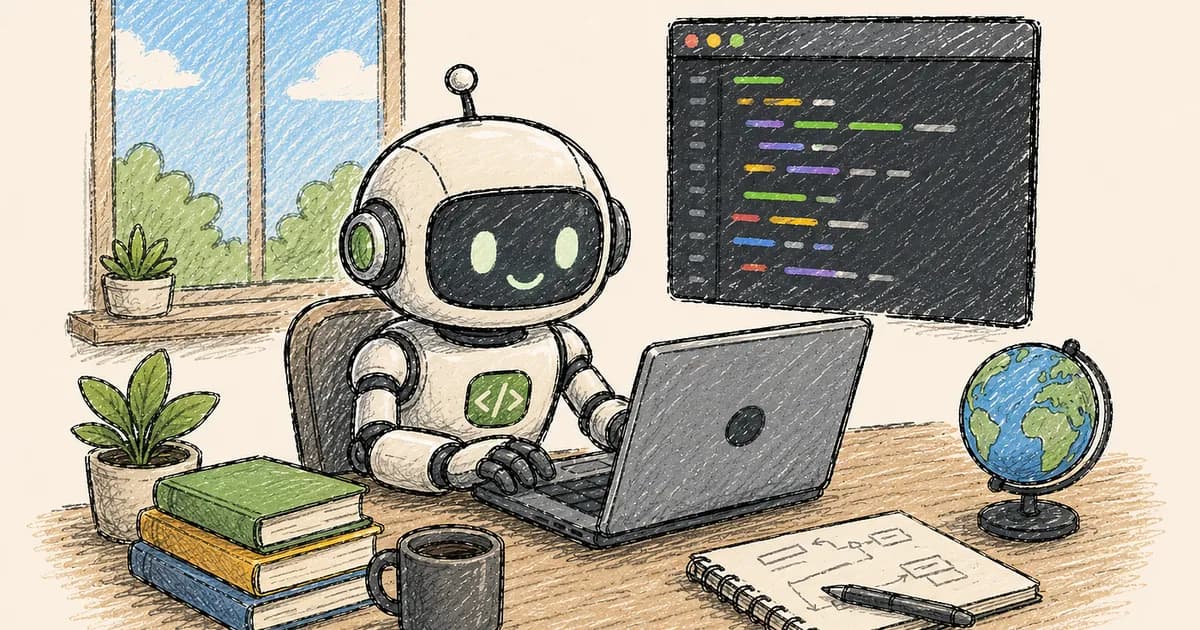
Anthropic released Claude Haiku 5.5 on October 7, calling it its "cheapest, fastest, and most capable small model." But the real story isn't the discount — it's a "100K-token price cliff": prompts under 100K tokens get roughly 90% off, while longer ones get only about 50%. Anthropic is using pricing to teach you to break big tasks apart — the small-model battlefield is shifting from "chatting with you" to "being orchestrated by bigger models."
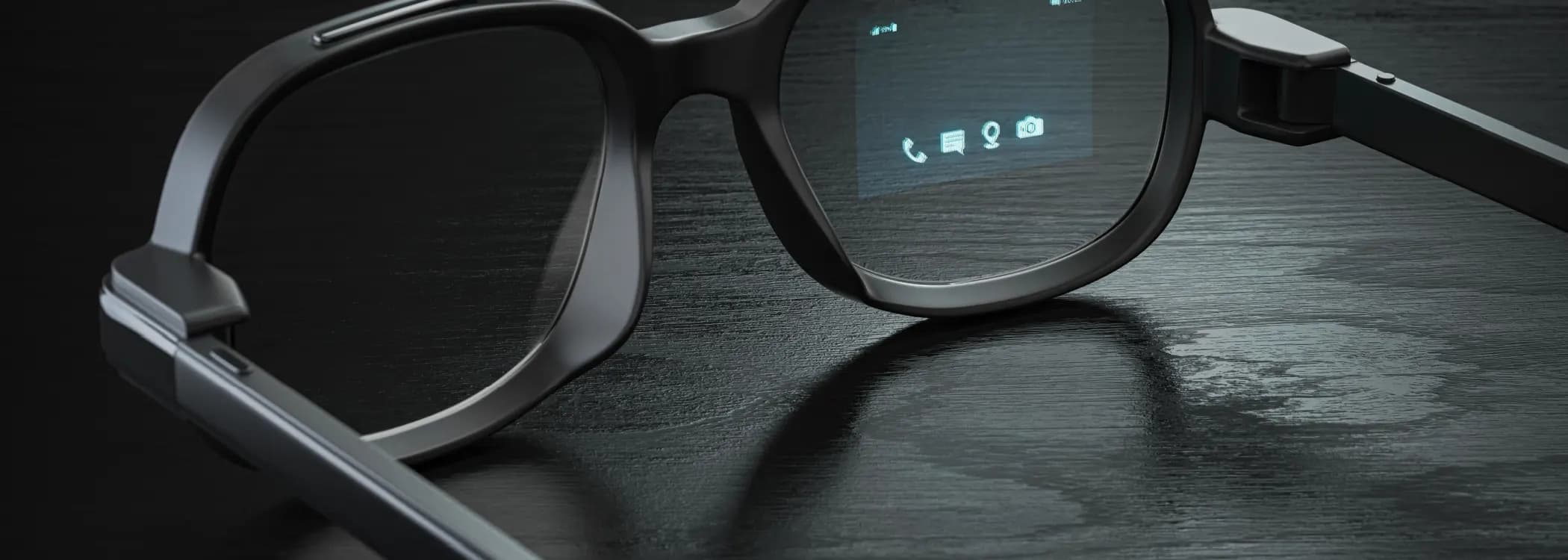
Sesame's October 6 update: the new voice assistant rolls out fully on iOS and Android with a brand-new voice model. Each voice agent gets its own computer — schedule Devin, Claude Code, or Codex with your voice while out for a walk. Smart glasses land in 2027; the voice OS ambition is on the table.