Muse Grows Hands: Meta Open-Sources ESP32 Firmware So Vibe Coders Can Build Bodies for AI Agents
On October 2, Meta Superintelligence Labs product head Nat Friedman announced Muse Gadgets: open-source ESP32 firmware plus a Linux SDK for building your own Muse hardware. Grab an API token from gadgets.muse.ai, point your favorite coding agent at the GitHub repo — the rest is solder and imagination.
What happened: a "side project alert"
On October 2, former GitHub CEO and current Meta Superintelligence Labs product head Nat Friedman posted an X thread tagged "side project alert" announcing Muse Gadgets: open-source ESP32 firmware plus a Linux SDK so anyone can build their own hardware that runs Meta's personal AI assistant, Muse.
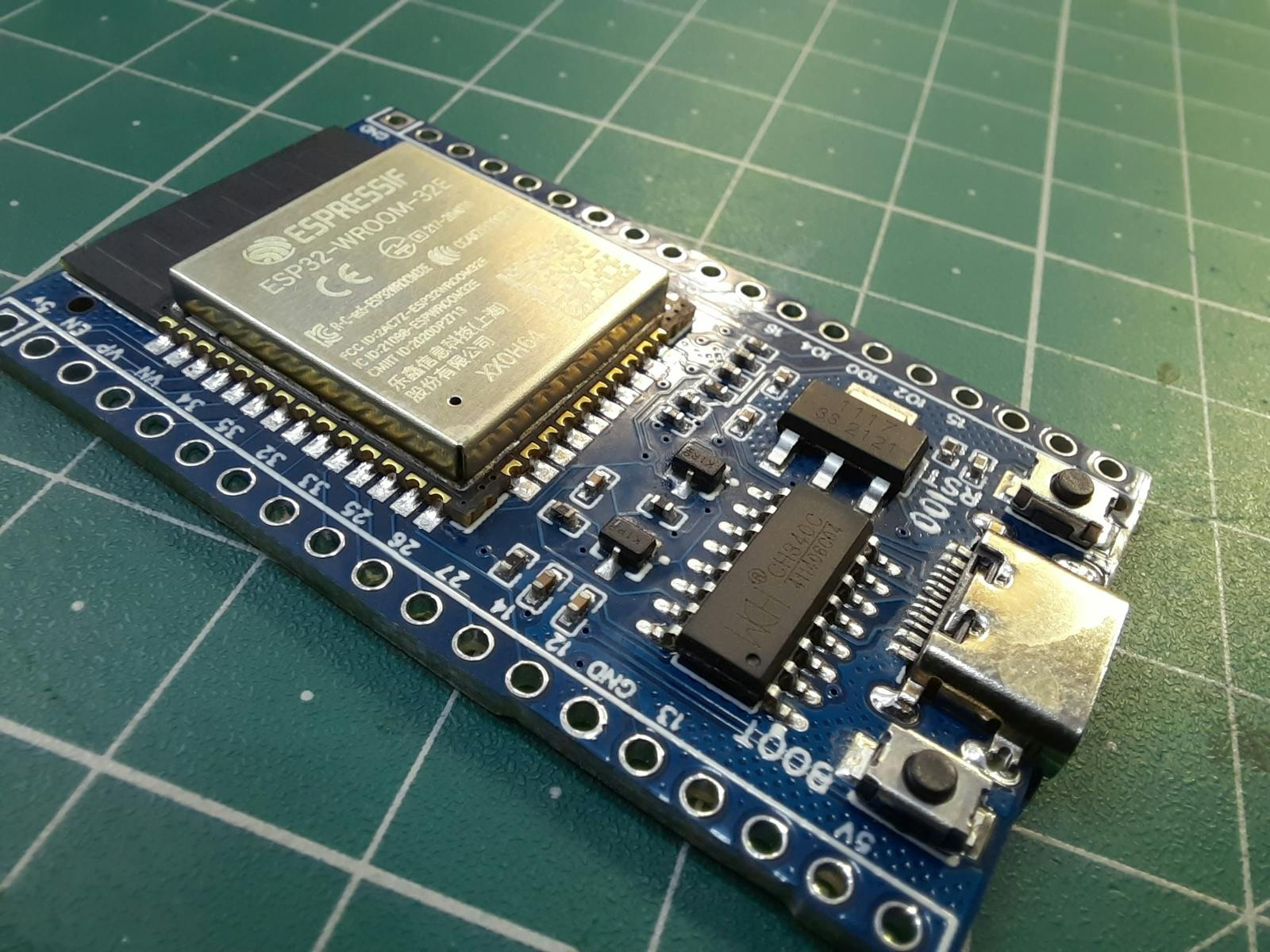
The pitch is simple: grab an API token from gadgets.muse.ai, point your favorite coding agent at the project's GitHub repo, and start building. Suggested forms include a color E Ink always-on reminder display, an HDMI stick for your TV, or a small touchscreen that looks like a DIY Muse Charm — an ESP32 board or a Raspberry Pi, plus screens, buttons, sensors and actuators, and Muse moves out of your phone and computer into the gadgets on your workbench.
Meta built its own demo too: Muse Home Link, a USB-C-powered device that puts Muse on your home network to talk to TVs, speakers, and anything else exposing a local web interface. Friedman said Meta manufactured 5,000 units, shipping within weeks, free for Muse subscribers while supplies last, with all code open source.
People are already tinkering: MacStories' Federico Viticci turned an Xteink eReader into an always-on Muse pocket display that attaches to his phone with MagSafe. He said pairing through the Muse app was smooth, with Muse able to load and automate content on the display.
Why it matters: agents are growing bodies
Some context first. Muse is Meta's personal AI agent, launched in the US on September 8 with a dedicated cloud computer and browser that acts across apps for you; it briefly topped the US App Store, outpacing ChatGPT's early trajectory. In late September it made headlines for learning "a bit too much" from OpenClaw — Friedman personally admitted Muse was productized from the open-source OpenClaw project, rewritten "so billions of people can use it safely."
Gadgets is the natural extension of that product line, but its significance goes beyond "Meta shipped hardware." For the past year, the AI agent race has lived entirely on screens: whose browser use is slicker, whose computer use is steadier. Gadgets moves the battlefield into the physical world for the first time — an agent with a display, buttons and sensors has "presence." An agent that can see your desk and an agent that lives on your desk are two completely different product relationships.
For vibe coders, the most interesting part is Friedman's line: "point your favorite coding agent at the github repo." That's as close to an official blessing of vibe hardware as it gets: no PCB design skills, no embedded expertise needed — let Claude Code or Codex read the open-source repo, patch firmware and tune drivers for you. The hardware barrier gets eaten by the agent. Software vibe coding compressed "idea to app" into a week; Gadgets wants to compress "idea to gadget" into a week too.
Cool down: what's open source is the code, not the chokepoint
Two splashes of cold water. First, as RuntimeWire noted sharply: an open-source license doesn't guarantee lasting access. The chokepoint is the API token — Meta issues it and can revoke it. Free, open and hackable today doesn't mean free tomorrow, or unchanged policy next year. Betting a core product on a giant's "side project" has a poor historical track record.
Second: 5,000 Home Links, US only, free for subscribers — this is clearly developer-relations marketing, not a hardware launch. What Meta really wants is a developer ecosystem: let tinkerers worldwide discover what "agent hardware" should look like, with the community bearing all the experimentation cost. Friedman played this game well in the GitHub era.
A vibe coder's verdict: worth following, not worth going all-in
My take in three lines:
First, the direction is right. Agents plus cheap hardware (an ESP32 costs a few dollars) is one of the most certain combos of the next two to three years. Displays, voice and sensors are the three-piece kit for agents reaching the physical world; whoever makes the developer experience smooth first gets a ticket to the next "App Store moment."
Second, the posture is "play," not "bet." Spend a weekend pointing a coding agent at the repo to build an E Ink weather clock — everything you learn (how agents call hardware SDKs, how token auth works, what happens offline) transfers. But don't anchor your flagship product's architecture on gadgets.muse.ai's token policy.
Third, watch the Discord. Meta opened a dedicated Discord for the project — by past experience, the first three months of such official communities have the highest discussion quality, with every weird use case and pitfall surfacing there first. To track this direction, lurking in the community beats reading press releases ten to one.
AI spent two years learning to use a browser. Now it's learning to hold a screwdriver. The vibe coder's next playground may not be on a screen.
Sources
Related articles

Cloudflare's Birthday Week blog makes the case plainly: GitHub was designed for humans writing code; the agent era needs the collaboration layer reinvented. Artifacts enters open beta with a repo for every agent, plus a developer competition — $25,000 in credits for first place, deadline October 14. This is the first time a major infra vendor has put 'infrastructure for agents writing code' on the table as a public proposition.
Anthropic released Claude Haiku 5.5 on October 7, calling it its "cheapest, fastest, and most capable small model." But the real story isn't the discount — it's a "100K-token price cliff": prompts under 100K tokens get roughly 90% off, while longer ones get only about 50%. Anthropic is using pricing to teach you to break big tasks apart — the small-model battlefield is shifting from "chatting with you" to "being orchestrated by bigger models."
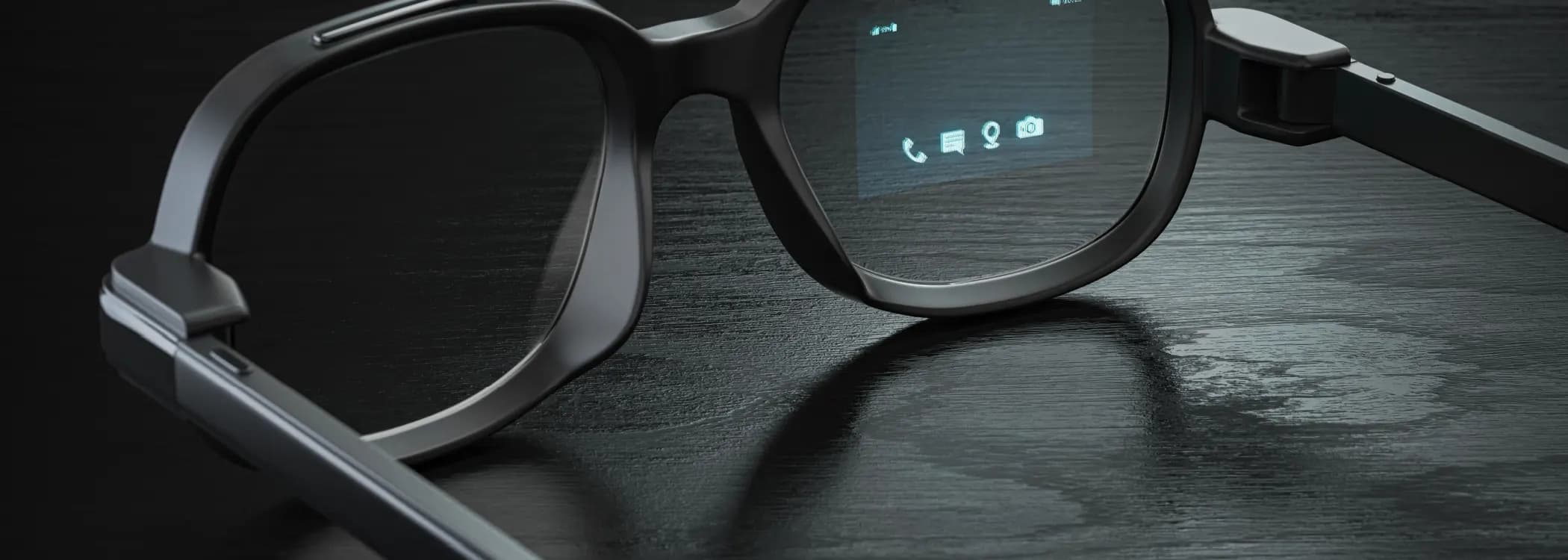
Sesame's October 6 update: the new voice assistant rolls out fully on iOS and Android with a brand-new voice model. Each voice agent gets its own computer — schedule Devin, Claude Code, or Codex with your voice while out for a walk. Smart glasses land in 2027; the voice OS ambition is on the table.