Microsoft's New Copilot: Home, Code and Autopilot Aim at an "OS for Work"
On September 25, Microsoft unveiled a revamped Copilot with three big additions — Home, Code and Autopilot — pushing the assistant from a chat box toward an "operating system for work." It's the boldest step in Copilot's reinvention yet.
On September 25, Microsoft unveiled a revamped Copilot app with three major new capabilities: Home, Code, and Autopilot — a decisive step in turning Copilot from a chatbot into what CEO Satya Nadella called a new "OS for work".
What the three new capabilities do
- Home: the new starting point for work, combining Chat and Cowork. Through "Office in Copilot", Word, Excel and PowerPoint now live inside the Copilot experience — draft documents, model budgets and build decks in conversation, with real, editable files synced for the whole team.
- Code: a natural-language app builder powered by the same technology as GitHub Copilot. Describe what you want and get apps, dashboards, trackers and automations, running sandboxed and hostable inside an organization's own tenant. Early access starts end of September; Microsoft 365 Premium and Pro subscribers get a preview later this year.
- Autopilot: the evolution of the "Scout" agent Microsoft showed in June — an always-on personal agent with its own identity in the company directory and controllable permissions, able to keep working on tasks while the user is offline. Expanding to private preview at the end of September.
FinOps for AI: taming the bill
Microsoft also launched FinOps for AI, cost-management tooling that gives employees direct insight into what their AI usage costs — a response to enterprises worried about runaway AI bills.
Why vibe coders should care
When "build an app in plain English" ships inside an office suite used by a billion people, vibe coding stops being a geek toy and becomes the default way of working. Microsoft's pitch rhymes with Lovable's: the output isn't code, it's a usable product. The difference is the battlefield — the enterprise, with its identities, permissions and invoices.
"I think it's been very hard for many organizations to bring agents into the enterprise because of security, compliance and governance concerns." — Annie Pearl, Corporate VP, Copilot Product
Sources
Related articles
On October 8, 2026, Google Cloud launched the Gemini agent at Gemini at Work 2026: a universal agent for work that takes objectives, plans by itself, auto-selects between Gemini and Claude models per task, and introduces 'coworker agents' with their own email, calendar, and directory seat. Four judgments on why the second half of the agent race is about 'agents that feel like colleagues.'

Gergely Orosz visited OpenAI, Anthropic, Cursor, and Ramp and wrote up the 2026 state of the industry: near-100% AI-generated code, agent PRs up ~10x in eight months, code review degrading into theater, the IDE declared legacy. Key takeaways plus three verdicts and four actions for vibe coders.
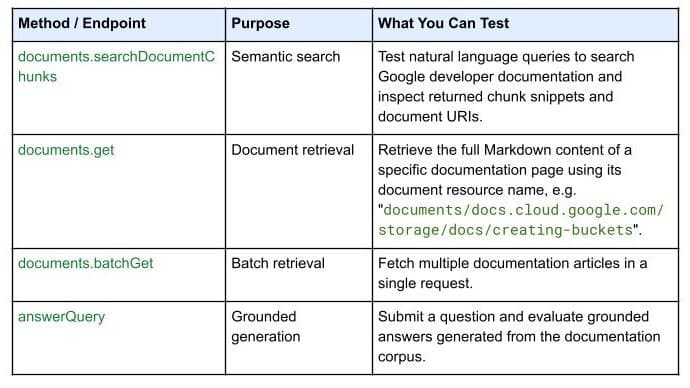
On October 7, 2026, Google Developers launched the Developer Knowledge API ecosystem: official Google Cloud, Firebase, and Android docs as a programmatic source of truth, with a gcloud CLI surface, an official Agent Skill (one-line install), an MCP server, and multi-language client libraries. Why 'docs as APIs' uproots vibe coding's classic failure of models misremembering APIs.