Replit Launches Monitoring Agent: An Autonomous On-Call Engineer for Every App
Replit 10 月 22 日发布 Monitoring Agent,给每个人的应用配一个 autonomous on-call engineer:告警一响,自动调查根因、验证修复、发邮件汇报,还能可选直发生产。官方演示用 Bark Translator 应用,5xx 误报(38/57 请求)2 分钟修完、留检查点。三层渐进授权看/修/发,是 vibe coding 从“写代码”到“养代码”的第一步。
Everyone who has ever shipped an app knows the message. Replit quoted it verbatim in its October 22 blog post: "Doesn't work for me."
At a large company, those four words set a well-oiled machine in motion: an on-call engineer gets paged, digs through logs, finds the cause, ships a fix — often before users even notice the interruption. For the vast majority of indie developers and small teams, that machine doesn't exist. You wrote the code, you answer support tickets, and you're the one who gets woken up at 3 AM by a user message and stumbles through logs half asleep. Worse: after the big-company engineer fixes the bug, they go back to sleep. After you fix it, you still have to write new features, reply to customers, and think about growth the next morning — operations eats directly into the creative time you barely had.
On October 22, Replit launched Monitoring Agent, and its positioning is strikingly direct: an autonomous on-call engineer for every app. When a production issue occurs, it investigates the alert, identifies the cause, makes and validates a fix, deploys that fix to production, and then reports back on what happened and what changed.
This isn't Replit's first move in monitoring. Earlier this year they shipped App Monitoring: production health checks plus alerts when a published app went down. But that only solved half the problem — it told you "it's broken," full stop. The second half of the sentence, "and here's who's going to fix it," was left blank. Monitoring Agent fills it in. In Replit's own words: "closing the loop."
What it actually does: see, fix, ship
The launch post breaks the capability into three layers, each building on the last:
See. The agent can read your app's production logs and metrics directly. Errors, slowdowns, failed deployments — it has the context to investigate on its own, so you don't have to crawl out of bed to grep logs. This is the "eyes" that App Monitoring introduced, now handed to an agent.
Fix. With alerting and autofix enabled, the Monitoring Agent wakes up when an alert fires: it investigates the cause, validates a fix, and emails you a summary of what happened and what it did. Note the default behavior here — it fixes, but doesn't ship yet. What you get is a report.
Ship. If you additionally enable auto-publish, it deploys the validated fix to production and reports back what changed. Whether to flip this switch is your call.
This three-tier design is the most interesting part of the whole launch. Letting AI modify production code is, at its core, handing over merge rights — a high-stakes operation. Replit didn't go full-auto on day one. Instead it offers progressive authorization: watch without touching (alerts), fix without shipping (autofix + email summary), fix and ship (auto-publish). Each layer is a vote of trust, and you can stop at any layer.
A real moment from the official demo
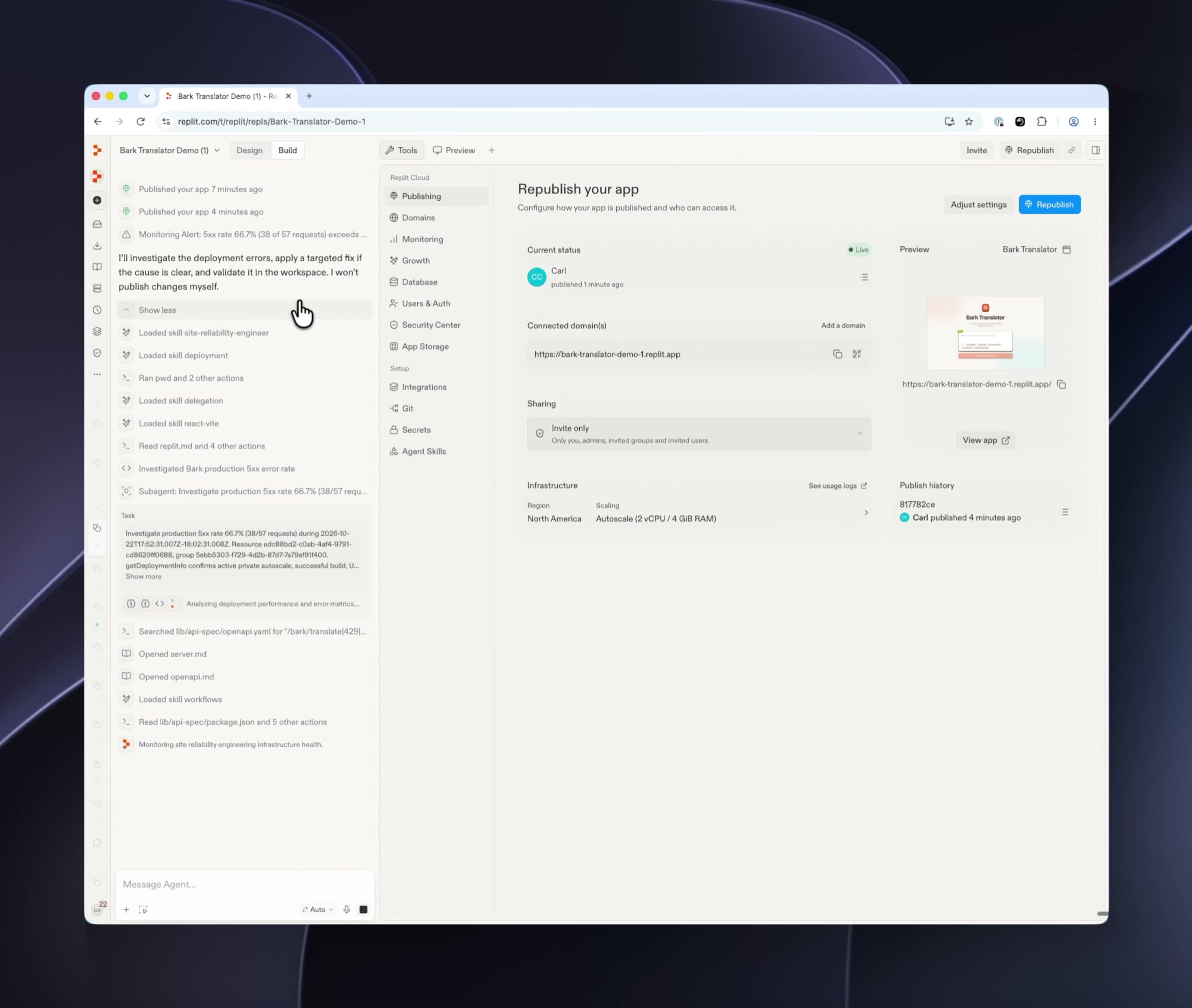
Replit embedded a full demo in the blog post, using a test app called Bark Translator. It's worth examining closely, because what it shows isn't "one-click magic" but a genuine SRE workflow:

The alert reads: "Monitoring Alert: 5xx rate 66.7% (38 of 57 requests)" — the translation endpoint's error rate spiking to two-thirds. The agent's first message after waking up: "I'll investigate the deployment errors, apply a targeted fix if the cause is clear, and validate it in the workspace. I won't publish changes myself."
It then loads a toolbox of skills: site-reliability-engineer, deployment, delegation, react-vite, workflows — an on-call engineer laying out their instruments. The investigation conclusion is the interesting part: the root cause wasn't a code bug at all. The bark route was emitting deliberate quota rejections as HTTP 500 — what should have been a 429 (rate limited) was recorded as a 500 (server failure), so monitoring treated normal rate-limit rejections as a production incident.
The fix: change that response to HTTP 429 and update the API contract. Validation ran regression tests across four scenarios — rate limiting, invalid input, successful translation, genuine upstream failure — all passing. The whole loop took about two minutes and left a checkpoint for rollback.

The choice of demo case is clever. Replit didn't show "fixed a null pointer" — it showed one of the most common and most infuriating problems in real production: a monitoring false alarm caused by wrong status-code semantics. An agent that can handle a "bug that isn't a bug" demonstrates it actually understands production systems rather than reciting fix templates.
Why this deserves its own story: vibe coding's second half
Vibe coding compressed "writing code" into a prompt. Over the past year, Replit Agent, Cursor, Claude Code and friends attacked the speed problem — how fast you go from idea to first working version. But anyone who has actually operated a product knows: writing the code is just the beginning.
In an app's lifetime, writing code is maybe the first 20%. The remaining 80% is keeping it from going down, reproducing user-reported bugs, shipping hotfixes at midnight, upgrading dependencies, renewing certificates, absorbing traffic spikes, hunting slow queries. That work has a name: operations. It's tedious, anti-human, never-ending, and has nothing to do with creating — yet it's the price of software becoming a product.
Monitoring Agent matters because, for the first time, it pushes vibe coding's automation boundary from "writing code" to "keeping code alive." The Replit post says it plainly, and it's worth quoting:
"Building an app is only one part of that journey. Keeping it reliable, secure, discoverable, and improving over time has historically required an entire team."
For a solo developer, the weight of that sentence is this: you can finally outsource being on call. The old pattern was "users find out first, you fix later." The new pattern is "the agent finds out first, fixes first, and you read the email over coffee." Replit's line: "instead of learning about outages from frustrated users, you can wake up and focus on what matters to you."
What being on call actually costs
You might think: it's just getting up to check a log now and then. Anyone who has done production on-call knows the cost was never those thirty minutes. The real cost is the background process that never stops: you don't dare silence your phone, you avoid places with no signal, you can't take a real vacation — because the pager could go off anytime. Psychologists call it anticipatory stress, and it degrades the quality of your entire life, not just the hours spent incident-handling.
Big companies amortize this with rotation: one week on, several weeks off, shared across the team. Small teams can't amortize it — with three people, someone is always effectively on call. Solo developers have it worst: the rotation has exactly one person, on duty 365 days a year.
So what Monitoring Agent really sells isn't "faster bug fixing." It's removing anticipatory stress from a human being. That line in the Replit post — "with the peace of mind that your app's uptime is being handled" — aims precisely at this. For the first time, a solo developer can have a "rotation." The person covering your shift just isn't a person.
This is why I call it vibe coding's second half. The first half answered "how fast from zero to one." The second half answers "how painless from one to N." The first is the democratization of creating; the second is the democratization of operating. And operations is exactly what separates a "toy project" from a "product you can charge for."
How it differs from the traditional on-call toolchain
The obvious question: how is this different from PagerDuty plus runbooks? The difference is in how complete the loop is.
The traditional chain: monitoring detects anomaly → pages a human → human reads the runbook → human executes the fix → human validates → human ships. Tools handle "waking you up"; everything else is human. Even the most automated runbook setups just script the human's steps — and humans still write and maintain those scripts, which only cover foreseen scenarios.
The Monitoring Agent chain: monitoring detects anomaly → the agent investigates → the agent fixes → the agent validates → (optionally) the agent ships → the agent reports to you. The critical difference is step two: in the traditional toolchain, investigation is always human. Ten thousand lines of logs, and deciding which line is the root cause and which is noise, takes judgment, not execution. Replit is betting that models are now good enough at reasoning to do a junior SRE's investigation work.
You can see the texture of that investigation in the demo: the agent didn't stop at "lots of 5xx" — it traced down to "quota rejections mislabeled as 500," and even distinguished "genuine translation failures should stay 502." That's diagnosis with domain knowledge (HTTP semantics, API design), not pattern matching. Whether it's worth your 3 AM phone call depends on how consistently it diagnoses — which is exactly what you should verify yourself during the autofix phase by reading its email reports.
The email summary: an underrated design choice
Of the three capability layers, the easiest to overlook is the "emails you a summary" in layer two. That email deserves its own discussion, because it solves the hardest problem in AI operations: how trust gets built.
The biggest resistance to auto-fixing production code isn't technical — it's psychological. You don't know what it did. A good report answers four questions: what happened, what the root cause was, what changed, and how it was validated. Judging by the demo, Replit's agent reports follow exactly this structure — Likely cause / Fix / Validation — with evidence attached (endpoint metrics, request logs).
This is, in effect, the automation of the postmortem. In serious SRE cultures, a blameless postmortem is mandatory after every incident. Monitoring Agent gives every solo developer an SRE who never skips writing them. Over months, those emails become the best material for understanding your own system's weaknesses — which endpoint keeps breaking, which class of fix recurs. A few months of archives tells the story.
That's why my practical advice includes "turn on autofix first and actually read the emails" — it's not conservatism, it's a two-week trust calibration between you and the agent. You'll learn its capability boundaries from those reports: which problems it handles well, which it misjudges. That calibration is precisely the evidence base for deciding whether auto-publish gets turned on.
Drawing the boundary with our Sentry guide
Careful readers may remember our guide on error monitoring and crash reporting with Sentry. How do the two relate? One sentence draws the boundary:
That guide is the "eyes" at code level; this is the "hands" at agent level.
The Sentry approach means hand-embedding an SDK, configuring reporting, defining severity rules — it tells you "what broke and what the stack trace is," but the fixing is still on you. Monitoring Agent is a different layer: it doesn't just watch, it investigates, fixes, validates, deploys, and reports — a complete closed loop. The two complement rather than conflict: Sentry works with any stack, anywhere you deploy; Monitoring Agent currently only serves apps running on Replit, but automates far more deeply.
The metaphor: Sentry is the medical report; Monitoring Agent is the doctor on night duty. Everyone needs the report; the night doctor is something Replit staffs for its own residents.
Three sober questions before you enable auto-publish
Now the cold water. These three points determine how you should use it, not whether.
First, auto-fix quality has no independent verification yet. The official demo is beautiful, but it's the vendor's chosen case — clear root cause, convergent fix, simple validation. Real production incidents are messier: the root cause may hide in a third-party service, and a fix can have knock-on effects. There is currently zero third-party data on the agent's real-world misfire rate. My advice: run autofix for a few rounds first and actually read every email report — is its root-cause analysis sound, is the fix conservative, is there any "fixing for fixing's sake" overreach? Only consider auto-publish after it proves itself repeatedly.
Second, this is platform-locked capability. Monitoring Agent can only see production logs and metrics for apps running on Replit. Move your app off Replit and your "on-call engineer" resigns. That's not a criticism — deep integration is the precondition for "investigate + fix + deploy," something a generic tool like Sentry can never do. But be clear-eyed: you're trading platform lock-in for automation depth.
Third, read it inside Replit's roadmap. There's an easy-to-skim paragraph in the post: over the past six months, Replit shipped black-box security scanning, growth tooling, and now production monitoring. The direction is explicit: from "one coding agent" to "autonomous software teams" that can do anything a modern software engineering team does — build, maintain, secure, grow. Monitoring Agent isn't an isolated feature; it's the "operations" piece of the agent-team puzzle. Once you see that, you can guess what's coming next: agents hardening your security, agents running growth experiments. They're on the way.
It changes the cost structure of the one-person company
One more layer most people miss: this changes the cost structure of indie development.
Traditionally, there's an invisible wall between "it runs" and "I'd dare charge for it": you have to promise customers availability. Promising availability means either being on standby 24/7 yourself (paying with health) or hiring rotation coverage (paying with money). Many indie products stay forever in "free trial" — not for lack of ambition, but for lack of nerve. Once you charge, a 3 AM outage is a breach of promise.
Monitoring Agent lowers that wall. It doesn't eliminate operations, but it compresses the time from "incident occurs" to "someone starts working on it" to minutes — without you being awake. That means a solo developer can promise reliability to customers earlier — not because you try harder, but because you have a watch-keeper who never sleeps.
Don't mistake it for a senior SRE hire, though. Think of it as an extremely diligent but still-junior ops engineer: on duty 24/7, thorough in investigation, writes up reports — but you still review the tricky calls, and you'd be wise to spot-check its fixes against your own understanding of the system before granting deploy rights. The right way to use it isn't "turn it on and forget," it's "let it handle the 80% of routine incidents, you handle the 20% it can't." That 80/20 split is exactly what every mature on-call setup looks like — except both sides used to be human, and now one side is an agent.
What to watch next
If Replit's thesis is right — that operations is the next thing agents absorb — there are a few signals worth watching over the coming months. First, whether the email reports get cited by users as genuinely useful postmortems, or dismissed as noise; that determines if the trust calibration loop actually works. Second, whether Replit extends the agent's reach beyond its own platform — an on-call agent that can watch a Vercel or AWS deployment would be a much bigger story, but it would also require the kind of deep integration Replit currently gets for free on its own infrastructure. Third, and most telling: whether competitors follow. If Cursor, Lovable, or Vercel ship their own "we'll keep it running" agents within a quarter or two, you'll know this wasn't a feature launch — it was the starting gun for vibe coding's second half.
A practical checklist for vibe-coding creators
If you already run a production app on Replit, the official onboarding path is clear:
- Step 1: Publish your app, open Publishing settings, and enable monitoring alerts and auto-fix.
- Step 2: Leave auto-publish off. Let the agent run for a week or two; you just collect the email reports and judge its reasoning quality.
- Step 3: If the reports stay solid, enable auto-publish — and make sure you know where to find its change history and rollback (every fix in the demo left a checkpoint; that's your safety rope).
- Step 4: Don't treat it as a silver bullet. It handles known-pattern problems — 5xx spikes, slowdowns, failed deploys. Architectural issues and business-logic bugs still need you.
Vibe coding's first half was "everyone can write code," and Replit's Agent delivered that. The second half is "everyone can operate a product" — Monitoring Agent is the first piece of that puzzle. Writing the code is just the beginning; keeping it alive is the real practice. At least now, the night shift is covered. And for the solo developer who has been the entire on-call rotation for years, that coverage isn't a feature. It's the first real vacation they've had since launching.
It's worth savoring the post's closing line: "All you need is the idea and the ambition." Two years ago that sounded like marketing — because back then, having an idea still meant learning React yourself, provisioning databases yourself, fixing servers at midnight yourself. But as the coding agent handles "writing," Monitoring Agent handles "keeping," security scanning handles "defending," and growth agents handle "promoting," the sentence inches toward literal truth. Vibe coding's endgame was never "write code faster." It's "one person as a whole team." With this launch, Replit just filled the ops seat first.
Primary source: Replit's official blog post "Replit Monitoring Agent: Your very own software," published 2026-10-22 (page metadata: Published: 2026-10-22T20:24:13.430Z). Cross-verified by Replit team member Carl C.'s LinkedIn post the same day ("Today we're launching Monitoring Agent, your 24/7 on-call engineer!", 2026-10-22T21:26:20.669Z) and independent coverage by oossa.com. Demo screenshots are frames from the official demo video embedded in Replit's blog post.
Comments (0)
Sources
Related articles

Vercel open-sourced durable-harness, a set of adapters that bolts durability onto existing harnesses — Pi, OpenCode, Codex, Claude Code — logging every step's intent and outcome so crashed turns resume from a durable log, finished calls never re-run, and tokens are never billed twice.
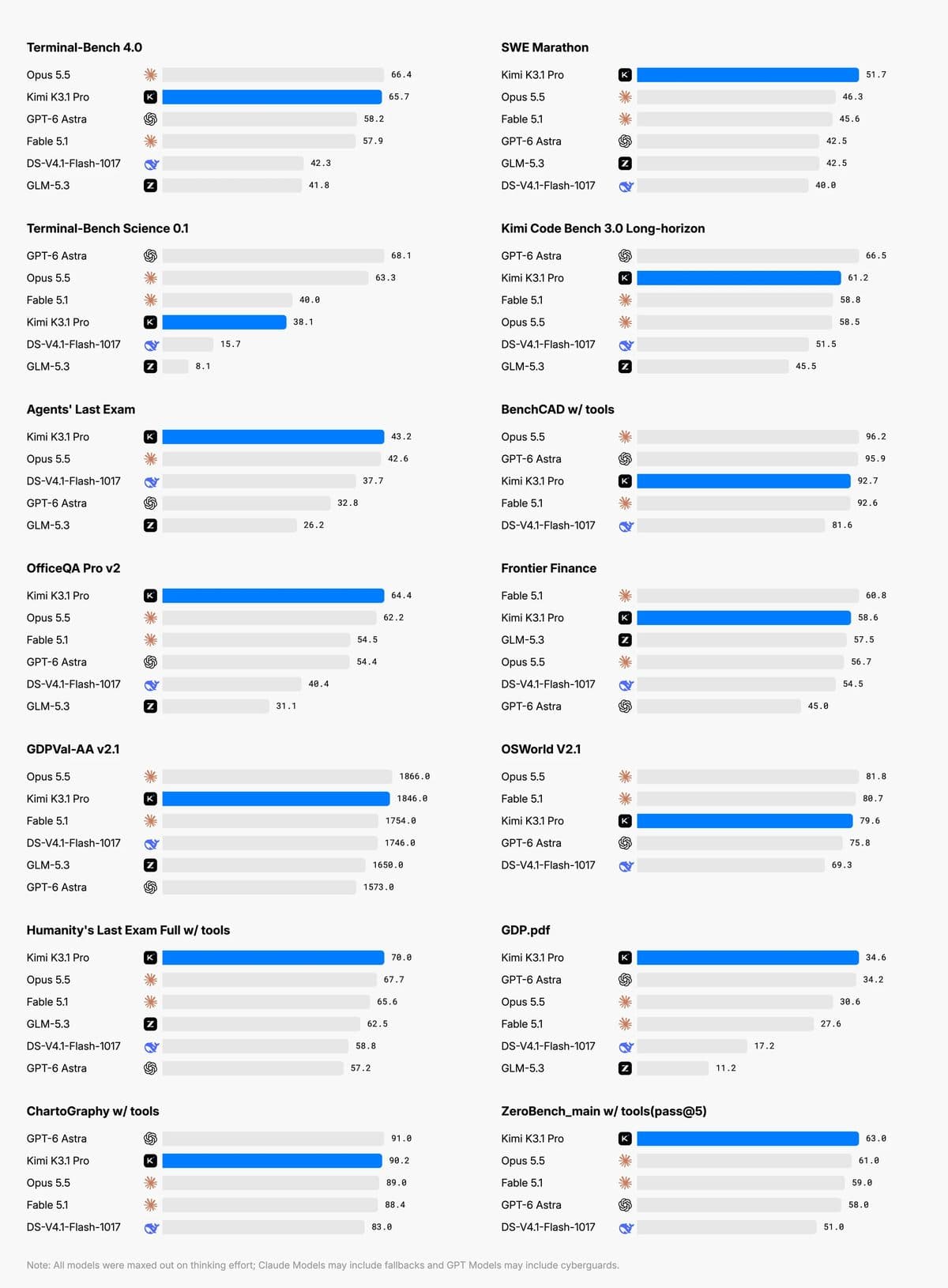
Moonshot's Kimi K3.1 Pro scores 65.7% on Terminal-Bench 4.0, just 0.7 points behind Claude Opus 5.5, with API prices cut by a third and full open weights promised by November 4. The launch blog also quantifies a rare open-source-vs-safety trade-off: scrubbing cyber data cost 9.5 points on its internal exploit benchmark.
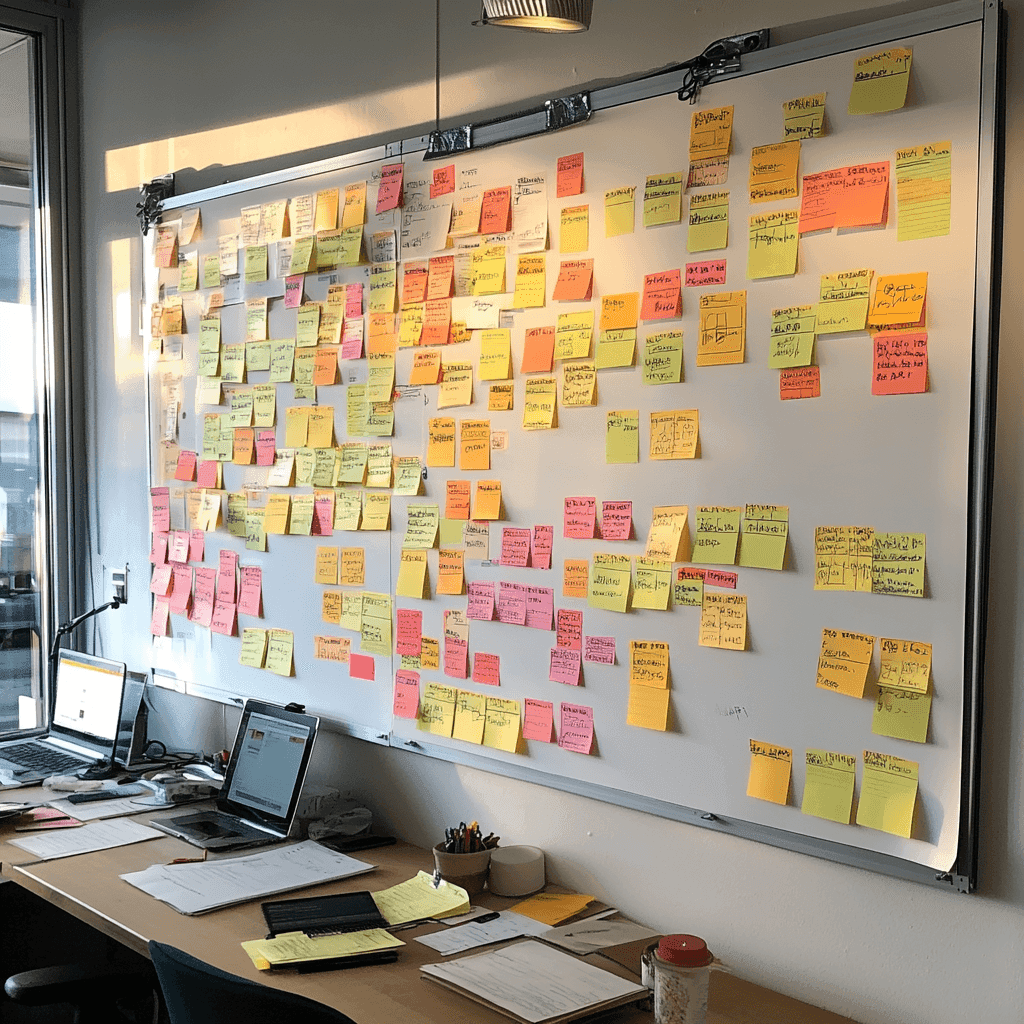
The AI's "done" is rarely your "done". Learn to write five-element DoD task cards, use cheat sheets for four task types, an AI self-review prompt, and a 10-minute human acceptance pass — turning rework from mystery into checklist.