Open source projects rarely die from unwritable code — maintainers drown in issues and PRs. Agents excel at exactly this 'read-heavy, pattern-based judgment' work. A triage pipeline for 2-hour-a-week maintenance.
VIBEFIX GUIDES
Practical knowledge for tools, deployment, workflows, and building projects.

Open source projects rarely die from unwritable code — maintainers drown in issues and PRs. Agents excel at exactly this 'read-heavy, pattern-based judgment' work. A triage pipeline for 2-hour-a-week maintenance.

Every vibe project repeats 70% of the work: auth, payments, email, deploy. Use AI to distill these into your own scaffolds and skill library — project N starts 5x faster than project one. Compounding lives in scaffolds, not code.

AI made building 10x faster but not finding users. Your first paying user almost never comes from Product Hunt or a viral tweet — it comes from 20 one-on-one interviews. What to ask, and how to turn 'interesting' into payment.

In the agent era, documentation's first reader is no longer human — it's AI. A docs strategy written for AI (CLAUDE.md, SKILL.md, ADRs) halves agent mistakes and makes your project easier to hand over.

Vibe coding's easiest trap is spending 80% of time where users never look. Demo-driven development flips it: build a 3-minute demo first, trade it for feedback, users, and confidence — then backfill the 'correct but boring' engineering.

In April, an agent deleted a company's production database and its backups — because it had the permissions and nobody told it not to. Data safety for vibe projects can't rely on luck. This guide gives a backup playbook: three-layer backup strategy, agent permission isolation, and a 10-minute weekly disaster-recovery drill.

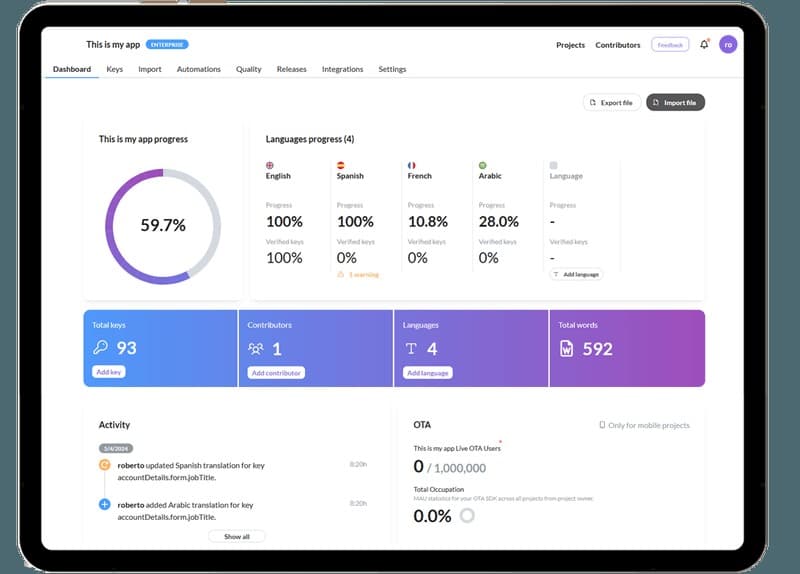
A project introduced in English reaches several times the audience of a Chinese-only one — and AI has driven the cost of the extract → translate → review pipeline down to nearly zero. This guide gives vibe projects a practical i18n playbook: when it's worth doing, how to have AI sweep hardcoded strings into keys, the translation-and-review workflow, four traps you'll definitely hit, and a pre-launch acceptance checklist.

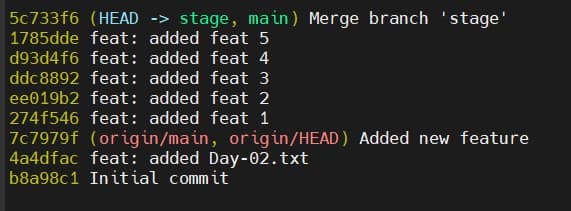
An agent changes twenty files in one go and you can't possibly review them all — that's when git becomes your only undo button. This guide lays out a Git workflow designed around one premise: the AI will mess up. Keep main always runnable, branch per task, let the AI write conventional commits, master three rollback moves, and have the AI generate a daily changelog. No ceremony, just survival.

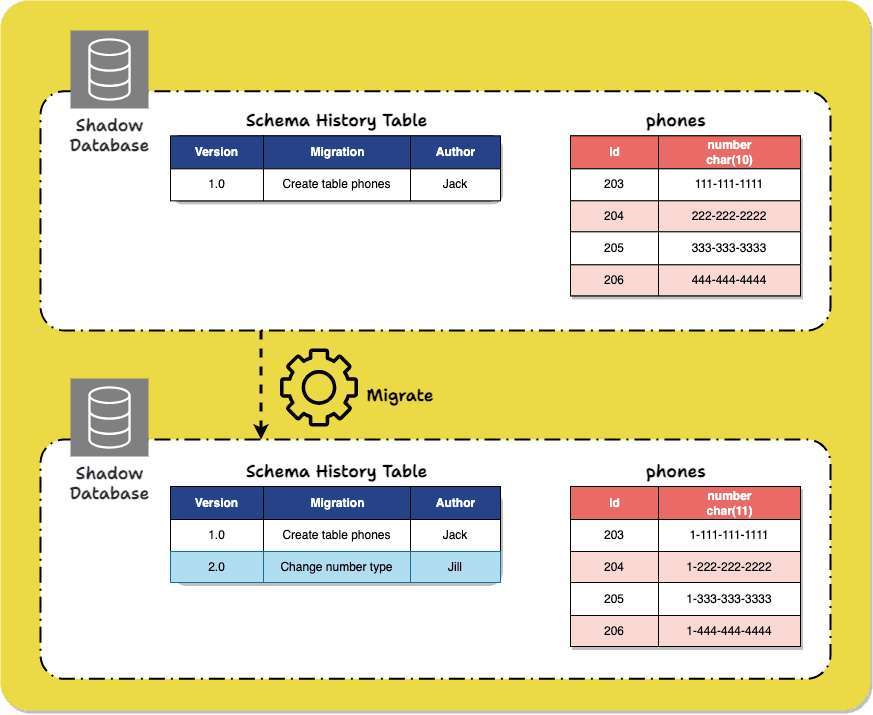
In vibe coding, the database is where projects go to die: an agent changing schema is far less reversible than an agent changing code — one DDL and the data is gone. These 5 rules were paid for in real incidents, each with concrete steps and counterexamples.

Everyone who's coded with agents has seen it: stuck circling the same error, confidently delivering a completely wrong solution, quietly deleting your files. Agent failures aren't random — they follow fixed patterns. This guide catalogs the 7 most common deaths, each with symptoms, root cause, and a one-line countermeasure.

Heavy agent users pay $60–200/month, but half of it burns on tasks that never deserved it. This guide gives a practical model-routing playbook: which model for which task, how to set up automatic downgrades, and three moves that cut 40% immediately. What you save isn't pocket change — it's next month's server budget.

Your agent may be pasting GPL code into your closed-source project without you knowing — and 'the AI wrote it' is not a legal defense. This guide maps where the license risk in AI-generated code actually lives: training-data contamination, the state of the Copilot lawsuits, and a self-audit checklist any indie can run tonight.