All articles

VIBEFIX GUIDES

AI Coding Guides

Practical knowledge for tools, deployment, workflows, and building projects.

Illustration of coins and cost choices, symbolizing model-call cost tradeoffs
Guide
Stop Using the Most Expensive Model for Everything: A Vibe Coder's Model Routing Playbook

Heavy agent users pay $60–200/month, but half of it burns on tasks that never deserved it. This guide gives a practical model-routing playbook: which model for which task, how to set up automatic downgrades, and three moves that cut 40% immediately. What you save isn't pocket change — it's next month's server budget.

Tool TipsDeveloper WorkflowAI Coding

A gavel beside a laptop displaying code, symbolizing software license compliance
Guide
Who Owns the License on Agent-Written Code? A Compliance Self-Audit for Vibe Projects

Your agent may be pasting GPL code into your closed-source project without you knowing — and 'the AI wrote it' is not a legal defense. This guide maps where the license risk in AI-generated code actually lives: training-data contamination, the state of the Copilot lawsuits, and a self-audit checklist any indie can run tonight.

Developer WorkflowSecurity & PrivacyIndie Development
Technical documentation writing scene on a dark desk
Guide
Your AI App Can Be Broken by One Sentence: Prompt Injection Defense in Practice

If your app feeds user input to AI, someone can hijack it with one sentence telling it to 'forget previous instructions.' Not theory: in real 2026 attacks, agents were hijacked by hidden instructions in webpages and tricked into leaking system prompts. Three injection shapes and four defense layers — required reading before your vibe app ships.

Security & PrivacyDeveloper WorkflowAI Coding
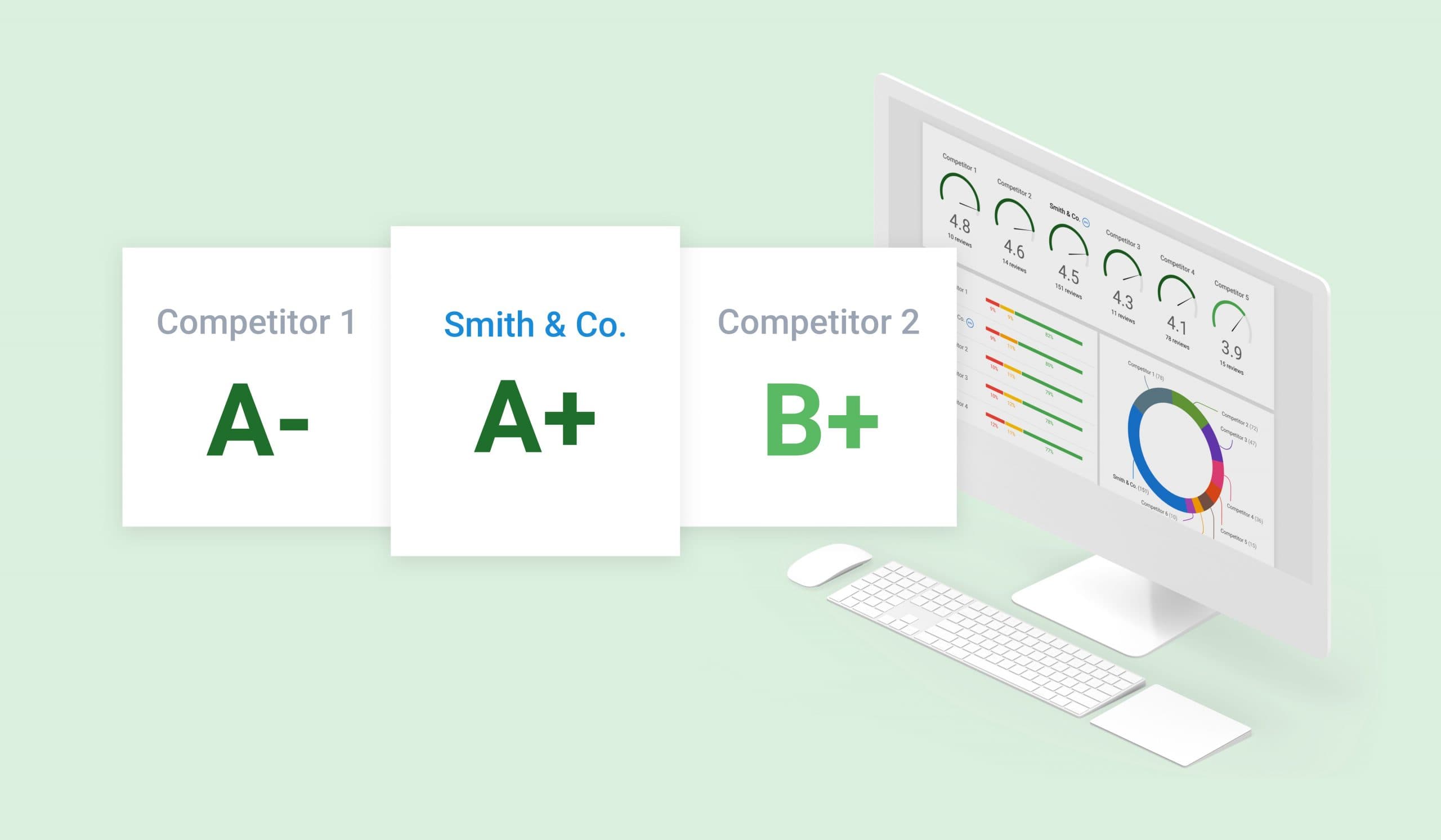
Competitor analysis dashboard: three competitor rating cards (A+ / A- / B+) with comparison charts
Guide
Survey the Battlefield First: Competitor Research in One Day with AI

AI cut the cost of building tenfold — and the cost of research tenfold too. A repeatable competitor-research workflow for solo builders: map the field in the morning, run 12 comparison dimensions in the afternoon, ship a one-page decision by night — and why its greatest value is telling you what NOT to do.

Product StrategyIndie DevelopmentStartup Journey
Scaffolding wraps an old building facade as workers restore the historic stonework level by level
Guide
Don't Let the Agent Demolish Your Old House: 5 Rules for Gradual Legacy Refactoring

The biggest risk of letting an agent refactor legacy code isn't wrong code — it's deleted correct code carrying hard-won lessons. Five rules: build the safety net first, slice rollback-small, make the agent an archaeologist, freeze behavior not implementation, and write down tacit knowledge. Plus a rewrite-vs-refactor framework.

AI CodingDeveloper WorkflowTesting & Quality
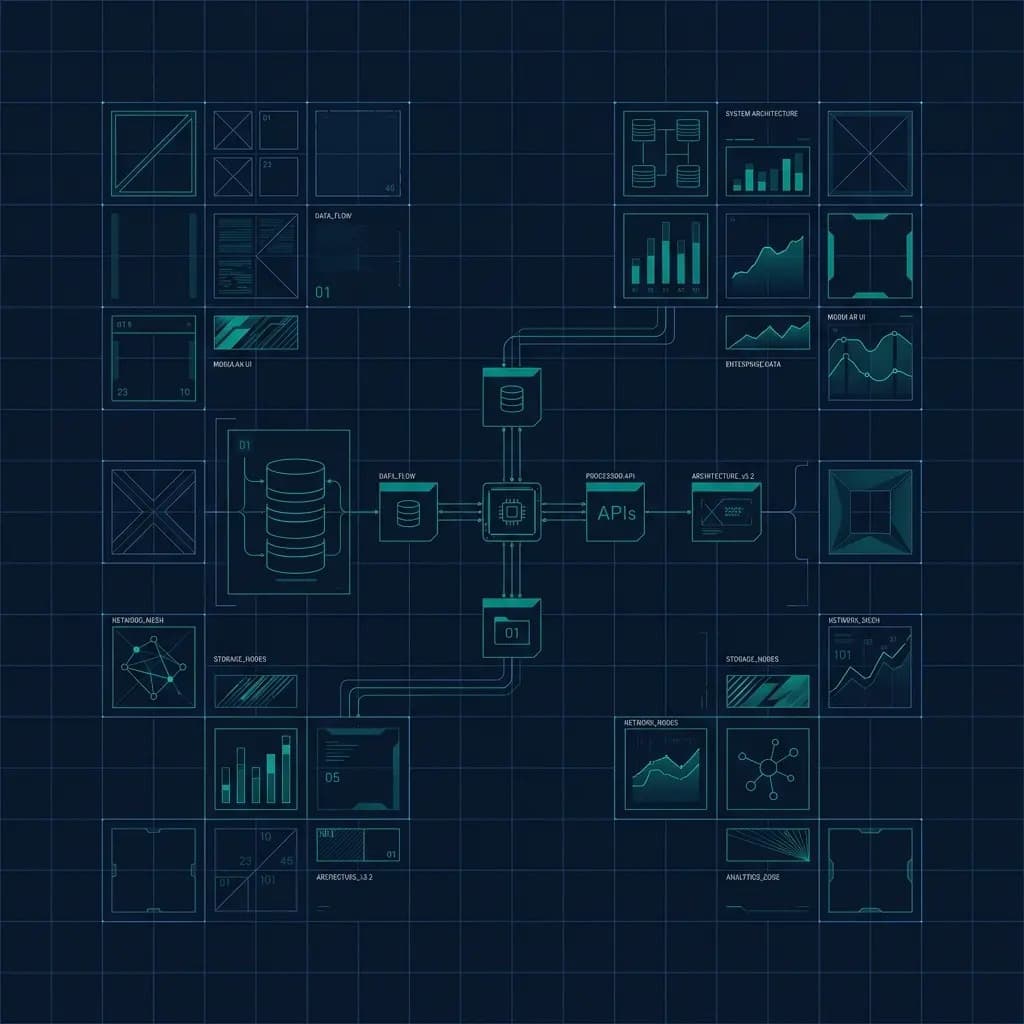
Dark blueprint-style system architecture diagram: modules, data flows and API nodes wired over a grid
Guide
Blueprint First, Then Build: Spec-Driven Development in the Agent Era

The biggest waste in the agent era isn't weak models — it's sending agents to build before intent is clear. A complete spec-driven methodology: the 5-part spec that actually drives agents, the Spec→Plan→Task→Verify loop, 4 iron disciplines, and an honest call on when a spec isn't worth it.

AI CodingDeveloper WorkflowProject Building
Abstract illustration of database cylinders with flowing streams of data light
Guide
Picking a Database for Vibe Coding: Supabase vs Neon vs Turso vs Convex, Explained in One Table

More vibe coding projects die from database selection than from code bugs — not because they chose wrong, but because they chose too heavy, too early. This guide starts with a decision table, breaks down the real trade-offs of Supabase, Neon, Turso, Convex, and Firebase, and ends with three counter-intuitive tips — the most important one: don't pick the "strongest," pick the one you won't regret deleting.

Tool TipsAI CodingTool Comparison
Top-down view: laptop running code, open handwritten notebooks and a coffee beside it
Guide
Before AI Takes Over Your Project, Write Its Manual: A Practical AGENTS.md Guide

Every new agent session starts with amnesia: it doesn't know your test commands, which directories are off-limits, or the pitfalls you hit last week. AGENTS.md is the project manual written for AI — a good one makes the agent feel like a veteran teammate on day one. This guide covers the 5 must-have sections, 3 anti-patterns, and a copy-paste-ready template.

Developer WorkflowTool TipsAI Coding
Purple illustration of a magnifier examining tangled cables, symbolizing tech debt triage
Guide
Paying Back the Agent's Tech Debt: A Repayment Roadmap for Vibe Projects

AI writes a month of your code in a day — and tech debt accumulates at the same speed: duplicated utils, an 800-line component nobody dares touch, 0% test coverage on core flows. This guide gives a repayment roadmap: quantify first, categorize, then repay in 'highest interest' order — with the agent itself as the repayment crew, not you.

Developer WorkflowDebuggingAI Coding
Illustration of two robots working at computers in a late-night office
Guide
Let the Agent Run for Hours: 5 Design Principles for Async Collaboration Workflows

AI coding agents can now work autonomously for hours — the bottleneck is no longer agent speed but your trust and workflow design. Still staring at the screen waiting? This guide gives 5 principles: split tasks to be verifiable, checkpoints over screen-watching, notifications over polling, failure budgets over perfectionism, retrospectives over reruns. Treat the agent as an async colleague, not a pairing buddy.

Developer WorkflowAI CodingTool Tips
Illustration of chat message bubbles on a smartphone, blue background
Guide
Stop Building Apps? A Design Guide for Message-Native Products, Starting from Photon's 'Funeral'

Photon held a funeral for the mobile app and raised $4.5M on one judgment: users don't want to install new apps; services should live in iMessage and WhatsApp. This guide skips the hype for practice: which products fit 'message-native,' 4 design principles for conversational UX, and a minimal validation plan a vibe coder can start tonight.

Product StrategyIndie DevelopmentAI Coding
Pixel-art illustration of a robot operating a lever at a checkpoint, symbolizing interception and guardrails
Guide
Guardrails for Agents: Hooks Interception in Practice, Now Supported by 12 Major Tools

As of October 2026, 12 major coding agents — Claude Code, Codex, Cursor, Copilot, Windsurf and more — all support tool-call interception via hooks. 'Ask me before the agent does something bad' went from luxury to standard. This guide covers 4 essential hook types: secret-leak blocking, dangerous-command confirmation, file-write fencing, and audit trails.

Application SecurityDeveloper WorkflowTool Tips