The more autonomous the agent, the larger the blast radius. A "human nods before it runs" gate on deletions, refunds, broadcasts, and permission changes is the cheapest insurance. This guide gives you a risk×reversibility quadrant, a minimal ticket schema, deny-by-default timeouts, audit trails, and an emergency lane — shippable in a weekend.
VIBEFIX GUIDES
AI Coding Guides
Practical knowledge for tools, deployment, workflows, and building projects.
AI can write a desktop app in one evening, but macOS notarization, Windows signing certificates, and auto-updates are all process grunt work. This guide lays out the complete runway from build to user: an Electron vs. Tauri decision table, the full Developer ID signing + notarization flow, OV/EV vs. Azure cloud signing, auto-updates on both platforms, four distribution channels, a CI packaging pipeline, and a 12-item pre-release checklist.
AI-written code fails silently at 3am, token bills explode quietly, and user bug reports you can't reproduce — most vibe projects die from being invisible. This hands-on guide gets you to minimum viable observability in one hour: structured logging, OpenTelemetry tracing, one dashboard, two alerts, plus the four metrics you must instrument and three anti-patterns to avoid.
Import is a user's first trust test: preview before writing, report per row, deduplicate on business keys, and make every import batch reversible.
When a user hits zero results and leaves, the item often exists; they just cannot tell which condition to change. This guide gives vibe-coded projects a search-and-filter method: keyword-filter division of labor, OR-within-group and AND-across-groups logic, counts on options, shareable URL state, and a four-step empty-result recovery.
Deletion is a state machine, not a button: request, disclosure, grace period, erasure, confirmation, review. This guide gives a three-way scope table, a six-state flow, and a ten-item engineering checklist — plus the backups, indexes, third parties, and billing most teams miss. All products and people named are fictional examples.
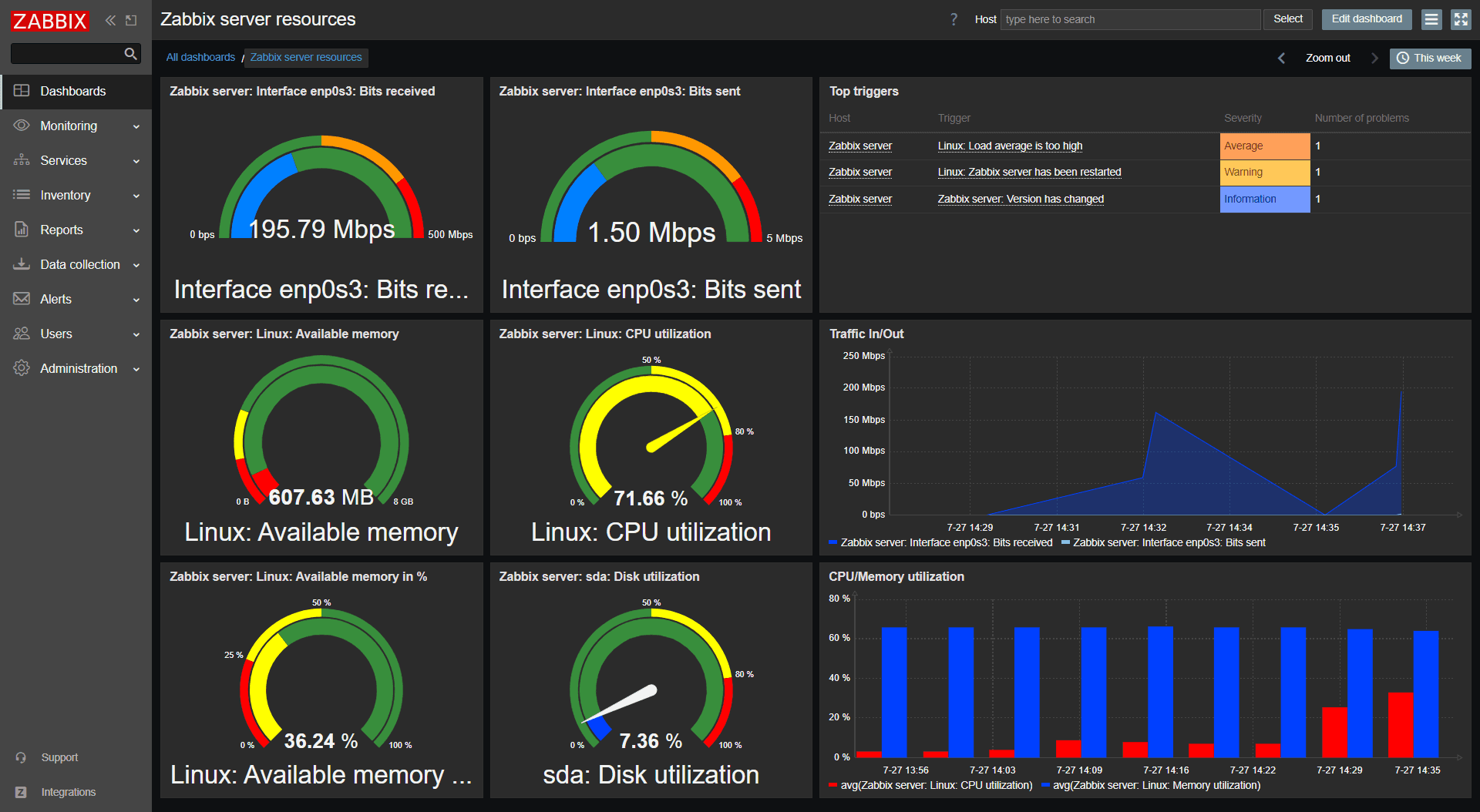
A dashboard rarely suffers from too little data; it suffers from data never arranged into a sentence that tells someone what to do. This guide gives vibe-coded projects a dashboard method: three questions, three metric layers, an overview-breakdown-action layout, and the four places dashboards most often break.
The most common AI-generated form problem is not ugly styling but validation that is too lax or too strict. This guide covers six principles: help users get it right, keep three rule locations consistent, time errors well, write plain-language messages, guard rules with tests, and handle multi-step saving — plus a pre-launch checklist.
A settings page is a product's memory. This guide gives vibe-coded projects a three-layer preference model, a storage combination strategy, and a launch checklist, so changes survive device switches and version upgrades.
Asking for notifications, location, photos and contacts the moment an app opens gets everything refused, and the official system dialog often gets only one real chance. This guide covers timing rules, pre-prompt red lines, per-permission tactics, degraded fallbacks after refusal, and a ten-item checklist.