Web Speech API vs cloud ASR, speechSynthesis vs cloud TTS, a four-stage latency budget for VAD-ASR-LLM-TTS pipelines, barge-in, cost math, and degradation chains — with a runnable browser voice-input demo.
VIBEFIX GUIDES
AI Coding Guides
Practical knowledge for tools, deployment, workflows, and building projects.
Two people editing the same line is a consistency problem, not a realtime problem — naive WebSocket JSON broadcast dies at three users. Scoped against the site's realtime-features and offline-sync guides, then deep: OT vs CRDT with a decision table (conclusion first: solo teams pick Yjs), the Y.Doc/Awareness/Provider trio (30-line client, 40-line authenticated server), room-level ACL plus snapshot backstops, production pitfalls, and a 5-item launch checklist.
AI can slap together a page that looks like docs, but information architecture, versioning, search, and staying in sync with code are what make a docs site usable. This guide gives solo teams the full route: the README/help-center/docs-site decision table, a verified four-way tool comparison (Fumadocs/Starlight/Docusaurus/Mintlify), the four-block IA with two reader paths, snapshot versioning, DocSearch vs local search, OpenAPI-driven API reference, and a 10-item launch checklist.
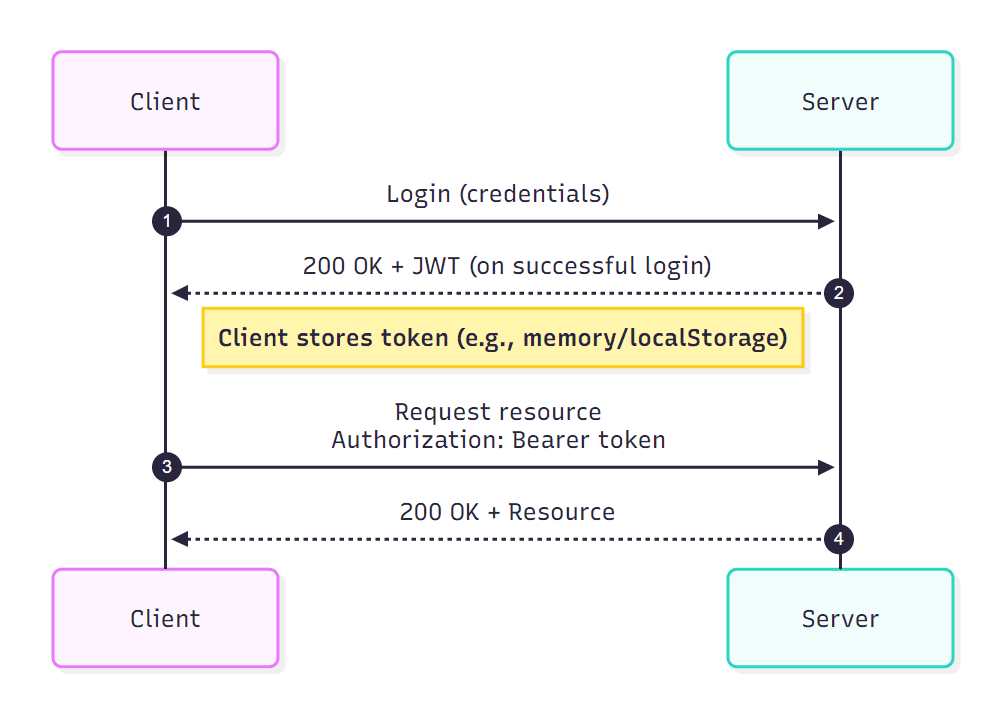
AI-generated login code runs but is riddled with holes: tokens in localStorage, weak password hashes, unthrottled endpoints. This hands-on guide gives you a four-quadrant selection matrix, fixes for 5 typical vulnerabilities, a Next.js middleware guard pattern, Supabase RLS policy templates, a third-party login pitfall checklist, and a 10-question pre-launch self-audit — all code copy-paste ready.
Questionnaires, sign-ups, applications… once your vibe project grows its third form, hand-written maintenance starts to spiral. This hands-on guide builds a form builder from zero: JSON Schema as the data contract, UI schema for layout, a type-to-component registry for rendering, a rule engine for conditional logic, plus the drag-and-drop canvas and schema versioning — with an AJV/zod decision guide and a launch checklist.
AI writes REST fast and sloppy — one renamed field crashes frontend and backend together. This guide gives solo TypeScript teams a clear stance: default to tRPC for free end-to-end type safety, switch to GraphQL only on three signals. Includes a runnable tRPC + Next.js setup, schema-first GraphQL with codegen, the DataLoader fix for AI-generated N+1 resolvers, depth-limit and complexity guardrails, auth via middleware vs directives, the decision tree, and a 5-step REST-to-tRPC migration SOP.
The most common open source posture among vibe developers is the naked push: no license, no CONTRIBUTING, an issue tracker silent for three months. This guide lays out the full runway from private repo to healthy open source project: a license decision table, a pre-launch code health check with a runnable secret scanner, the four community files, a launch-day SOP, first-month governance discipline, and a 15-item acceptance checklist.
Upload is only the beginning. Build a six-stage image pipeline with sharp — validation, EXIF auto-orient, three sizes, WebP/AVIF dual formats, bottom-right watermarks — and hold five security red lines from pixel bombs to the sharp 0.35.5 version floor.
Switch sessions or models and an agent forgets your project all over again. The fix is not more patient explanations but a handover pack in the repo: a one-pager, architecture map, decision records, no-go list, verification commands, task queue, and a handover ritual — readable in ten minutes, actionable immediately.
Monthly bill over $50, a need for persistent processes, data you want to own — when these signals appear, it is time to move your vibe project from Vercel to your own VPS. A 7-step SOP for solo teams, 6 pitfalls to dodge, a real cost-crossover breakdown, and a 30-minute rollback plan.