All articles

VIBEFIX NEWS

AI Coding News

Original perspectives on tools, frameworks, open source, and the creator ecosystem.

A woman on a video call in front of her laptop, with the other participant visible on screen
News
48% Couldn't Tell It Was AI: Tavus Griffin Turns the Face Into a Real-Time Interface

On October 1, Tavus launched Griffin — the first "Human Interaction Model" (HIM): full-duplex video-to-video that listens, watches, and speaks at the same time. In a blind study, 48% of participants believed they were talking to a real human, versus 2% at best for previous systems. The fact that it can fool people is exactly why it isn't generally available yet.

AI AgentModel UpdatesProduct Launch

Developer team collaborating on code
News
GitHub Was Built for Humans: Cloudflare Offers $25,000 in Credits to Rebuild Git for Agents

Cloudflare's Birthday Week blog makes the case plainly: GitHub was designed for humans writing code; the agent era needs the collaboration layer reinvented. Artifacts enters open beta with a repo for every agent, plus a developer competition — $25,000 in credits for first place, deadline October 14. This is the first time a major infra vendor has put 'infrastructure for agents writing code' on the table as a public proposition.

AI CodingDeveloper WorkflowIndustry Trends
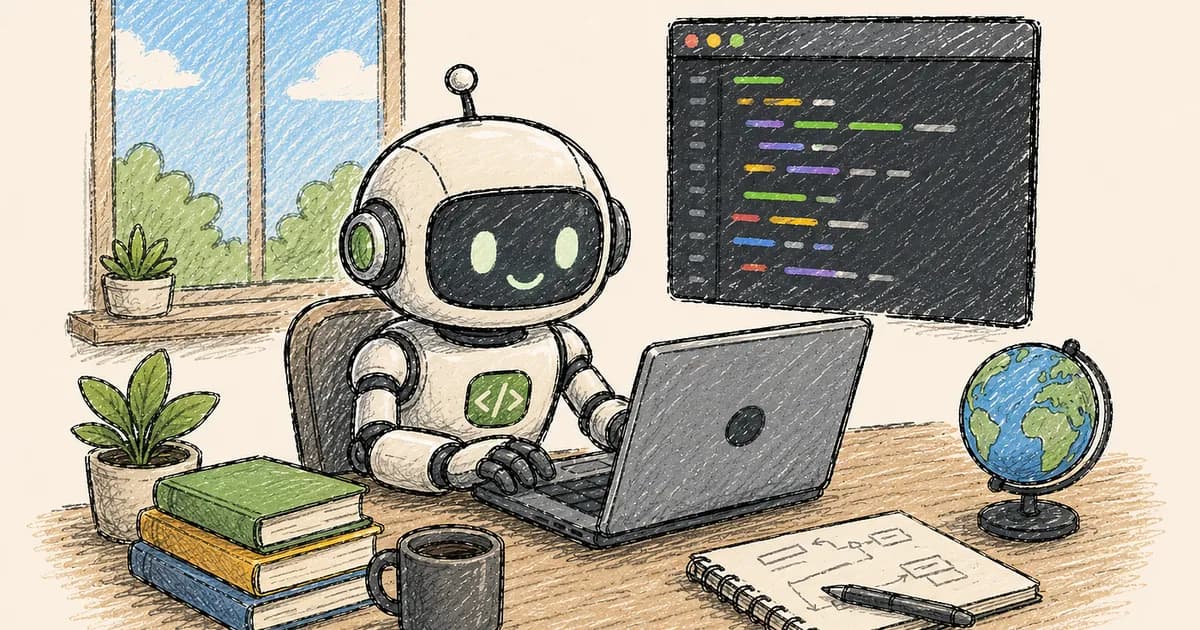
A small robot sitting at a desk coding on a laptop, symbolizing Haiku 5.5's new positioning as an AI coding subagent
News
Small Models Are Becoming the "Subagent Commodity": The Multi-Agent Cost Economics Behind Claude Haiku 5.5's Price Cut

Anthropic released Claude Haiku 5.5 on October 7, calling it its "cheapest, fastest, and most capable small model." But the real story isn't the discount — it's a "100K-token price cliff": prompts under 100K tokens get roughly 90% off, while longer ones get only about 50%. Anthropic is using pricing to teach you to break big tasks apart — the small-model battlefield is shifting from "chatting with you" to "being orchestrated by bigger models."

AI CodingModel UpdatesIndustry Trends
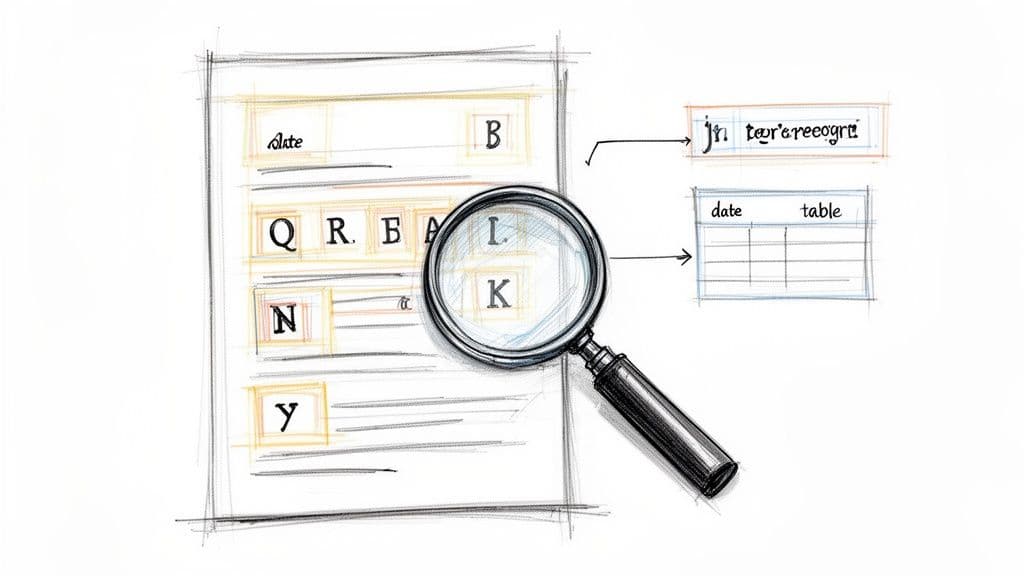
Hand-drawn illustration of document parsing: a magnifying glass scans a document covered in OCR recognition boxes, with arrows pointing to structured table output
News
An "OpenRouter" for Document Parsing: LlamaIndex Launches OpenDocRouter with 10 Models Behind One API

On October 7, LlamaIndex launched OpenDocRouter: one POST /v1/parse endpoint backed by 10 document-parsing models — five frontier closed-source models plus five open-source ones, switchable at will. Its companion ParseBench shows Claude Opus 5.5 scoring 84.20 at $48.82 per thousand pages, while GPT-6 Luna scores 71.34 at just $0.80 — a 60x price gap for a 14-point difference. Document parsing finally has a public, transparent quality-vs-cost menu.

AI CodingProduct LaunchData Workflows
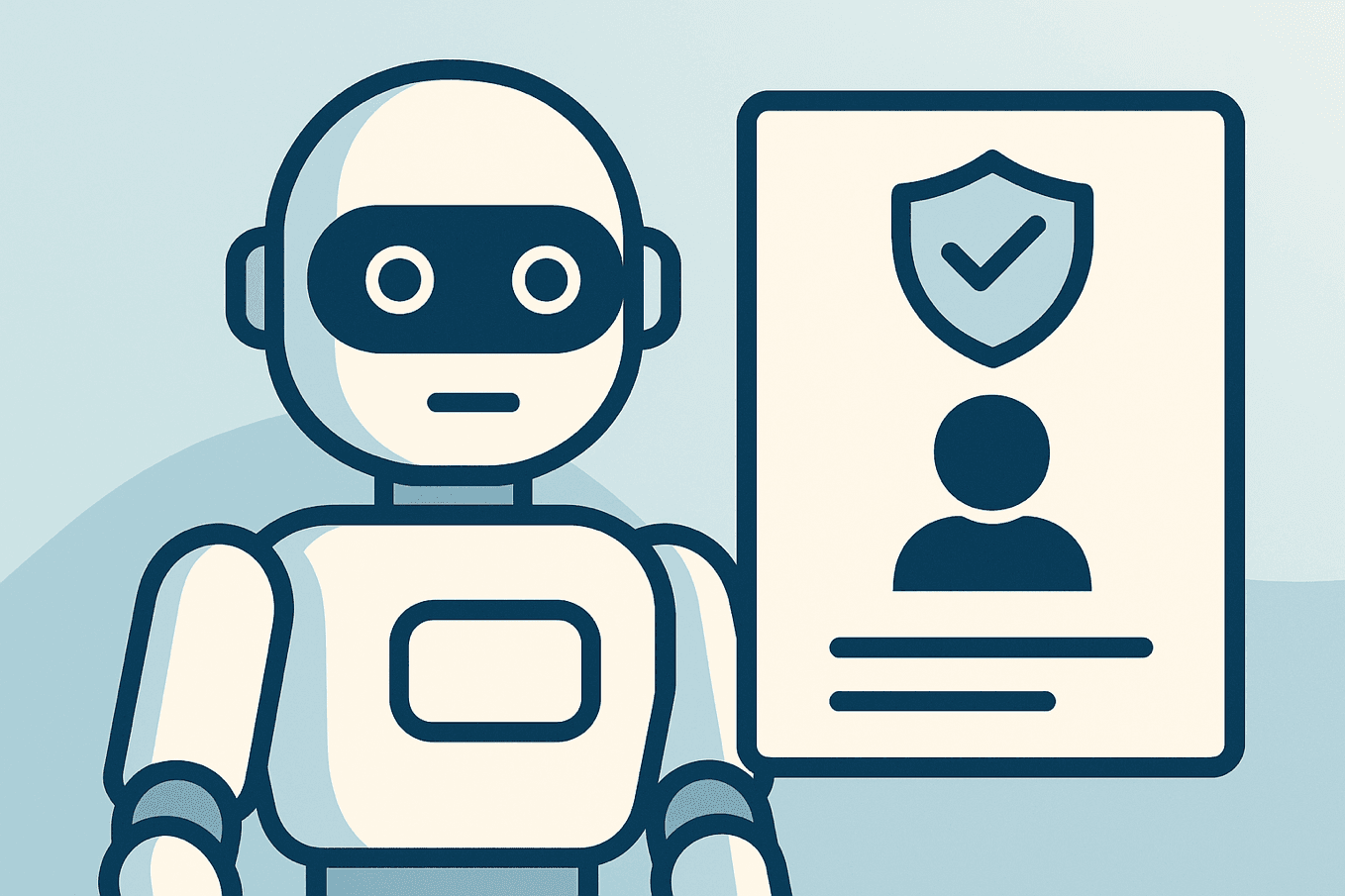
Concept illustration of a robot holding a digital ID card with a shield verification badge, symbolizing AI agent identity
News
AI Agents Get Their Own 'Sign in with Google': AgentMail Launches AgentID

AgentMail launched AgentID on October 6: agents log in to third-party apps using their own email as an OpenID Connect identity. The verification-code step disappears, one authorization lasts 180 days. Identity may be the real watershed between agent toys and agent production.

AI CodingProduct LaunchAuthentication & Access
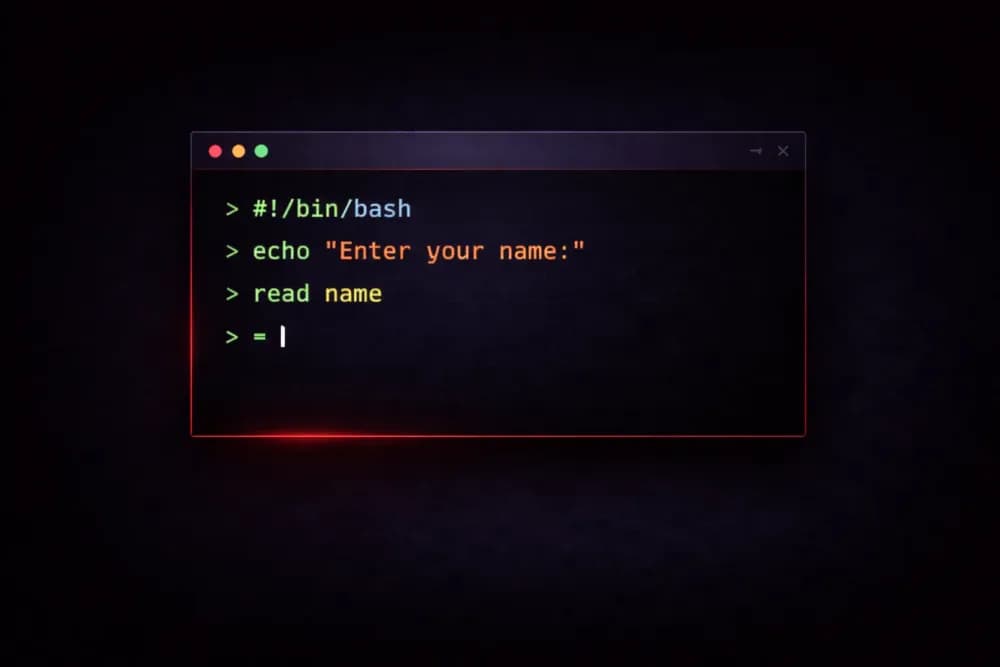
A terminal window showing a command-line interface on a dark background
News
HashiCorp Founder Writes a New Terminal Protocol: Stop Guessing What Your Agents Are Doing

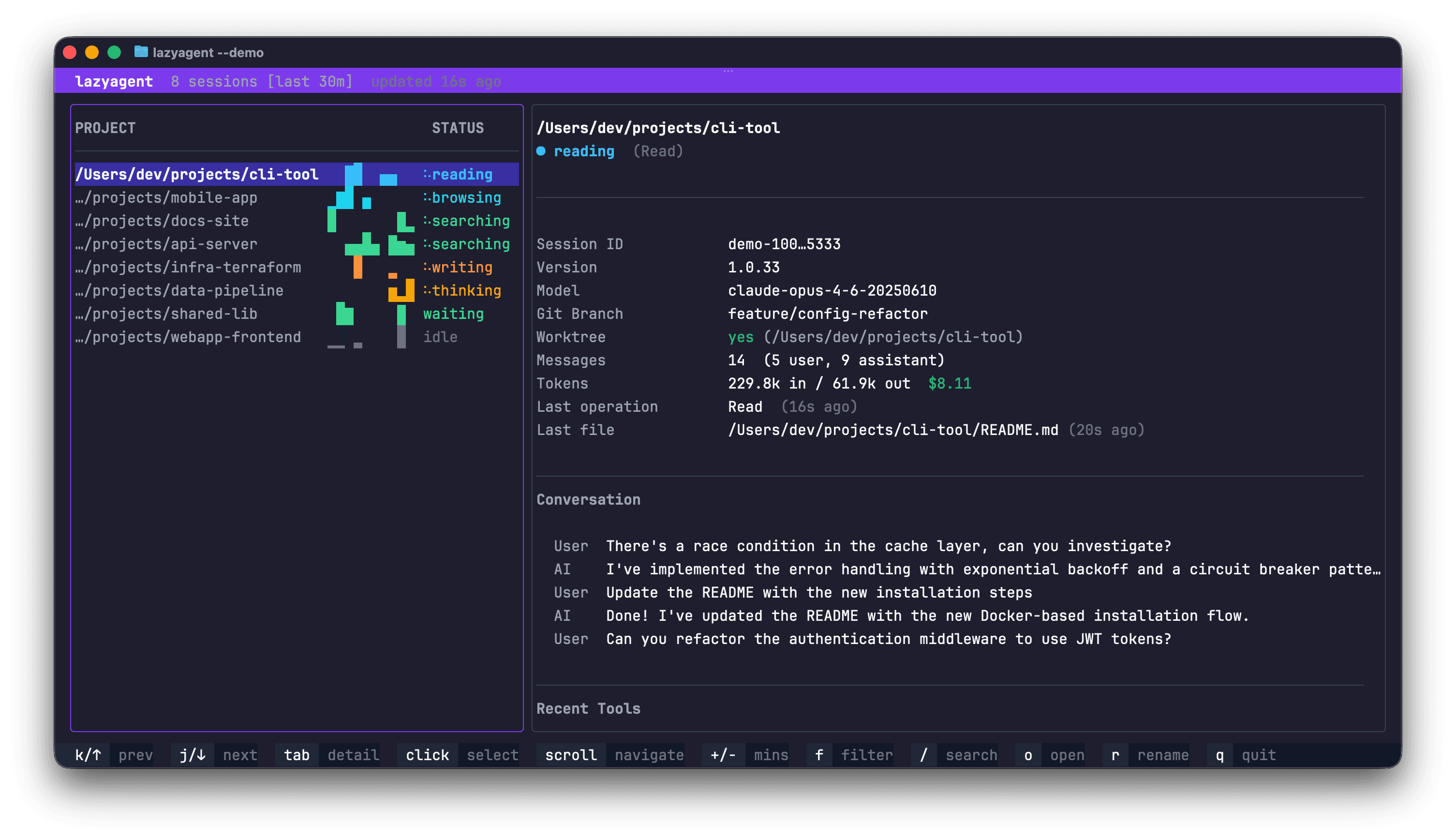
Mitchell Hashimoto published OSC 7501, the "Program Status Protocol": any program can report via a terminal escape sequence whether it is idle, working, blocked, or done — and why. The motivation: people running N coding agents today can only "read the screen and guess." He wants to turn guessing into knowing. Ghostty already implements it, with a dozen-line PoC for Claude Code and Codex.

Developer WorkflowTool TipsOpen-source Projects
Two developers collaborating around a screen displaying code
News
Atlassian Launches AMP: AI-Written Code Can No Longer Hide

On October 7, Atlassian launched the Agentic Multiplayer Protocol (AMP): AI agents get an "identity," and codebases precisely record what humans wrote versus what agents did, across Claude, Codex, Figma, and Rovo. Bundled with the Teamwork Graph code index, the Rovo Work long-task mode, and EU-only inference. As vibe coding enters the enterprise, "who wrote the code" turns from vanity into compliance and cost.

Industry TrendsDeveloper WorkflowSecurity & Privacy
Multiple AI coding agent sessions running side by side on a dark terminal interface
News
Codex Issues a "28-Day Pledge": One Improvement a Day, or a Usage Reset for Everyone

On October 4, OpenAI's Codex engineering lead Tibo made a public pledge: for 28 days, ship one clear improvement every day for most Codex and ChatGPT Work users — on days the team fails, everyone gets a usage reset. Day 1 brought ~50% faster GPT-6 Astra / 6.1 Sol by default, Day 2 made Auto-review free for ChatGPT sign-ins, Day 3 put GPT-6 in the chat tab. This is an experiment in turning product iteration into a daily series.

AI CodingIndustry TrendsProduct Launch
Data visualization charts of a global developer survey with code elements
News
Stack Overflow 2026 Survey: AI Adoption Plateaus, Trust Turns Conditional

Stack Overflow published its 16th annual developer survey on October 6: 30,000+ respondents across 169 countries. 66% use coding assistants, 26.2% already run automated agent workflows; but trust has shifted — nearly half only trust AI when they can verify its work, and just 6.6% would entrust it with important decisions; 30% say workplace AI use is left to individual discretion. The official snapshot of vibe coding penetration in 2026.

Industry TrendsAI CodingLearning & Career
Interwoven text, image and audio symbols in a neural vector space
News
Google Ships EmbeddingGemma 2: A 740M-Parameter Local Multimodal Retrieval Powerhouse

Google launched EmbeddingGemma 2 on October 6: 740M parameters, Apache 2.0 open license, natively unifying text, code, images, video and audio into one embedding space; MTEB Code jumps from 68.76 to 78.68; the full multimodal build runs on-device at ~567MB quantized. RAG is a must-have layer in every vibe project — this free local retrieval foundation deserves a serious look.

Model UpdatesData WorkflowsOpen-source Projects
Multiple AI assistant cards working side by side in a code editor interface
News
Zed 1.22: A Different Brain for Every Subagent — Multi-Model Orchestration Moves Into the Editor

Zed 1.22 stable (Sep 30) builds multi-model orchestration into the editor itself: spawn_agent gains a model parameter so each subagent can run a different model; subagents get automatic context compaction; GPT-6.1 Sol gets BYOK and Grok 4.7 becomes xAI's recommended default. For vibe coders who lean on subagent division of labor, this is a direct productivity change.

AI CodingDeveloper WorkflowProduct Launch