NVIDIA RTX Spark Ships in October: 128GB of Unified Memory Kills the VRAM Wall, Local Agents Go Consumer
In October, NVIDIA RTX Spark laptops and mini desktops start shipping from ASUS, Dell, HP, Lenovo, Microsoft Surface, MSI and more. The top config packs a 20-core Grace CPU, a Blackwell RTX GPU and up to 128GB of unified memory, hitting 1 Petaflop of FP4 compute. The real story: 128GB unified memory makes 70B-class models a standard option on a consumer PC for the first time.
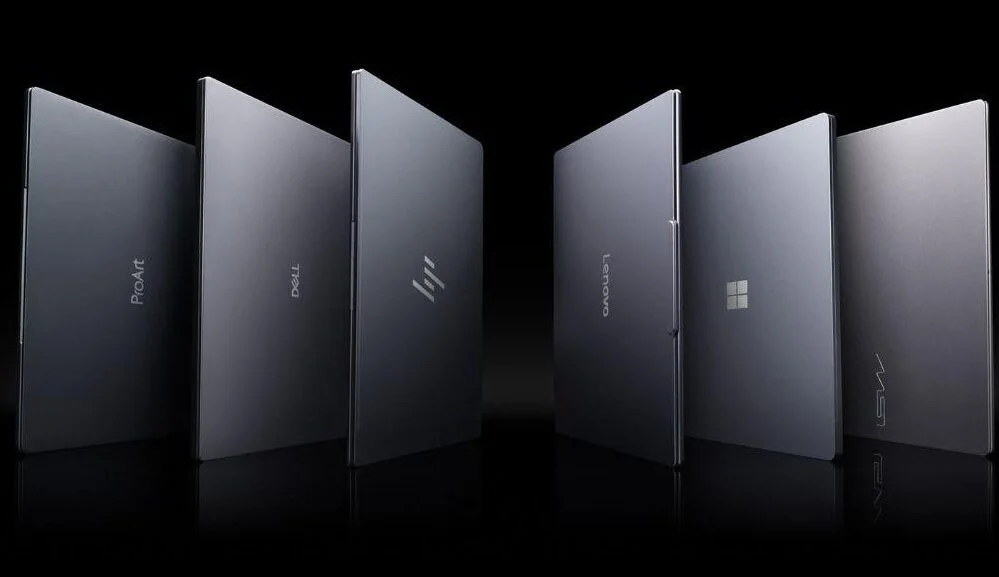
It's shipping: six OEMs at launch, Acer follows
The timeline first: NVIDIA and Microsoft jointly unveiled the platform on May 31, 2026, previewed it at Computex, showed it publicly at IFA Berlin in early September, and on September 3 Reuters reported Lenovo and Acer confirming an October launch. Now October is here: RTX Spark laptops and mini desktops are shipping, with ASUS, Dell, HP, Lenovo, Microsoft Surface and MSI in the first wave, and Acer and Gigabyte in the second.
The top spec: a 20-core Grace CPU plus a Blackwell RTX GPU (6144 CUDA cores) with up to 128GB of LPDDR5X unified memory, up to 1 Petaflop of FP4 compute, running Windows 11 on Arm. NVIDIA also introduced Personal AI Router (PAIR), which pools compute from multiple RTX PCs on the same LAN for distributed inference — one machine not enough? Add another.
The real killer isn't compute — it's 128GB of unified memory
One Petaflop sounds impressive, but the number that actually matters for local agents is 128GB. The old dead end for local models was the VRAM wall: a consumer GPU offers 12–24GB of VRAM, and a 70B-class model (~140GB in FP16) simply doesn't fit — you needed workstation GPUs or a Mac Studio and still lived with bandwidth bottlenecks. Unified memory merges the CPU and GPU memory pools, and 128GB makes 70B-class models a standard option on a consumer PC for the first time, not a hobbyist project.
That's a phase change for agents: what local agents hunger for most is context window and resident memory. An agent that's on 24/7 and remembers your entire codebase used to be a cloud-subscription privilege. Now it can live on your desk.
Three reasons local agents matter: privacy, cost, latency
One, privacy. Code never leaves your network. For teams with compliance requirements, this is the first time local deployment matches the cloud on experience — no more feeding private repos to someone else's API.
Two, cost. An always-on agent billed per token is a bottomless pit. A monitoring, organizing, auto-fixing agent running 24/7 racks up continuous charges in the cloud; locally, electricity is the only marginal cost. For heavy users, the payback math may be faster than you'd think.
Three, latency. Tool calls with no network round trip. An agent makes dozens or hundreds of tool calls per task; saving 200ms each adds up to hours of waiting saved per day — and waiting is the most grinding part of the agent experience.
Cool down: three hurdles for the first generation
First, price: NVIDIA still hasn't announced official pricing; analysts estimate around $2,899 for high-end configs — unofficial numbers. Until real prices land, every value discussion is theoretical.
Second, compatibility: the Windows 11 on Arm software ecosystem is still catching up, and first-generation buyers will likely experience x86 emulation overhead and occasional compatibility quirks firsthand. Check whether your core dev toolchain runs smoothly on Arm Windows before paying.
Third, precision: that 1 Petaflop is an FP4 number. How much low-precision inference degrades an agent's code quality has no large-scale measurement yet. Great benchmarks don't equal great real-world work — those are different things.
Practical advice for vibe coders: don't buy this month — measure first
If you're tempted, take it in two steps. Step one: validate the need on your current machine this month. Install Ollama, pull a 7B or 14B model, wire it into n8n for one real workflow — say, auto-triaging issues or summarizing PRs daily. Measure two numbers: real-world tokens/s, and how much time the agent actually saves you. If a 7B model on your existing machine is already enough, RTX Spark is a nice-to-have for you, not a need-to-have.
Step two: wait for three things before deciding — official pricing, real-world tests of your toolchain on Windows on Arm, and third-party evaluations of agent output quality at FP4/low precision. First-generation hardware is always for people who can't wait; those who can usually get a better second generation.
Our take: personal computing is swinging back from "cloud-first" to "local-first"
For a decade, personal computing ran on a "cloud-first" logic: compute lives in data centers, terminals get thinner. RTX Spark points the other way: when models fit in 128GB and agents need to be always on, "local-first" becomes rational again. Huang calling it a "personal AI agent platform" is itself a declaration — the PC is no longer a window into cloud AI; the PC is AI's home.
For vibe coders, the real watershed isn't one machine's shipment — it's the day "running big models locally" stops being a hobbyist pursuit and becomes the default. The October RTX Spark launch is the first loud signal that day is arriving.
Sources
Related articles
Cloudflare's Birthday Week blog makes the case plainly: GitHub was designed for humans writing code; the agent era needs the collaboration layer reinvented. Artifacts enters open beta with a repo for every agent, plus a developer competition — $25,000 in credits for first place, deadline October 14. This is the first time a major infra vendor has put 'infrastructure for agents writing code' on the table as a public proposition.
Anthropic released Claude Haiku 5.5 on October 7, calling it its "cheapest, fastest, and most capable small model." But the real story isn't the discount — it's a "100K-token price cliff": prompts under 100K tokens get roughly 90% off, while longer ones get only about 50%. Anthropic is using pricing to teach you to break big tasks apart — the small-model battlefield is shifting from "chatting with you" to "being orchestrated by bigger models."
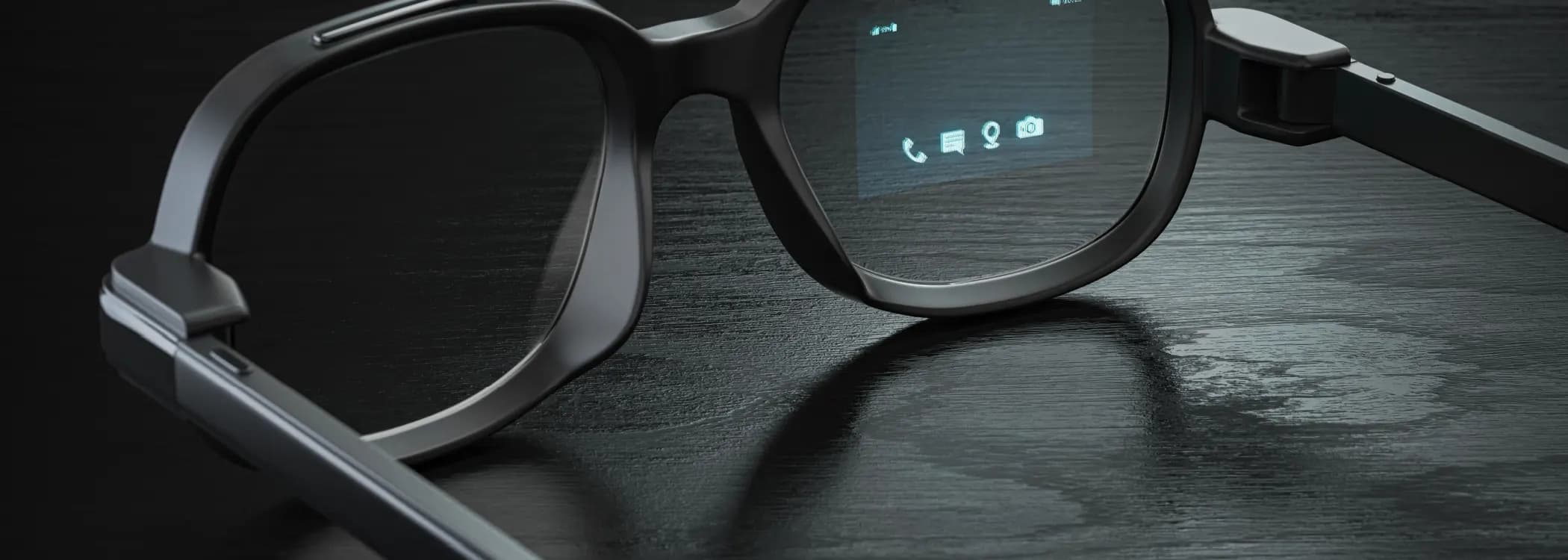
Sesame's October 6 update: the new voice assistant rolls out fully on iOS and Android with a brand-new voice model. Each voice agent gets its own computer — schedule Devin, Claude Code, or Codex with your voice while out for a walk. Smart glasses land in 2027; the voice OS ambition is on the table.