Replit Hands Its Default Slot to OpenAI: the New Battleground Is the Default, Not the Menu
Replit CEO Amjad Masad said at TC Disrupt that OpenAI replaces Anthropic as the default for Replit Agent — cost, partnership, performance. Claude stays on the menu. Why the default slot, not the breakup, is the real story.
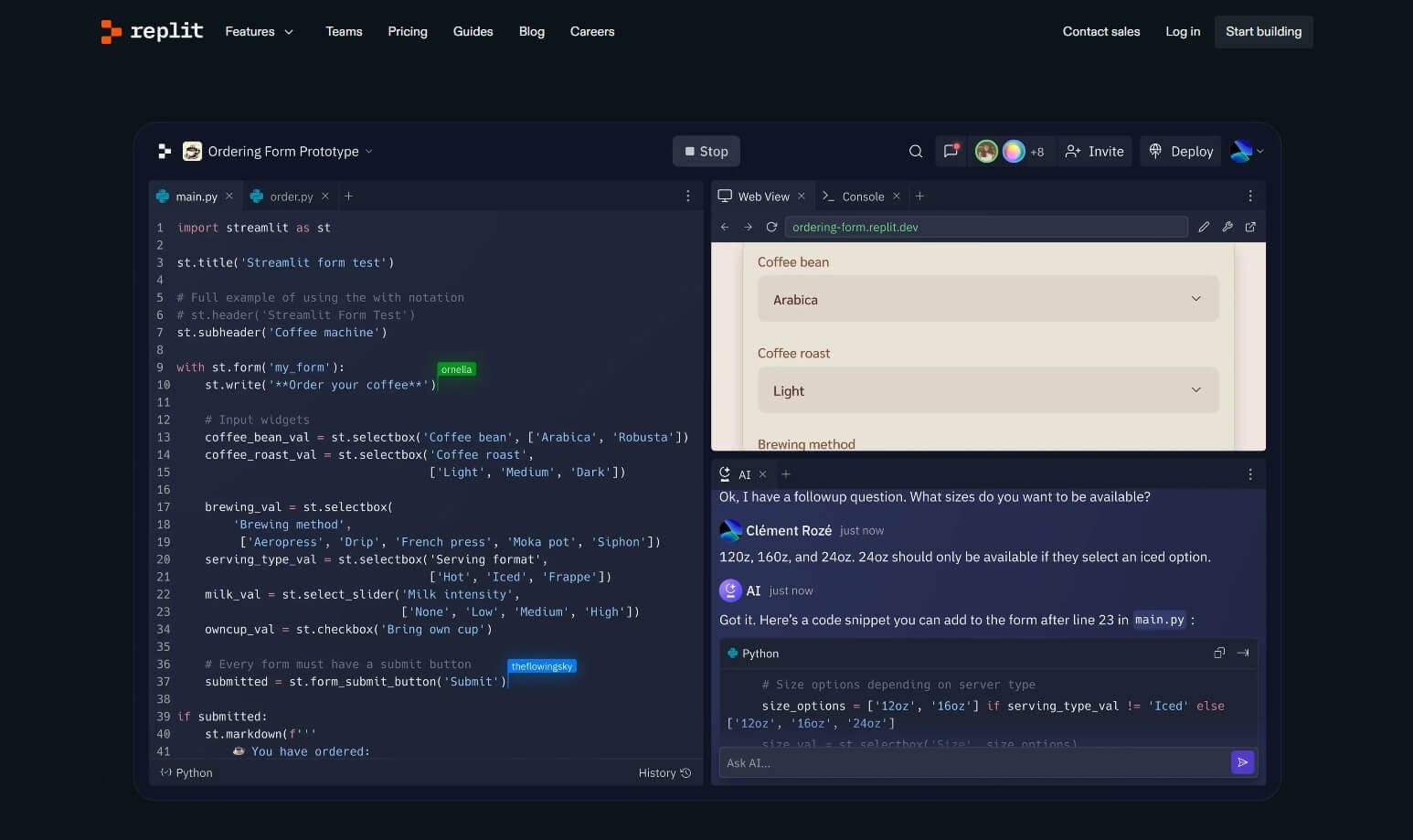
Last Thursday, onstage at TechCrunch Disrupt, Replit co-founder and CEO Amjad Masad dropped a small bombshell: Replit is no longer working with Anthropic — OpenAI's ChatGPT is now the default model for Replit Agent.
His words: "I think ChatGPT is better now." Three reasons: cost, partnership, and performance. He cited evidence: Replit runs an internal benchmark and publishes a public one, and "consistently, Sol and Astra perform better on building vibe-coded applications from scratch."
But the interesting part isn't who won. It's the gap between what Masad said onstage and what he said offstage — and the thin crack between the two.
Decisive onstage, diplomatic offstage
Onstage, Masad's framing was "no longer working with Anthropic." Many read it as a clean breakup. But TechCrunch's follow-up reporting quickly added the other half: after Disrupt, Masad clarified that customers can still choose Anthropic's Claude or other supported models — ChatGPT is simply the default now. His full line: "Replit remains model agnostic… OpenAI is now our preferred partner for powering Replit Agent, based on performance, economics, and the strength of our partnership."
People on Anthropic's side don't accept the "breakup" framing either. One person familiar with the relationship, speaking anonymously, told TechCrunch the partnership is still in place. The paper trail backs that up: a late-September Replit blog post described Claude Fable 5 and Fable 5.1 running in Replit Agent's production environment; the October 2 changelog added both GPT-6.1 Sol (Max Mode) and Claude Sonnet 5.5 (Power Mode); and the day after the Disrupt talk, the October 16 changelog gave Core and Pro users Claude Haiku 5.5 in the Power Mode model selector.
So the accurate summary is: OpenAI won the default slot and the "preferred partner" title; Claude stays on the menu. No breakup — but the seating order changed.
Why the "default" matters more than the "breakup"
Here's a truth every platform person knows but rarely says out loud: most users never touch the model picker. TechCrunch made the point directly — because users stick with the default, the change could "significantly reduce Replit's spend with Anthropic." Masad himself admitted onstage that, until recently, Replit was one of Anthropic's top-five customers.
This is the new playbook of the 2026 model wars: the fight is no longer over "who gets integrated" but "who is the default." You can list ten models on the menu, but ninety percent of the traffic goes to the default. For a platform of Replit's scale — code and deploy from the browser, beloved by founders and indie developers — the default slot is a money printer for model vendors. OpenAI won it not just on model performance but on groundwork laid since the partnership announced in August, plus — as Masad added on X on October 17 — "OpenAI models are generally more affordable."

Rewind: how OpenAI won this round
Lay out the timeline and OpenAI's win looks less like luck and more like a campaign:
August: Replit announces its OpenAI partnership. Nobody thought Anthropic's position was threatened — Replit was built on Claude, and top-five-customer status isn't ceremonial. October 2: Replit's changelog ships GPT-6.1 Sol (Max Mode) and Claude Sonnet 5.5 (Power Mode) side by side — officially "dual-track," effectively letting users vote with their usage while collecting real-world data. October 15: Masad announces the verdict on the Disrupt stage: internal plus public benchmarks, Sol and Astra better at "building applications from scratch," and with cost and partnership factored in, the default changes hands. October 16–17: messaging converges to "preferred partner, still agnostic," calming Anthropic and existing users.
It's a textbook channel-capture play: enter under a partnership banner, prove value with data, then take the default slot. Anthropic didn't lose on model quality — Claude is still on the menu and nobody says it's bad — it lost on the commercial combination: OpenAI offered better pricing and a tighter partnership posture, and the enterprise story Masad needed (predictable costs, stable vendor relationships) is exactly what OpenAI could tell.
For Anthropic, the real loss isn't one customer's bill — it's the demonstration effect. Replit is the most representative vibe-coding platform; its vote tells the whole industry that in the "build an app from scratch" scenario, OpenAI's GPT-6 family can now go toe-to-toe with Claude. Will the default slots at Cursor, Lovable, and Windsurf become OpenAI's next targets? Anthropic's question has shifted from "are my models strong enough" to "are my channel relationships strong enough."
Vibe-coding platforms are becoming the "app stores" for models
Zoom out further. This marks a role change for vibe-coding platforms: they're no longer just "tools that use some model" — they're becoming distribution channels for models, something like the mobile app stores of a decade ago. Model vendors (OpenAI, Anthropic, Google) are the developers; Replit, Cursor, Lovable are the stores; and the "default model slot" is the featured placement on the homepage.
In this new landscape, a few judgments are worth writing down:
First, "model agnostic" is becoming rhetoric. Nearly every platform claims it, but there's only one default slot — agnosticism is menu decoration. Users say they want choice; their behavior stays on the default. To know a platform's real position, look at the default.
Second, "building applications from scratch" is becoming its own benchmark dimension. The benchmark Masad kept citing isn't a code-completion score like SWE-bench — it's "make an app from nothing." That's the core vibe-coding scenario, and it shows model evaluation splitting off a "make products" track from "write code." Model selection may soon require two different report cards.
Third, cost is becoming the decisive variable in the default-slot fight. Performance gaps are narrowing — frontier models from every lab are usable in vibe-coding scenarios — and that's when "cheaper" becomes the straw that breaks the camel's back. Replit's math is pragmatic: the same default experience at lower inference cost converts directly into margin.
What it means for indie developers
Short term, Replit users will barely notice — the Agent works the same, only the default model underneath changed. Long term, two things deserve attention.
One is that the shape of platform lock-in has changed. We used to worry about "my code is locked into a platform"; now the worry is "my agent workflow is locked into a default model's behavior." When a platform can swap the default model overnight, your prompt tricks and debugging habits may need recalibration. Writing key workflows in a model-agnostic way — explicit instructions, externalized context — is safer than betting on any single default.
Two is that enterprisation is reshaping these platforms. Masad also revealed onstage that enterprise revenue grew from 2% last year to 15% this year, B2B is over half of revenue, and he expects enterprise plus government customers to contribute more than half in 2027. Vibe-coding platforms are turning from "personal toys" into "enterprise tools" — and enterprise customers care most about cost predictability and vendor relationships, exactly the two dimensions OpenAI won this time. The free and cheap tiers indie developers enjoy are increasingly subsidized by the platforms' enterprise business.
Back to Masad's other onstage line, about the "habitat" agents need: good orchestration, good error recovery, good safety and security and sandboxing, good networking, good identity and authorization. "Once you figure all of that out, then you can deploy AI safely." Fair enough — but the October 15 drama is a reminder: the landlord of the habitat can change tenants, and landlords never need your permission to do it.
Comments (0)
Sources
Related articles
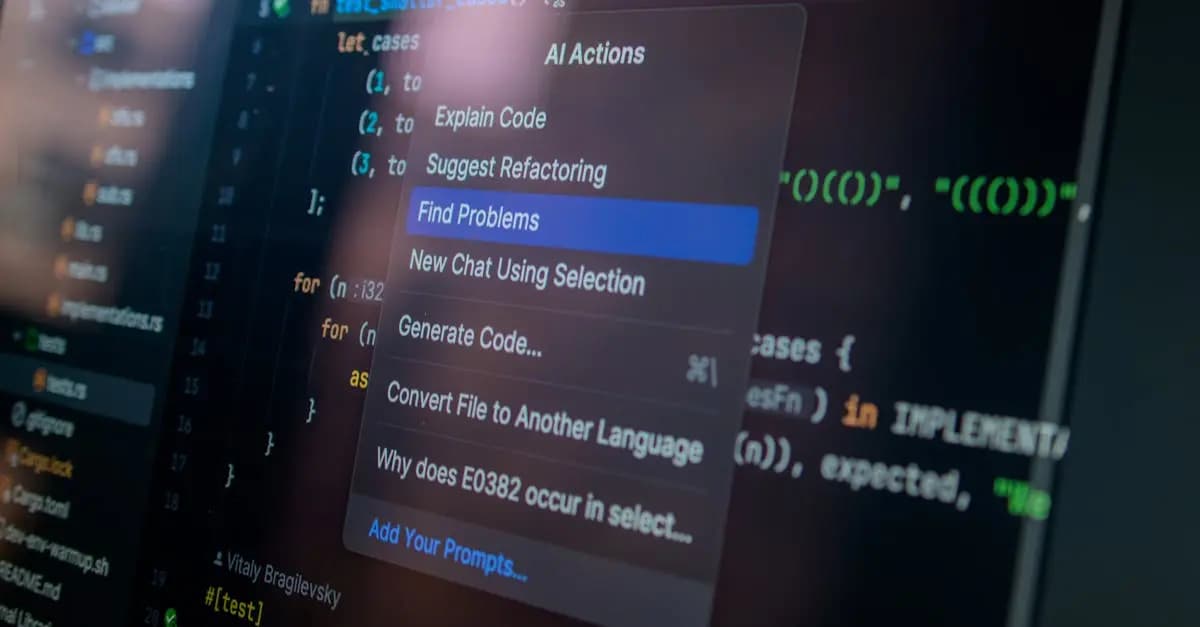
Claude Code 2.1.299+ auto-compacts 200K+ token conversations left idle ~54 minutes — right before the 1-hour prompt cache expires. A cost-engineering move, but lossy: here's what it discards and when to turn it off.
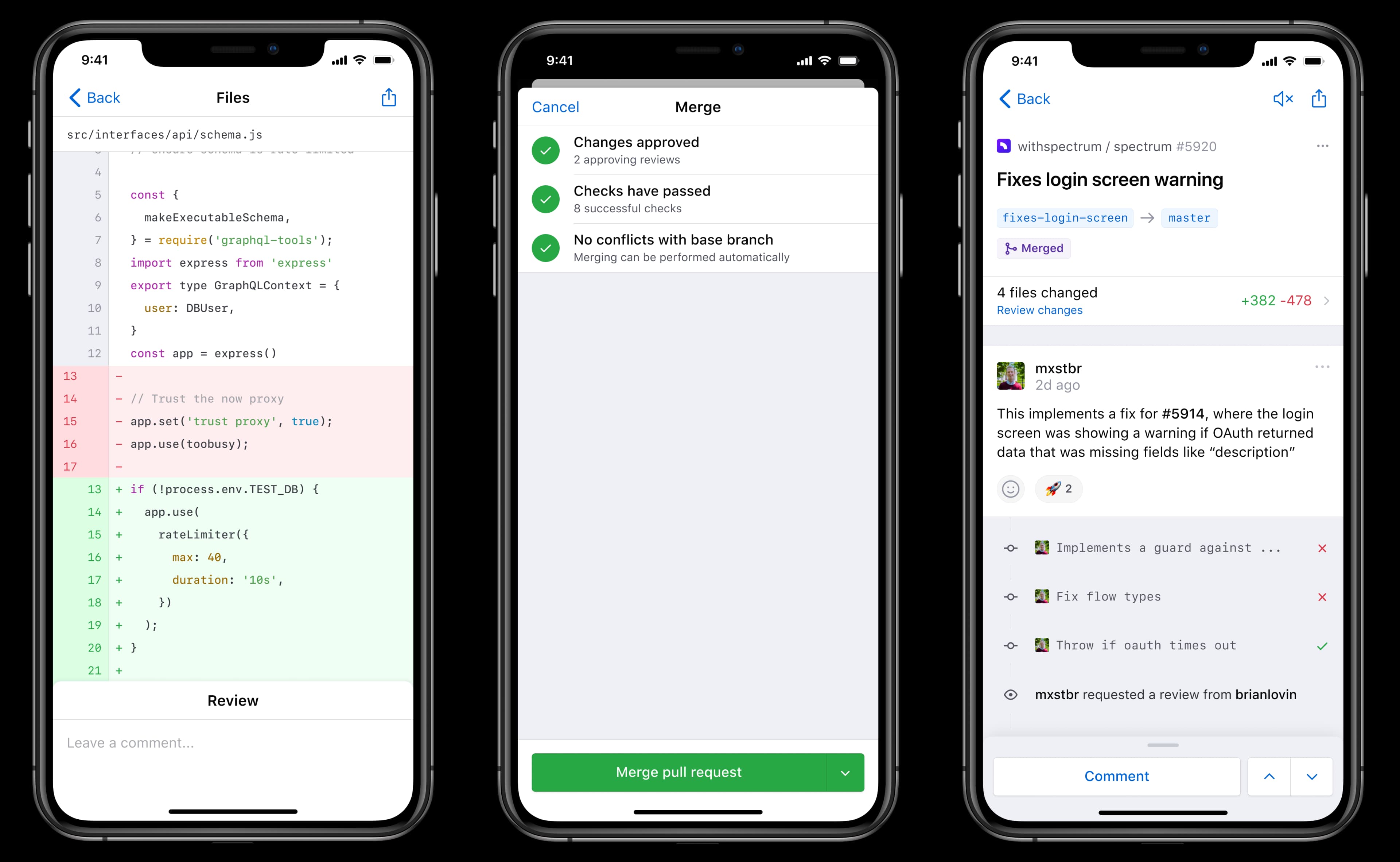
GitHub's license compliance checks are GA for Enterprise Cloud — with ruleset merge gates and a new API so coding agents check package licenses before recommending them. Compliance moves from after-the-fact review to before-the-fact policy.
Anthropic quietly pitched Congress a draft AI safety bill: the government could block a model only above $1B in damages or 50 deaths. The safety-branded lab wrote the narrowest federal framework yet — here's the strategy behind it.