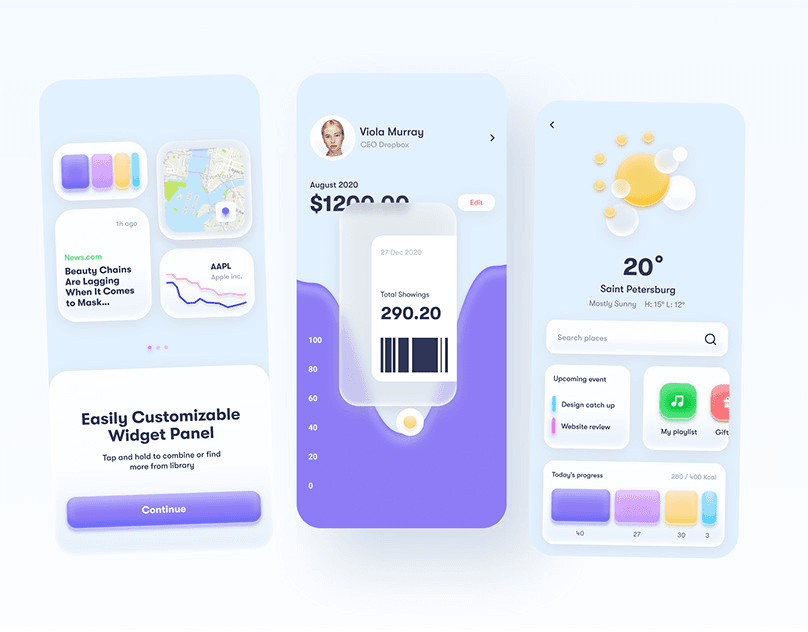
Why do AI-generated interfaces always have that "flavor"? Purple-blue gradients, rounded cards, emoji everywhere. Taste isn't talent — it's rules that can be written down: lead with references, design tokens first, typography decides 80% of the look. AI has no taste, but it can execute yours.
VIBEFIX GUIDES
AI Coding Guides
Practical knowledge for tools, deployment, workflows, and building projects.
The author feels it is 'about done,' launches, and discovers users cannot use it at all — beta testing exists to catch that earlier. This guide covers validation questions, three-wave rollout, structured feedback, a clear exit bar, plus recruitment scripts, a metrics dashboard, and rescues for three classic beta deaths. Examples are fictional.
AI made building cheap and building right expensive. A field-tested user interview playbook: the five-person recruiting rule, Mom Test questioning, 20 ready-to-use questions, a 30-minute interview structure, affinity mapping and a pain-ranking matrix — plus a lightweight 4-interviews-a-month SOP for solo teams.
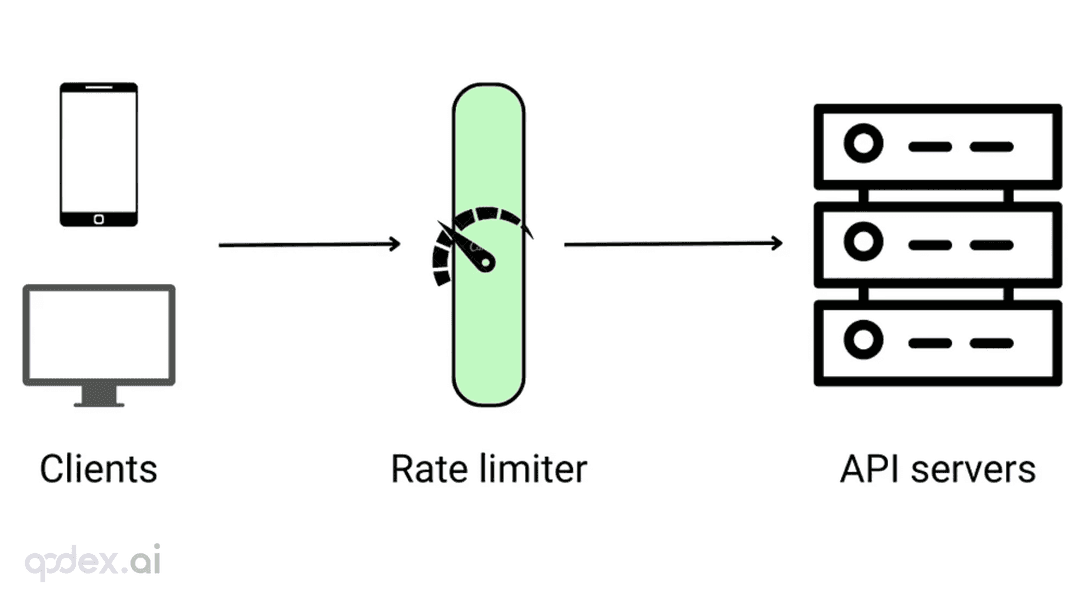
Every public endpoint will be called beyond your expectations some night. This guide builds a one-person-team rate-limiting system: algorithm choice (sliding window vs token bucket), four-layer defense, AI-endpoint money-burning protection, quota design, 429 response conventions, false-positive triage, and a launch checklist.
Every AI page rewrite can silently shift layouts: 8px button drift, white-on-white dark mode, collapsed breakpoints — while E2E stays green. This guide gives solo teams a half-day Playwright screenshot setup plus four false-positive countermeasures.
The more autonomous agents get, the more they need to be seen. But the traditional "logs + metrics + traces" trio barely suffices for agents — the question is no longer "where is the system slow" but "why did it do that." This hands-on guide gives a four-layer architecture (decision logs, trajectory replay, guardrail events, cost attribution), the three most common traps, and a four-week minimal rollout plan. The thesis: agent observability isn't logging — it's an auditable decision chain.
It's 1 a.m. You've pasted the same error to the agent six times; each time it says fixed, each time it isn't. That's doomcoding: the doom-scrolling habit applied to AI coding. This guide explains the concept, three signals to spot the loop, what four studies say about it, and a five-step escape — the agent does the typing, you do the reading; get the order right and you keep both speed and safety.
In the agent era, documentation's first reader is no longer human — it's AI. A docs strategy written for AI (CLAUDE.md, SKILL.md, ADRs) halves agent mistakes and makes your project easier to hand over.
Can't write code — so where exactly is the barrier in vibe coding? This is lesson one for pure beginners: which tool to pick, what to build first, how to describe requirements, what to do when you see an error, and when to pause and learn some basics. One goal: by this weekend, you ship your first webpage and send the link to a friend.
Amazon runs meetings on six-page narratives; vibe coders can kick off with a README. This guide covers the README-first workflow: write the user-facing docs, then have AI implement to spec — forcing clarity before a line of code, halving rework.