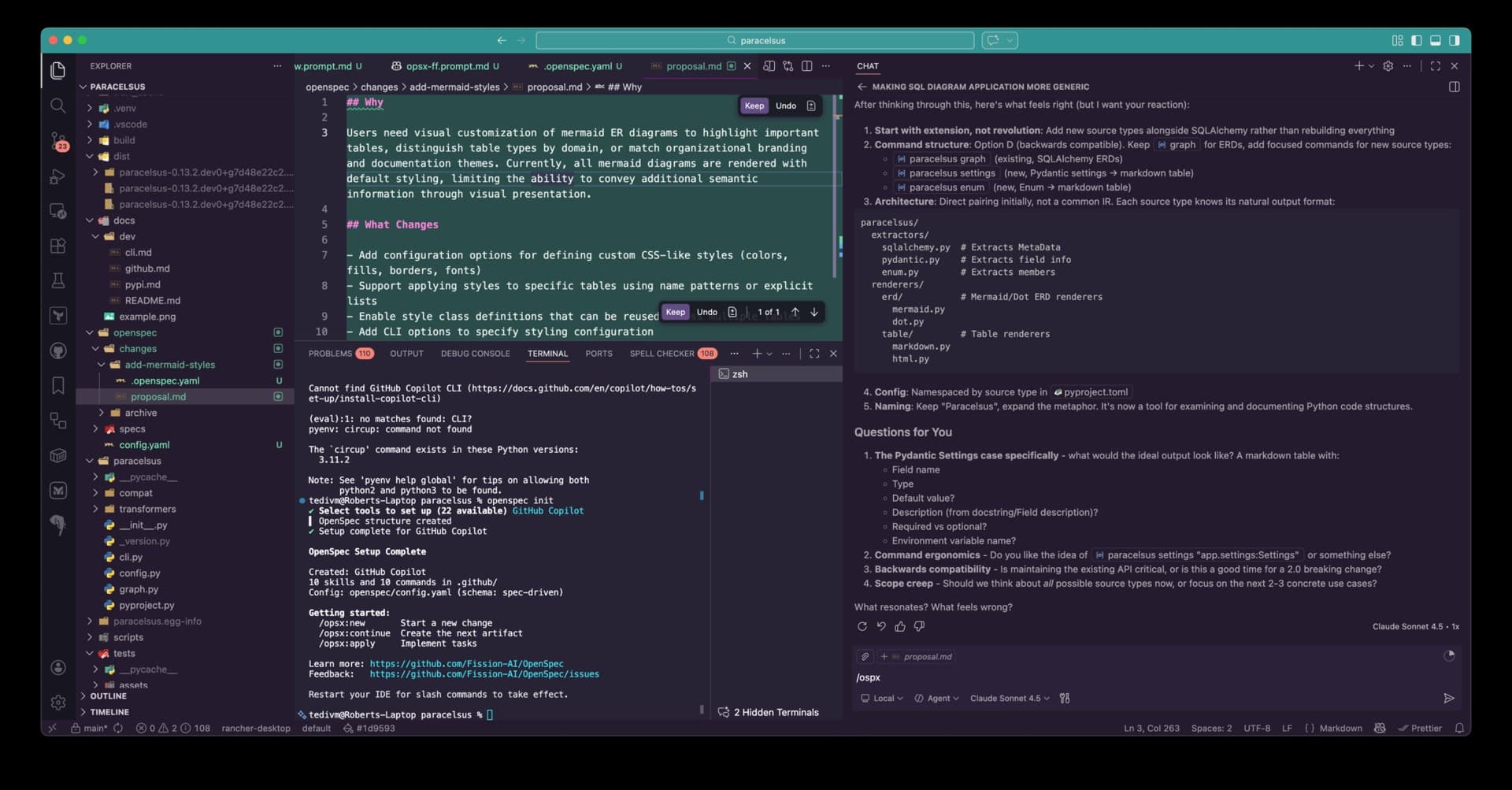
Stack Overflow's engineering blog (Oct 7) argues the agent is the model plus its harness - and the model is maybe a tenth. Evidence: LangChain's agent jumped 52.8% to 66.5% on Terminal-Bench 2.0, from outside the top 30 to the top 5, changing only the harness. The essay prescribes six artifacts - constitution, autonomy boundary, tiered CONTEXT.md, durable memory, a multi-lens review panel, a PostToolUse hook - plus multi-agent coordination via shared state and an append-only decision log.
VIBEFIX NEWS
AI Coding News
Original perspectives on tools, frameworks, open source, and the creator ecosystem.
On October 1, 2026, Google suspended product-vulnerability submissions to its OSS bug bounty program, blaming a surge of automated, mostly invalid reports. Behind the pause lies the vibe coding era's hardest contradiction: AI drove the cost of finding vulnerabilities to near zero while dumping the entire validation cost onto human reviewers. What it means for AI-powered bounty hunting — the era of spray-and-pray AI vuln hunting is over.
Cognition gave Devin Memory and Dreaming — and open-sourced Agent Memory Repo, a standard that treats agent memory as a git repo of interlinked Markdown notes. Clone, search, update, push: every session follows the same loop. The community split 45/40/15 on daily.dev, and the release lands as the affirmative answer to the 'memory plugins vs. documentation' debate.
Agnes AI has open-sourced Agnes Harness (AGH) — agent execution infrastructure for real-world tasks with continuous execution, trajectory replay, plugin/MCP extension and Skills sedimentation — plus the MHS device protocol that brings agents into the physical world. Agnes 3.0 Pro also posted 91.11 on GPQA and 56.13 on SciCode. Our take: the agent battlefield is sinking from models to the execution layer, and whoever controls that layer defines how agents work.
SemiAnalysis reviewed 857 model releases from nine leading Chinese AI firms and found only 3.6% published safety evaluations. For vibe coders who hand agents database access and MCP tools daily, that black-box waterline deserves a second look — plus four practical defenses.
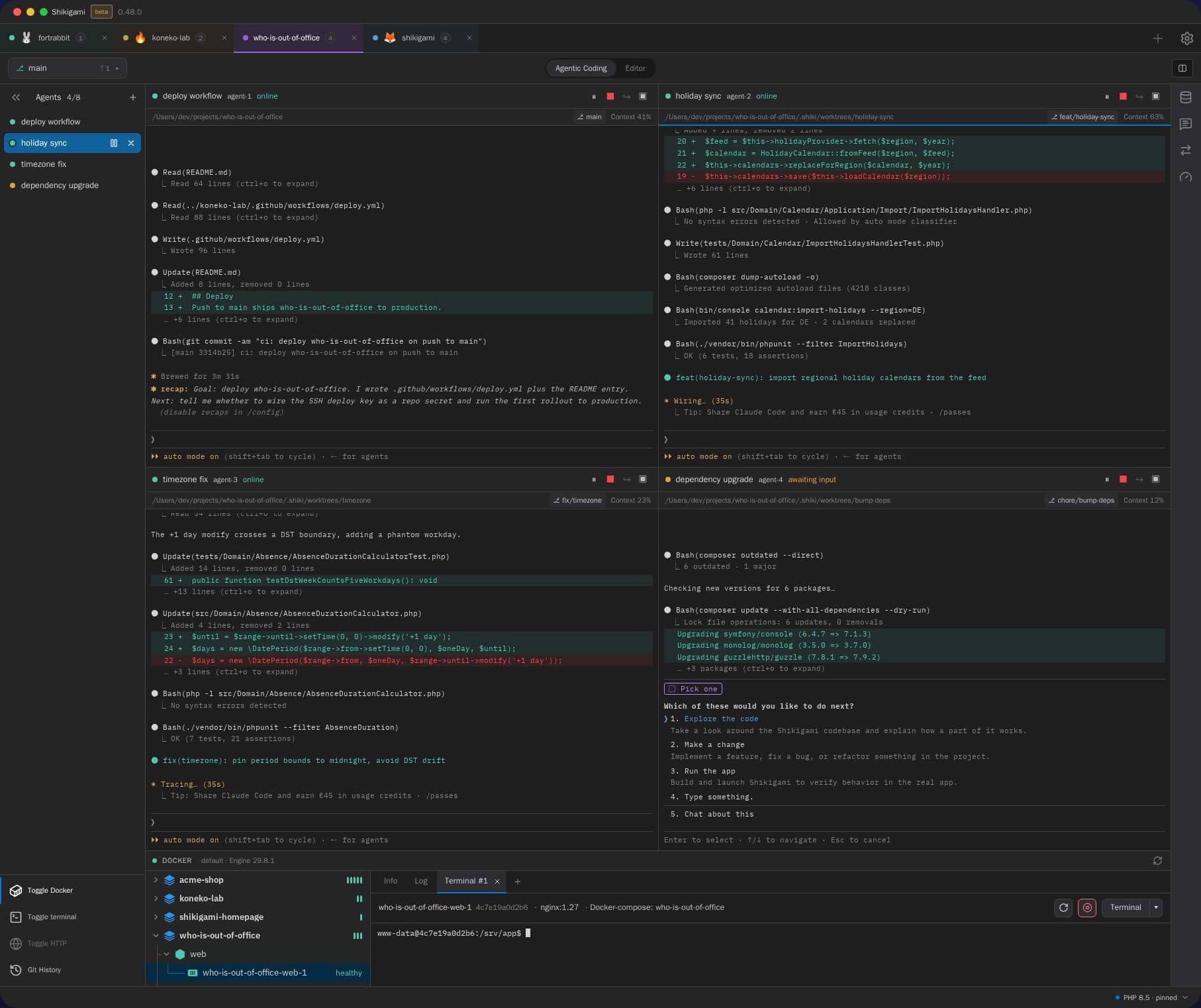
Pervaziv AI announces a major Cortex expansion: the proactive Pulse agent watches repo changes, Workflow Recipes turn successful collaboration into reusable templates, and isolated Git worktrees enable multi-agent orchestration. Against Claude's 1,000-subagent route, our take: the next agent race is about collaboration discipline, not model power. Based on the official press release.
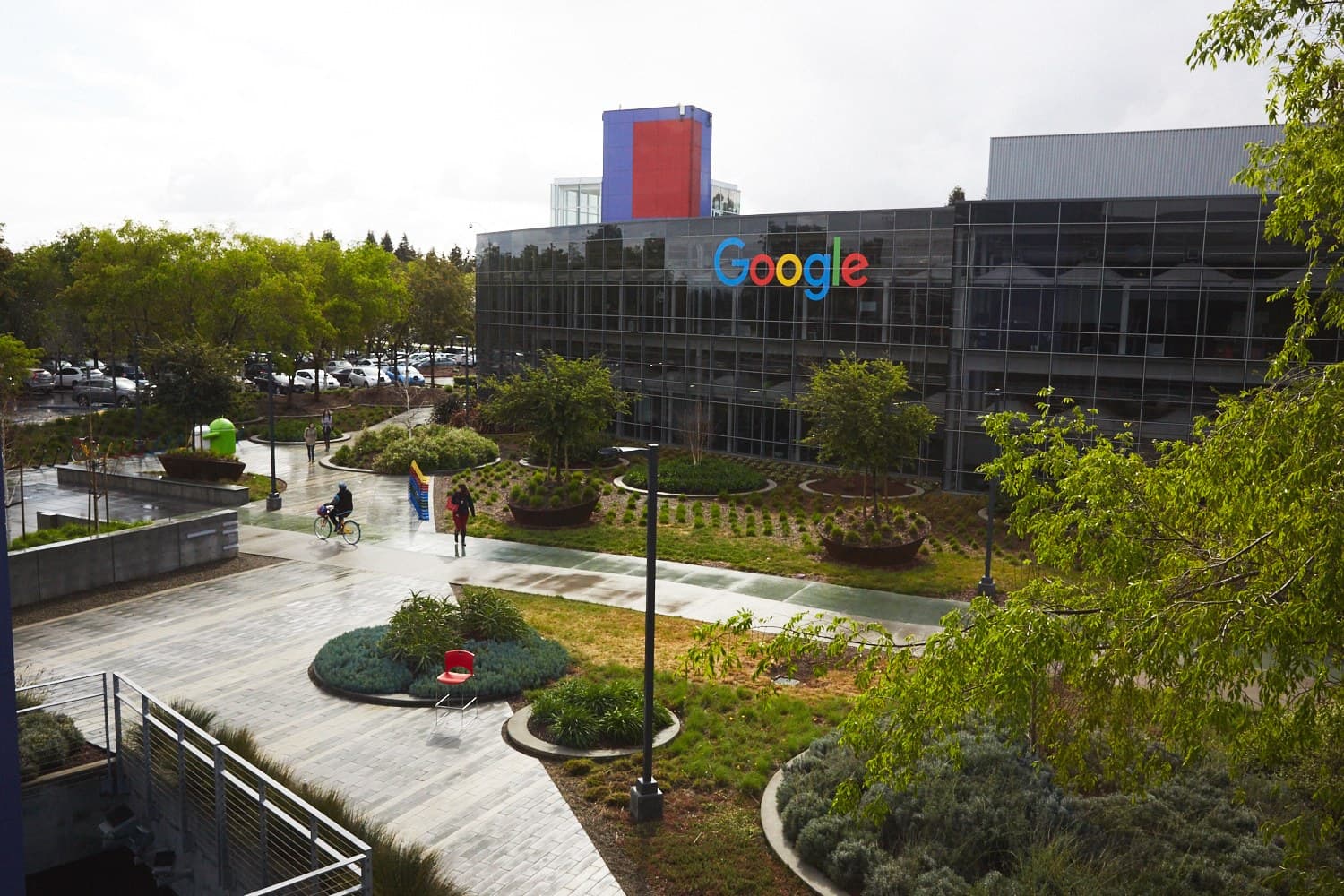
In an October 9 release-notes announcement, Google ended new sales of Gemini Code Assist Standard and Enterprise subscriptions: existing subscriptions auto-renew through 2026, with auto-renewal ending in 2027. From June's individual-tier shutdown to October's full sales halt, Google spent five months absorbing AI coding into the Antigravity enterprise agent platform. The era of standalone AI coding tools is ending; indie developers must now choose ecosystems, not single products.
Codex CLI 0.161.0 ships in-session MCP login, new Bedrock capabilities, and explicit Daybreak opt-in; GPT-5.5 retires from Codex on all plans October 14. This piece breaks down the four confirmed changes and gives a pre-October-14 migration checklist — from grepping your configs to pinning models.
On October 8 Anthropic launched the Cyber Mission: the Critical Infrastructure Defense Program (CIDP) — deploying frontier Claude models, engineers, and threat research to power grids, water, and transport via 11 founding partners — alongside a free OSS scanner. With Project Glasswing's 129,000 verified vulnerabilities as evidence that AI has collapsed the cost of finding bugs while fixing stays slow, CIDP marks the turn from AI writing code to AI guarding code.
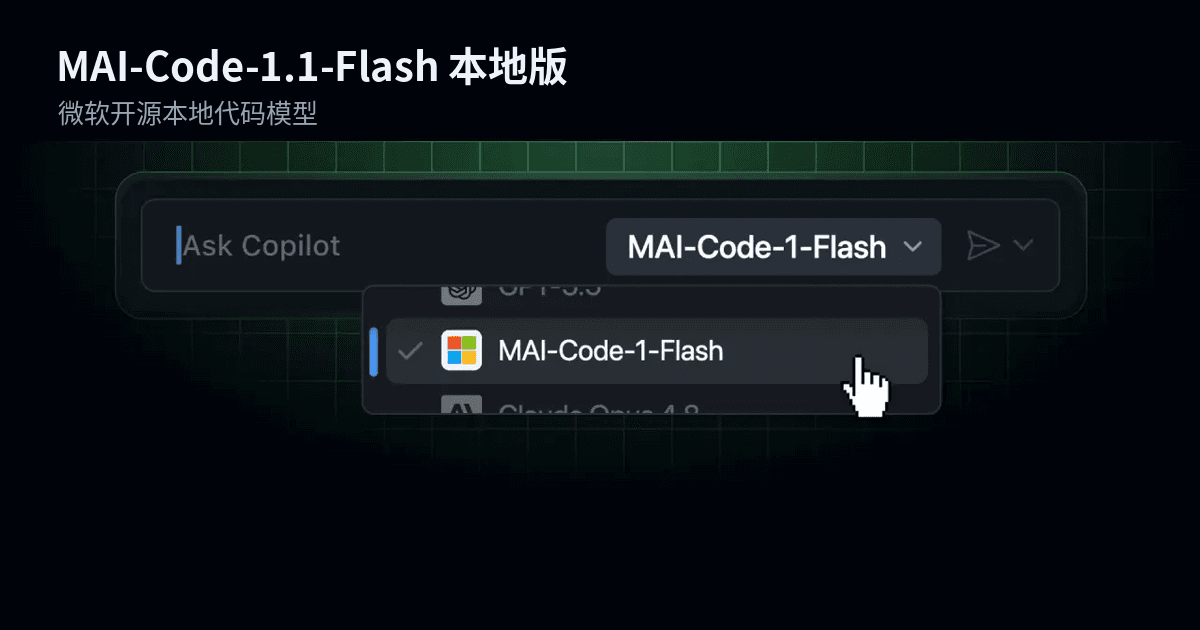
Microsoft's homegrown coding model MAI-Code-1.1-Flash now runs on-device: 3-bit quantization, full 256K context, zero inference charges for local calls — but Microsoft recommends 120GB+ RAM. Third-party measurements put the quantized build at 70.80% on SWE-Bench Verified versus 72.6% full precision. What "zero inference fees" really means for indie developers, and why Copilot's router is the actual moat.