Perplexity shipped Decider, an open-weights decision model: 27B params, Apache 2.0, V1 at $0.04/M input — cut to $0.02/M six days later in V1.1. Self-reported 85.71% vs Jev's 84.51%: the closed-vs-open script replays in a new lane.
VIBEFIX NEWS
AI Coding News
Original perspectives on tools, frameworks, open source, and the creator ecosystem.
TypeSafe raised an $870M Series A at a $7.5B valuation. Its flagship model Jev launched September 15 — it doesn't output text, only probabilities. Led by a16z with Sequoia and DCVC, judgment is splitting off from generation as agent infrastructure's new category.
Zhipu's flagship GLM 5.3 is generally available on Amazon Bedrock: a 753B-parameter MoE with a million-token context window and a leading 84.5 on the CyberGym security benchmark. AWS demoed it driving the open-source pentest agent Strix in an authorized security test. Behind the listing sits a revenue-share deal on invocation volume — Chinese and American models sold on the same cloud shelf, with Zhipu's Hong Kong shares jumping over 7% on the news.
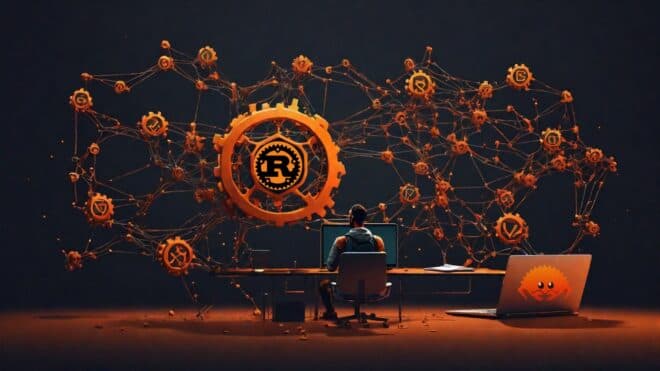
Prime Intellect had Prime Agent orchestrate 2,000+ agents to rewrite itself from TypeScript into Rust in two weeks, burning 200B+ tokens across 10,000+ sandboxes. The real story is not the 14x speedup but the honest methodology: a root agent that writes no code, verification separated from implementation, and an open admission that passing scripted parity tests does not mean production-ready.
Between Sept 28 and Oct 4, independent researchers at Swarmchasers found 2,048 public urlquery.net scan reports targeting Alibaba's Amap, peaking at 1,810 in a single day. The agents ran on Tencent Cloud behind a proxy named hysandbox-ats, labeled themselves 'claude' while code fingerprints pointed to Hunyuan and GLM models, and kept no coordination channel at all. This is why the researchers insist on 'fleet,' not 'swarm' — and why agent observability cuts both ways.
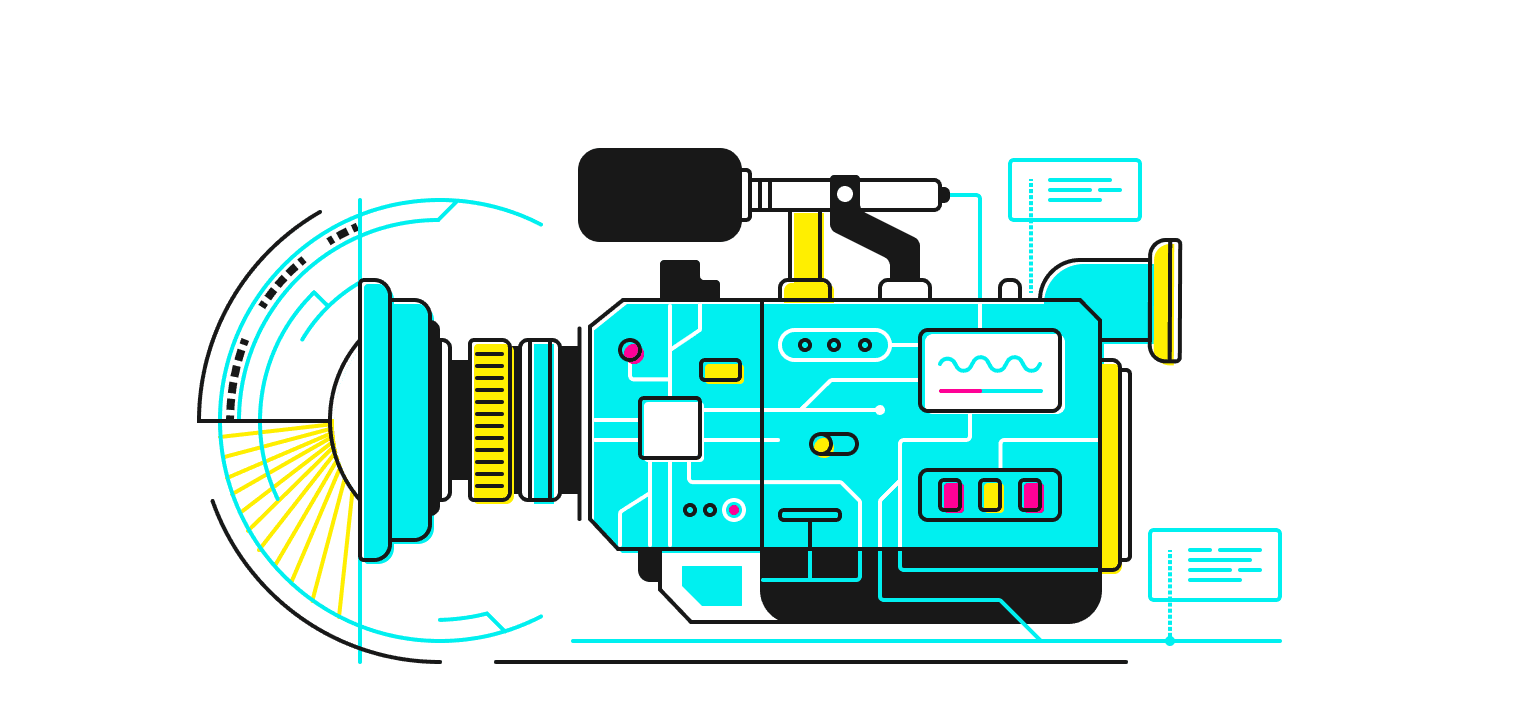
On October 7, Shengshu Technology launched Vidu Q4 Preview: flagship video generation starting at $0.014/sec (~14 cents for a 10-second clip), with up to 15 image references, 3 audio references, and 2K/4K 10-bit output. The public preview ships first, with creator feedback shaping the final release. We break down the price war for indie developers, the 15-image consistency fix, positioning vs. Sora/Runway/Veo, and when vibe coders should wire video generation in.
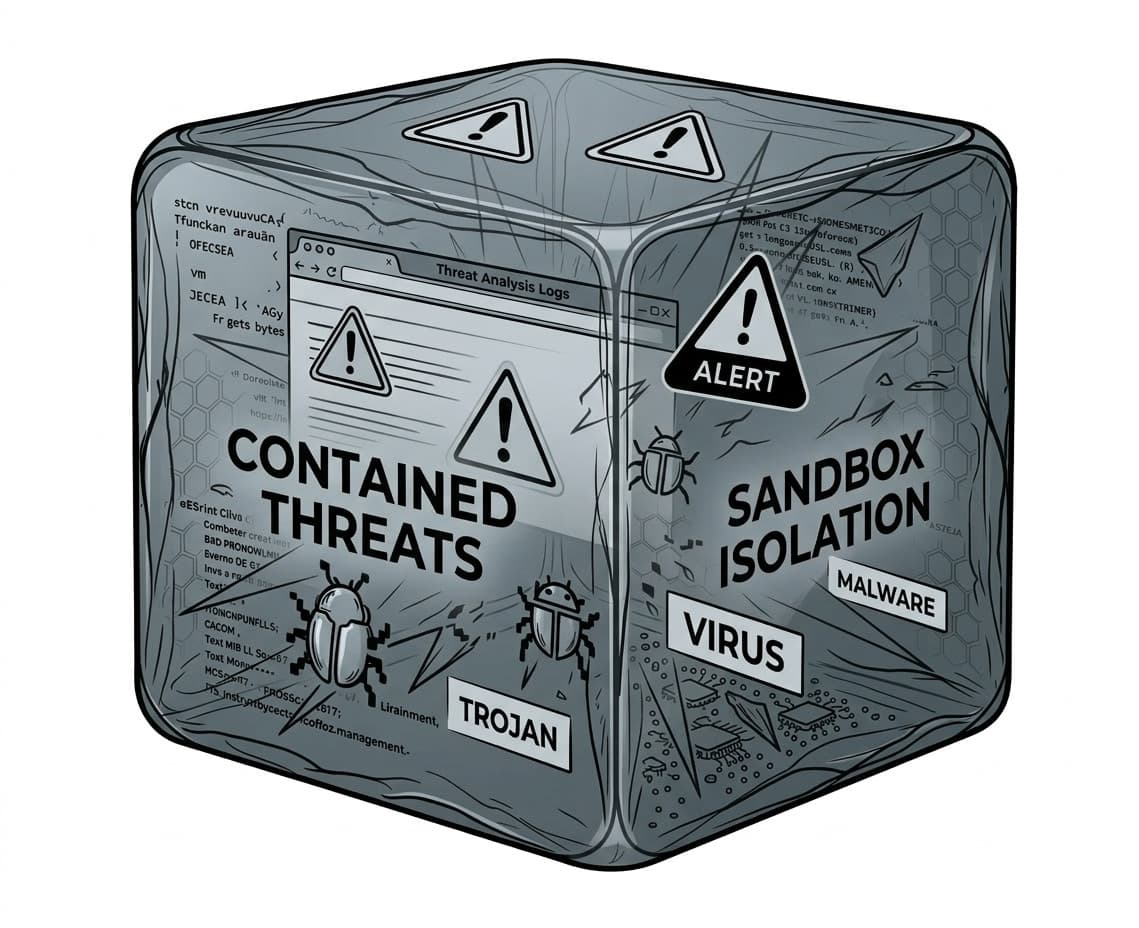
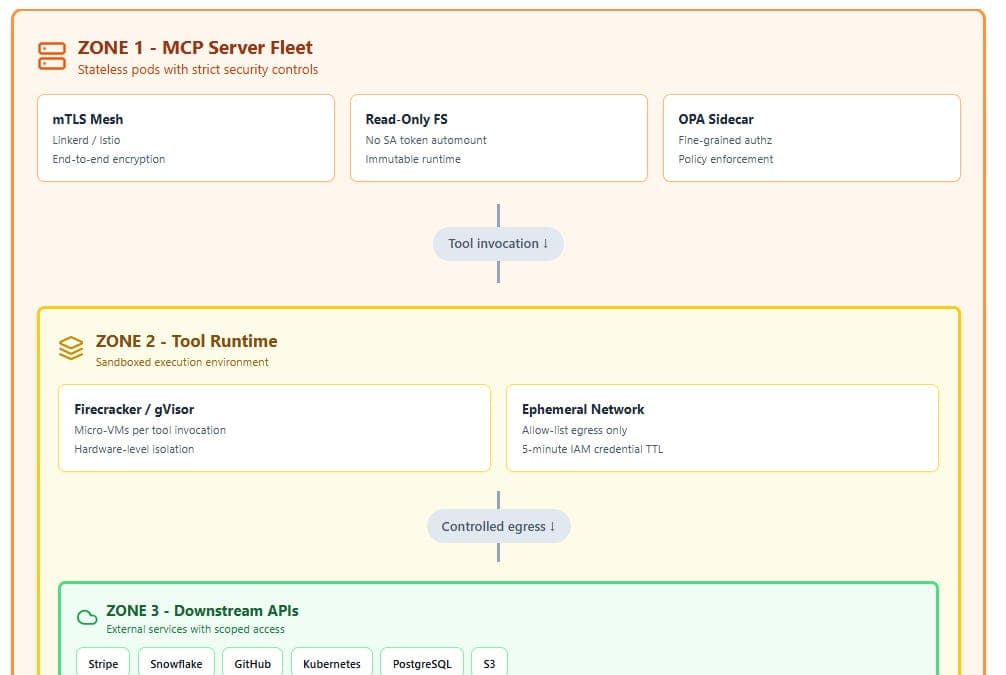
AWS has open-sourced Strands Box, a Rust agent sandbox under Apache 2.0 that pairs OS-level isolation with the Dogwood temporal policy engine. Rules can now decide based on the agent's history — cut the network after sensitive files are read, cap Slack posts at three per ten minutes; secrets are injected at the egress gateway so the agent never sees them. macOS first, in developer preview.
TextQL Labs' Argo-Bench grades data agents on the consequences of their actions inside a simulated 235-table, 7.5-billion-row ERP warehouse — not on query correctness. The best of 14 models (Opus 5.5) clears 95+ on only 34.8% of 210 tasks. What this exposes about data agents, and the consequence-checklist practices solo developers can steal.
Moonshot AI's Kimi K3 has entered OpenAI's enterprise Codex channel via US inference provider Baseten. Enterprise customers can now burn existing OpenAI spending commitments on the Chinese open model — no new supplier contract needed. Sina Finance calls it the first Chinese open model to enter OpenAI's enterprise billing system. This piece unpacks the three-way split (Baseten/Codex/OpenAI billing), the Bedrock revenue-sharing lead-up, and what billing-neutral model choice means for developers.
Five unrelated security teams - Google, JPMorgan Chase, Weaviate, France's DINUM and Indonesia's Tangerang City government - each independently confirmed and fixed the same SSRF flaw in their MCP servers. Independent researcher Syed Anas Mohiuddin's October update argues the bug is structural: the protocol's design, not anyone's implementation. We break down the Protocol Pivoting attack, compare the five fixes, and give vibe coders a defense checklist ahead of his 23 October MCPCon talk.