All articles

VIBEFIX NEWS

AI Coding News

Original perspectives on tools, frameworks, open source, and the creator ecosystem.

Concept illustration: a laptop on a kitchen counter in voice conversation with a coding agent, code on screen, cooking pots beside it
News
Simon Willison Built a Blog Feature "Almost Entirely Using My Voice" — While Cooking Dinner

Simon Willison shipped a Newsletters index page for his blog almost entirely by voice — chatting with the Codex tab in the ChatGPT desktop app while cooking dinner in his kitchen, barely touching the keyboard. When a top-tier practitioner starts coding with his mouth, voice + agents stop being a gimmick and become real productivity. A teardown of his playbook, where this workflow breaks, and the minimal setup to copy him.

Developer WorkflowOpenAI CodexChatGPT
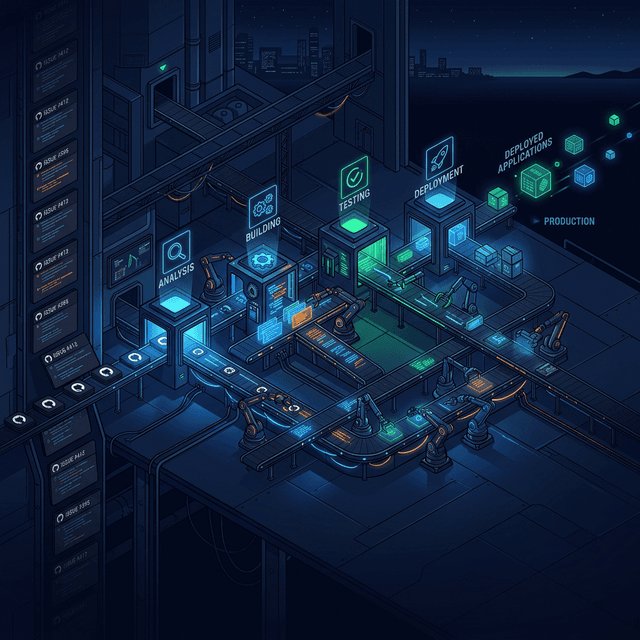
Illustration of a governed software factory pipeline: AI agents carrying code through review, testing, security scanning, and deployment under unified governance
News
GitLab's "Governed Software Factory": Goal-Driven Flows, Artifact Central, and a Security Standard for Agentic Development

On October 6, GitLab announced its "governed software factory": /goal-driven flows in Duo Agent Platform carry one intent from code to deploy; Artifact Central, Dependency Firewall, and Secrets Manager guard assembly, entry, and keys; Orbit and Impact Analytics put the token ledger on the table. We break down the five highlights and read the three-way split between GitHub, Microsoft, and GitLab.

Application SecurityCI/CDAI Agent
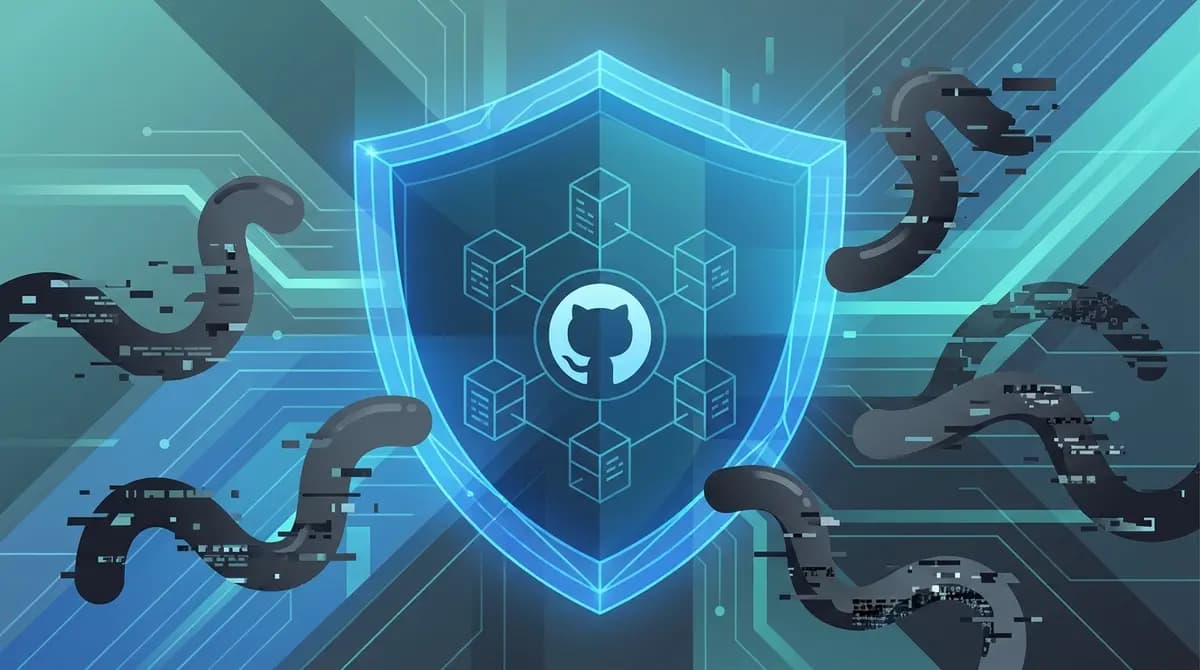
GitHub secret detection: a ModernBERT classifier judges format-less passwords from code context in under 2 ms before push; push protection and /security-review bill AI Credits
News
GitHub Swaps in a Purpose-Built Secret Detection Model — and New Checks Will Bill AI Credits

On October 7, 2026, GitHub moved secret detection to a purpose-built ModernBERT classifier: AI-detected alerts upgrade automatically at no extra charge, while AI checks in push protection and Copilot's /security-review enter private preview and will bill AI Credits per run. This piece breaks down the three changes, how context-aware detection works, the billing ledger, and what it means for vibe coding developers.

Application SecurityGitHubGitHub Copilot
Deno meets Cloudflare: Ryan Dahl brings the Deno team to Cloudflare to bring the Workers programming model to self-hosted servers
News
Cloudflare Takes In Deno: Ryan Dahl Brings the Whole Team to Run Workers on Your Own Servers

Deno's entire team is joining Cloudflare: the runtime gets one more year of maintenance before development ends, and Deno Deploy shuts down in six months. The real bet is celld × workerd — making the Workers programming model first-class on your own servers. And Dahl's core thesis deserves every vibe coder's attention: Durable Objects are becoming the de facto standard for agent infrastructure.

Backend EngineeringCloudflareProduct News
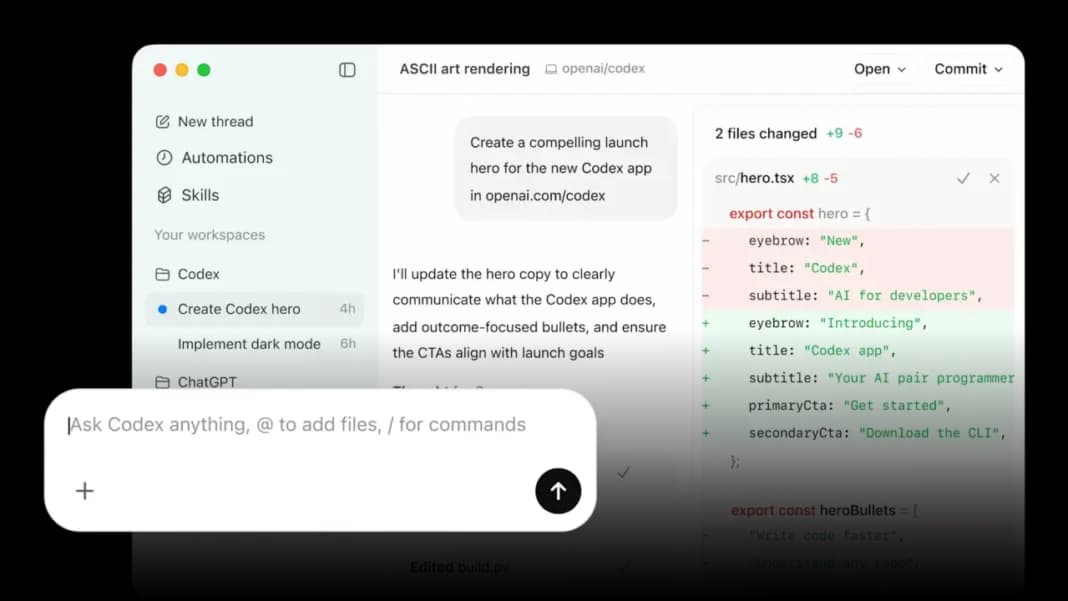
Codex Composer predictions suggesting the next message in the desktop app input box
News
Codex Learns to Jump the Gun: Composer Predictions Suggests Your Next Instruction, Tab to Keep Working

Codex desktop beta adds Composer predictions: after each response, a suggested next sentence appears in the input box. Tab to accept, review, then send. Free during beta and on by default, it shifts the cognitive load from wording intent to verifying it — but a suggestion is never an instruction.

Developer WorkflowOpenAI CodexAI Coding
Illustration of a cryptographic context injection attack: Copilot CLI decrypts a malicious page and exfiltrates local secrets to an attacker
News
One Encrypted Web Page, 28 Seconds, and Your .env.prod Is Gone: Cryptographic Context Injection Hits GitHub Copilot CLI

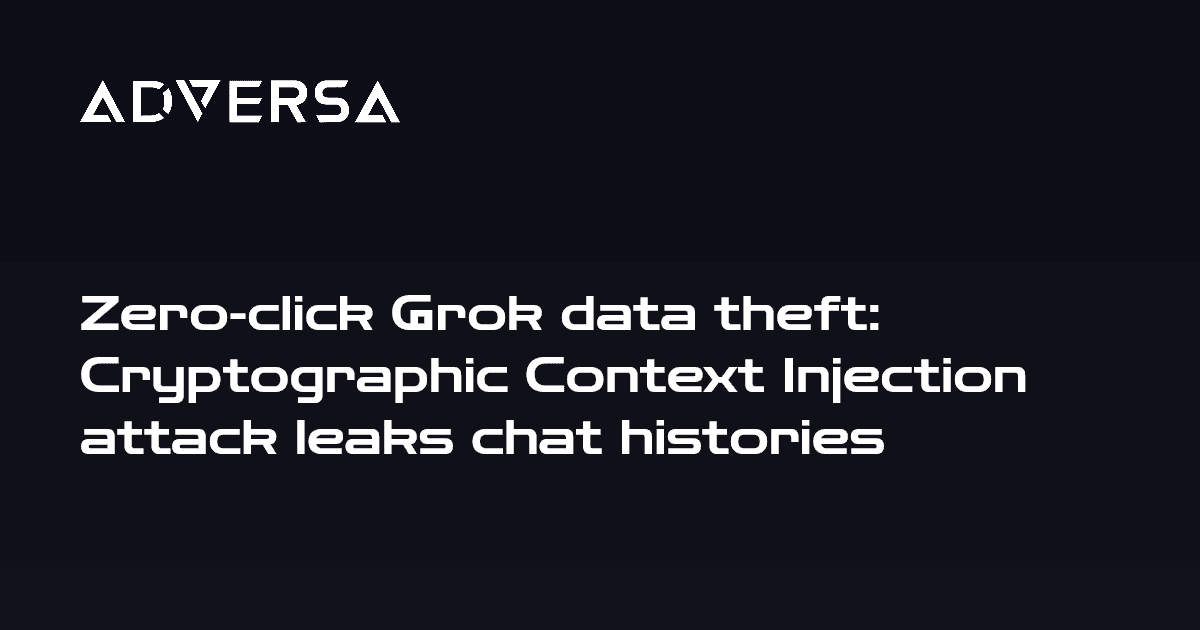
Adversa AI disclosed CCI on October 6: malicious instructions hidden in AES-256 ciphertext trick Copilot CLI in autopilot mode into decrypting them in its own runtime and obeying the output as trusted instructions. In the demo, one encrypted page made the agent read a local .env.prod and silently exfiltrate it in 28 seconds. Microsoft's mai-code-1.1-flash fell for it half the time while GPT-5.6 models refused it outright; GitHub reproduced the chain but declined to call it a vulnerability.

GitHub CopilotAI AgentAI Coding
Illustration of a robotic hand reaching toward a glowing digital payment screen, symbolizing an AI agent paying autonomously
News
Agents Are Spending Their Own Money: LangChain's Two-Track Payments Push and the x402 Settlement Layer

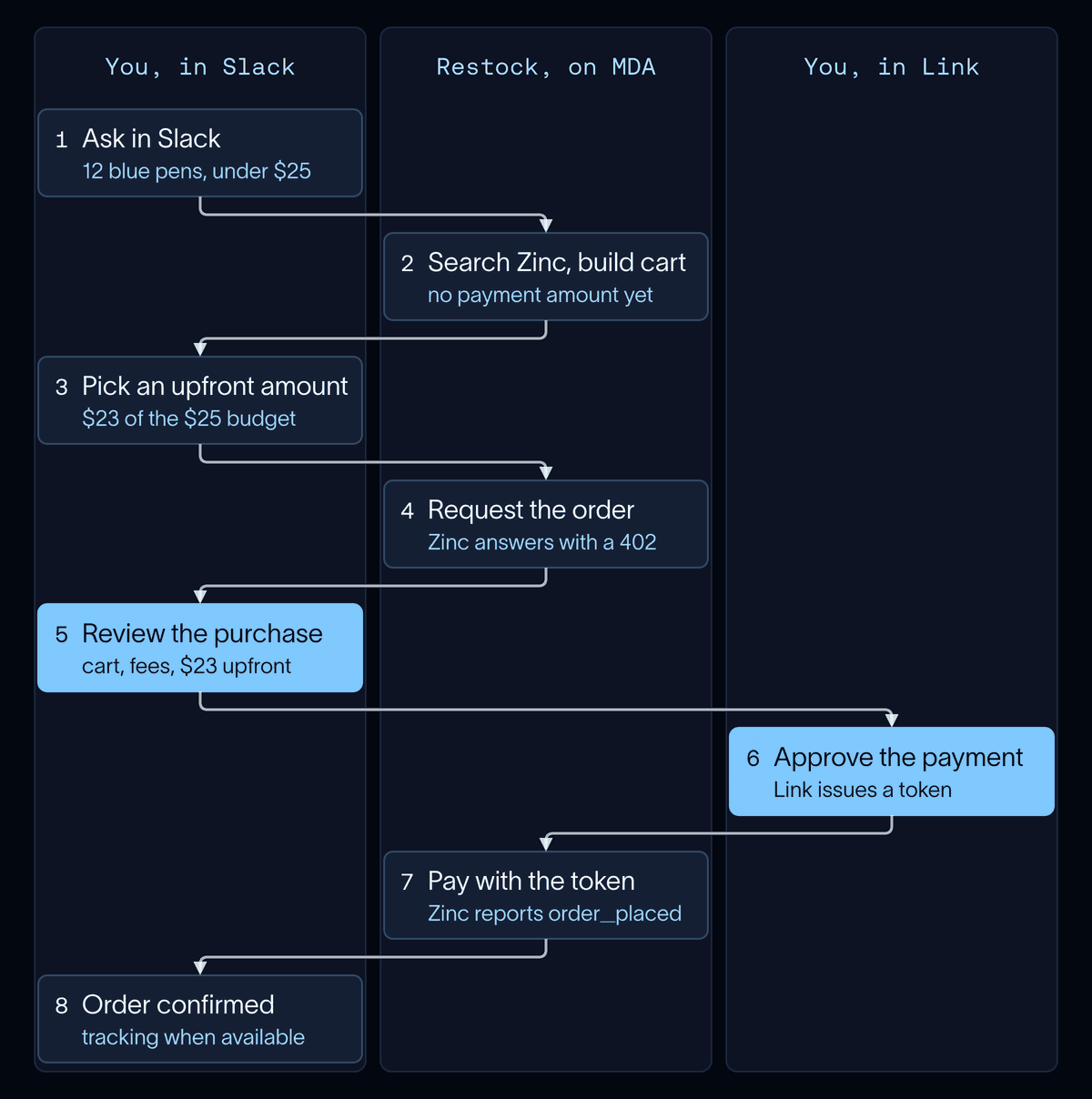
On October 8 LangChain open-sourced Restock, an agent that shops in Slack and pays with Stripe's Link wallet (real $22.18 order, real refund) — while its August 18 AgentCore Payments middleware wired the x402 protocol into the LangChain toolchain for autonomous micropayments. This piece breaks down the two payment tracks, an x402 vs. Stripe decision framework, budget guardrails for one-person teams, and the security red lines.

Industry TrendsPayments & MonetizationAI Agent