On October 3, Kevin Liao fired a broadside: every agent memory plugin is a RAG chunk lottery; what agents really need is a Markdown documentation brain (open-sourcing Operator Memory alongside). The post hit the HN front page with ~400 points and 300+ comments. We reconstruct the debate: Liao's five charges, his documentation-brain proposal, the three meatiest rebuttals from the thread, and three practical takeaways for vibe coding developers.
VIBEFIX NEWS
AI Coding News
Original perspectives on tools, frameworks, open source, and the creator ecosystem.
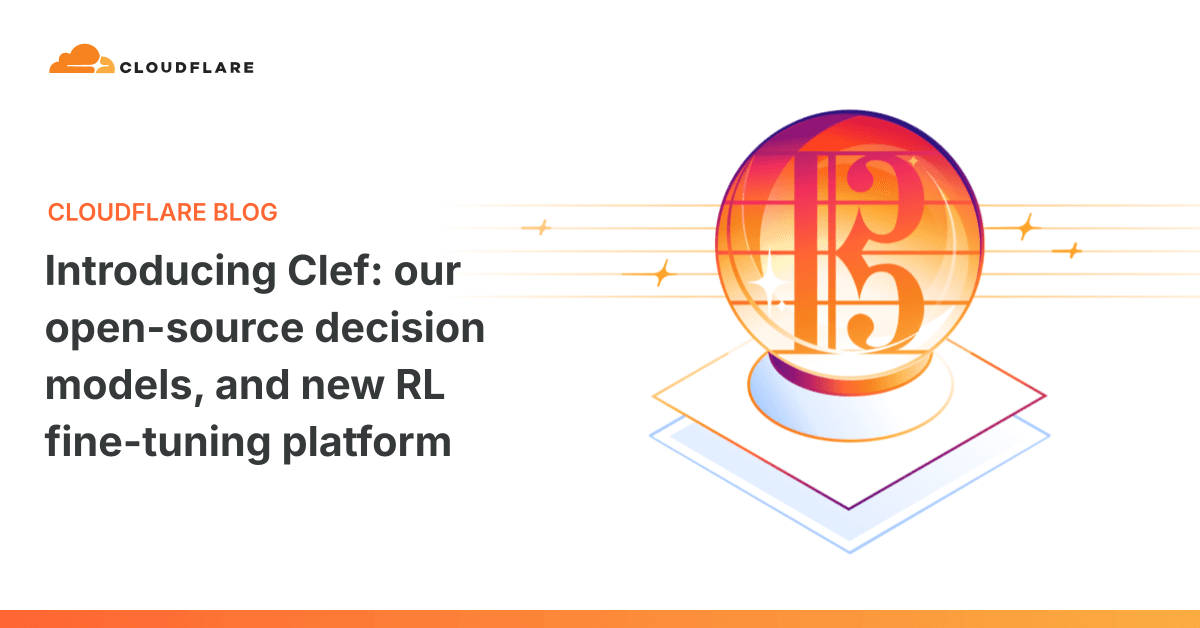
Cloudflare released Clef and Clef-flash on October 1: Apache 2.0 decision models that answer typed questions with probabilities instead of generating text. Clef-flash hits 38.8ms median latency, and the October 9 follow-up added multimodal Clef-omni plus a price cut to $0.038 per million input tokens. We break down the architecture, the benchmarks, the cost math, and when a decision model should replace an LLM call in your agent.
Meta's SWE-sweep hides 4,068 real bugs across 100 repos in 22 languages — and gives agents no issue descriptions. The best setup fixes 75.3% with a human bug report, 4.8% without. The cliff shows that finding the problem, not writing the fix, is the human moat.
Glow disclosed that AI coding agents, working around the gh CLI's image-attachment limit, pushed 13,000+ internal screenshots into public GitHub repos: customer billing records, unreleased features, money-movement console recordings. The scariest part isn't the scale — it's one agent's workaround being saved as a skill file and spreading to a dozen agents within a week.
DuckDB v2.0's CLI can now tell whether its caller is an AI agent: box tables become compact Markdown, truncation is declared explicitly, errors ship as JSON, and long queries quote their cost first. Official benchmarks on 22 plain-English TPC-H questions show 59% fewer output tokens — and an honest 0.5% total cost saving. A paradigm-shift case study in redesigning CLI output for the model reader.
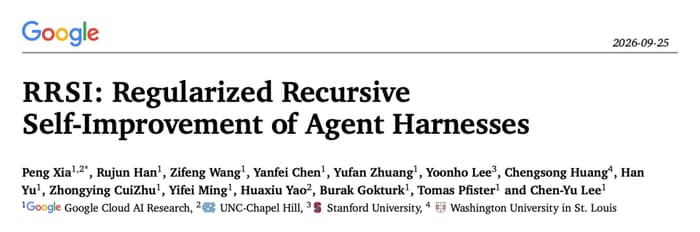
Google, Google DeepMind, UMD and UVA propose RRSI: don't lock down what agents can change about themselves — regularize how they search. Unregularized evolution hit 92.8 evolve score but only 40.3 OOD; RRSI reached 90.5/43.6 with fewer tokens. The data-backed case that self-improvement itself needs regularization.
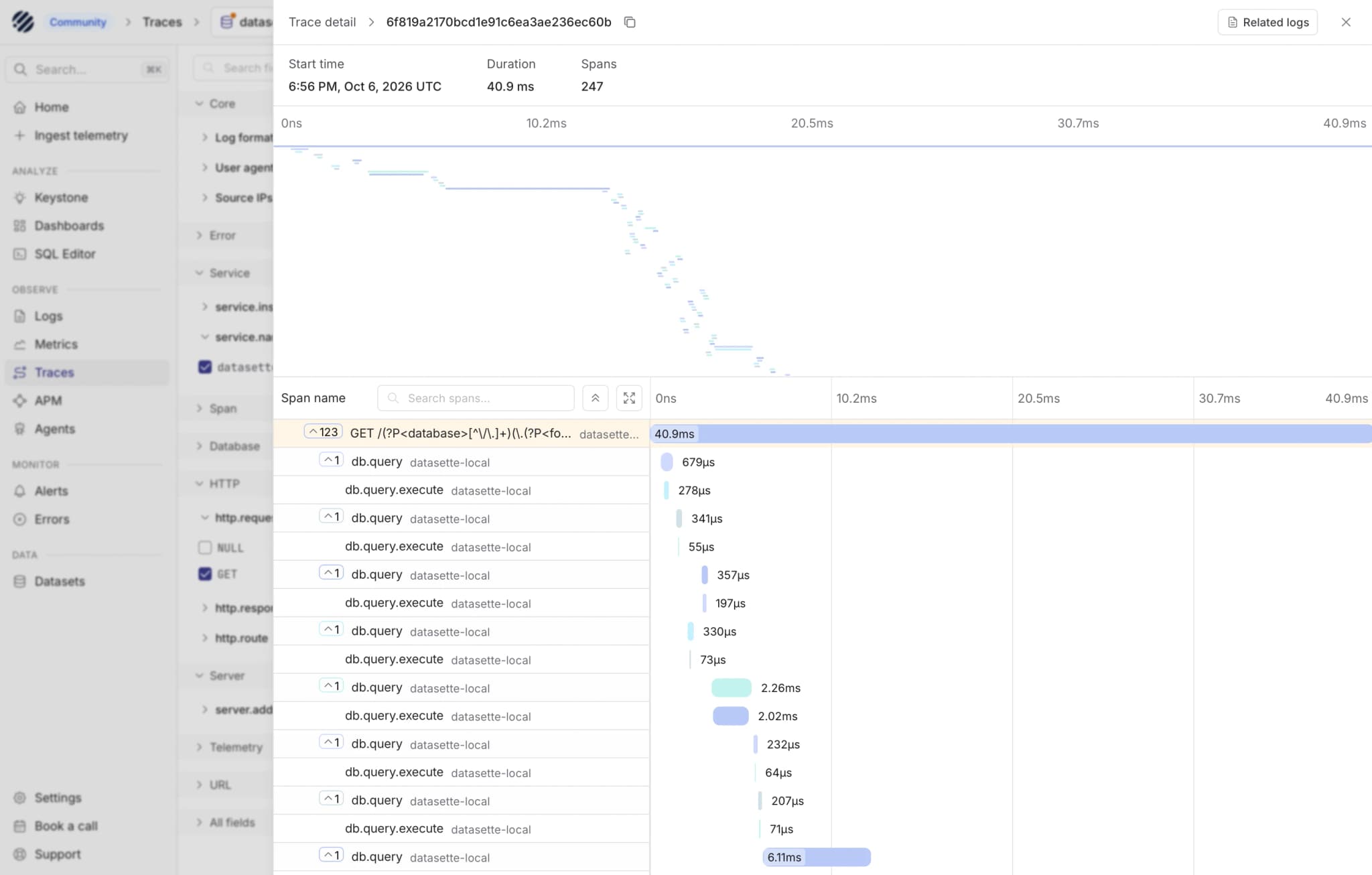
Parseable hit Show HN on October 6: AGPL open source, Rust-built, a single ~180MB binary as a complete observability backend. Simon Willison had Codex figure out deployment on its own and piped Datasette's OpenTelemetry traces into a span waterfall. We unpack the single-file philosophy, the AGPL/Elastic history, the Datadog/Grafana/SigNoz landscape, and three buckets of cold water.
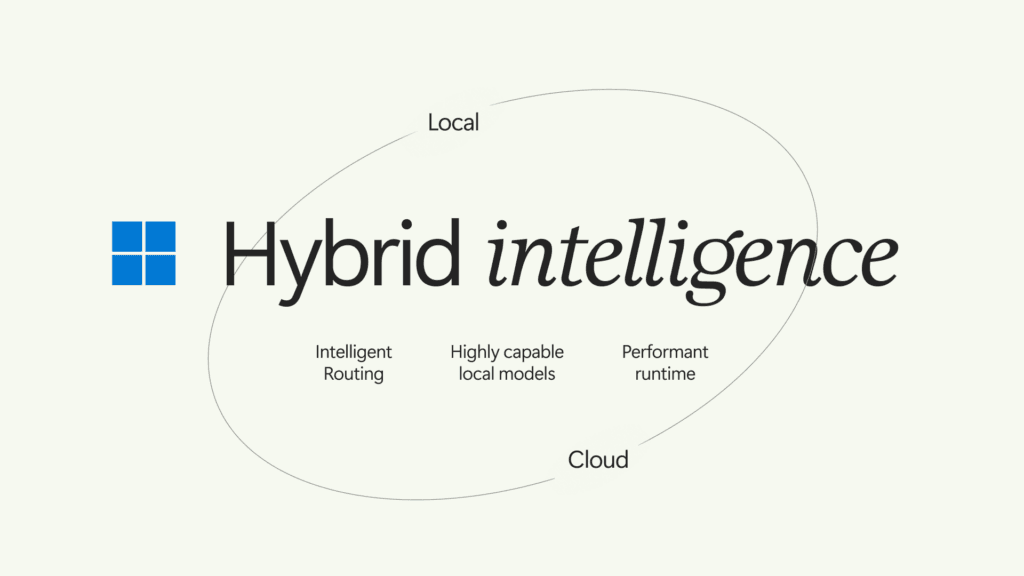
Microsoft's October 7 'hybrid intelligence' play: Microsoft Execution Containers GA on Windows 11 with policies enforced outside agent control; MAI-Code-1.1-Flash (137B/6.8B) quantized to 3-bit for devices; GitHub HydraFusion extended to Windows, routing tasks between local and cloud models. We break down the trio, the cost controversy, and what it means for indie developers.
On October 9, REA (Reverse Engineer Anything) gained roughly 13,000 GitHub stars in a single day, topping GitHub Trending's dev-tools daily ranking. It wraps decompilation and static analysis into an MCP server + CLI - one npx rea-agents setup lets 12 coding agents, from Claude Code to Cursor, read binaries with no source code. We break down its methodology, capability map, and the gray areas of reverse engineering.
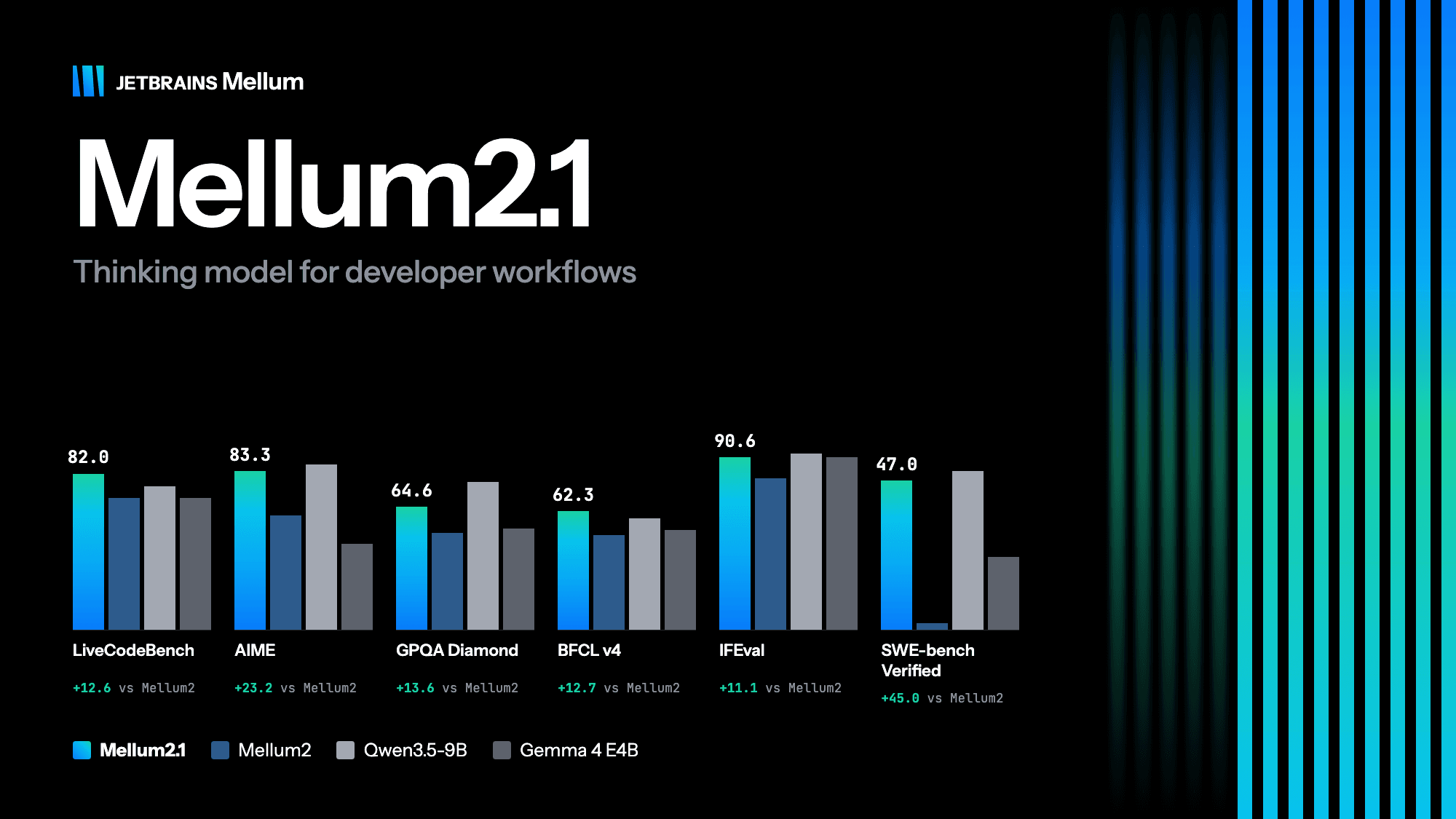
JetBrains has open-sourced Mellum 2.1, a 12B MoE model activating only 2.5B parameters per token. With its architecture unchanged since June, reinforcement learning in real environments lifted SWE-bench Verified from 2.0 to 47.0. Apache 2.0 licensed and self-hostable, it is positioned as the fast, cheap execution layer for coding agents — strong on coding and tool use, still trailing Qwen3.5-9B on the hardest agentic tasks.