Open source projects rarely die from unwritable code — maintainers drown in issues and PRs. Agents excel at exactly this 'read-heavy, pattern-based judgment' work. A triage pipeline for 2-hour-a-week maintenance.
VIBEFIX GUIDES
AI Coding Guides
Practical knowledge for tools, deployment, workflows, and building projects.
You don't need a support team — you need a support system. This guide walks solo developers through the full playbook: ticket triage, a three-layer defense funnel, ticket-deflecting FAQs, an AI draft pipeline with copy-paste prompt templates, five canned-response templates, automation red lines, and a weekly 30-minute review SOP. Every section ships with templates you can use today.
The payment webhook that demoed perfectly and exploded three days after launch: four correct postures for having AI write tests, three high-voltage lines requiring human review (money/permissions/deletion, concurrency, migrations), and a minimal pipeline for tonight.
User issues scattered across email, Discord, and Twitter? This guide covers the unified inbox, ticket state machine, auto-triage, a realistic four-tier SLA, handling SOPs, and satisfaction follow-ups — with copy-paste reply templates and a two-week launch plan.
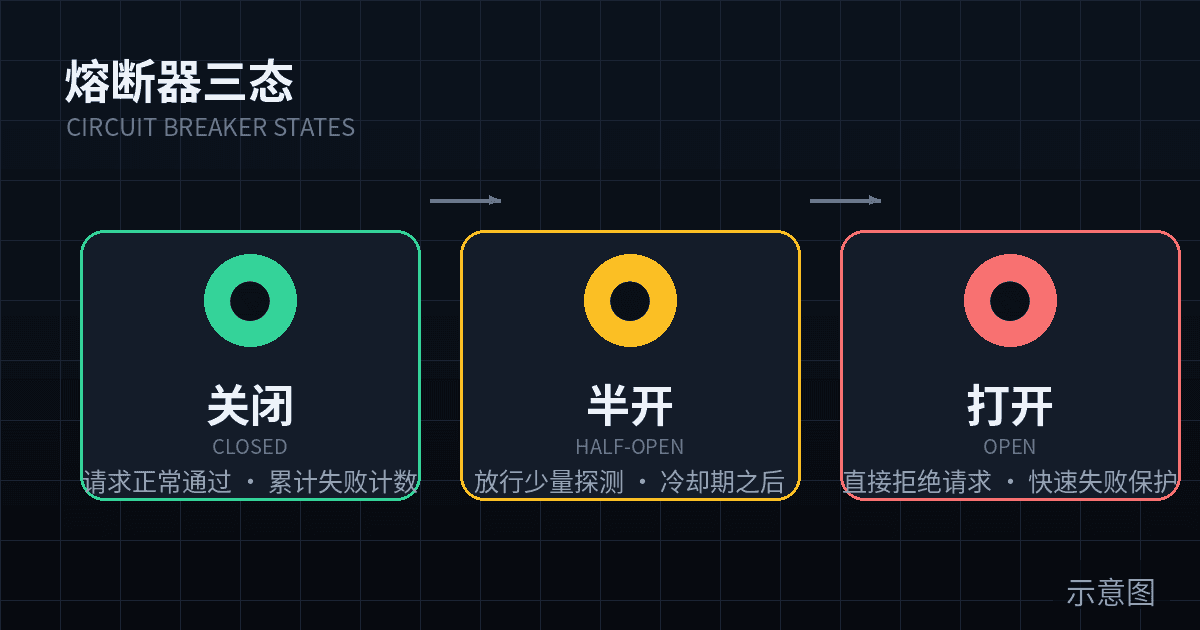
Your vibe project stands on borrowed pillars: model APIs, payments, email, storage. This guide builds four layers of defense in order — timeouts, retries with backoff and jitter, a complete copy-paste TypeScript circuit breaker, and fallback paths — plus budget breakers, a /health probe, and a monthly chaos drill SOP.
At DevDay, OpenAI shipped a Decisions API that only answers multiple-choice questions (still in limited preview); two weeks earlier, TypeSafe AI's Jev defined the category. This is a field guide, not an API doc: four patterns you can copy today — routing, gating, scoring, next-step selection — plus option design, probability thresholds, fallbacks, log audits, the input-token-only cost math, when not to use it, and how a thin adapter keeps you off single-vendor lock-in.
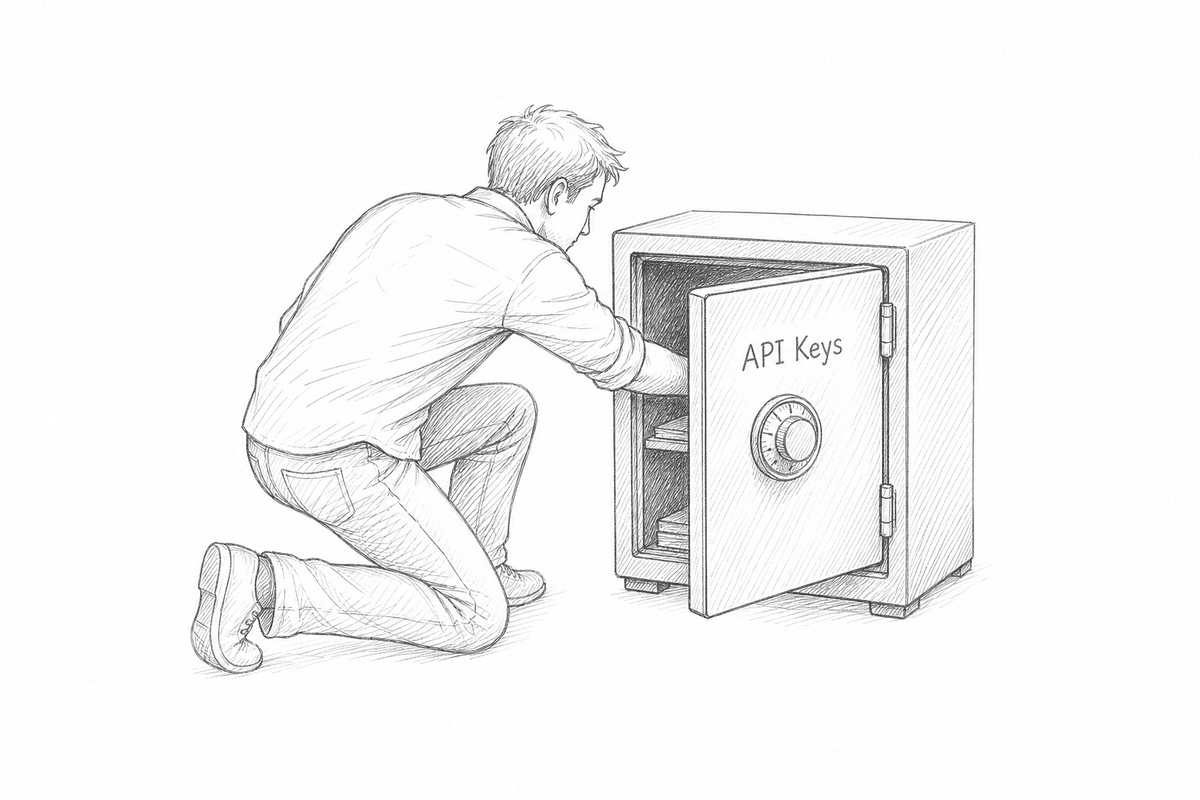
In the AI coding era, secrets leak because AI actively writes keys into code, comments, and commits — and pushes them. This guide gives vibe coders a five-state credential framework: generate, store, use, rotate, and incident response. Copy-paste ready: layered .env files, pre-commit hooks, production secrets-hosting picks, three AGENTS.md red lines, least-privilege third-party keys, a 30-minute leak SOP, and a monthly 5-minute inspection checklist.
100 people willing to pay beat 10,000 likes for proving demand. This guide covers the full crowdfunding pre-sale campaign: platforms, goal math, tier design, four-phase rhythm, and fulfillment.
In vibe coding, the most dangerous line is often not written by AI — it's installed by it. OpenCode's RCE came through an npm preinstall script. This guide gives you a dependency review workflow you can set up tonight: lockfiles, audits, least privilege — so your AI's generosity stops becoming your incident.
The demo is 10%; shipping is the other 90%. A pre-launch checklist built for AI-generated projects: security, data, observability, performance & cost, release & rollback — because agents have three systematic blind spots, and 'shippable' judgment is yours.