AI wrote your package.json, but it will not merge Dependabot's 47th PR at 3 a.m. This solo-maintainer SOP covers lockfile discipline, tiered upgrade decisions, Dependabot/Renovate automation, major-upgrade review, CI verification matrices, CVE fix SLAs, a 5-minute rollback procedure, and quarterly health reviews — plus 8 hard-won pitfalls.
VIBEFIX GUIDES
AI Coding Guides
Practical knowledge for tools, deployment, workflows, and building projects.
The biggest risk of letting an agent refactor legacy code isn't wrong code — it's deleted correct code carrying hard-won lessons. Five rules: build the safety net first, slice rollback-small, make the agent an archaeologist, freeze behavior not implementation, and write down tacit knowledge. Plus a rewrite-vs-refactor framework.
Losing more money with every user is the most expensive bug in AI products. The arithmetic of per-user gross margin: why you must price to the P90 user, not the average; the photo app burned alive by its own virality; three cost levers and three margin red lines.
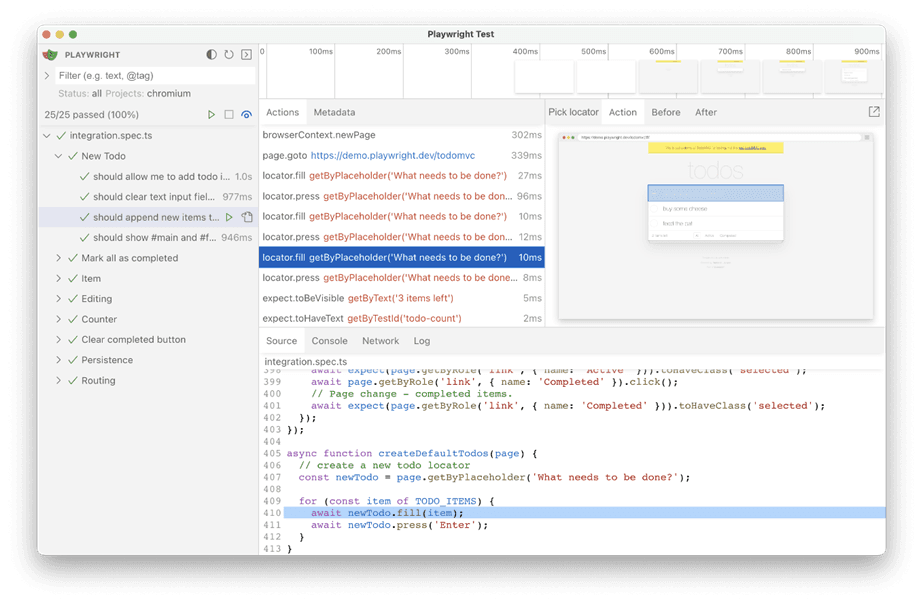
AI's biggest fear when editing code: fixing A breaks B. This execution-layer companion to our AI Testing Strategy shows solo developers how to build an E2E regression moat with Playwright, 5 golden paths, a data-testid convention, and GitHub Actions — one hour to set up, one hour a week to maintain, inside the free tier, with copy-ready code.
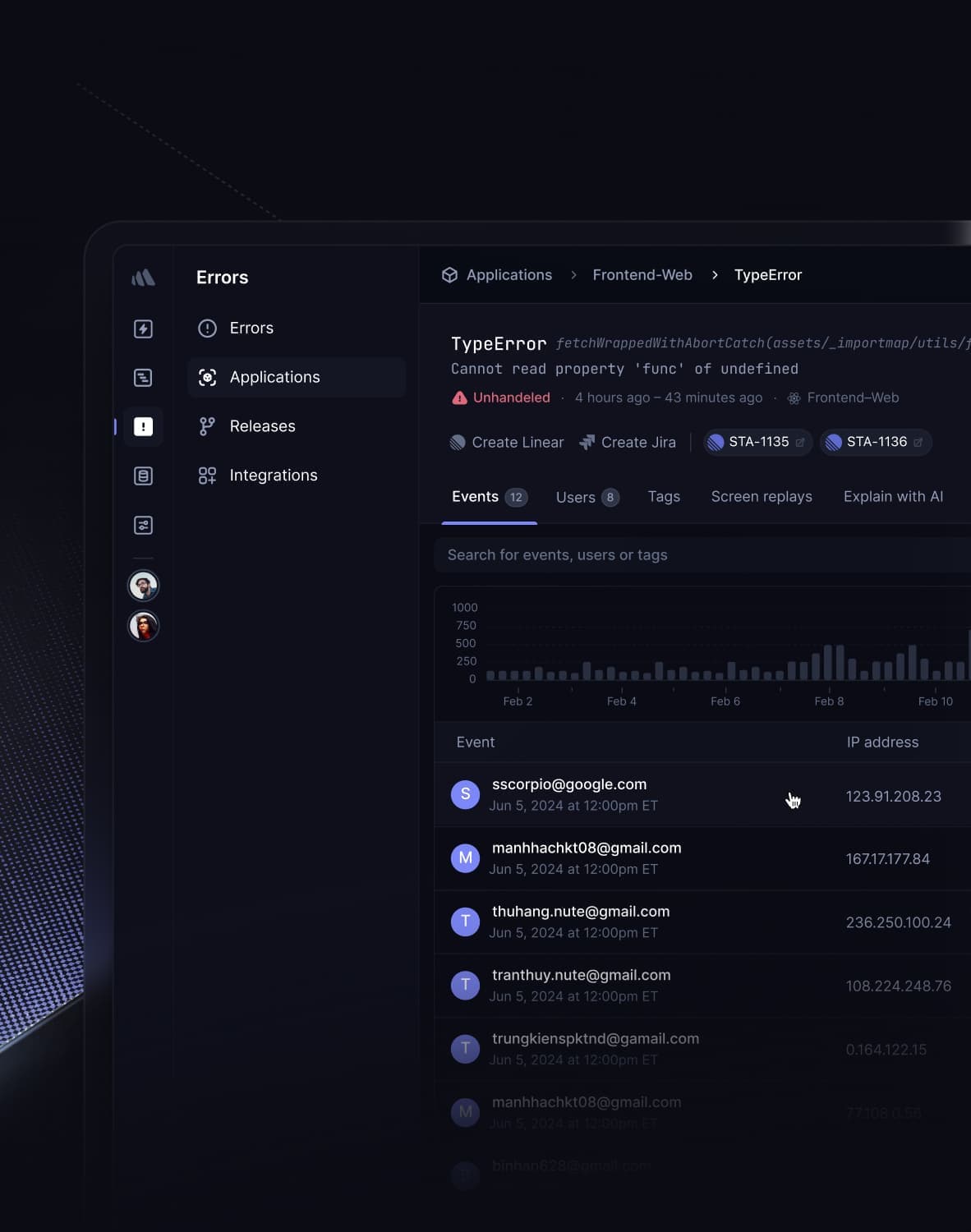
Every vibe project has the same darkly comic moment: your site goes white-screen and a friend tells you before your monitoring does. This guide builds a one-person-team error monitoring system: a 5-minute Sentry loop, error boundaries, report context design, backend structured logging, AI-call-specific protection, alert tiers, and a launch checklist.
You can ship code but break into a sweat at 'want to chat?' Indie-developer sales isn't a persuasion performance — it's a structured way to help users decide: discovery, diagnosis, demo, objection handling, and closing as five repeatable moves, with copy-paste call scripts, a follow-up cadence table, and a lightweight CRM board. Introverts can sell too.
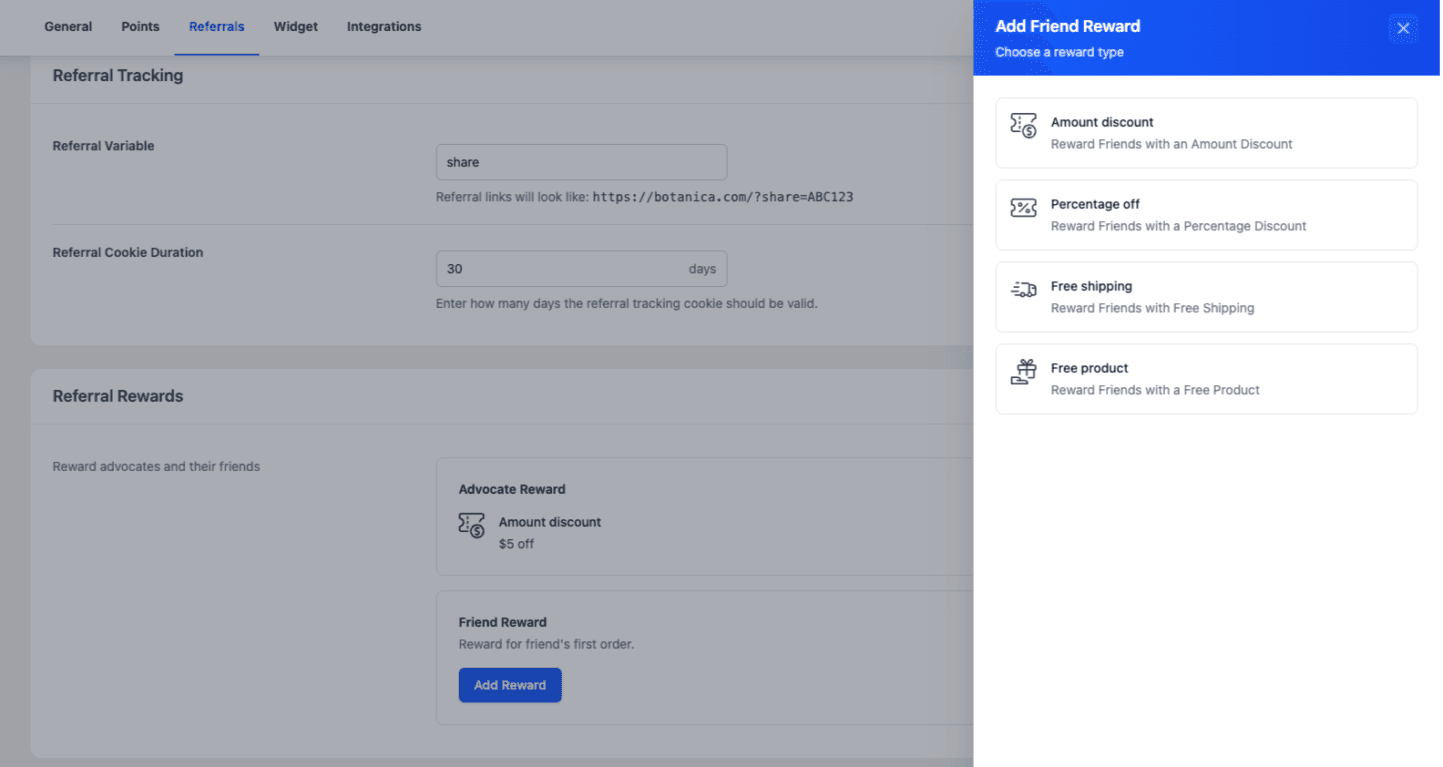
You shipped invite links in a weekend. A month later: 200 invites sent, 3 signups back, 2 from your own alt accounts. A referral program isn't 'adding a link' — it's an economic system. From the R < CAC x L unit-economics formula: one-sided vs two-sided rewards, pricing four reward types (cash, discount, credits, feature unlocks), runnable Next.js attribution and anti-fraud code, 5 fraud-detection moves, a three-stage launch cadence, K-factor metrics, and failure-mode postmortems.
Every PR deserves a live link. This guide shows how to give each branch its own preview environment: frontend previews on Vercel/Netlify/Cloudflare Pages, backend previews on Railway/Render/Fly, per-PR database branches, isolated env vars, PR-comment bots, cost control and auto-cleanup. Includes a launch checklist and a clear boundary with canary releases.
Vibe coding's biggest failure isn't the AI writing wrong code — it's the human quietly losing control of the codebase. This guide rebuilds classic driver/navigator pair programming into an executable protocol for one human plus one AI: a 15-minute kickoff alignment, four role-swap signals, three stages of trust calibration, a pit stop every 20 minutes, and a session close that preserves context. Templates, word-for-word scripts, and checklists included.
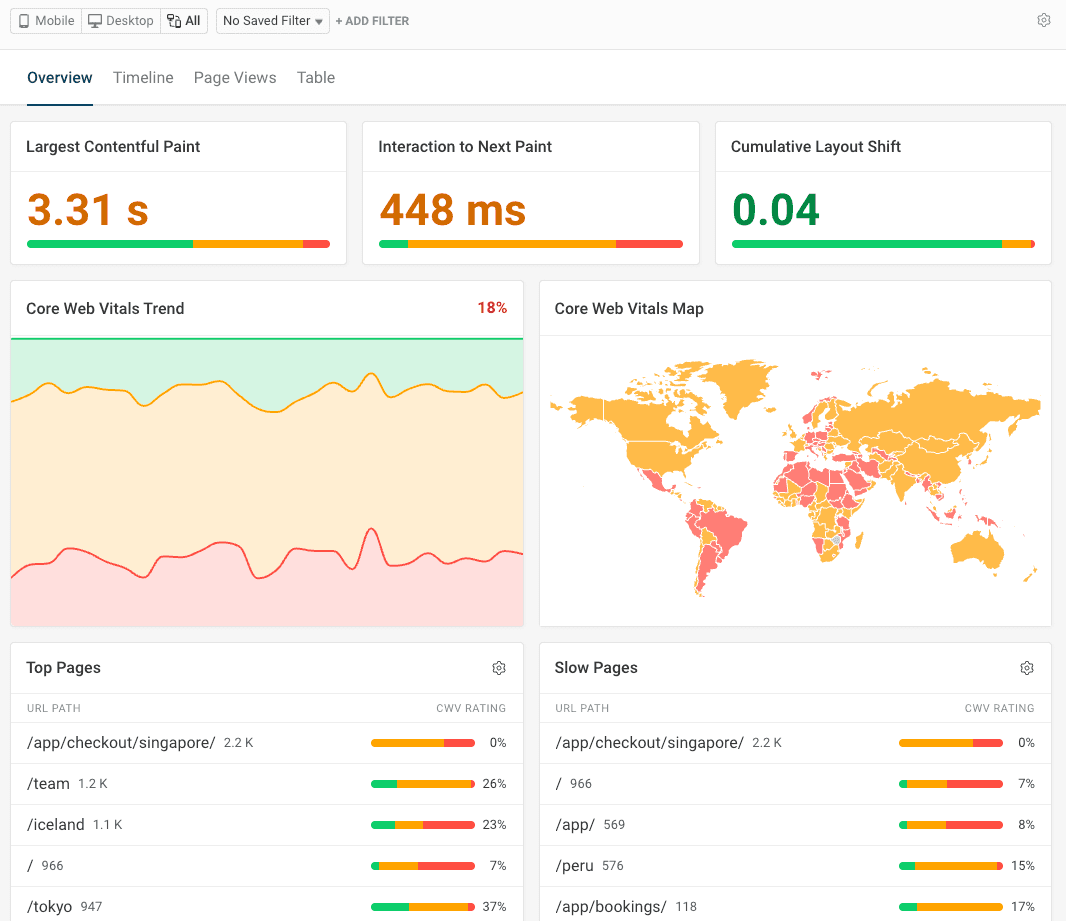
AI-generated code runs — but it's usually slow: bloated bundles, N+1 queries, raw uncompressed images, zero caching. This is a hands-on performance manual written for vibe coders: from Web Vitals baselines, image and bundle slimming, to data-layer fixes, LLM streaming for perceived performance, and a launch checklist that belongs in CI. Take your project from 'it loads' to 'it flies.'