Vibe projects rarely die from missing features — they die in the first minute after signup. This field guide argues onboarding's job isn't to teach the product but to deliver the promised value fast: a Value Promise Canvas to find your Aha moment, a decision table for three onboarding patterns, 7 signup fields to cut, empty-state copy templates, a paste-ready 3-step React tour component on localStorage, 4 funnel metrics with event naming, and a 10-item pre-launch audit.
VIBEFIX GUIDES
AI Coding Guides
Practical knowledge for tools, deployment, workflows, and building projects.
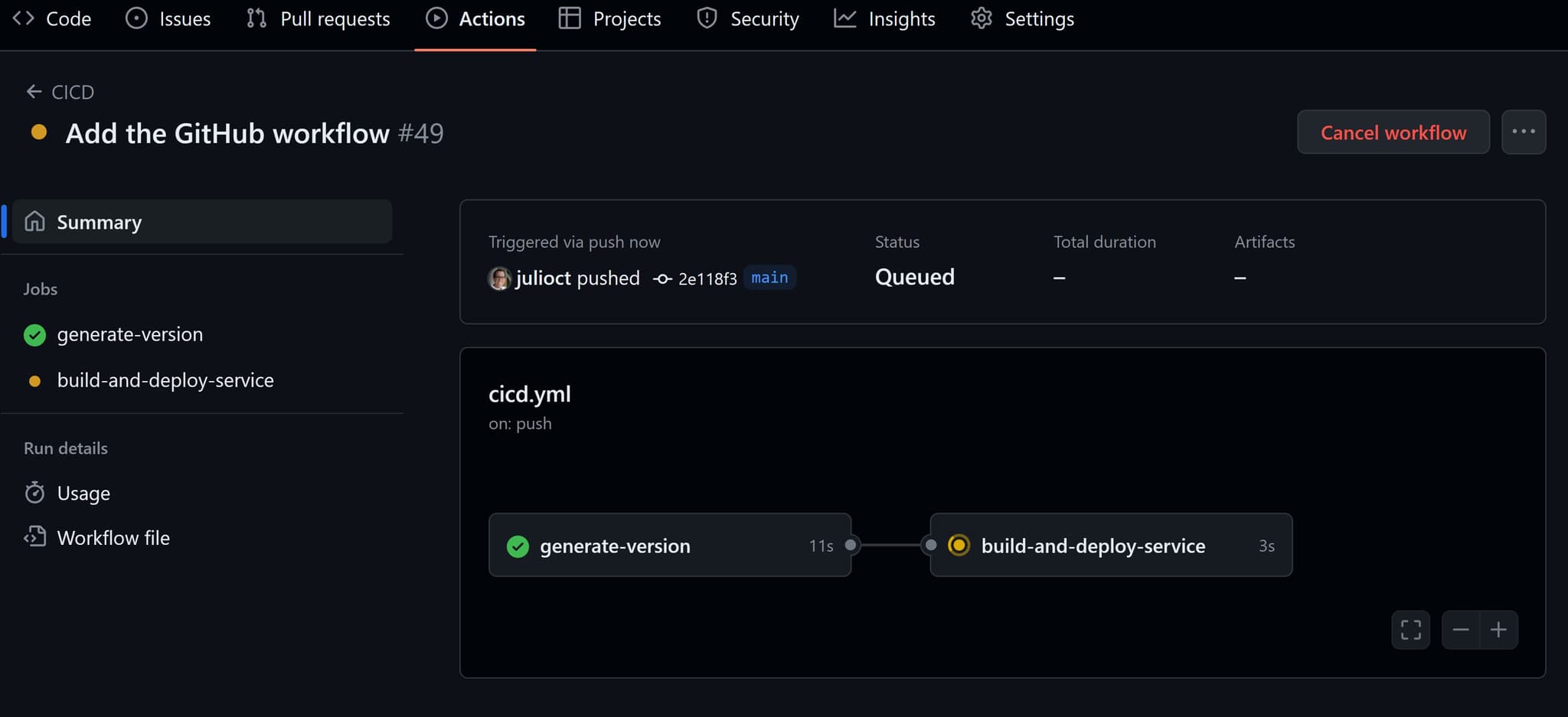
Release strategy and launch-day ops get all the attention, but nobody talks about step zero: what should the very first CI pipeline look like for a one-person vibe project with no code review? This guide gives you a keep-or-cut decision table for 5 jobs, a copy-paste-ready GitHub Actions template, preview deploys with AI visual review, a database migration gate, a 60-second post-deploy smoke check SOP, and 4 classic over-engineering anti-patterns.
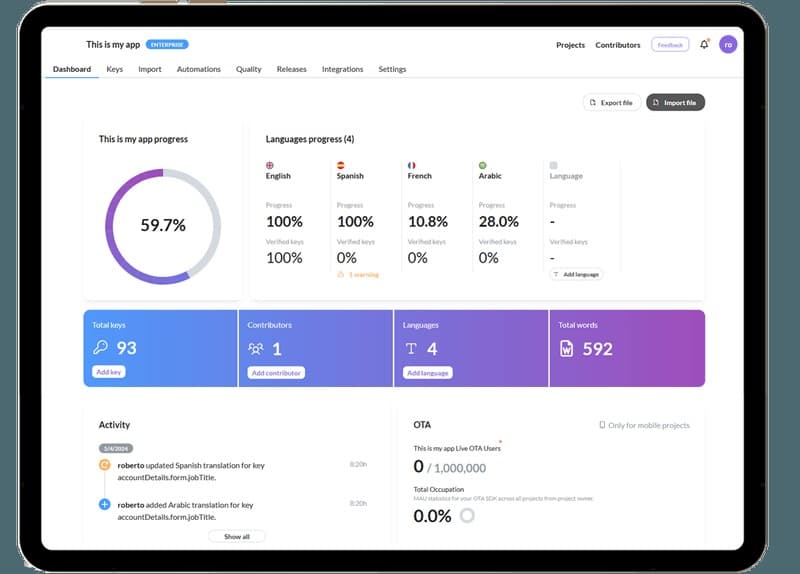
A project introduced in English reaches several times the audience of a Chinese-only one — and AI has driven the cost of the extract → translate → review pipeline down to nearly zero. This guide gives vibe projects a practical i18n playbook: when it's worth doing, how to have AI sweep hardcoded strings into keys, the translation-and-review workflow, four traps you'll definitely hit, and a pre-launch acceptance checklist.
When an agent says 'done,' you neither need to doubt it nor believe it — just open the checklist and ask, item by item, for the evidence, the pass bar, and the return rules. This guide gives an acceptance-first five-step method, what 'good' looks like for five kinds of evidence, a copy-ready acceptance matrix, and three worked examples.
A report for a human aims at understanding; a report for an agent aims at a fix in one pass, without rework. This guide upgrades bug reports into fix specifications: six mandatory parts, correct use of evidence, verifiable expected behavior, five rework-causing anti-patterns, and a ready-to-use template.
A demo is not a feature tour: in five minutes the audience can only remember one story, one image, and one moment of contrast. This guide gives the five-minute script — one problem, one spine, one climax — plus the iron rules for demo accounts and demo data, a backup for every common failure, thirty-second recovery lines for when it stalls, remote-demo adjustments, and Q&A preparation.
From TestFlight to App Store review: a solo-team field guide to shipping vibe-coded mobile apps. The 14-item pre-submission checklist, the three most common Apple rejection codes (5.2.1, 4.2, 2.1) and their typical failure shapes, privacy label traps with third-party SDKs, the in-app account deletion mandate, TestFlight SOPs, Google Play's 12-tester 14-day rule and API 36 gate, plus a rejection first-aid kit with appeal templates and expedited review.
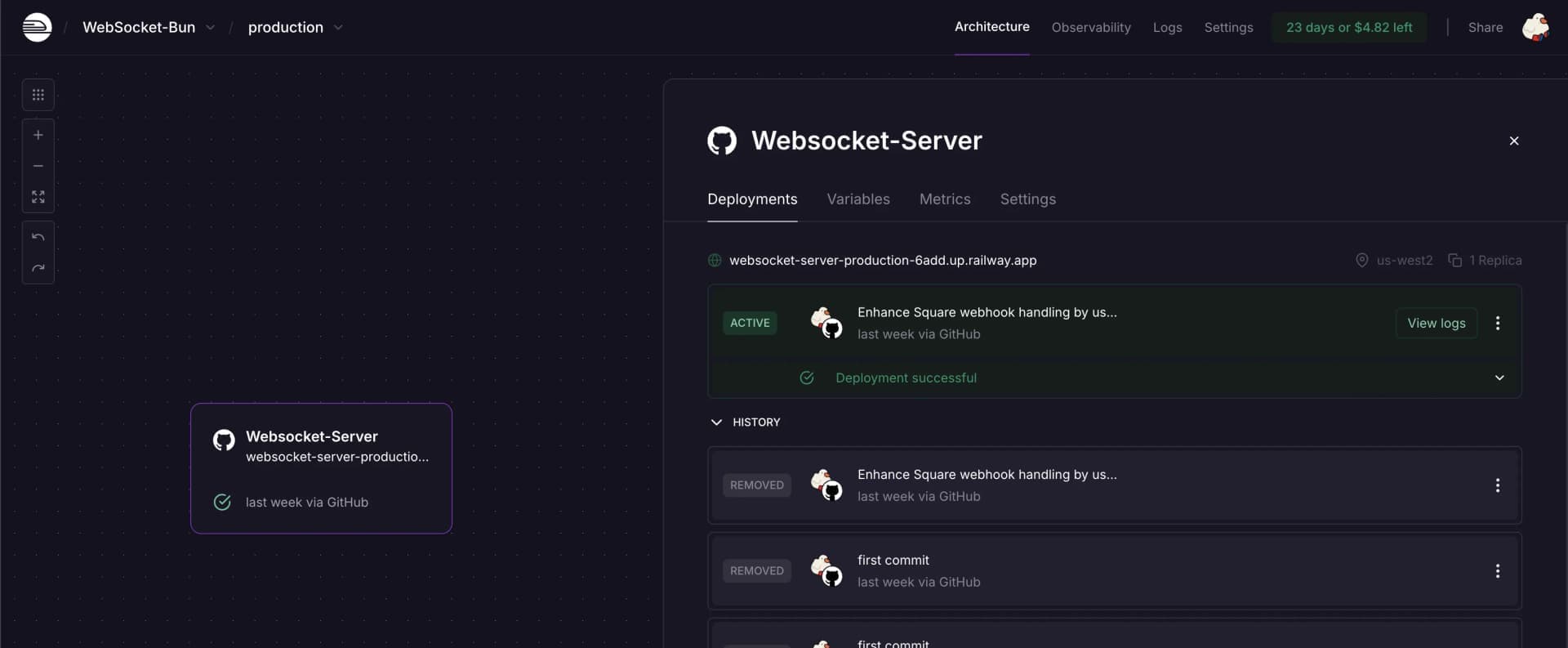
Vibe projects die most often the same way: a new version shipped to 100% of users in one shot, one bug, and the whole site goes down with it. This guide gives solo developers a practical canary-release and rollback playbook — DIY TypeScript feature flags, percentage and segment rollout strategies, health metrics with automatic rollback triggers, a one-click rollback SOP, and the anti-patterns that turn canaries into false confidence.
Voice demos are easy; shippable voice features are pipeline engineering. This guide covers picking the right of three shapes (STT/TTS/realtime), the 400ms latency budget split across capture→STT→LLM→TTS→playback, Whisper vs streaming STT, the TTS quality/latency/cost triangle, interruption and turn state machines, five browser pitfalls, cost modeling with anti-abuse, and a 10-item launch checklist.
A key looks like a string until it leaks — then it can run up a bill and expose data. This guide skips storage and covers rotation and rescue: dual-active rotation in six steps, leak grading, a 15-minute timeline, short-window switches, and a 45-minute leak drill.