On September 30, Berlin-based Restate announced a $20M Series A led by Singular, with Redpoint Ventures and Capital One Ventures participating. Founded in 2022 to make multi-step workflows resilient to crashes, the company became a natural fit for the agentic era — vibe-coding platform Replit is already a customer. When an agent can run for hours down a completely unpredictable path, 'resume from where it crashed' stops being a nice-to-have.
VIBEFIX NEWS
AI Coding News
Original perspectives on tools, frameworks, open source, and the creator ecosystem.
On September 25, AI coding startup ByteAsk announced a $1M pre-seed round led by Y Combinator. Founded only in June 2026, the company does one thing: AI coding agents for C/C++ developers. The wedge is sharp — generic agents shine in Python/JS but fall apart in high-frequency trading, automotive, and embedded systems, where one wrong line can be catastrophic.
An open-source skill called Ponytail is going viral in AI coding circles: 152K GitHub stars, claiming 54% less code from agents, 20% cheaper, 27% faster, with zero safety compromise. The mechanism isn't mysterious — a 'seven-rung ladder' forcing the agent to ask before writing: does this need to exist? Is it in the stdlib? Would <input type="date"> suffice?
On October 1, AI infrastructure startup Photon announced a $4.5M seed round led by Gradient and A*. Two weeks earlier, it held a real funeral for the 'mobile app' in a San Francisco church — coffin full of app icons included. Behind the stunt is a serious bet: users don't want to install new apps anymore; developers should deliver agents directly inside iMessage and WhatsApp.
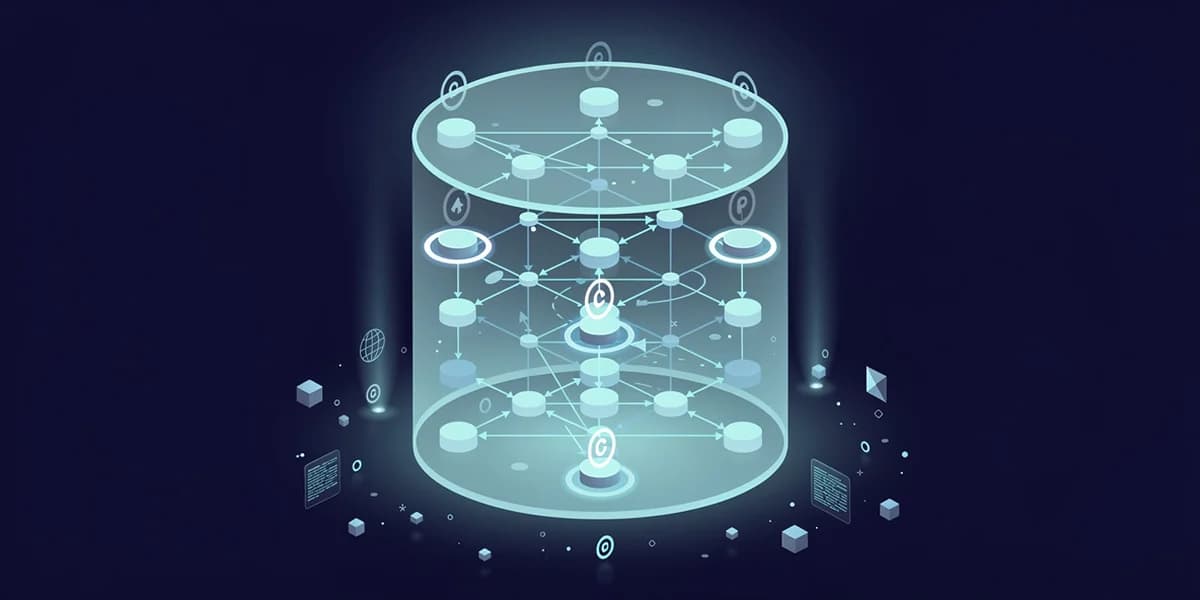
On October 2, Supabase announced its acquisition of Turso — the company that rebuilt SQLite in Rust — alongside roughly $150M in new funding. The thesis is blunt: Supabase already launches over a million databases per week, created not by humans but by AI agents. When software's biggest customer becomes the machine, databases must become as cheap, isolated, and disposable as files. This deal bets on a new category: the agent database.
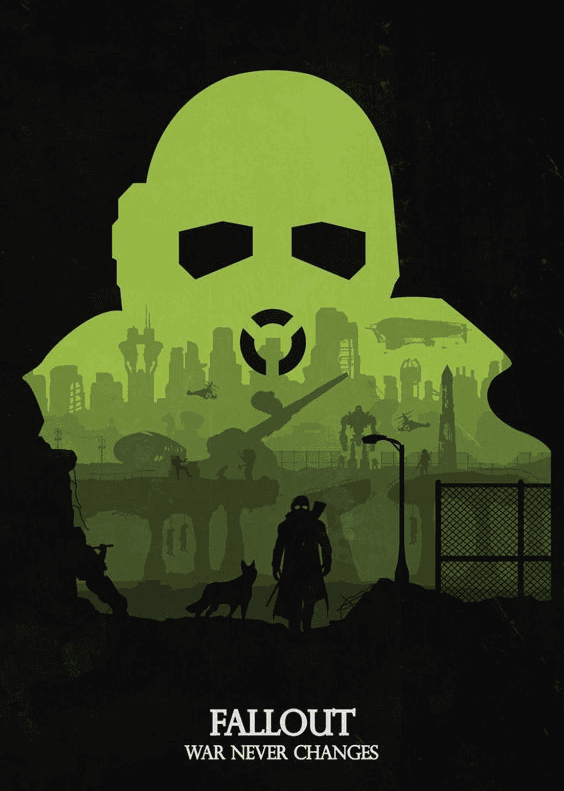
On October 1, self-described AI creator CHRIS FIRST abandoned his browser-based Fallout: New York after Bethesda parent ZeniMax sent a cease and desist. Almost simultaneously, Activision took down Maurice Heumann's demo of decompiling Call of Duty: Modern Warfare 2 with 17 AI agents running in parallel. AI lets one person remake a AAA title — and rights holders have started hitting back.
On October 1, Anthropic launched Mods for Claude Code: small TypeScript functions that intercept prompts, tool calls, permission requests, and even redraw the UI — distributed as plugins, installed with a single /plugin command. The thrilling and dangerous part: mods don't run in a sandbox. They get the same machine access as Claude Code itself.
On October 3, Cline announced on X that Ling 3.1 Flash is free until October 13 — a 560B-parameter MoE model with 25B active parameters that Vercel launched on September 30. Cline is also funneling users toward its desktop beta. The free model is the bait; the real product is the harness you keep when models change.
On September 29, Cognition cut Devin prices across the board: 30-40% off Fusion and Normal modes, up to 70% off Devin Review. The same week, Devin Fusion scored 68.8 on FrontierCode 1.1 Extended at an average cost of $0.60 per task. A company that just crossed $1B in annualized revenue and closed a $2B round doesn't cut prices for cash — it's buying pricing power.
Adversa AI's October digest collects 26 security studies: GitSpawn lets untrusted repos execute code in 7 major agents, a DeepSeek Harness sandbox escape scores CVSS 9.4, ZCode was caught silently uploading full Git history. The most cutting summary — this month's attacks rarely touched the model; they all hit the harness.