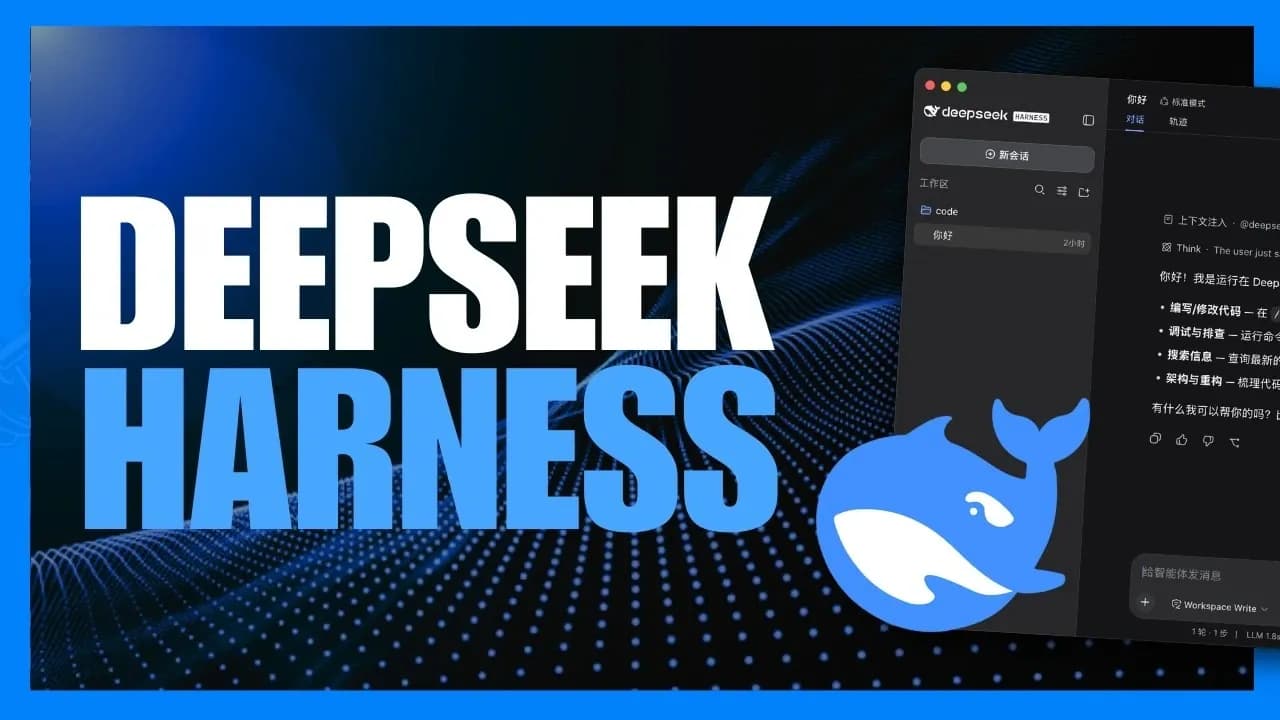
On September 30, the official DeepSeek Harness account announced v0.2 preview on X, shipping official desktop installers for the first time: macOS (Apple Silicon) and Windows 64-bit. Less than two months after the August 13 v0.1 release, the repo has collected around 242K GitHub stars. v0.2 adds an in-app plugin manager, a scheduled Automation Task plugin, and a file preview sidebar — the agent harness is growing from a terminal tool into a desktop app.
VIBEFIX NEWS
AI Coding News
Original perspectives on tools, frameworks, open source, and the creator ecosystem.
In an October 4 Axios scoop, Nvidia-backed Reflection — founded by two ex-DeepMind researchers — is preparing to release its first open-weight foundation model this month, aimed squarely at DeepSeek and Qwen. The company has locked in $7B+ in compute through 2029. But hold the champagne: no name, no size, no license, no benchmarks yet.
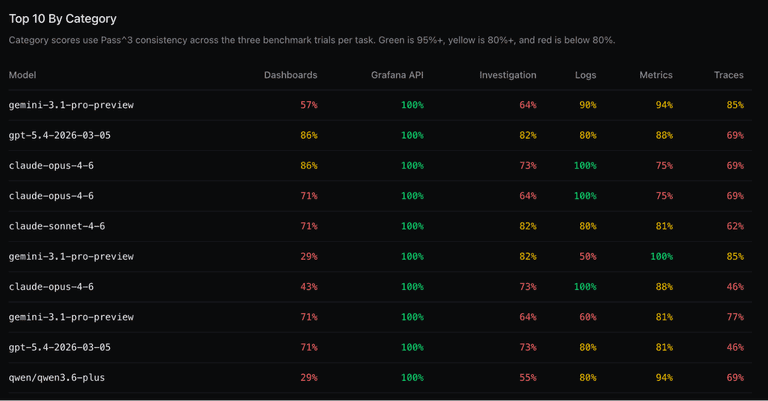
The October 2 SWE-bench Pro update shows Claude Opus 5.5 leading at 89.9%, followed by Sonnet 5.5 (81.3%) and Claude Fable 5.1 (81.2%). But hold off on ordering: OpenAI's July audit estimated roughly 30% of the benchmark's public tasks are broken — and the leaderboard's own maintainers warn against making purchase decisions on it.
AWS confirmed on October 5 that Bedrock Managed Agents is in public preview — OpenAI's agent stack running in full on a non-Microsoft cloud for the first time. Inference, tool calls, and memory all stay inside the customer's own AWS account, governed by IAM identities and permissions. The seven-year rule that production OpenAI meant Microsoft's cloud is broken.
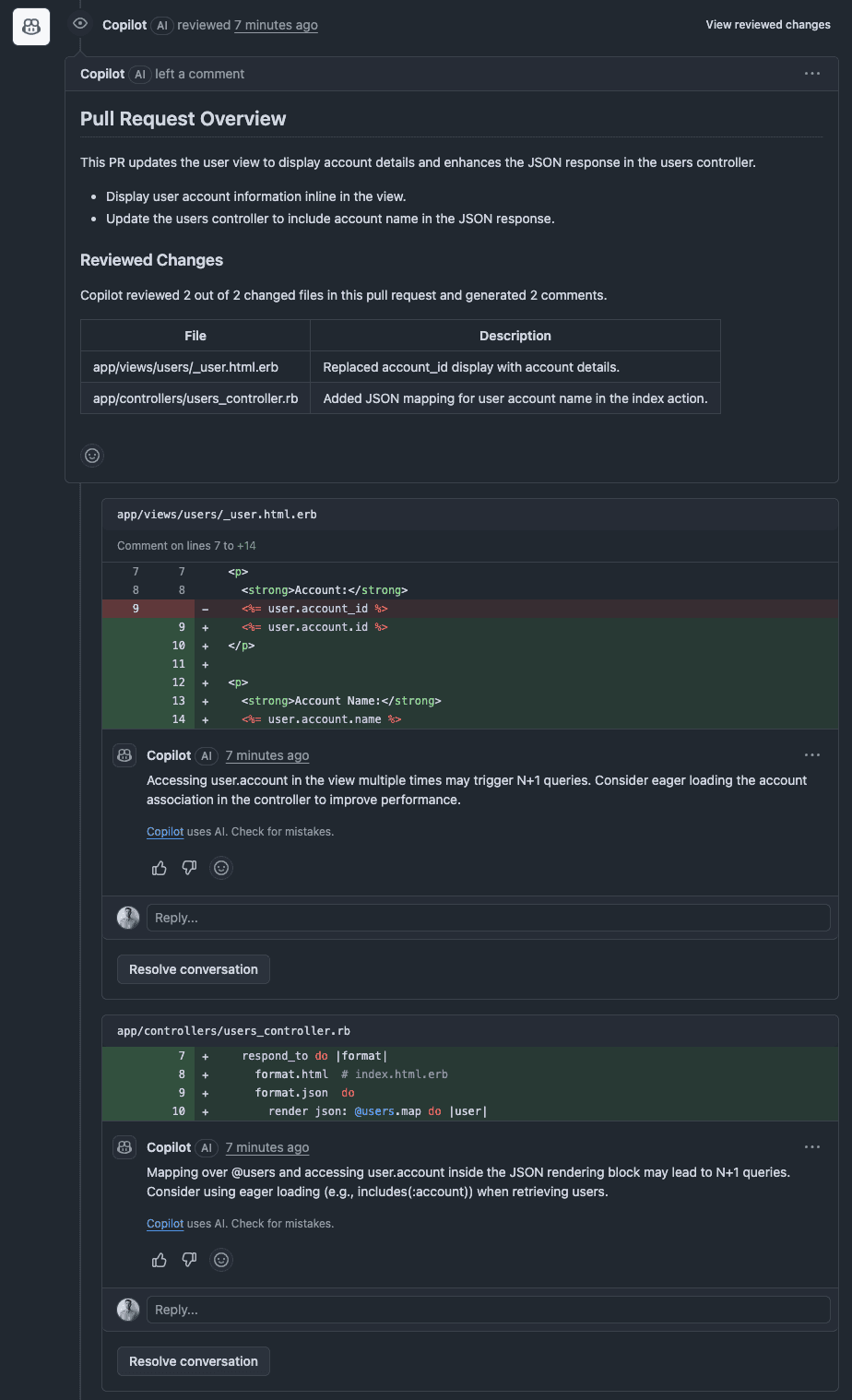
In an October 2 changelog entry, GitHub announced that Copilot code review can now be triggered via REST and GraphQL APIs, with a review effort level settable per request. Balanced replaces Lite as the new default. Code review just went from 'a button in the editor' to 'a step you can orchestrate in a pipeline.'
On October 1, GitHub launched Copilot Computer Use in public preview: Copilot CLI and the desktop app can now see screens, click controls, type, scroll, and move across windows. The target is clear — legacy professional software with no API, no CLI, and no MCP server. Off by default, and it asks your permission before taking over any app.
On October 1, YTL AI Labs launched ILMUcode at Universiti Malaya — an agentic coding assistant paired with ILMU-GLM-5.3, built with Z.ai, pitched as 'frontier coding capability on sovereign infrastructure at a fraction of the cost.' 800 UM freshmen get RM100 a month for three months free. The model itself is open-source; what this launch really sells is three things: data that never leaves the country, ringgit pricing, and Bahasa Malaysia.
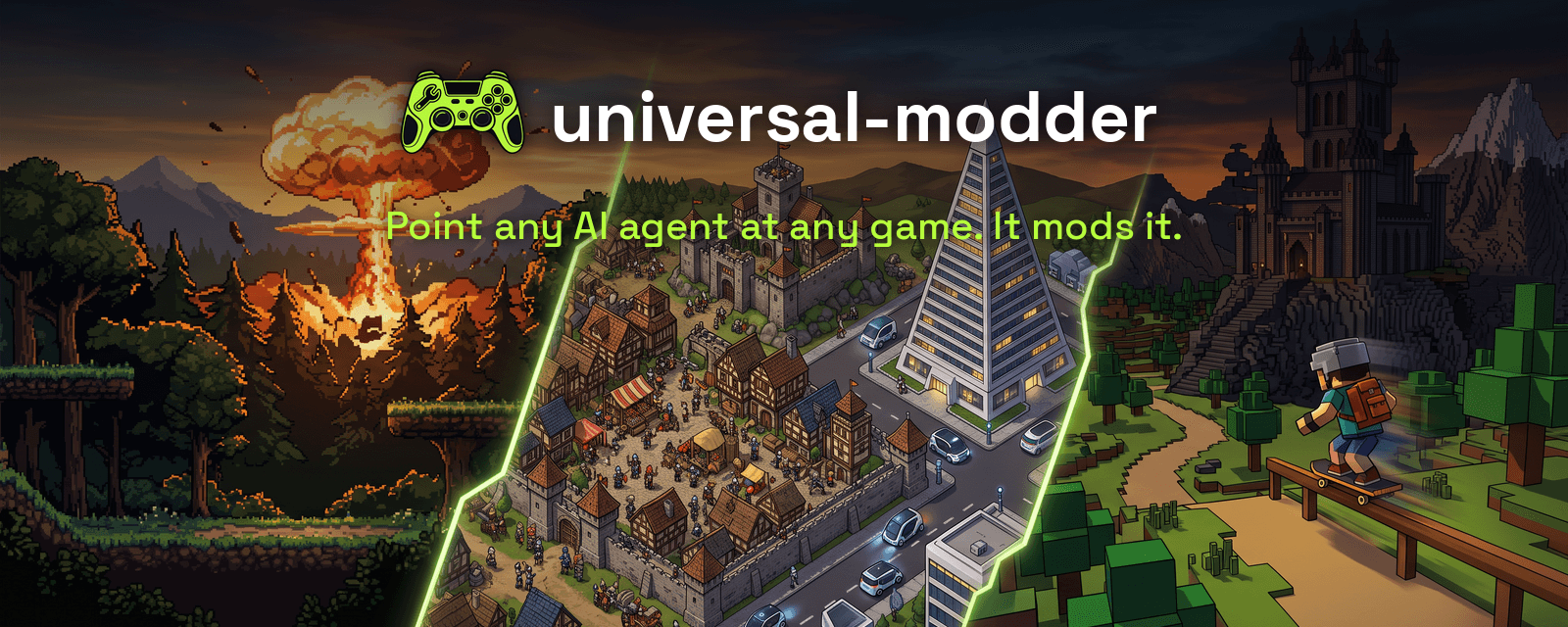
On September 30, developer Rehan Sheikh open-sourced universal-modder, packaging everything he learned modding Terraria and Age of Empires II with Claude Code into 10 reusable agent skills, a Python CLI, and a full asset pipeline. It doesn't ask AI to write a script — it sends the agent to recon the engine, read the real code, generate assets, and then verify the mod actually runs inside the game.
On October 2, European indie studio BlueprintsLab released Ultimate Engine CoPilot V2 — the most widely adopted AI plugin for Unreal Engine 5, with 1,655 native tools across 37 extensions. It doesn't tell you where to click; it builds Blueprints, writes C++, runs multiplayer play tests, and checks its own work inside the editor. The whole team: two people.
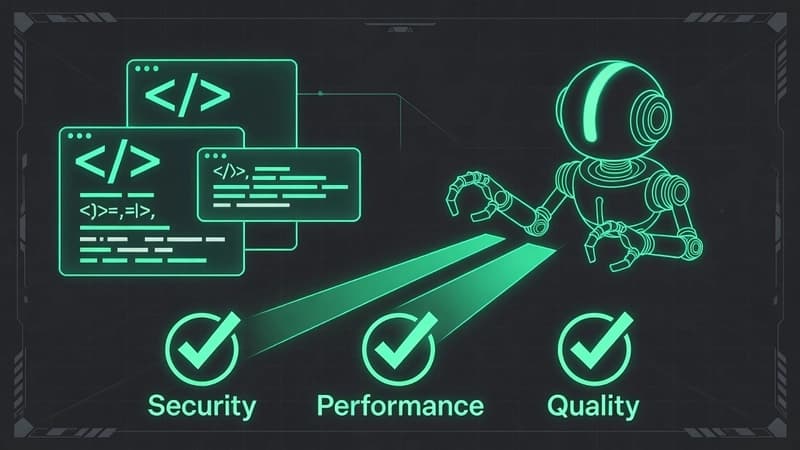
On October 1, AI code quality platform Qodo launched 3.0, upgrading itself from an 'AI code review tool' to 'quality and governance infrastructure for agentic software factories.' The logic stings: 91% of engineering leaders fear losing control of their codebase. When agents submit more code in a day than a team writes in a week, the question is no longer speed — it's who keeps the mess out.