One failed charge, and the system treats the user as gone — involuntary churn, often twenty to forty percent of all churn. This guide builds the way back: telling soft declines from hard ones, retrying on days 2, 4, 8, and 15, three reminder emails that do not read like debt collection, a 7-to-14-day grace period, card-update links in three places, and a graceful goodbye when a save is not possible.
VIBEFIX GUIDES
AI Coding Guides
Practical knowledge for tools, deployment, workflows, and building projects.
Is Product Hunt still worth launching on in 2026? This single-platform deep dive covers the traffic truth, the 2-week pre-launch checklist, a Pacific-Time launch-day timeline, canvassing red lines, and three paths if you do not rank.
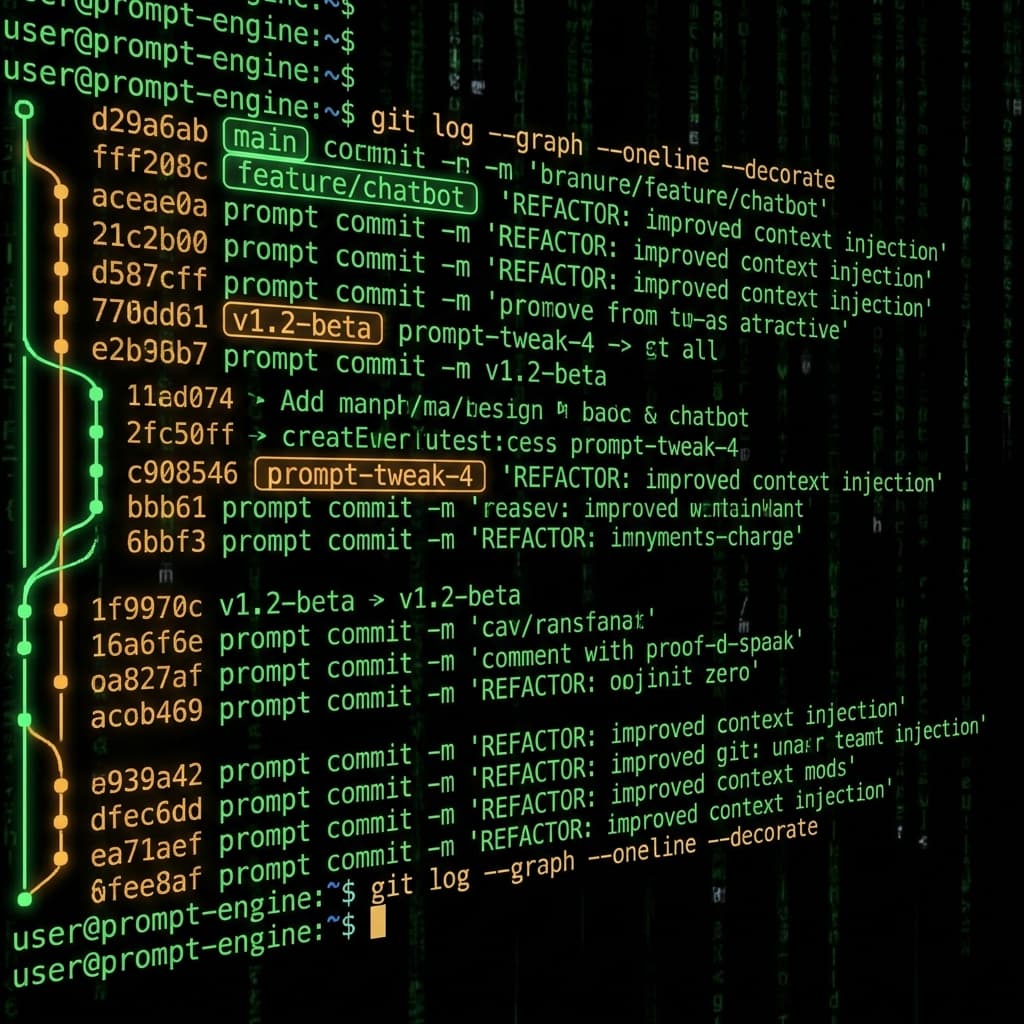
Prompts in vibe projects live in code strings, admin text boxes, and docs — changed live, version unknown when things break. This guide shows how to treat prompts like code: a prompts/ layout, YAML frontmatter, semantic versioning, PR reviews, canary rollouts with one-click rollback, plus an evals baseline — and a real war story: one added sentence cost 12 points of classification accuracy.
Enterprise pre-sales is a four-gate meat grinder: POC, security review, legal, procurement. A field guide to winning each gate as a solo team — the four roles to win, honest questionnaire strategy, MSA/DPA negotiation lines, and a 16-point checklist with a stop-loss rule.
Fixed interfaces can't keep up with infinite user intents. This guide gives solo developers the complete generative-UI playbook: the five-tier spectrum and where to start, a five-step runtime pipeline, four layers of guardrails (the AI picks, never invents), treating AI output as untrusted input, predictability design, correction and degradation paths, cost red lines, and a three-phase rollout.
Opening up your API means issuing keys to users — and most solo teams get it wrong: plaintext storage, one god-key for everything, no revocation, no usage attribution. This guide gives you a copy-paste-ready system: key format design, hash-only storage, scope permission models, rotation/revocation SOPs, and per-key rate limiting with usage attribution — with TypeScript templates, Prisma schemas, and a one-week rollout checklist.
Your product isn't bad — it's just unclear. A hands-on playbook for vibe coders: the 5-second headline rule with 6 before/after pairs, a one-job-per-screen page architecture, solo-founder social proof tactics, CTA and form field optimization, plus an AI copy review checklist.
MCP servers, custom scripts, and direct HTTP calls each come with their own bill. A three-step decision tree picks your direction in 30 seconds, five real-world scenarios show what to use and how to write it, plus a six-item pre-build acceptance checklist. The default answer is always: write the script first.
Vibe coding's easiest trap is spending 80% of time where users never look. Demo-driven development flips it: build a 3-minute demo first, trade it for feedback, users, and confidence — then backfill the 'correct but boring' engineering.
AI tools default to cloud-first: no signal, white screen. This playbook shows indie developers how to convert a vibe-coded project to local-first — a 4-question decision flow, sync-engine matrix, six rollout steps, five anti-patterns, and an offline test checklist.