All articles

VIBEFIX GUIDES

AI Coding Guides

Practical knowledge for tools, deployment, workflows, and building projects.

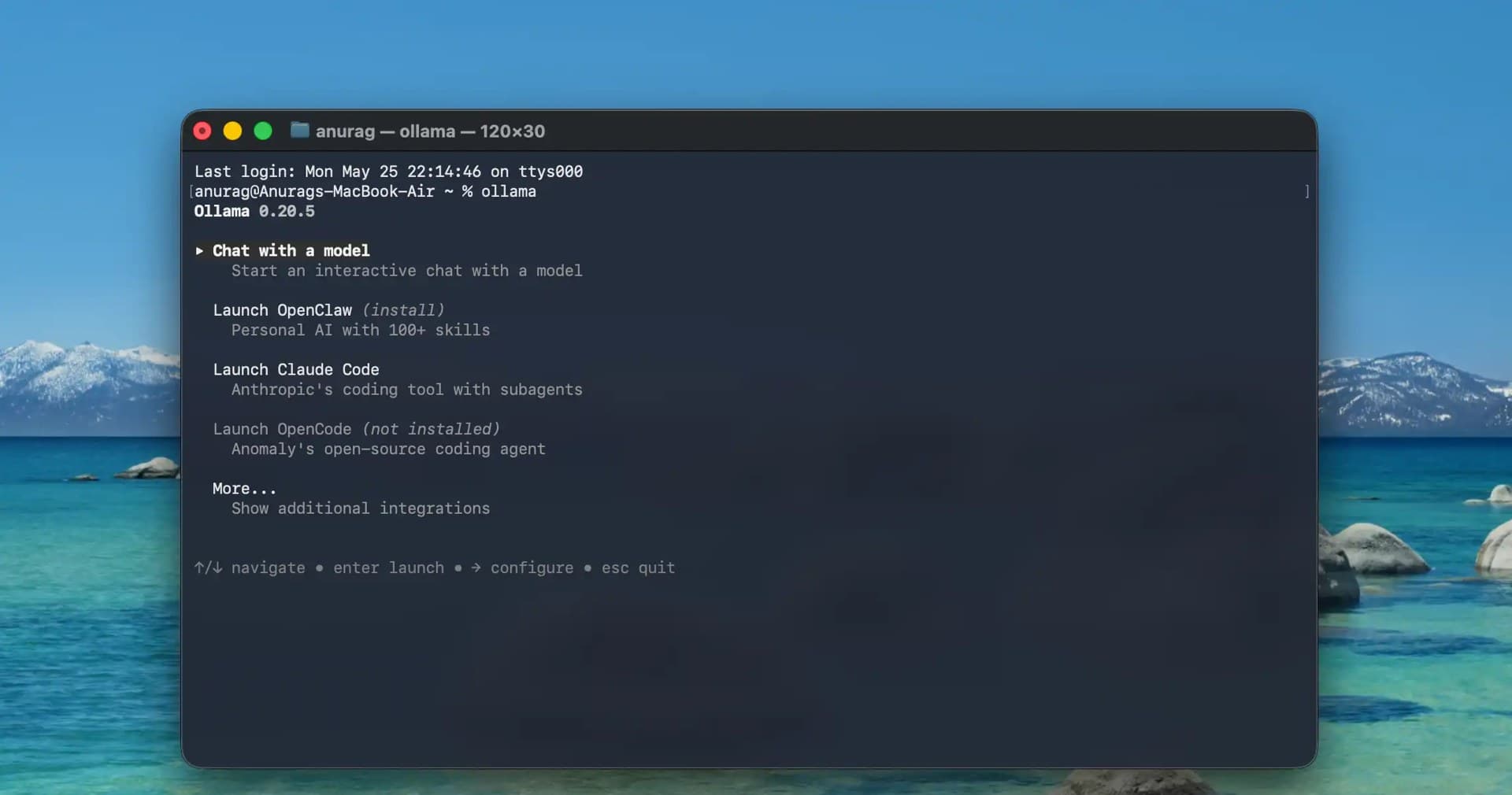
Diagram of edge-first AI architecture: inference running on the user's device with cloud as fallback
Guide
Push AI Compute to the User: Local/Edge Inference for Vibe Projects

The cheapest GPU is your user's GPU. This guide shows indie teams how to push suitable inference workloads to the browser and edge — WebGPU, transformers.js, WebLLM, llama.cpp, Ollama, Apple MLX compared; 1B–8B quantized models mapped to tasks; an edge-first degradation chain with drop-in fallback code; packaging "data never leaves the device" as a selling point; hard limits on load size, memory and heat; and a two-week pilot SOP. Cloud stays only as the safety net.

DeploymentTool ComparisonIndie Development
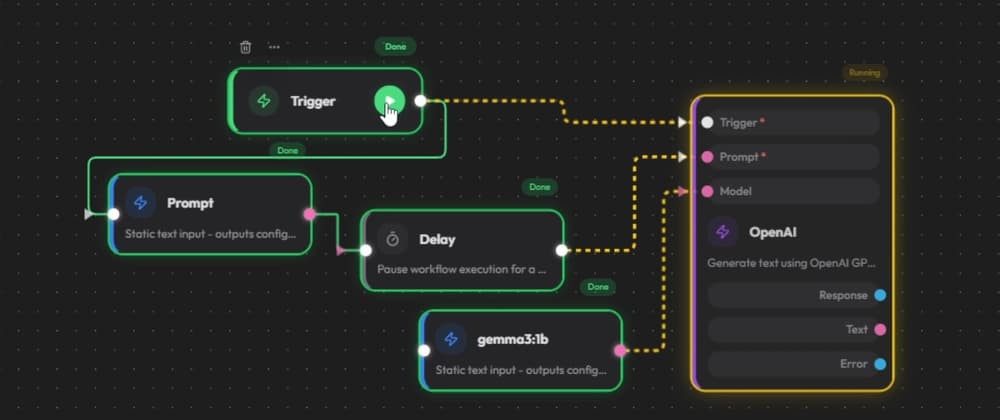
Dark workflow canvas: an automation flow of Trigger, Prompt, and AI model nodes
Guide
Write Repeat Processes as Code: Agent Workflow Codification in Practice

The third time you run the same multi-step process, stop copy-pasting prompts. This guide covers the upgrade signal for workflow-as-code, four design building blocks (sequence/parallelism, structured handoffs, cross-verification, human checkpoints), a worked "release check" example — code owns the process, agents own the judgment — plus three anti-patterns.

Developer WorkflowAutomationProject Building
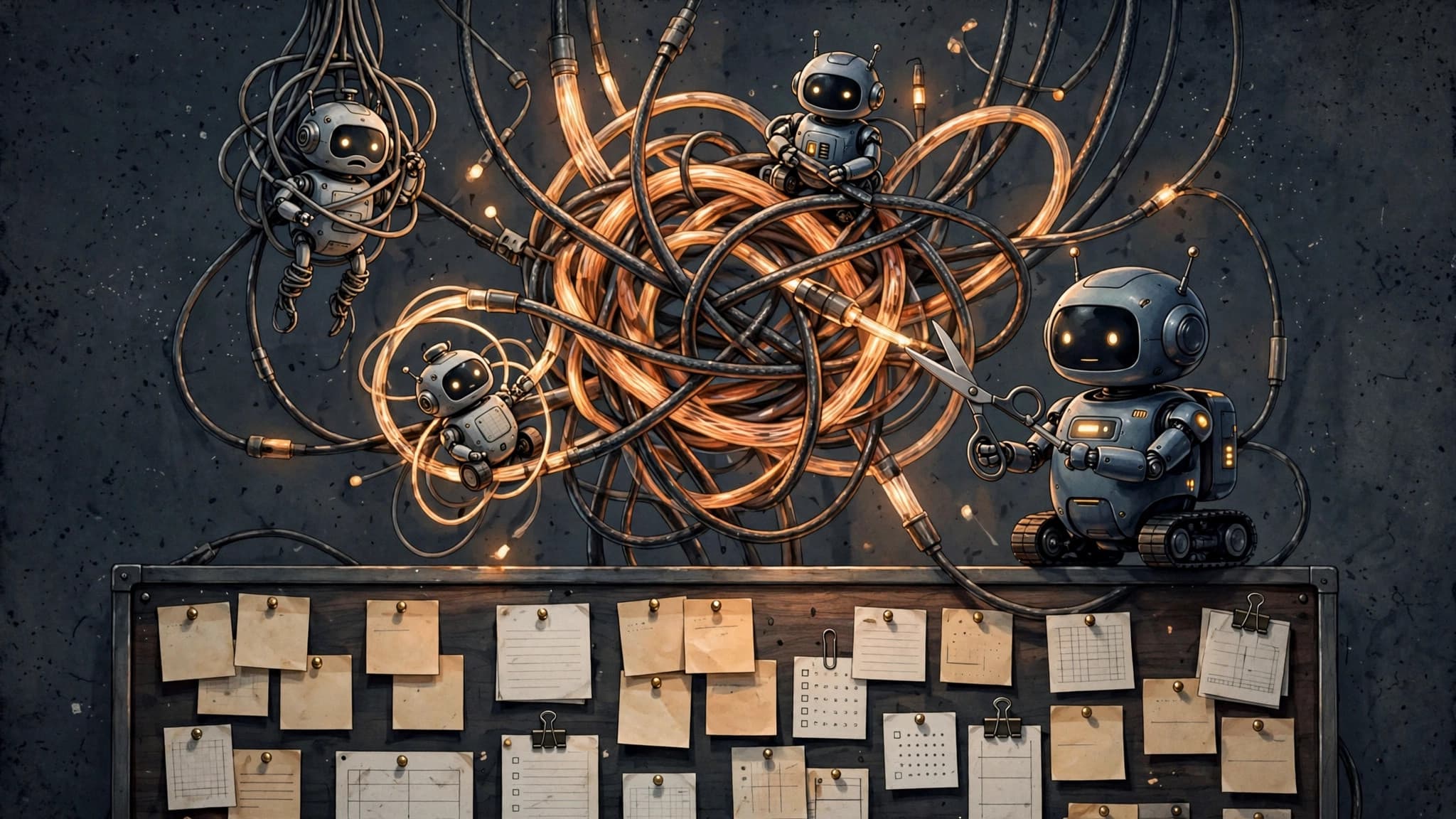
Collaboration-themed cover art: robot nodes networked together, some links broken
Guide
7 Multi-Agent Collaboration Traps: 90% of Failures Are Protocol Problems

2026 is the year of multi-agent, but anyone who shipped multi-agent systems to production will tell you: 90% of failures are collaboration-protocol problems, not model-capability problems. This piece covers 7 common traps — no single source of truth, wrong split granularity, conflicting sub-agent understandings, layered error amplification, runaway token bills, missing circuit breakers, humans excluded from the loop. Each from a real wreck; each with a fix.

Developer WorkflowTeam CollaborationAI Agent
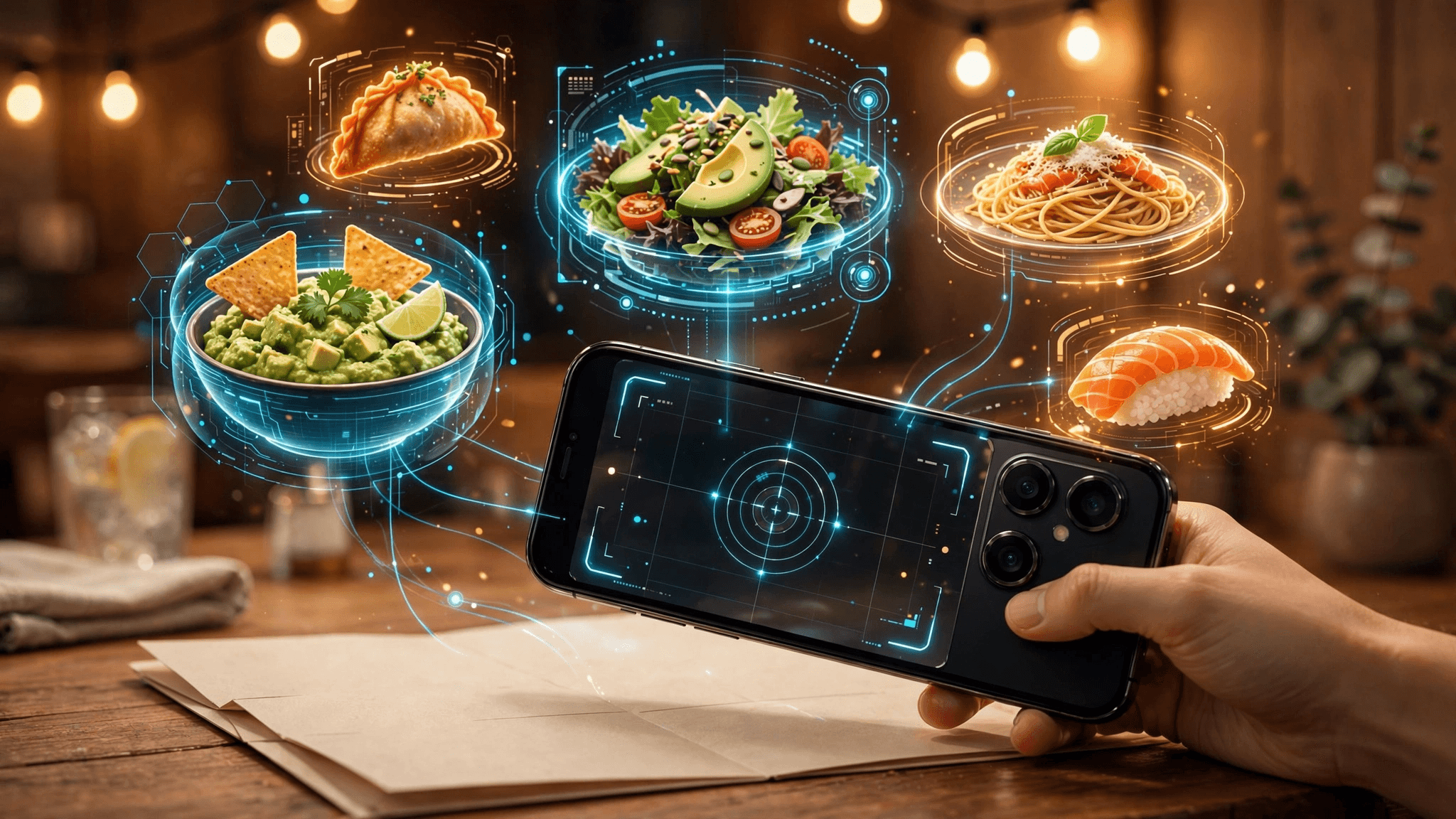
MenuGen menu photo to dish images concept cover
Guide
MenuGen: Karpathy Pronounced His Own App Dead — Could a Foundation Model Kill Your Product with One Prompt?

Andrej Karpathy — the man who coined “vibe coding” — built an app himself: snap a restaurant menu photo, AI generates a picture per dish. The twist: at Sequoia AI Ascent 2026 he personally “pronounced his own product dead” — one Gemini prompt overlays dish images right onto the original photo, making the whole app redundant. A question every AI product must answer.

Industry TrendsGeminiModel Updates
Passkey registration & login sequence: the 12-step minimal WebAuthn loop across browser, server, and authenticator, with challenge and verification checkpoints
Guide
Kill the SMS Bill: Passwordless Login with Passkey (WebAuthn) for Vibe Projects

SMS codes burn money per message and still get intercepted. Passkey (WebAuthn) replaces SMS with device-side private-key signatures: the 7-step minimal loop, 5 security red lines, plus multi-device management, a loss-recovery playbook, and an 8-item launch checklist — zeroing out both login cost and entire attack classes.

Application SecurityBackend EngineeringIndie Development
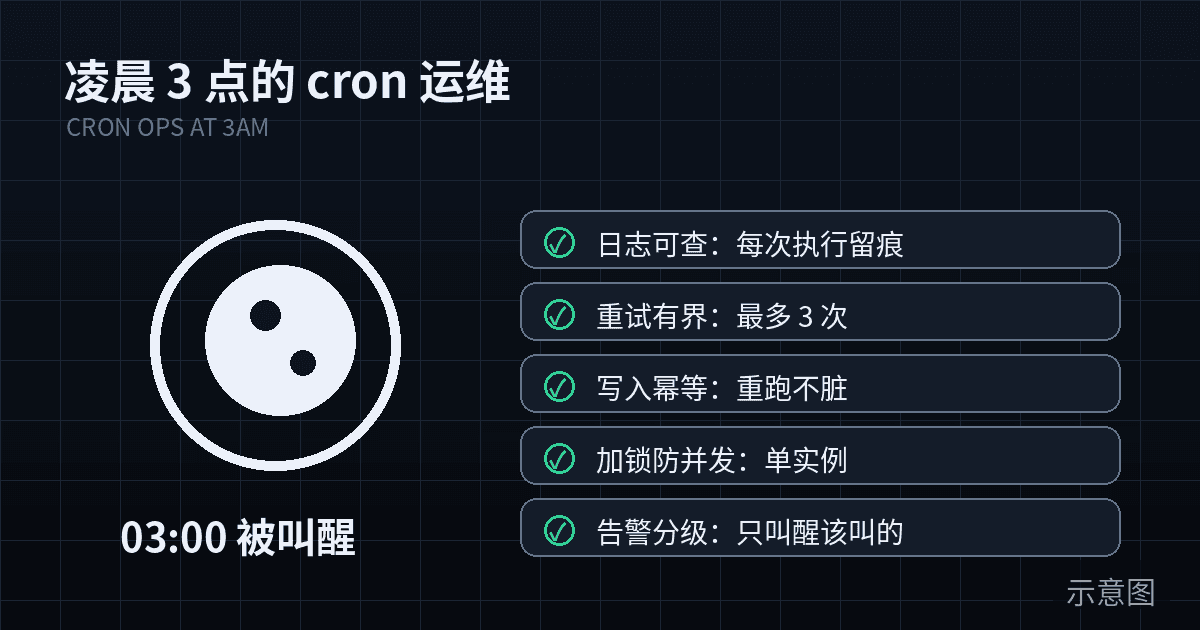
Cover for the solo-team cron operations guide: server rack at night with an alerting phone illustration
Guide
The Cron Job Died at 3 AM and Nobody Knew — Cron Operations for Solo Teams

Cron jobs are the most neglected yet most costly-when-they-fail part of a product: they work while you sleep, and nobody shouts when they break. This hands-on guide covers the full solo-team cron ops loop — job triage, runner selection, idempotency, distributed locks, heartbeat alerting, structured logging, rerun SOPs, dependency-failure strategy, and a 5-minute weekly inspection checklist, with copy-paste-ready code.

Developer WorkflowTool TipsBackend Engineering
Illustrative clone-cost decline: ~180 days in 2024, ~45 in 2025, 11 days in 2026 when ArtCraft cloned Adobe's suite with Claude Opus 5.5 (reported); estimated magnitudes
Guide
Before You Get Cloned: An Anti-Clone Moat Playbook for Vibe Projects

In 2026 AI drove clone costs near zero: Steam Next Fest submissions reportedly fell 18% YoY while one developer rebuilt Adobe's suite in eleven days with Claude Opus 5.5 for 44k stars. Features are no longer a moat. This guide is the anti-clone playbook for vibe projects: a data/network/identity moat framework, speed and community lock-in, layered defense (copyable free tier, server-side core), a 72-hour response checklist, and 8 moat-health self-checks.

Industry TrendsIndie DevelopmentProduct Strategy
Photo related to outsourcing software development work
Guide
When One Person Isn't Enough: Outsourcing and Hiring as the Client for Vibe Projects

The vibe coder's bottleneck eventually shifts from writing code to running out of hours. This guide gives indie developers the complete client-side playbook: when to hire (buy time vs. save money), the reverse-SOW method for decomposing tasks from acceptance criteria, channel and quote traps, milestone payment control, AI-generated code acceptance, NDA and IP, and a graceful four-step exit.

Team CollaborationIndie DevelopmentStartup Journey
Calendar scheduling cover art: planner and world clock motif
Guide
Timezones Are the Graveyard of Booking Features: Calendar Scheduling for Vibe-Coded Projects

DST switchover days, cross-timezone display chaos, broken recurrence rules — booking looks simple and hides the deepest pits. This guide covers the UTC-storage iron rule, the IANA timezone database, floating vs. absolute time, RRULE, transactional conflict detection, and 12 mandatory test cases for a booking system that survives daylight saving.

AutomationBackend EngineeringProject Building
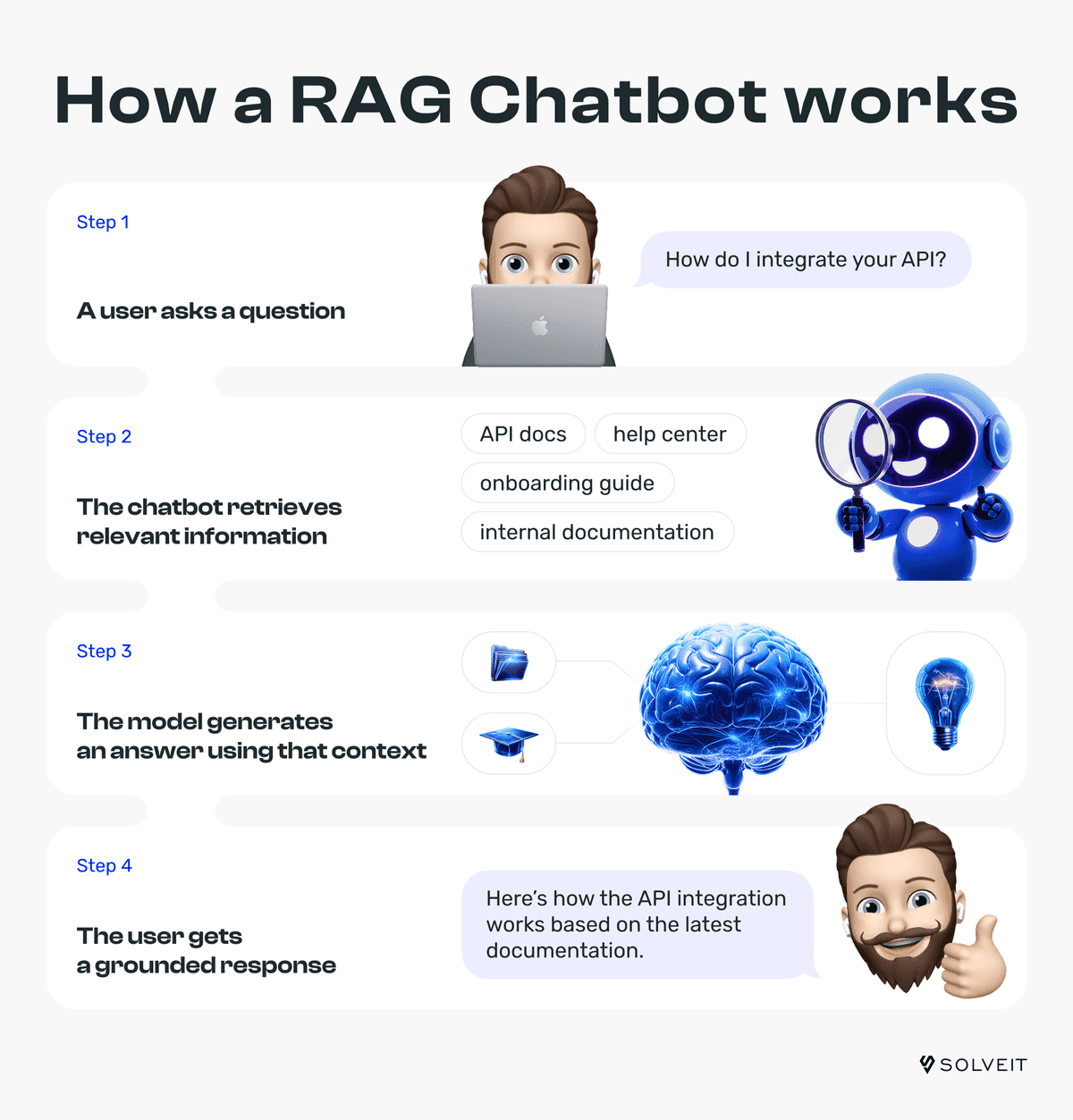
Four-stage RAG Q&A funnel for vibe projects: chunking, hybrid retrieval, conditional reranking, and RAGAS evaluation, with citations and refusal guarding generation
Guide
Stop Your AI From Confidently Making Things Up: A Practical RAG Guide for Vibe Projects

80% of RAG quality is decided before retrieval. This hands-on guide gives solo teams a trimmed-down RAG funnel: a four-question fit test (skip RAG if you can't answer yes twice), 300-512 token recursive chunking with 20% overlap, pgvector as the default store, BM25+vector hybrid retrieval fused by RRF (k=60), reranking only when unsure, a four-metric RAGAS eval over 30 golden Q&A pairs as the launch gate, and citation labels plus scripted refusal to stop hallucinations at generation time.

PostgreSQLRAGProject Building