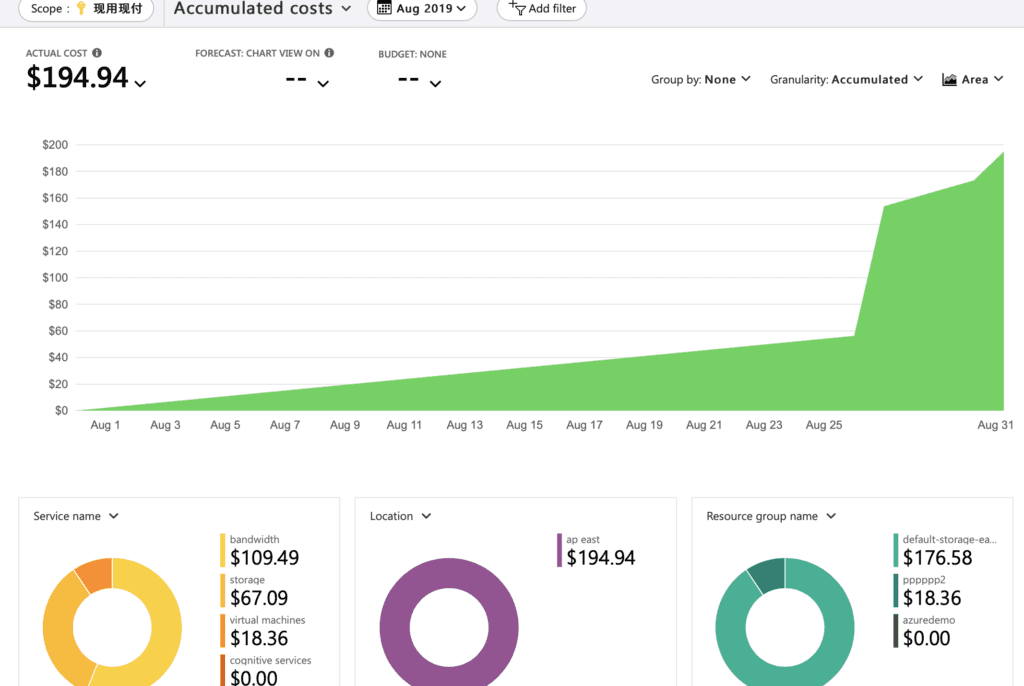
On October 3, Simon Willison argued that pay-by-usage services and APIs must ship with default hard budget caps — cut the service off and return errors once $X is spent, not send a warning email at midnight. Coding agents have made it trivially easy to burn thousands overnight; the post hit 300+ points on Hacker News. AWS and Google Cloud shipped spend-limit features in recent months, but neither made them the default.
VIBEFIX EXPLORE
Explore what to build next
Reusable AI coding guides, tool updates, and signals from the builder ecosystem.
Featured
Latest
On October 2, Cua — founded by a former Microsoft researcher — launched Spaces: a free Mac app that lets AI agents operate software on a "shared desktop" you can watch in real time and take over at any moment. Its boldest feature is "app teleportation": moving your signed-in app session straight into the agent’s sandbox, no repeated logins. The desktop-agent era was never waiting on better models — it was waiting on supervisable execution environments.
Amazon runs meetings on six-page narratives; vibe coders can kick off with a README. This guide covers the README-first workflow: write the user-facing docs, then have AI implement to spec — forcing clarity before a line of code, halving rework.
AI-written code that runs isn't necessarily good code. This guide covers 7 smells specific to generated code — defensive overkill, apologetic comments, ghost abstractions, and more — each with detection tips and fixes, so you catch them before they fossilize.
Same model, 10x productivity for one person and daily arguments for another. The difference isn't prompt tricks — it's communication habits. Four habits for pairing with AI: state the goal before the approach, one task at a time, acceptance criteria over vibes, and knowing when to shut up.
When an agent drifts off course mid-task, the context window is usually the culprit. This guide covers practical memory management: what belongs in the system prompt, what belongs in files, when to clear context — and three techniques for long tasks that don't derail.
A developer benchmarked Cursor and Windsurf on the same TypeScript repo with the same 5 tasks, timing from first prompt to passing CI. Cursor won on multi-file editing and model roster; Windsurf won on free tier and Cascade's end-to-end planning. An honest teardown of a community benchmark.
Starting October 4, Claude users see a new opt-in: 'Allow us to use your voice data to improve our AI models.' Off by default and architecturally separate from text-chat training — but Anthropic has published no retention policy for voice data.
On October 3, Google added Anthropic's Claude Opus 5.5 and Sonnet 5.5 to its agentic coding workspace Antigravity, for paying subscribers only. Opus 4.6 and Sonnet 4.6 retire November 2. IDEs are becoming app stores for models.
On October 2, Anthropic launched Claude Frontier Academy, committing $100 million to train 10,000 engineers who can deploy AI systems inside large enterprises by end of 2027. First partners include Accenture, McKinsey, and Morgan Stanley. Model vendors are now doing the 'last mile' themselves.