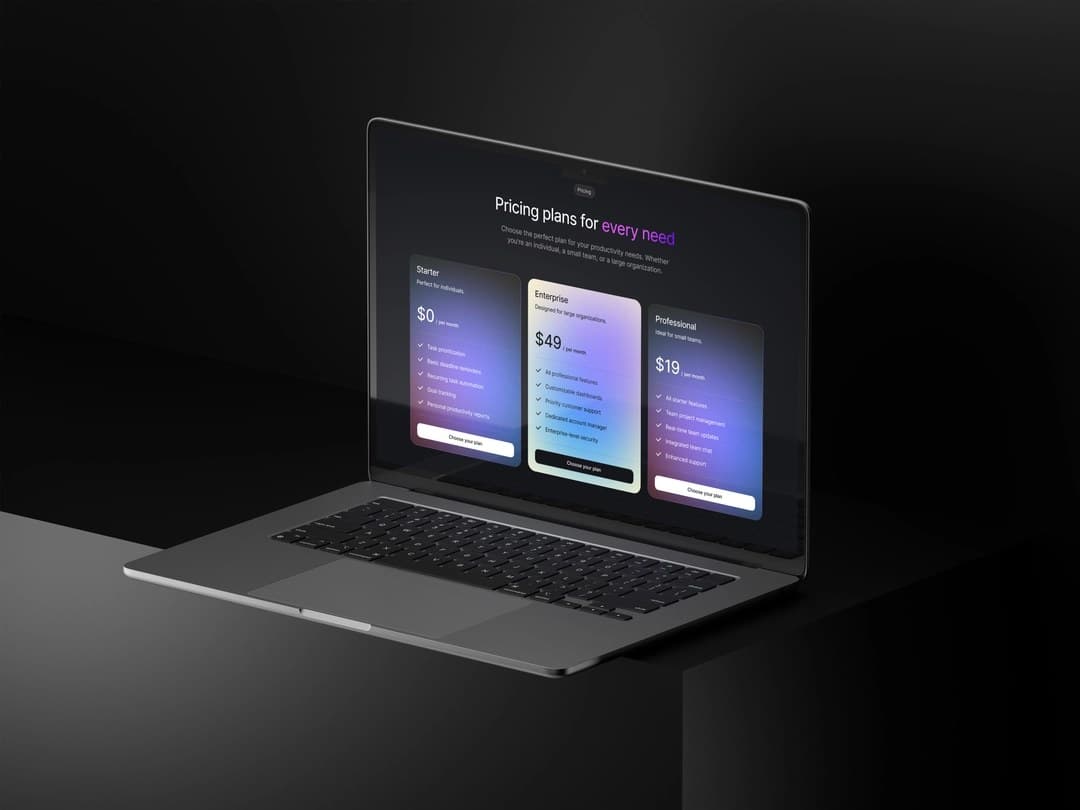
AI crushed development costs, but nobody prices for you. This guide covers indie pricing in practice: the cost-backwards anchor formula, the psychology of three tiers, and the three questions to answer before your first paying user.
VIBEFIX EXPLORE
Explore what to build next
Reusable AI coding guides, tool updates, and signals from the builder ecosystem.
Featured
Latest
Open source projects rarely die from unwritable code — maintainers drown in issues and PRs. Agents excel at exactly this 'read-heavy, pattern-based judgment' work. A triage pipeline for 2-hour-a-week maintenance.
Every vibe project repeats 70% of the work: auth, payments, email, deploy. Use AI to distill these into your own scaffolds and skill library — project N starts 5x faster than project one. Compounding lives in scaffolds, not code.
AI made building 10x faster but not finding users. Your first paying user almost never comes from Product Hunt or a viral tweet — it comes from 20 one-on-one interviews. What to ask, and how to turn 'interesting' into payment.
In the agent era, documentation's first reader is no longer human — it's AI. A docs strategy written for AI (CLAUDE.md, SKILL.md, ADRs) halves agent mistakes and makes your project easier to hand over.
Starting Oct 5, Skills roll out to Workspace users; Gems go away by March 2027. Google's bet is clear: future AI assistants aren't isolated personas but composable, reusable skill blocks.
On Sept 23 Cursor shipped two automation bots for Teams/Enterprise: Rollouts writes a monitoring plan per PR and tracks deploy health; Security Review now averages 3.8 minutes. The AI coding race has moved from writing code to shipping it.
$250 for Max, $100 for Pro — cloud-sessions-only credit expiring November 4. Claim by October 7, 11:59 PM PT from your Usage page.
A CEO accusing an investor of leaking secrets, Khosla firing back with 'struggling second-tier,' Sequoia picking sides — and now Menlo Ventures proudly investing. Behind the soap opera is a real battle for ranking under a $5B valuation.
Vibe coding's easiest trap is spending 80% of time where users never look. Demo-driven development flips it: build a 3-minute demo first, trade it for feedback, users, and confidence — then backfill the 'correct but boring' engineering.